
2026-09-04 · Sarah Mitchell
Introducing Allergens to Baby: A Mom's Guide to Early Food Introduction

When my pediatrician first told me I should give my 6-month-old peanut butter, I thought she was joking. Like every parent of my generation, I'd been told to wait until age 3 to introduce peanuts. But the research has completely changed, and the old advice to delay allergens is not just outdated—it may actually increase the risk of food allergies. Let me walk you through what I learned, what scared me, and how I introduced all the common allergens without panicking.
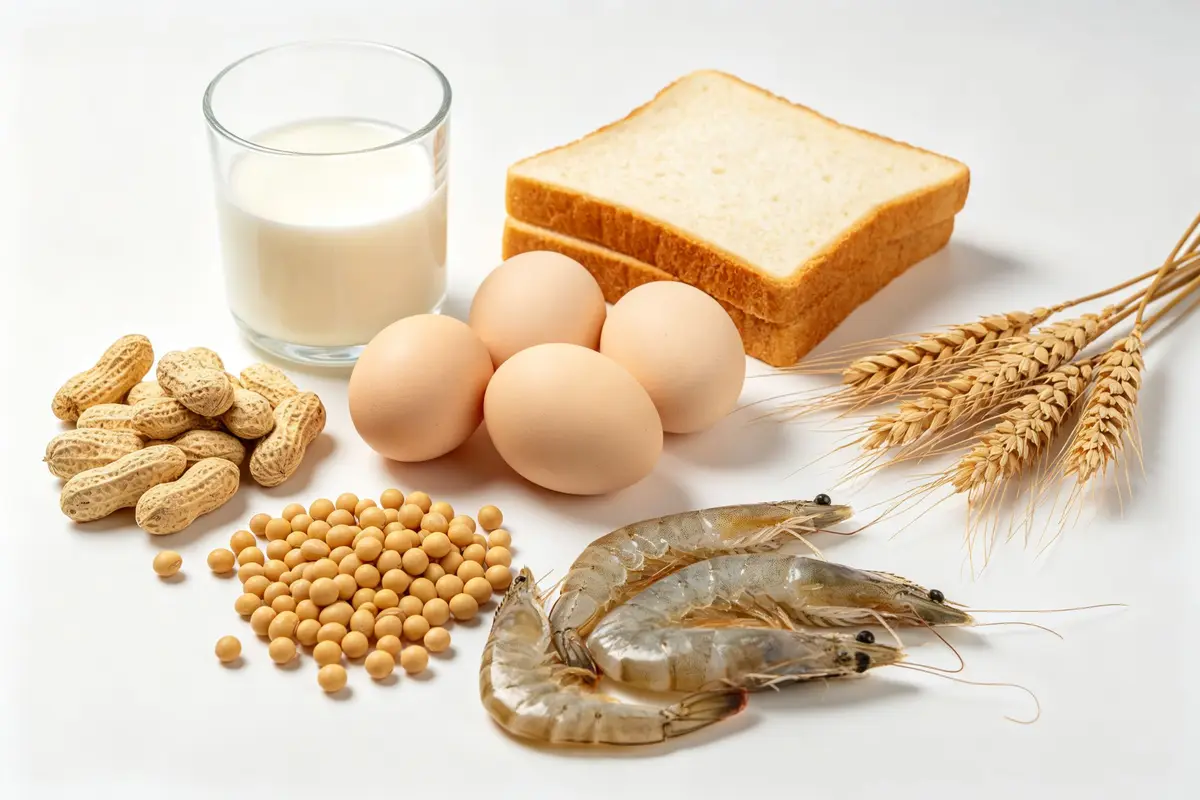
When should I introduce common allergens to my baby?
The short answer: around 6 months of age, once your baby has started solid foods and shown they can tolerate basic solids. The American Academy of Pediatrics (AAP), the National Institute of Allergy and Infectious Diseases (NIAID), and leading pediatric allergy organizations all recommend introducing common allergenic foods early—around 4-6 months—and continuing them regularly.
This is a complete reversal from the old advice (pre-2008) which recommended delaying peanuts until age 3, eggs until age 2, and dairy until age 1. The landmark LEAP study (Learning Early About Peanut Allergy), published in 2015, found that babies who were introduced to peanut protein between 4-11 months had an 81% lower risk of developing peanut allergy by age 5 compared to babies who avoided peanuts. This study fundamentally changed pediatric guidelines worldwide.
The key window for introduction is 4-6 months. Waiting beyond 6-12 months may actually increase allergy risk. However, you should wait until your baby shows signs of readiness for solids: sitting up with minimal support, good head and neck control, showing interest in food, opening mouth when food comes, and losing the tongue-thrust reflex. Most babies reach this around 6 months.
Which foods are common allergens and how do I introduce them?
There are 9 major allergenic foods that account for about 90% of food allergies. Here's how I introduced each one:
1. Peanut: This is the most important one to introduce early due to the strong evidence from the LEAP study. Never give whole peanuts or chunky peanut butter to a baby under 4 (choking hazard). Instead, mix a small amount of smooth peanut butter (no added sugar/salt) into breast milk, formula, or oatmeal to make a thin, runny consistency. Start with a tiny amount (1/4 teaspoon of peanut butter thinned out) and gradually increase. I mixed it into my baby's morning oatmeal 2-3 times per week.
2. Egg: Both egg white and egg yolk can be allergenic, but egg white is the more common trigger. Cook the egg fully (hard-boiled or scrambled) and offer a small piece or mix mashed egg into cereal. Start with well-cooked egg yolk first if you're nervous, then move to whole egg. I offered scrambled egg cut into small strips as a finger food.
3. Cow's milk (dairy): You shouldn't give cow's milk as a drink before 12 months (it doesn't have the right nutrition and can irritate the gut), but you can introduce dairy products like yogurt, cheese, and cottage cheese starting around 6 months. Plain whole-milk yogurt is a great first dairy food—I mixed in pureed fruit. Hard cheeses like cheddar (cut into small strips) are also good because they're lower in lactose.
4. Wheat: Offer iron-fortified wheat cereal, whole wheat toast strips, or small pieces of whole wheat pasta. Wheat is usually easy to introduce since it's in many baby cereals. I started with wheat cereal mixed with breast milk.
5. Soy: Offer tofu (soft, silken tofu cut into small cubes), edamame (mashed), or soy yogurt. Tofu is a great first food because it's soft and easy to pick up. I marinated soft tofu in a little breast milk and offered it as finger food.
6. Fish: Choose low-mercury fish like salmon, cod, tilapia, or sardines. Cook it fully, remove all bones, and flake it into small pieces. Fish is not only an allergen but also an excellent source of omega-3 DHA for brain development. I offered baked salmon flakes 1-2 times per week.
7. Shellfish: Shrimp, crab, and lobster. Cook fully, remove shells, and chop finely. I introduced shrimp around 8 months, finely chopped and mixed into pasta.
8. Tree nuts: Almonds, cashews, walnuts, etc. Never give whole nuts to babies (choking hazard). Use smooth nut butters (almond butter, cashew butter) thinned with breast milk or formula, or ground nuts mixed into cereal. I introduced almond butter thinned into oatmeal around 7 months.
9. Sesame: Tahini (sesame paste), sesame oil, or ground sesame seeds. Tahini can be thinned and mixed into purees or used as a dip. I introduced a small amount of tahini mixed into hummus around 7 months.
How do I introduce allergens safely?
Here's the step-by-step approach that worked for me and that my pediatrician recommended:
- Introduce one new allergen at a time. Wait 3-5 days between introducing each new allergenic food so you can identify any reaction. This was the hardest part for me—I wanted to get through all 9 quickly, but taking it slow is safer.
- Offer it in the morning or early afternoon. This way, if a reaction occurs, it will happen during waking hours when you're alert and pediatrician offices are open. I always introduced new foods at breakfast or lunch, never at dinner.
- Start with a very small amount. A tiny taste on the tip of a spoon, then wait a few minutes. If no immediate reaction, offer a bit more. Gradually increase the amount over the first few servings.
- Keep offering it regularly. This is crucial. Introducing once isn't enough—you need to continue offering each allergen 2-3 times per week to maintain tolerance. The LEAP study found that babies who ate peanut 2-3 times per week had the lowest allergy risk. I put together a weekly rotation schedule to make sure I was hitting all allergens regularly.
- Have a plan for emergencies. Know the signs of an allergic reaction and have your pediatrician's number handy. If your baby has eczema or a family history of allergies, talk to your pediatrician before introducing—they may recommend doing the first introduction in the doctor's office.
- Don't introduce new allergens when your baby is sick. If your baby has a cold, fever, diarrhea, or vomiting, wait until they're fully recovered. It can be hard to distinguish a food reaction from illness symptoms.
What are the signs of an allergic reaction and what should I do?
Allergic reactions usually occur within minutes to 2 hours of eating the food. Here's what to watch for:
Mild to moderate reactions:
- Hives or red, itchy rash (especially around the mouth, face, or body)
- Swelling of the lips, face, or eyes
- Itching or tingling around the mouth
- Nasal congestion, runny nose, or sneezing
- Nausea, vomiting, or diarrhea
- Irritability or fussiness
Severe reaction (anaphylaxis) — call emergency services immediately:
- Difficulty breathing, wheezing, or persistent cough
- Tightness in the throat or hoarse voice
- Swelling of the tongue or throat that affects breathing
- Blue or pale skin
- Dizziness, fainting, or loss of consciousness
- Severe vomiting or diarrhea
- Rapid or weak pulse
- Confusion or lethargy
What to do: For mild reactions, stop feeding the food, wipe your baby's face and hands, and call your pediatrician for guidance. Take photos of any rash or swelling to show the doctor. For severe reactions, call your local emergency number immediately. If your baby has been prescribed an epinephrine auto-injector (EpiPen), use it immediately at the first sign of a severe reaction—don't wait. Epinephrine is the only treatment for anaphylaxis, and delaying can be life-threatening.
After any reaction, don't reintroduce the food without guidance from your pediatrician or a pediatric allergist. They may recommend allergy testing (skin prick test or blood test) to confirm the allergy.
Does my baby's eczema or family history change things?
If your baby has moderate to severe eczema, or if there's a family history of food allergies, asthma, or eczema, your baby is at higher risk for developing food allergies. In these cases, the guidelines are even more emphatic about early introduction—the LEAP study specifically showed that high-risk babies benefited the most from early peanut introduction.
However, for high-risk babies, it's a good idea to talk to your pediatrician before introducing peanuts. They may recommend: introducing the first taste in the doctor's office (supervised introduction), starting with a very tiny amount and building up gradually, or referral to a pediatric allergist for guidance.
For babies with mild eczema or no risk factors, you can introduce allergens at home following the general guidelines. I had one baby with mild eczema and one without—for my eczema baby, I checked with the pediatrician first and did the peanut introduction at home on a weekday morning when I could monitor closely, and it went fine.
My practical tips for allergen introduction
After navigating this with two kids, here's what made it easier:
Make a rotation chart. I wrote down all 9 allergens and created a simple weekly schedule to make sure each one was offered 2-3 times per week. For example: Monday—peanut oatmeal + yogurt; Wednesday—scrambled egg + wheat toast; Friday—salmon + tofu; etc. This took the mental load out of remembering.
Use ice cube trays for batch prep. I made batches of peanut butter puree (thinned with breast milk), egg puree, and fish puree, froze them in ice cube trays, and popped out a cube as needed. This made it easy to mix allergens into meals without prep work every day.
Don't stress about perfect timing. The "4-6 month window" is a guideline, not a deadline. If your baby isn't ready for solids at 6 months, or if you're traveling, or if life gets in the way—it's okay. Introduce as soon as you reasonably can, and the most important thing is regular ongoing exposure once introduced.
Keep soft baby wipes handy. When introducing messy foods like peanut butter, yogurt, or fish, you'll be wiping faces and hands constantly. I kept fragrance-free wipes within arm's reach during every meal, especially when introducing a new allergen so I could quickly clean up if there was a skin reaction.
Trust your instincts but don't let fear paralyze you. I was terrified the first time I gave my baby peanut butter. I sat her in the high chair, gave her a tiny taste, and watched her like a hawk for 2 hours. Nothing happened. By the third allergen, I was much more relaxed. The risk of NOT introducing early is actually higher than the risk of a reaction.
Article Summary
Introducing common allergens early (around 6 months) and regularly (2-3 times per week) is now the standard recommendation, completely reversing the old advice to delay. The LEAP study showed that early peanut introduction reduces allergy risk by 81%. The 9 major allergens are peanut, egg, cow's milk, wheat, soy, fish, shellfish, tree nuts, and sesame. Introduce one at a time, wait 3-5 days between new foods, offer in the morning, start small, and continue regularly. Watch for reactions (hives, swelling, vomiting, breathing difficulty) and know when to call emergency services. High-risk babies (eczema, family history) should check with a pediatrician first. The most important thing is regular ongoing exposure—once introduced, keep offering each allergen multiple times per week to maintain tolerance.
Frequently Asked Questions
When should I start solid foods?
Most babies are ready for solids around 6 months, when they can sit up with support, show interest in food, and have lost the tongue-thrust reflex. Some babies show readiness as early as 4 months, but always check with your pediatrician before starting.
What are the best first foods for my baby?
Single-ingredient, iron-rich foods are ideal first foods — rice cereal, oatmeal, pureed sweet potato, avocado, banana, or pureed chicken. Introduce one new food at a time and wait 3-5 days to watch for allergic reactions. You can offer purees or try baby-led weaning with soft finger foods.
How do I introduce allergenic foods safely?
Current guidelines recommend introducing common allergens (peanut, egg, dairy, wheat, soy, fish, shellfish, tree nuts, sesame) early — around 6 months — and offering them regularly (2-3 times a week) to build tolerance. Start with a small amount in the morning so you can watch for reactions during the day.
How much solid food should my baby eat?
At 6 months, solids are mostly for practice — 1-2 tablespoons once a day is fine. By 8-9 months, aim for 2-3 meals a day with a variety of foods. By 12 months, your baby should be eating 3 meals plus snacks, with breast milk or formula still providing important nutrition. Let your baby's hunger and fullness cues guide you.
Frequently Asked Questions
What is the best age to introduce peanuts and other allergens to my baby?
The current recommendation from the AAP, NIAID, and leading allergy organizations is to introduce common allergenic foods around 4-6 months of age, once your baby shows signs of readiness for solids (sitting with support, good head control, interest in food, lost tongue-thrust reflex). The LEAP study found that introducing peanut between 4-11 months reduced peanut allergy risk by 81% by age 5. Waiting beyond 6-12 months may actually increase allergy risk. However, if your baby has severe eczema or a family history of allergies, consult your pediatrician before introducing peanuts—they may recommend supervised introduction in the clinic.
How do I safely give peanut butter to a baby without choking?
Never give whole peanuts or thick, chunky peanut butter to babies under 4 years old—both are choking hazards. Instead, take smooth, no-added-sugar peanut butter and thin it with breast milk, formula, or water until it has a runny, drizzly consistency. You can also mix it into oatmeal, yogurt, or pureed fruit. Start with a tiny amount (1/4 teaspoon of peanut butter thinned out) and gradually increase over several servings. Once your baby is comfortable with the thinned version, you can offer slightly thicker peanut butter spread thinly on toast strips. Always supervise mealtime and ensure your baby is sitting upright.
What should I do if my baby has an allergic reaction to a food?
For mild reactions (hives, mild swelling around mouth, vomiting, fussiness): stop feeding the food immediately, wipe your baby's face and hands with a damp cloth, offer a sip of water or breast milk, and call your pediatrician for guidance. Take photos of any rash or swelling to show the doctor. For severe reactions (difficulty breathing, wheezing, throat tightness, swelling of tongue/lips affecting breathing, blue/pale skin, dizziness/fainting, severe vomiting, rapid weak pulse): call emergency services immediately. If prescribed an EpiPen, use it immediately at the first sign of severe reaction—do not delay. After any reaction, do not reintroduce the food without guidance from your pediatrician or allergist, who may recommend allergy testing to confirm.
Do I need to keep giving allergenic foods after the first introduction?
Yes—this is critically important. Introducing an allergen once is not enough to build and maintain tolerance. The LEAP study found that babies needed to eat peanut protein at least 2-3 times per week (about 2 grams of peanut protein per serving, roughly 2 teaspoons of peanut butter) to maintain the protective effect. Babies who stopped eating peanut after the initial introduction lost the tolerance benefit. I recommend creating a simple weekly rotation schedule to ensure each of the 9 allergens is offered 2-3 times per week. You can mix them into everyday meals—peanut butter in oatmeal, egg in pancakes, fish in pasta, yogurt as a snack, etc. Once established, this becomes a normal part of your family's diet.