
2026-09-03 · Moni Happy Editorial Team
Potty Training Readiness & Step-by-Step Guide: A Mom's Real Experience
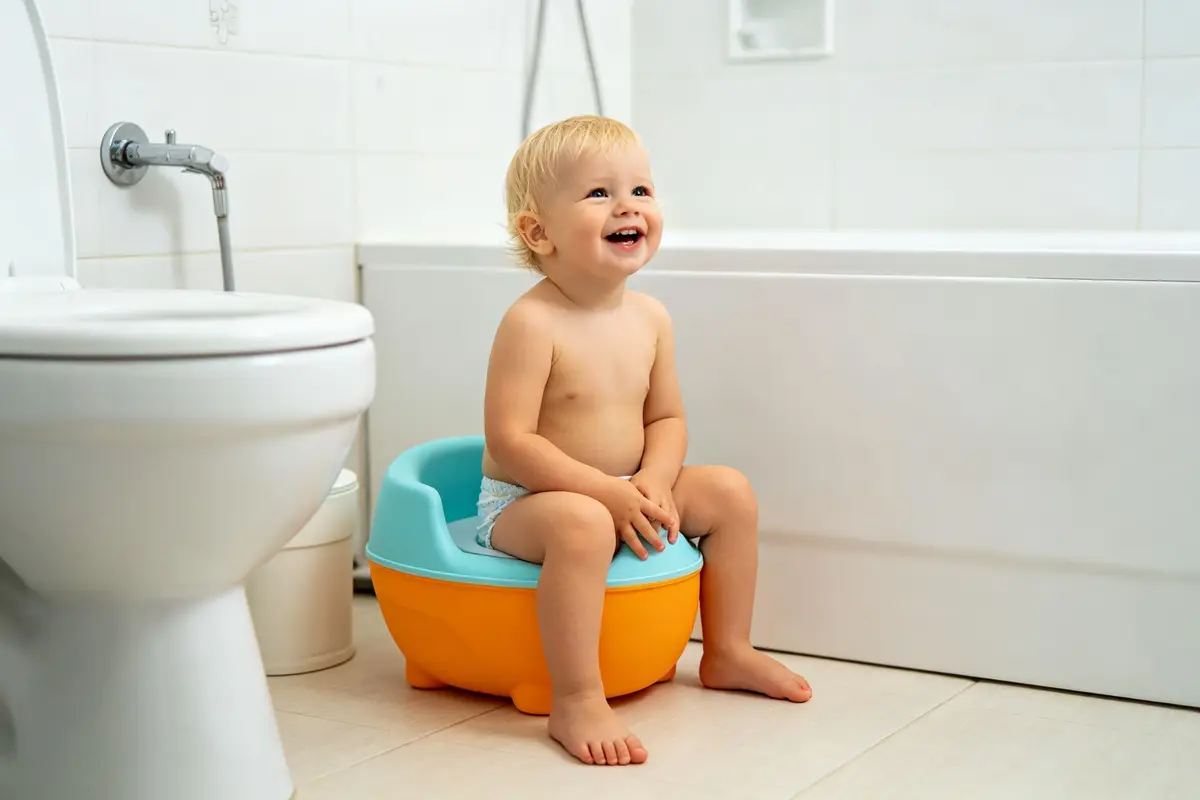
Potty Training Readiness & Step-by-Step Guide: A Mom's Real Experience
Potty training was the parenting milestone I dreaded the most. With my first child, I started at 18 months because all the mom blogs said "earlier is easier." Three weeks of tears, accidents, and a toddler who refused to sit on the potty later, I gave up. We tried again at 27 months, and it clicked in three days. The difference? She was ready. With my second, I waited until I saw all the readiness signs, and he trained in a week at 26 months. My third trained herself at 22 months because she wanted to be like her older siblings. The biggest lesson I learned: potty training success has almost nothing to do with what method you use and everything to do with whether your child is actually ready. Here's everything I've learned about potty training readiness and a step-by-step guide that actually works.
Is Your Child Ready for Potty Training? The Readiness Signs
The American Academy of Pediatrics (AAP) states that most children show signs of readiness for potty training between 18 and 24 months, but some aren't ready until 2.5 or even 3 years. There is no "right" age—what matters is whether your child shows the physical, cognitive, and emotional signs of readiness. Starting before your child is ready usually leads to frustration, power struggles, and a longer training process. Waiting until they're ready often means faster, smoother training.
Physical readiness signs:
- Dry diapers for at least 2 hours at a time (or waking up dry from a nap). This shows that their bladder can hold urine and they have some bladder control.
- Regular, predictable bowel movements (at roughly the same time each day). This indicates their digestive system is mature enough for them to predict and control bowel movements.
- The ability to walk and sit down independently (they need to be able to get to the potty and sit on it).
- Motor skills to pull pants up and down (or at least cooperate while you help).
- Discomfort with wet or soiled diapers—they may tug at a wet diaper, ask to be changed, or try to take the diaper off. This shows they can feel the sensation of being wet/dirty and don't like it.
Cognitive and emotional readiness signs:
- Interest in the potty or toilet—they may follow you to the bathroom, ask questions about the potty, or want to sit on it (even fully clothed).
- Understanding of simple instructions—they can follow directions like "go get your shoes" or "put the toy in the box."
- Words or signs for urine and stool—they have a word, sound, or gesture for peeing and pooping (e.g., "pee-pee," "poo-poo," grunting, pointing to the diaper). They may even tell you before or while they're going.
- Desire for independence and imitation—they want to do things themselves and imitate older siblings or parents (including using the toilet).
- Ability to concentrate on a task for a few minutes—they can sit and look at a book or play with a toy for 5-10 minutes without getting distracted.
- Emotional readiness—they're not going through a major life change (new sibling, moving, starting daycare) that might cause stress and regression. It's best to wait until things are stable before starting potty training.
Most experts recommend waiting until your child shows at least 5-6 of these signs before starting formal potty training. If you're not sure, try a trial run: sit them on the potty for a few minutes a day for a week. If they resist, cry, or refuse to sit, they're probably not ready—wait a few weeks and try again. If they seem curious and willing, they might be ready to start.
One important note: there's no evidence that early potty training (before 18 months) leads to earlier complete continence. In fact, studies have shown that children who start training earlier often take longer to fully train, and the process is more stressful for both parent and child. The AAP recommends waiting for readiness signs rather than starting by a specific age. Children who are truly ready often train in days or weeks, while those who start too early may take months.
Before You Start: Preparation & Supplies
Once you've decided your child is ready, there are a few things to do before you start the actual training. Taking a week or two to prepare can make the process much smoother.
1. Choose your equipment:
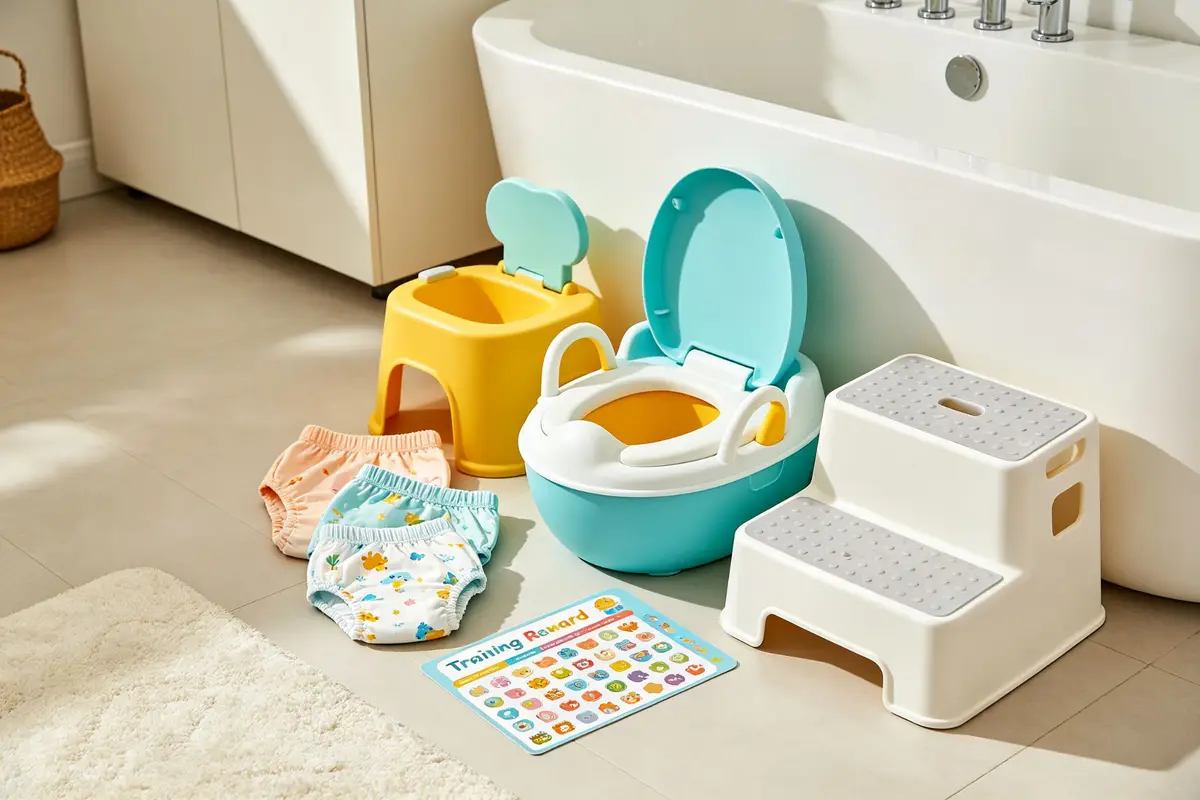
- Potty chair vs. potty seat: A potty chair is a small, standalone toilet that sits on the floor. It's less intimidating for young children because it's their size and their feet can touch the floor. A potty seat (or toilet seat reducer) fits on top of the regular toilet and requires a step stool for the child to climb up and rest their feet. Some children prefer one over the other—you can try both and see what your child likes. I found that a potty chair was easier for the early days (less intimidating, easier to get to quickly), and we transitioned to a potty seat on the regular toilet after a few weeks.
- Step stool: If you're using a potty seat on the regular toilet, you'll need a sturdy step stool so your child can climb up and rest their feet on it while sitting (feet should be supported, not dangling—this helps with bowel movements).
- Training pants (pull-ups): You'll need either disposable training pants (like Pull-Ups or diaper pants) or cloth training pants. Disposable training pants are convenient for outings and naps/nighttime, while cloth training pants provide more of a "wet" sensation that helps children learn. I used a mix: cloth training pants at home during the day, and disposable training pants for naps, nighttime, and outings. If you're looking for quality diaper pants for active toddlers, Moni Happy diaper pants are a great option—they're easy to pull up and down and provide excellent leak protection during the training transition.
- Underwear: Once your child is having consistent success, you can switch to regular underwear (with plastic pants or training pants as backup for outings). Let your child pick out underwear with their favorite characters—this can be a big motivator.
- Potty training books: There are many great children's books about potty training. Reading them together in the weeks before you start can help your child understand what to expect and get excited about the process. Some popular ones: "Once Upon a Potty" by Alona Frankel, "Everybody Poops" by Taro Gomi, "The Potty Book for Girls/Boys" by Alyssa Satin Capucilli, and "Potty" by Leslie Patricelli.
- Rewards and incentives: Decide on a reward system before you start. Options include: a sticker chart (one sticker for each successful potty use, with a bigger reward after a certain number), small treats (a single candy, a few raisins, a sticker), special activities (extra story time, a trip to the park), or a "big kid" reward after a week of success (a new toy, a special outing). Whatever you choose, make it immediate and consistent—praise and rewards should come right after a successful use so your child makes the connection.
2. Talk about it in advance:
- 1-2 weeks before you plan to start, start talking about potty training in positive terms. Read potty books, let your child watch you use the toilet (normalizing it), and talk about how "big kids" use the potty.
- Let your child help pick out the potty chair, training pants, and underwear. Giving them choices and ownership can increase their buy-in.
- Explain the process simply: "When you feel like you need to pee or poo, you tell Mommy/Daddy, and we go to the potty. You sit on the potty, and the pee/poo comes out in the potty. Then we flush and wash our hands!"
- Never use shame, fear, or pressure. Don't talk about diapers as "babyish" or make your child feel bad about accidents. Potty training should be a positive, empowering experience.
3. Choose the right time to start:
- Pick a time when you can be home and focused for at least 3-7 days. Avoid starting right before a vacation, a move, a new sibling's arrival, or a major change in routine.
- Many parents find that starting on a Friday evening or over a long weekend works well, so they have a few days at home before returning to work or daycare.
- Make sure your child is healthy—don't start potty training if they're sick, teething severely, or going through a stressful period.
- Consider the season—some parents prefer to start in warmer weather when fewer clothes mean easier access and fewer layers to wash if accidents happen.
Step-by-Step Potty Training Method
There are many potty training methods out there—from the "three-day method" to child-led approaches. The method I'm sharing here is a balanced, gentle approach that worked for all three of my kids. It combines structure and consistency with patience and respect for your child's pace. You can adapt it to fit your child's personality and your family's lifestyle.
Day 1: Introduction and practice
- Start the morning with a big, positive announcement: "Today is the day we start using the potty like a big kid!" Let your child pick out their first pair of training pants or underwear.
- Have your child sit on the potty for 5-10 minutes after waking up, after meals, after snacks, before naps, before bed, and every 1-2 hours in between. Set a timer if it helps. Even if nothing happens, the practice of sitting is important.
- Give your child plenty of fluids (water, diluted juice, milk) throughout the day so they have plenty of opportunities to pee. This may seem counterintuitive, but more opportunities mean more chances for success and faster learning.
- When your child successfully pees or poops in the potty, celebrate enthusiastically! Clap, cheer, give a sticker or reward, and tell them how proud you are. Make a big deal out of it—positive reinforcement is the most powerful tool in potty training.
- When accidents happen (and they will—expect several on day 1), stay calm and neutral. Don't scold, shame, or show frustration. Simply say, "Oops, you had an accident. Pee goes in the potty. Let's change your clothes and try again." Then have them sit on the potty for a minute. Clean up without drama. The key is to not make accidents a big deal—your child should feel safe to try without fear of failure.
- At the end of day 1, don't expect much. Most children have several accidents and maybe one or two successes. That's normal. The goal of day 1 is just to introduce the concept and start building the habit.
Days 2-3: Building the habit
- Continue the routine from day 1: sit on the potty every 1-2 hours and after meals/drinks.
- Start watching for signs that your child needs to go: squirming, crossing legs, holding the crotch, going to a corner, grunting, or a change in facial expression. When you see these signs, immediately say, "Do you need to go potty? Let's go!" and rush them to the potty.
- Gradually increase the time between potty sits if your child is having success. If they're consistently dry for 2 hours, you can try every 2.5-3 hours.
- Continue celebrating successes and staying neutral about accidents.
- By day 3, many children start to recognize the sensation of needing to go and may even tell you before they go. Some will have very few accidents by day 3. Others will still have many—every child is different, and that's okay.
Days 4-7: Reinforcement and independence
- Continue the routine, but start letting your child take more initiative. Ask, "Do you need to go potty?" instead of just telling them it's time. Praise them when they tell you they need to go without being reminded.
- Start taking your child out in public with training pants (or underwear with a backup). Bring a portable potty seat or use public restrooms. Show them that the potty works everywhere, not just at home. Expect a few accidents when out—that's part of the learning process.
- Continue the reward system, but gradually fade out tangible rewards (stickers, treats) and rely more on praise and encouragement. You want your child to feel internal pride in their accomplishment, not just do it for a reward.
- By the end of the first week, many children are mostly daytime trained—they may still have occasional accidents, but they generally use the potty consistently. If your child is still having frequent accidents after a week, they may not be quite ready, or they may need more time and consistency. Don't give up—some children take 2-4 weeks to fully click.
Nighttime training:
- Nighttime dryness usually comes later than daytime dryness—sometimes weeks or months later. It depends on the body's ability to produce less urine at night and the ability to wake up to use the bathroom.
- Once your child is consistently dry during the day for 1-2 weeks, you can try nighttime training. Use a waterproof mattress cover, limit fluids 1-2 hours before bed, and have them use the potty right before bed. You can also try a "dream pee"—waking them gently to use the potty before you go to bed.
- If your child continues to wet the bed at night, don't worry—it's very common and usually resolves on its own. Continue using training pants or diapers at night until they're consistently dry for 2-4 weeks. Never shame a child for bedwetting—it's not something they can control. If bedwetting persists beyond age 5-6, talk to your pediatrician.
Common Potty Training Challenges & How to Handle Them
Potty training rarely goes perfectly. Here are the most common challenges I encountered (and heard about from other moms) and how to handle them:
1. Refusal to sit on the potty: If your child refuses to sit on the potty, don't force it. Forcing can create a power struggle and negative association. Instead, take a break for a few days, then try again. Make the potty fun: let them sit on it fully clothed while reading a book, put a small table next to it with toys, or let them decorate the potty with stickers. Sometimes a change of scenery (a different potty, a different bathroom) helps. If refusal persists for more than a week or two, they may not be ready—wait a month and try again.
2. Fear of the potty or toilet: Some children are afraid of the potty—especially the regular toilet, which can seem big, loud, and wobbly. If your child is afraid, start with a small potty chair on the floor (less intimidating). Let them get used to it by sitting on it fully clothed. Never flush while they're sitting on the toilet (the loud noise and the "disappearing" of stool can be scary). If they're afraid of bowel movements on the potty (common), it may be because they had a painful stool (constipation) and associate the potty with pain. Treat the constipation first (more fiber, fluids, maybe a stool softener from your pediatrician), then try again.
3. Withholding bowel movements: This is one of the most common and frustrating potty training problems. Some children hold in their stool because they're afraid of the potty, had a painful bowel movement, or simply prefer the familiarity of a diaper. Withholding leads to constipation, which makes bowel movements painful, which creates a vicious cycle. Signs of withholding: crossing legs, squatting, hiding in a corner, grunting, or going days without a bowel movement. If your child is withholding, talk to your pediatrician—they may recommend a stool softener (like lactulose or polyethylene glycol) to make bowel movements soft and painless. Never use enemas or suppositories without doctor guidance. Continue offering the potty, but don't pressure. Some children need to go back to diapers for bowel movements for a while before they're ready to try again.
4. Regression: It's very common for a child who was fully potty trained to start having accidents again. Regression can be triggered by: a new sibling, moving, starting daycare or preschool, a family stressor, illness, or even a change in routine (like a vacation). When regression happens, stay calm and don't make a big deal out of it. Go back to the basics: remind them to use the potty, offer more frequent sits, and be patient. Regression usually resolves within a few weeks once the stressor passes or they adjust to the change. If regression persists for more than a month or is accompanied by other concerning symptoms (pain, blood in stool, frequent urinary tract infections), talk to your pediatrician.
5. Accidents after weeks of success: Occasional accidents are normal even after a child is fully trained. They may happen when the child is tired, distracted, excited, or too busy playing to stop. Don't overreact—just remind them to use the potty and move on. If accidents become frequent, look for a trigger (stress, illness, constipation, change in routine) and address it.
6. Boys vs. girls: There's no significant difference in potty training readiness or timeline between boys and girls, despite what you may hear. Both can be trained using the same methods. Some boys may take slightly longer to recognize the sensation of needing to urinate, but this varies widely by individual. For boys, you can start with sitting down (for both pee and poop) and transition to standing once they're comfortable. Letting them watch their father or an older brother use the toilet standing up can help. Some parents find that a target in the toilet (a piece of cereal or a floating target) makes standing to pee fun for boys.
7. Daycare or preschool coordination: If your child goes to daycare or preschool, communicate with their caregivers about your potty training plan. Make sure they're consistent with your approach—same potty routine, same reward system, same neutral response to accidents. Provide extra clothes, training pants, and any supplies they need. Some daycares have specific potty training policies—make sure you understand them before you start.
Article Summary
Potty training success depends far more on your child's readiness than on the method you use. The AAP says most children show readiness signs between 18-24 months, but some aren't ready until 2.5-3 years, and there's no "right" age. Readiness signs include: dry diapers for 2+ hours, regular predictable bowel movements, ability to walk and sit independently, discomfort with wet/soiled diapers, interest in the potty, understanding simple instructions, words/signs for pee and poop, desire for independence, and emotional readiness (no major life changes). Wait until your child shows at least 5-6 signs before starting—starting too early leads to frustration and longer training. Before you start, prepare: choose a potty chair or potty seat with step stool, stock up on training pants (disposable or cloth—Moni Happy diaper pants are great for the transition), let your child pick underwear, read potty books together, decide on a reward system (sticker chart, small treats, praise), talk positively about the process for 1-2 weeks, and choose a calm period when you can be home for 3-7 days. The step-by-step method: Day 1—announce the big day, sit on potty every 1-2 hours and after meals, give plenty of fluids, celebrate successes enthusiastically, stay neutral about accidents. Days 2-3—watch for signs of needing to go, gradually increase time between sits, expect more successes. Days 4-7—let child take initiative, practice in public, fade out tangible rewards. Nighttime training comes later—wait until consistently daytime dry for 1-2 weeks, use a waterproof mattress cover, limit fluids before bed, and be patient (bedwetting is common and usually resolves on its own). Common challenges: refusal to sit (take a break, make it fun), fear of the potty (start small, don't flush while they're sitting), withholding bowel movements (treat constipation with pediatrician guidance, don't pressure), regression (stay calm, go back to basics, it usually resolves in weeks), occasional accidents after success (normal—don't overreact), and daycare coordination (communicate and be consistent). Remember: every child is different, some train in days and others take weeks or months, and that's perfectly normal. The goal is to make potty training a positive, empowering experience—not a battle. With patience, consistency, and love, your child will get there. For more toddler care guides, see our baby skin care guide and explore Moni Happy baby care products.
Frequently Asked Questions
When should I call the pediatrician?
Call your pediatrician if your baby has a fever over 100.4°F (38°C) under 3 months old, seems lethargic or difficult to wake, refuses to eat or drink, has persistent vomiting or diarrhea, shows signs of dehydration (fewer wet diapers, dry mouth, sunken fontanelle), has difficulty breathing, or if something just doesn't seem right. Trust your instincts as a parent.
How can I tell if my baby is in pain?
Babies show pain through crying that's different from their usual cry — it may be higher-pitched, more intense, or difficult to soothe. Other signs include facial grimacing, clenched fists, drawing legs up to the chest, changes in sleep or feeding patterns, and being unusually fussy or unusually quiet. If you suspect pain, check for common causes like teething, gas, ear infection, or injury.
Is it normal for my baby to get sick often?
It's normal for babies and toddlers to get 6-8 colds a year, especially if they're in daycare or around older siblings. Their immune systems are still developing and building immunity. However, frequent infections that are severe, last a long time, or are accompanied by poor weight gain may warrant a checkup with your pediatrician to rule out underlying issues.
How do I give my baby medicine safely?
Always use the measuring device that comes with the medicine — never use a household spoon. Check the dose based on your baby's weight, not just age. Give the full prescribed course of antibiotics even if your baby seems better. Never give aspirin to children under 18, and check with your pediatrician or pharmacist before combining medicines or giving over-the-counter medicine to babies under 6 months.
Frequently Asked Questions
How do I know when my child is ready for potty training?
The American Academy of Pediatrics (AAP) states that most children show signs of readiness between 18 and 24 months, but some aren't ready until 2.5 or even 3 years. There is no 'right' age—what matters is whether your child shows physical, cognitive, and emotional readiness signs. Starting before your child is ready usually leads to frustration, power struggles, and a longer training process. Physical readiness signs include: dry diapers for at least 2 hours at a time (or waking up dry from a nap)—this shows bladder control; regular, predictable bowel movements at roughly the same time each day; ability to walk and sit down independently; motor skills to pull pants up and down (or cooperate while you help); and discomfort with wet or soiled diapers (tugging at the diaper, asking to be changed, trying to take it off). Cognitive and emotional readiness signs include: interest in the potty or toilet (following you to the bathroom, asking questions, wanting to sit on it even clothed); understanding of simple instructions (like 'go get your shoes'); having words, sounds, or gestures for urine and stool (and possibly telling you before or while they go); desire for independence and imitation (wanting to do things themselves and copy older siblings/parents); ability to concentrate on a task for 5-10 minutes; and emotional readiness (not going through a major life change like a new sibling, move, or starting daycare). Most experts recommend waiting until your child shows at least 5-6 of these signs before starting formal training. If you're unsure, try a trial run: sit them on the potty for a few minutes a day for a week. If they resist, cry, or refuse, they're probably not ready—wait a few weeks and try again. If they seem curious and willing, they might be ready. There's no evidence that early training (before 18 months) leads to earlier complete continence—in fact, studies show children who start earlier often take longer to fully train, and the process is more stressful. Children who are truly ready often train in days or weeks.
What supplies do I need for potty training and how do I prepare?
Before starting potty training, take 1-2 weeks to prepare. Essential supplies: 1) A potty chair (small standalone toilet on the floor—less intimidating, feet touch floor) or a potty seat/toilet seat reducer (fits on regular toilet, requires a step stool). Try both and see what your child prefers—many find a potty chair easier in the early days. 2) A sturdy step stool (if using a potty seat on the regular toilet, so child can climb up and rest their feet—feet should be supported, not dangling, which helps with bowel movements). 3) Training pants: disposable training pants (like Pull-Ups or diaper pants) for outings, naps, and nighttime, or cloth training pants for home (they provide more of a 'wet' sensation that helps learning). I used a mix—cloth at home, disposable for outings and sleep. Quality diaper pants like <a href='https://moni-happy.com/pants/'>Moni Happy diaper pants</a> are easy to pull up and down with great leak protection during the transition. 4) Regular underwear with favorite characters (let your child pick—this is a big motivator) once they're having consistent success. 5) Potty training children's books (read together in the weeks before to build understanding and excitement—popular titles: 'Once Upon a Potty,' 'Everybody Poops,' 'The Potty Book,' 'Potty' by Leslie Patricelli). 6) A reward system: sticker chart (one sticker per success, bigger reward after a set number), small treats (single candy, raisins), special activities (extra story time, park trip), or a 'big kid' reward after a week. Make rewards immediate and consistent—praise right after success so the child makes the connection. Preparation steps: Talk about potty training positively for 1-2 weeks before starting. Read potty books, let your child watch you use the toilet (normalizing it), and talk about how 'big kids' use the potty. Let your child help pick out the potty chair, training pants, and underwear—ownership increases buy-in. Explain the process simply: 'When you feel like you need to pee or poo, tell me, and we go to the potty. You sit, and it comes out in the potty. Then we flush and wash hands!' Never use shame, fear, or pressure—don't call diapers 'babyish' or make them feel bad about accidents. Choose the right time to start: pick a period when you can be home and focused for 3-7 days, avoid starting before vacations/moves/new siblings/major routine changes, make sure your child is healthy (not sick or teething severely), and consider starting over a long weekend. Some parents prefer warmer weather for fewer clothes and easier cleanup.
What is the best step-by-step potty training method?
There are many methods, but a balanced, gentle approach that combines structure with patience works for most children. Here's a step-by-step method: Day 1 (Introduction and practice): Start the morning with a positive announcement—'Today we start using the potty like a big kid!' Let them pick their first training pants/underwear. Have them sit on the potty for 5-10 minutes after waking, after meals, after snacks, before naps, before bed, and every 1-2 hours in between (set a timer). Give plenty of fluids throughout the day so there are many opportunities to pee. When they succeed, celebrate enthusiastically—clap, cheer, give a sticker/reward, tell them how proud you are. When accidents happen (expect several on day 1), stay calm and neutral—don't scold or shame. Simply say, 'Oops, accident. Pee goes in the potty. Let's change and try again,' then have them sit for a minute. The goal of day 1 is just introducing the concept. Days 2-3 (Building the habit): Continue the routine. Start watching for signs of needing to go—squirming, crossing legs, holding crotch, going to a corner, grunting, facial changes. When you see signs, immediately say, 'Need to go potty? Let's go!' and rush them. Gradually increase time between sits if they're consistently dry (if dry for 2 hours, try every 2.5-3 hours). Continue celebrating successes and staying neutral about accidents. By day 3, many children start recognizing the sensation and may tell you before going. Days 4-7 (Reinforcement and independence): Continue the routine but let your child take more initiative—ask 'Do you need to go potty?' instead of telling them. Praise them when they tell you without being reminded. Start taking them out in public with training pants/underwear with backup—bring a portable potty seat or use public restrooms. Continue the reward system but gradually fade out tangible rewards (stickers, treats) and rely more on praise—you want internal pride, not just reward-driven behavior. By the end of week 1, many children are mostly daytime trained (occasional accidents but generally consistent). If still having frequent accidents after a week, they may need more time—some take 2-4 weeks. Nighttime training: Nighttime dryness usually comes weeks or months after daytime. Once consistently daytime dry for 1-2 weeks, try nighttime training: use a waterproof mattress cover, limit fluids 1-2 hours before bed, potty right before bed, and try a 'dream pee' (wake them gently to potty before you go to bed). If they continue wetting at night, don't worry—it's very common and usually resolves on its own. Continue training pants/diapers at night until consistently dry for 2-4 weeks. Never shame for bedwetting—it's not within their control. If bedwetting persists beyond age 5-6, talk to your pediatrician.
How do I handle common potty training problems like refusal, withholding, and regression?
Potty training rarely goes perfectly—here are the most common challenges and how to handle them: 1) Refusal to sit on the potty: Don't force it—forcing creates power struggles and negative associations. Take a break for a few days, then try again. Make the potty fun: let them sit fully clothed while reading a book, put a small table with toys next to it, let them decorate the potty with stickers, or try a different potty/bathroom. If refusal persists more than 1-2 weeks, they may not be ready—wait a month and try again. 2) Fear of the potty or toilet: Some children are afraid, especially of the regular toilet (big, loud, wobbly). Start with a small potty chair on the floor (less intimidating). Let them get used to it by sitting fully clothed. Never flush while they're sitting (loud noise and 'disappearing' stool can be scary). If afraid of bowel movements on the potty, it may be because of a previous painful stool (constipation)—treat the constipation first (more fiber, fluids, possibly a stool softener from your pediatrician), then try again. 3) Withholding bowel movements: One of the most common and frustrating problems. Some children hold in stool because of fear of the potty, a previous painful bowel movement, or preference for diapers. Withholding leads to constipation, which makes bowel movements painful—a vicious cycle. Signs: crossing legs, squatting, hiding in a corner, grunting, or going days without a bowel movement. If your child is withholding, talk to your pediatrician—they may recommend a stool softener (like lactulose or polyethylene glycol) to make bowel movements soft and painless. Never use enemas or suppositories without doctor guidance. Continue offering the potty but don't pressure. Some children need to go back to diapers for bowel movements for a while before trying again. 4) Regression: Very common for a fully trained child to start having accidents again. Triggers include: new sibling, moving, starting daycare/preschool, family stress, illness, or routine changes (like vacation). When regression happens, stay calm—don't make a big deal. Go back to basics: remind them to use the potty, offer more frequent sits, be patient. Regression usually resolves within a few weeks once the stressor passes or they adjust. If regression persists more than a month or is accompanied by pain, blood in stool, or frequent UTIs, talk to your pediatrician. 5) Accidents after weeks of success: Occasional accidents are normal even after full training—may happen when tired, distracted, excited, or too busy playing. Don't overreact—just remind them and move on. If accidents become frequent, look for a trigger (stress, illness, constipation, routine change) and address it. 6) Boys vs. girls: No significant difference in readiness or timeline despite common myths. Both can use the same methods. For boys, start sitting down (for both pee and poop) and transition to standing once comfortable. Letting them watch father/older brother use the toilet standing can help. A target in the toilet (piece of cereal or floating target) makes standing fun. 7) Daycare/preschool coordination: Communicate with caregivers about your plan—ensure consistency in routine, rewards, and neutral response to accidents. Provide extra clothes, training pants, and supplies. Understand the daycare's potty training policies before starting. Remember: every child is different, some train in days and others take weeks or months, and that's perfectly normal. The goal is a positive, empowering experience—not a battle.