
2026-10-21 · Moni Happy
Why Do Cheap Diapers Leak — and Should I Stock Them?
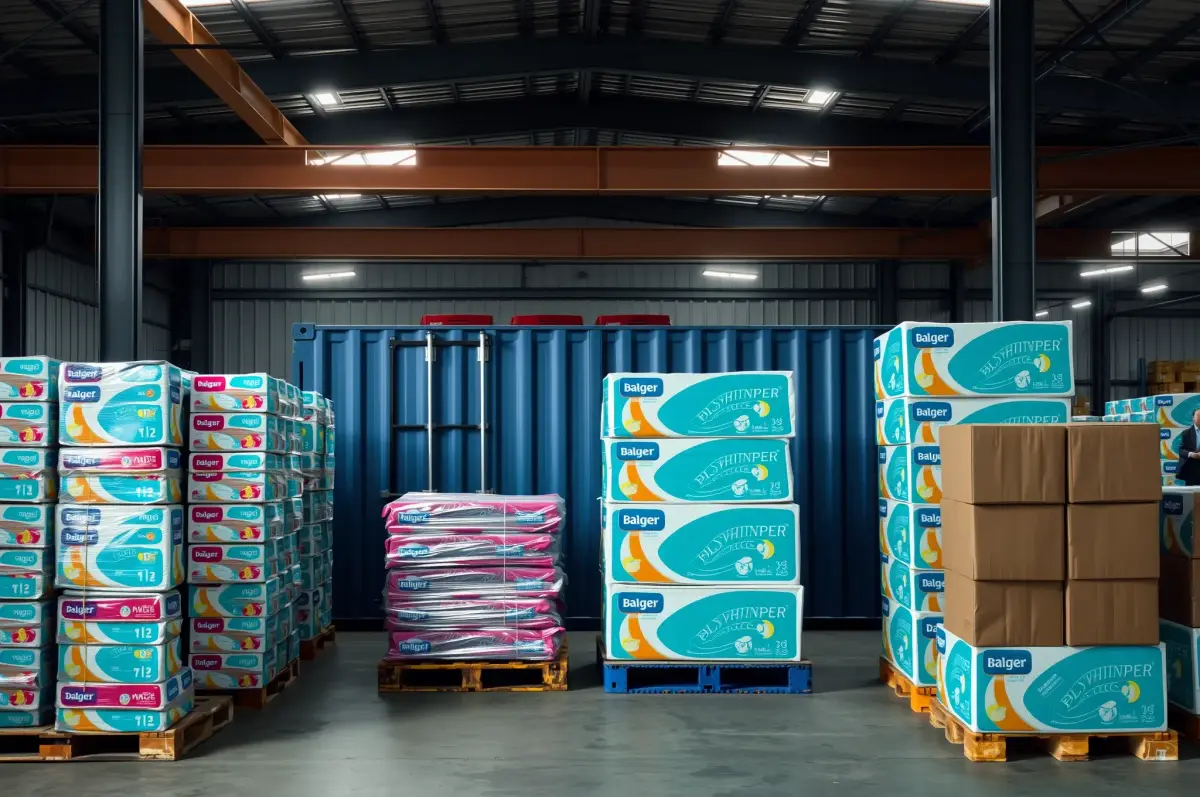
Cheaper baby diapers leak mainly because they use less superabsorbent polymer (SAP), lower-quality fluff pulp and weaker leg elastics; a baby diaper distributor should not chase the lowest FOB if it raises returns, shelf complaints and retailer churn.
- Leaks usually trace to low SAP content, cheap fluff pulp and weak leg/waist elastics.
- Compare samples on cost per wet change, not only price per pack.
- A small FOB saving is erased by returns, complaints and lost retailer trust.
- Ask for test reports and Dermatest or OEKO-TEX references before stocking an unknown brand.
- Request sample boxes and quality references at the partner program.
What actually causes a diaper to leak?
The core is absorption. A baby diaper distributor should know that a diaper needs enough SAP to lock wetness away from the skin, fluff pulp to distribute it, and elastic leg cuffs and waistbands to stop side leakage. Cheap diapers cut these inputs: thinner SAP layers saturate fast, weak elastics gap as the baby moves, and the cover lets wetness wick back. This is why a baby diaper distributor should test a sample overnight, not just read the spec sheet.
How does cheaper input show up on shelf?
On shelf, a baby diaper distributor sees it as complaints about leaks and wet clothes, a faster complaint rate, and retailers who quietly drop the SKU after one cycle. Distributors sometimes win a deal on a 10–15% lower FOB, then lose the account to returns. Quality problems are invisible on a price list but very visible on a mother's changing mat. See the certificate comparison for what proof to ask for.
How do I compare samples fairly?
A baby diaper distributor should test the same size across brands on four points: absorption time, dry-back after 10 minutes, fit on a standard demo, and leakage under movement. Then calculate cost per wet change: pack price divided by the number of changes a parent expects. The cheapest pack often costs more per actual dry change. This is the same logic retail buyers use when they compare premium versus value tiers.
Is a cheaper FOB ever the right choice?
Yes, for a clearly positioned value line sold where price dominates and expectations are low. But even then, set a quality floor: no known leakage failures, basic test reports, and consistent sizing. Do not mix a value SKU into a premium shelf, or it drags down the whole range. Reference the ISO 9001 quality management standard when asking how a factory controls consistency.
How do I protect my reputation as a distributor?
Keep a mid-price, quality-checked range and a clear value SKU, and never stock an unknown cheapest brand without a sample test and reports. Retailers trust distributors who solve problems, not who pass on leaky stock. Document every sample test so you can defend a pack to a buyer. Request tested sample boxes at the partner program. The supplier checklist walks through the full vetting.
Frequently asked questions
Why do cheap diapers leak?
Usually from too little superabsorbent polymer, lower-grade fluff pulp and weaker leg elastics that cannot hold overnight wetness.
Is the cheapest FOB always the best deal?
No. A slightly higher FOB with fewer returns and complaints often beats the lowest price once you count reputation churn.
How do I compare diaper samples fairly?
Test the same size on absorption, dry-back, fit and leakage, then work out the cost per wet change, not just the price per pack.
Bottom line: Cheap diapers leak from cut absorbent and elastic inputs; test samples on cost per wet change, keep a quality floor, and protect your shelf reputation over a small FOB saving.
Sources and further reading
Commercial figures are indicative planning ranges and subject to a formal quotation; statutory rates must be confirmed with a licensed customs broker.
Frequently Asked Questions
Why do cheap diapers leak?
Usually from too little superabsorbent polymer, lower-grade fluff pulp and weaker leg elastics that cannot hold overnight wetness.
Is the cheapest FOB always the best deal?
No. A slightly higher FOB with fewer returns and complaints often beats the lowest price once you count reputation churn.
How do I compare diaper samples fairly?
Test the same size on absorption, dry-back, fit and leakage, then work out the cost per wet change, not just the price per pack.
What should I ask a supplier for quality proof?
Ask for recent test reports, Dermatest or OEKO-TEX references where relevant, and a paid sample box you can test yourself.