
2026-10-24 · Moni Happy
How do I choose pull-up pants sizes and MOQ for wholesale?
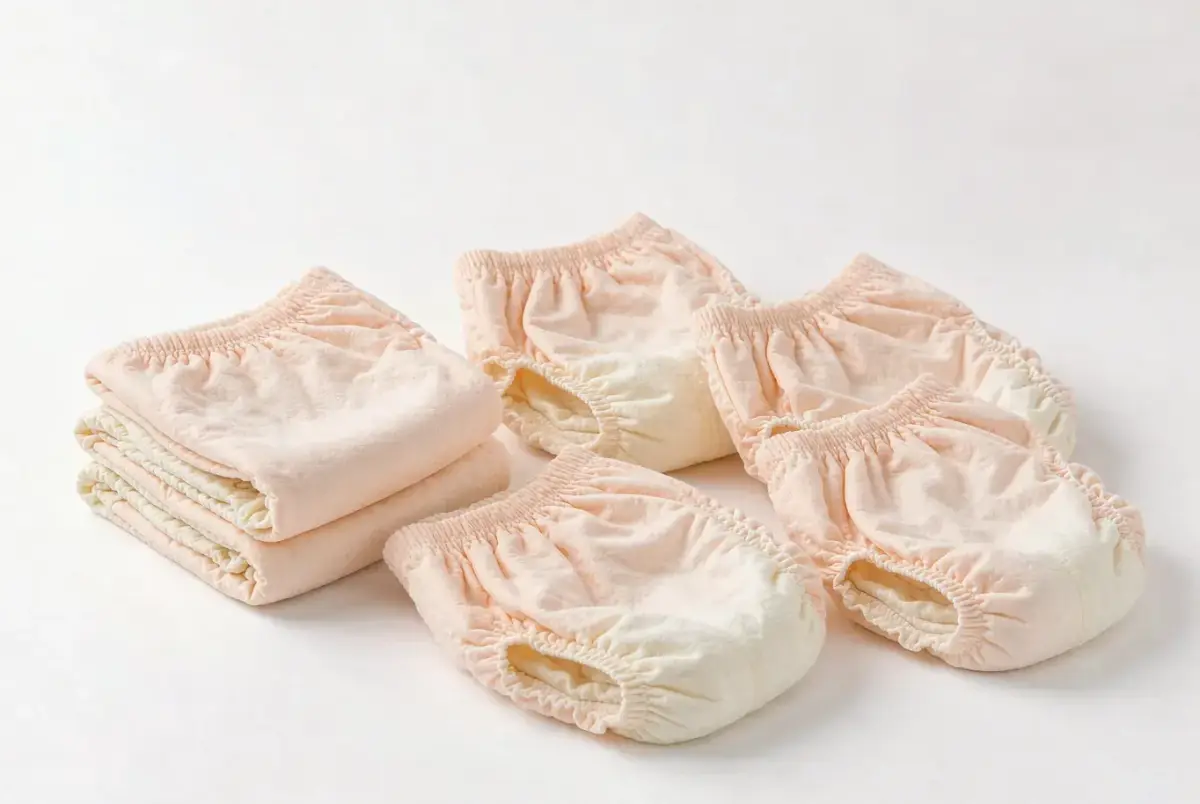
Why do pull-up pants need a different size mix than tape diapers?
For any pull-up pants wholesale program, the size mix must differ from tape diapers: demand concentrates in the larger sizes (L, XL, XXL) rather than the newborn and S sizes that dominate tape-diaper sales.
A distributor who copies a tape-diaper mix onto a pull-up pants size ratio will overstock small sizes and run out of the sizes that actually sell. The 360° stretchy waistband also means pants are bought later in a child's life, when mothers shop more deliberately.
Right-sizing the mix is the single biggest lever on pull-up pants sell-through.
What size ratio should I stock for pull-up pants wholesale?
A practical starting ratio for most Southeast Asian markets is roughly M 20%, L 35%, XL 30% and XXL 15%, with the precise split tuned to local toddler weight distribution.
This skews toward L and XL because training pants are adopted from about 12 months onward, when children have outgrown the smallest pant sizes. Distributors in markets with larger average birth weights can shift another 5–10% into XL and XXL.
Keep the ratio as a planning assumption and rebalance after the first two reorder cycles.
What is the minimum order quantity for pull-up pants?
The pull-up pants MOQ for wholesale typically starts around 150,000 pieces across the size run for a first order, which fills roughly three-quarters of a 20GP container depending on pack configuration.
Because pants are bulkier per piece than tape diapers, the pieces-per-container figure is lower, so the MOQ is often expressed as a full or near-full container rather than a tiny trial batch. Smaller trial quantities may be possible for qualified distributors and are subject to formal quotation.
Confirm the exact MOQ and pack count with the brand before committing warehouse space.
How many pieces fit in a 20GP container of pull-up pants?
A 20GP container of pull-up pants holds fewer pieces than tape diapers — typically in the region of 40,000–46,000 pieces depending on pack size and the size ratio, because pants have more air in each unit.
This lower density means the per-piece freight component of landed cost is slightly higher than for tape diapers, a fact worth building into your pricing model. Always confirm the exact count from the supplier's palletisation plan.
The count is a planning number and varies with pack SKU.
Do pull-up pants carry the same margin as tape diapers?
Pull-up pants usually support a distributor profit margin in the same 15–25% gross band as tape diapers, and sometimes a touch higher because parents treat them as a premium, convenience purchase.
The offset is the slightly higher landed cost per piece from lower container density. Net, a well-mixed pants program can match or beat tape-diaper margin if the size ratio is right and stock turns quickly.
Margin is won on mix and turnover, not on the headline FOB.
How should a first-time distributor组合 the starter pack?
Build the starter pack around the L and XL sizes that sell fastest, add a modest M and XXL tail, and keep total volume near a full 20GP to capture the better price break.
Pair the pants order with a small tape-diaper line so retailers can buy both from one supplier, and reserve about 10–15% of working capital for the second reorder rather than maxing the first container.
A balanced starter pack reduces dead stock and speeds the path to a confident reorder.
Frequently asked questions
- What size ratio works best for pull-up pants?
Roughly M 20%, L 35%, XL 30%, XXL 15% for most regional markets, skewed to L and XL because training pants are adopted from around 12 months; rebalance after the first reorders. - What is the typical MOQ for pull-up pants?
Often around 150,000 pieces across the size run for a first order, near a full 20GP; exact MOQ and trial quantities are subject to a formal quotation. - How many pants fit in a 20GP?
Typically 40,000–46,000 pieces depending on pack size and ratio, fewer than tape diapers because pants are bulkier per unit; confirm from the palletisation plan. - Is the margin better than tape diapers?
Usually in the same 15–25% gross band, sometimes slightly higher, offset by a marginally higher landed cost per piece; mix and turnover decide the net result.
Sources and further reading
- Statista — Diaper & baby care market data
- Euromonitor — Baby care in Southeast Asia
- SGS — Product compliance testing
Get pricing & free samples, or start your distributor application with Moni Happy.
Read the complete onboarding guide for becoming a baby product distributor.
See the Moni Happy diaper pants range and request a wholesale size-ratio sheet.
Frequently Asked Questions
What size ratio works best for pull-up pants?
Roughly M 20%, L 35%, XL 30%, XXL 15% for most regional markets, skewed to L and XL because training pants are adopted from around 12 months; rebalance after the first reorders.
What is the typical MOQ for pull-up pants?
Often around 150,000 pieces across the size run for a first order, near a full 20GP; exact MOQ and trial quantities are subject to a formal quotation.
How many pants fit in a 20GP?
Typically 40,000–46,000 pieces depending on pack size and ratio, fewer than tape diapers because pants are bulkier per unit; confirm from the palletisation plan.
Is the margin better than tape diapers?
Usually in the same 15–25% gross band, sometimes slightly higher, offset by a marginally higher landed cost per piece; mix and turnover decide the net result.
Distributor resources
If you are evaluating suppliers for your market, these are the pages that answer the commercial questions — in the order buyers usually need them.