
2026-10-23 · Moni Happy
What does it take to list baby products in Thai supermarkets as a distributor?
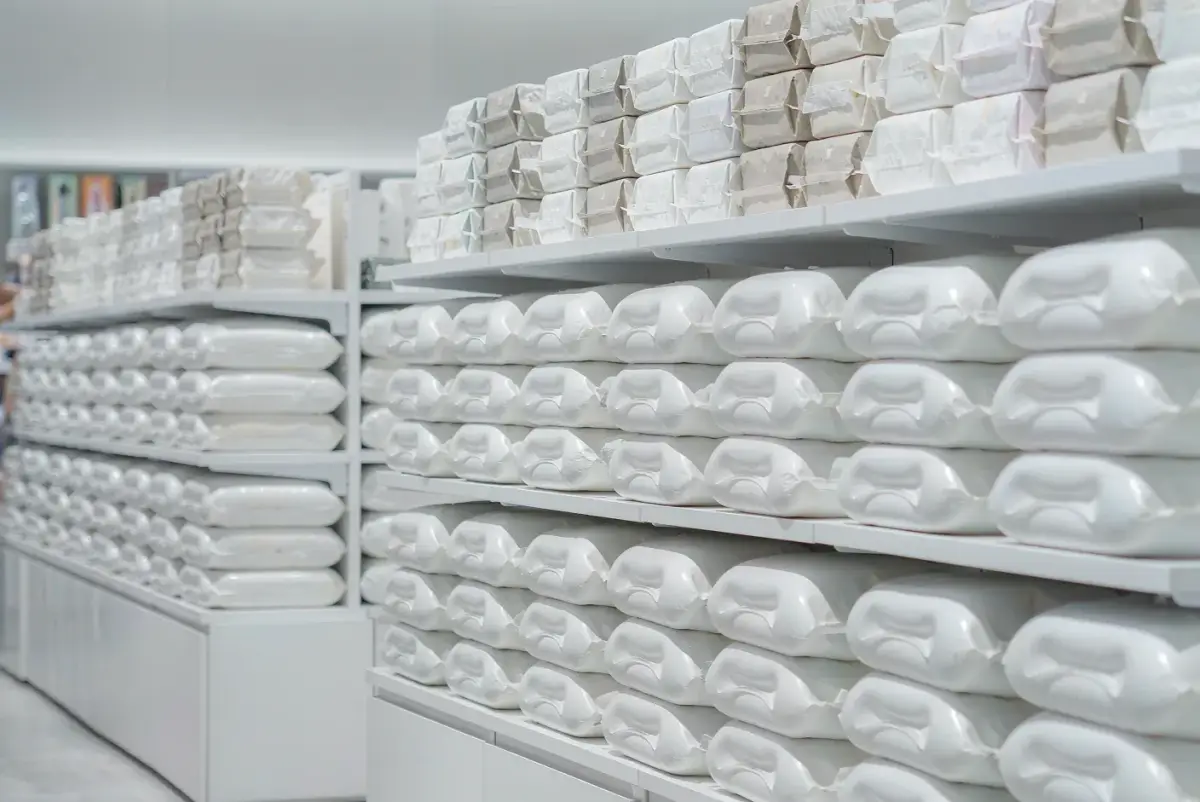
Listing Thai supermarket baby products takes a slotting fee, Thai-language labelling, and an 8–12 week lead time from submission to shelf. Buyers weigh margin, local appeal and supply reliability. This checklist helps a Thailand distributor walk into the buyer meeting prepared, with the terms, documents and planogram the chain actually asks for.
What documents does a Thai supermarket buyer need?
Buyers ask for Thai-language labels, product liability insurance, factory certifications (ISO 13485 and Dermatest where relevant), and a clear planogram. A baby product listing in Thailand also needs a registered importer and a stable delivery schedule. Prepare a one-page ranging proposal so the buyer can read margin and SKU count at a glance before the meeting starts.
How much is the slotting fee?
Most Thai modern-trade buyers charge a slotting fee or listing fee; the amount is negotiated and varies by chain and by shelf position. Treat it as a market-entry cost, not a one-off, and model it into your first-order maths. Ask for a commitment on review cadence so the fee is tied to a listing target rather than paid blind.
How long is the lead time to shelf?
From a signed termsheet to on-shelf, plan 8–12 weeks. That window covers label artwork, QA sampling, warehouse onboarding and the promotional calendar. Start the baby product listing in Thailand at least one quarter before the season you want to hit, so label changes and sampling do not slip past your launch window.
What margin do Thai supermarkets expect?
Buyers typically expect a distributor margin within the 15–25% band plus promotional funding. The brand's advised retail and your freight-to-Thailand cost set the realistic number, so request a formal quotation before you commit to a fee. A thin margin plus a high slotting fee is the classic first-order trap for a new Thailand distributor.
Which SKUs should I propose first?
Lead with the highest-velocity line, tape diapers and pull-up pants, then add wipes and cotton towels to widen the baby-care block. A tight, fast-turning planogram beats a long tail that ages on shelf. The channel playbook is in our Southeast Asia distribution guide, which maps entry terms across modern trade, pharmacy and e-commerce.
How do I protect the listing after launch?
Protect the listing with steady supply, POS and a co-invested promotion in the first 90 days. Use the brand's training support so store staff can speak to the product. Most failed listings in Thai supermarkets trace to stockouts or no follow-up, not to the entry terms, so treat replenishment as part of the launch plan.
How do I negotiate a better entry?
Negotiate from data: show sell-through projections, a proposed planogram and a 12-month promotion calendar. A Thailand distributor who brings a credible velocity model earns better shelf position and a lower effective slotting fee. Then confirm the final terms on our partner page before signing.
How do I manage returns and stock rotation?
Agree a returns policy in the termsheet before the first delivery, covering damaged stock and slow movers. Rotate shelf stock on a first-in-first-out basis and review sell-through monthly with the buyer. A clear returns clause protects your margin and keeps the relationship steady when a promotion underperforms in a competitive Thai supermarket set.
Frequently asked questions
How long does supermarket listing take in Thailand?
Plan 8–12 weeks from buyer submission to shelf for labelling, QA and planogram setup.
Is there a slotting fee?
Most Thai buyers charge a listing or slotting fee; the amount is negotiated in the termsheet.
Do labels need to be in Thai?
Yes, Thai-language labelling and local liability cover are required for modern trade.
What margin do supermarkets expect?
Buyers expect a distributor margin in the 15–25% band plus promotional support, confirmed by formal quotation.
Territory and support for this market are handled through the Moni Happy Thailand distributor programme.
Sources and further reading
- Thailand FDAC / Food and Drug Administration — cosmetic and hygiene product labelling rules (2025).
- Euromonitor International — Thailand retail and modern-trade structure (2024).
- ASEAN Tariff Finder — import terms for hygiene articles into Thailand (2025).
Bottom line: A Thai supermarket listing needs Thai labels, a slotting fee and an 8–12 week lead time; protect it with steady supply and POS. Start the conversation and request a formal quote on our partner page, and review onboarding in our distributor guide.
Frequently Asked Questions
How long does supermarket listing take in Thailand?
Plan 8–12 weeks from buyer submission to shelf, covering labelling, QA and planogram setup.
Is there a slotting fee?
Most Thai modern-trade buyers charge a listing or slotting fee; the amount is negotiated and confirmed in the termsheet.
Do labels need to be in Thai?
Yes, Thai-language labelling and local product liability cover are required for modern trade.
What margin do supermarkets expect?
Buyers typically expect a distributor margin within the 15–25% band plus promotional support; confirm by formal quotation.
Distributor resources
If you are evaluating suppliers for your market, these are the pages that answer the commercial questions — in the order buyers usually need them.
