
2026-10-17 · Moni Happy
What Should I Check During a Baby Diaper Factory Audit?
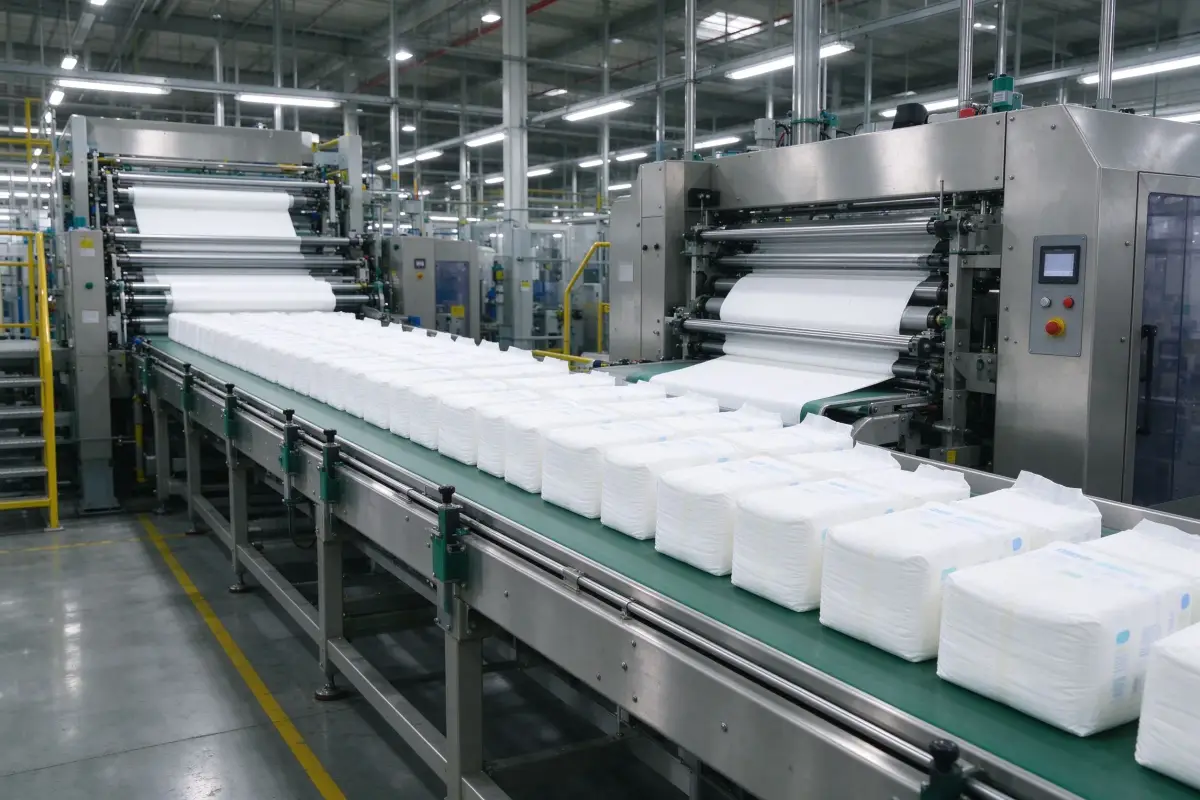
A factory audit is the most reliable way to verify a diaper supplier's capacity, quality and compliance before you commit a container. A thorough factory audit covers production lines, in-line quality control, raw material sourcing, hygiene standards, certifications and social compliance. Plan one day on-site, bring a checklist, and collect physical samples.
- Check monthly output: a mid-size diaper line makes 3-8 million pieces per month.
- Verify in-line QC: raw material inspection, weight, absorbency and leakage tests.
- Confirm certifications: ISO 9001, Dermatest, SGS, OEKO-TEX where applicable.
- Hygiene: cleanroom entry, staff PPE, pest control, water treatment.
- Book a factory visit and audit checklist before ordering.
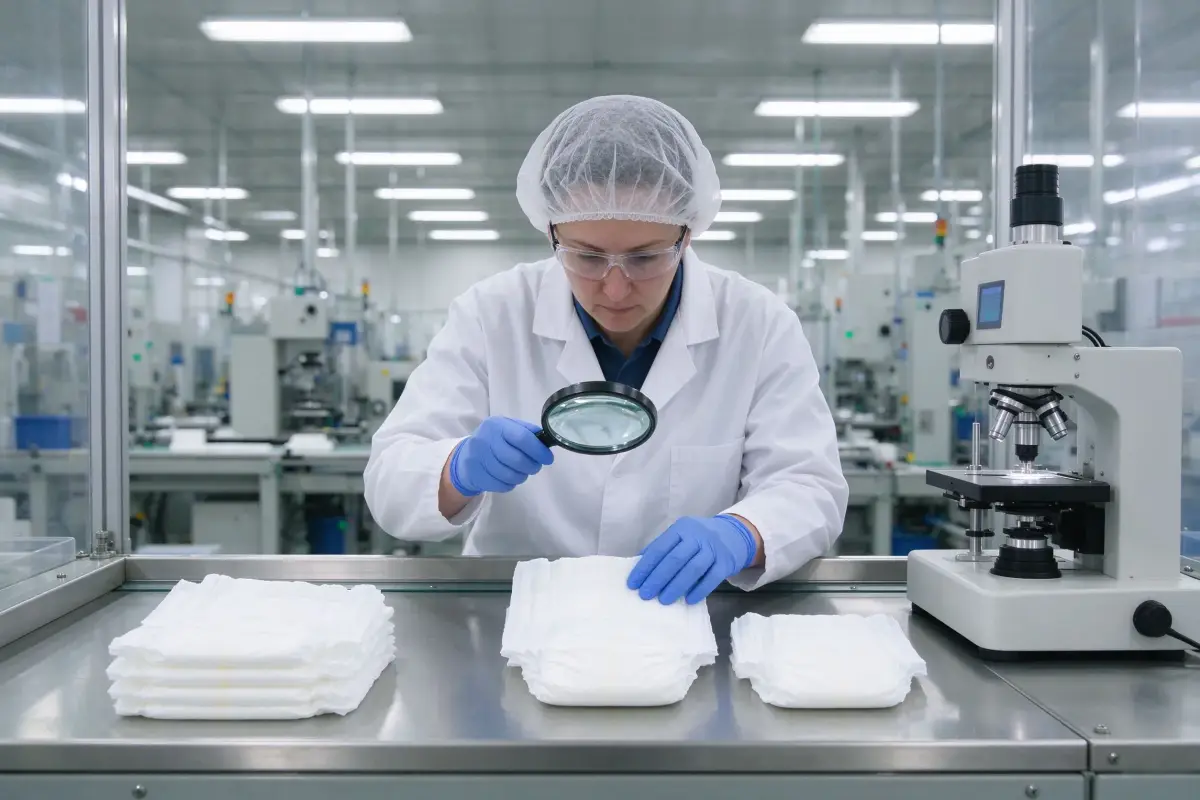
A supplier's brochure and test reports tell you what the factory wants you to see. A factory audit tells you what is actually happening on the line. For a distributor committing tens of thousands of dollars to a first container, the cost of a one-day audit is far smaller than the cost of a defective shipment.
What production capacity should I check?
Count the running diaper lines and ask the output per shift and per month. A single modern diaper line typically produces 3-8 million pieces per month, depending on speed and size. Confirm that the factory has spare capacity for your order without delaying existing customers. Also check the packaging line and whether wipes, tissue and towels are produced in-house or outsourced.
How do I verify quality control during a factory audit?
Ask to see the raw material incoming inspection log, the in-line QC checkpoints, and the finished product testing area. Look for absorbency tests, leakage tests, weight checks and dimension records. A credible factory keeps batch records tied to each production run. Collect finished samples in sealed bags and compare them with the samples you received earlier.
Which certifications matter in a factory audit?
ISO 9001 confirms a quality management system; Dermatest or equivalent skin-compatibility reports matter for diaper contact; SGS or third-party inspection reports verify product safety; OEKO-TEX applies to textile components. Ask for the original certificates, not just copies, and check the expiry dates. Certifications are the entry ticket for pharmacy and supermarket channels.
What hygiene and compliance checks should I do?
Check the cleanroom entry procedure, staff uniforms, hairnets and gloves, pest control records, and water treatment for the pulp and nonwoven lines. Social compliance includes working hours, wage records and fire safety. Even if you do not need a full SMETA or BSCI audit, these checks reveal whether the factory is well managed.
What should I do after the factory audit?
Write a short audit report with photos, sample references and any corrective action requests. Share the findings with the supplier and agree on deadlines for fixes. Do not place a container until the critical issues are resolved. Read the wholesale price and MOQ guide and then confirm pricing at https://moni-happy.com/partner/.
Frequently asked questions
How long does a factory audit take?
One full day on site is typical for a diaper factory, plus a follow-up report.
What is a good monthly output per diaper line?
A modern line produces 3-8 million pieces per month, depending on speed and size mix.
Which certifications are most important?
ISO 9001 for quality systems, Dermatest for skin compatibility, and SGS for product safety.
Can I audit without visiting in person?
You can hire a third-party inspection company, but an in-person visit reveals more about culture and hygiene.
Bottom line: A factory audit verifies capacity, quality control, certifications and hygiene before you commit a container. Check line output, in-line QC records, original certificates and cleanroom procedures, then collect samples and write a report with corrective actions. Book a factory visit and request the audit checklist through the partner program.
Sources and further reading
Commercial figures are indicative planning ranges and subject to a formal quotation; statutory rates must be confirmed with a licensed customs broker.
Frequently Asked Questions
How long does a factory audit take?
One full day on site is typical for a diaper factory, plus a follow-up report.
What is a good monthly output per diaper line?
A modern line produces 3-8 million pieces per month, depending on speed and size mix.
Which certifications are most important?
ISO 9001 for quality systems, Dermatest for skin compatibility, and SGS for product safety.
Can I audit without visiting in person?
You can hire a third-party inspection company, but an in-person visit reveals more about culture and hygiene.
Distributor resources
If you are evaluating suppliers for your market, these are the pages that answer the commercial questions — in the order buyers usually need them.