
2026-09-05 · Moni Happy Editorial Team
Affordable Premium Diapers Online in Southeast Asia 2026: Value Guide
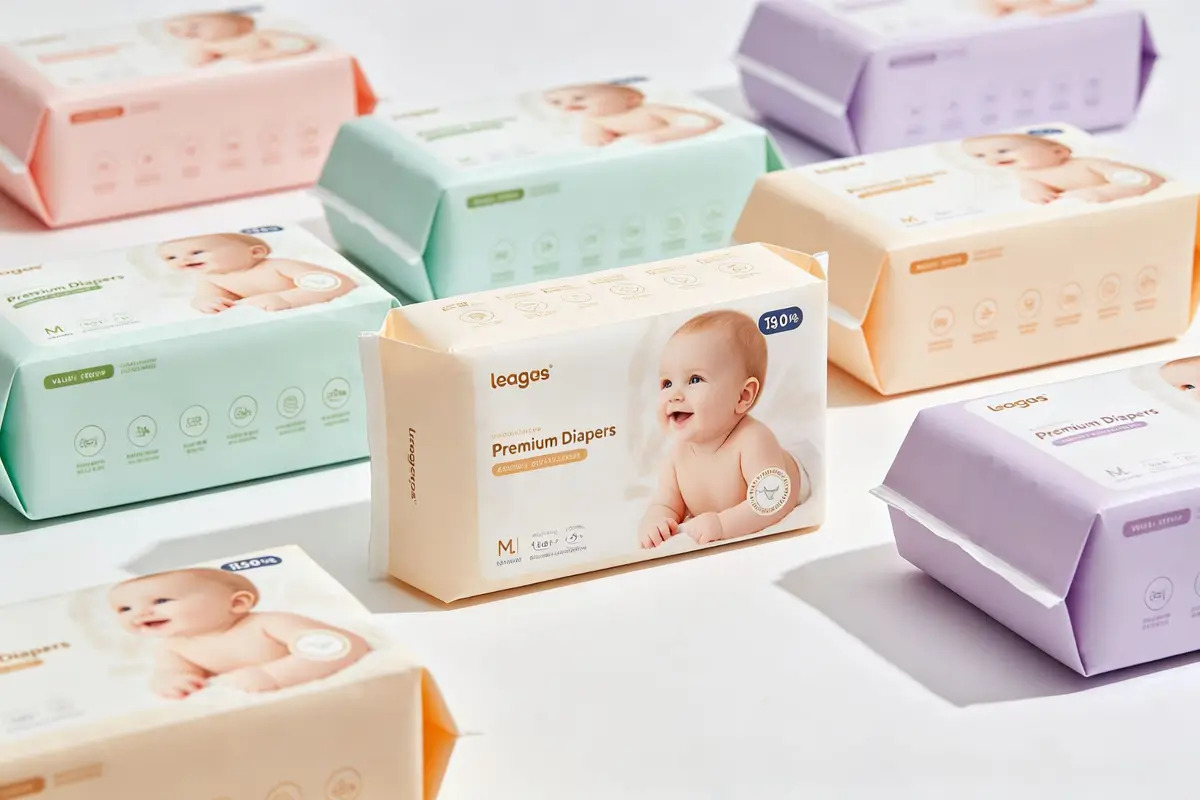
The "affordable premium" diaper segment—products that deliver premium quality, softness, and absorbency at prices significantly below imported luxury brands—is one of the fastest-growing categories in Southeast Asia's $4.2 billion diaper market. For parents seeking to buy affordable premium diapers online, the region now offers a wide range of options: regional brands manufacturing premium-quality diapers locally, international brands offering value-oriented premium lines, D2C brands disrupting traditional pricing, and e-commerce platforms making premium diapers more accessible through subscriptions and bulk deals. This analysis examines the affordable premium diaper segment, key players, pricing dynamics, where to find the best deals online, and what parents should consider.
Market Overview: The Rise of Affordable Premium Diapers
Southeast Asia's diaper market is traditionally segmented into three tiers: value/mass market (Drypers, PetPet, Fitti, local brands—$0.10-0.18/diaper), mid-range (Pampers Baby Dry, Huggies Dry—$0.15-0.25/diaper), and premium (Moony, Merries, Pampers Premium Care imported—$0.25-0.45/diaper). The "affordable premium" segment, positioned between mid-range and premium ($0.18-0.28/diaper), is growing at an estimated 15-20% annually—faster than any other segment. Several factors drive this growth:
1. Premiumization with budget consciousness. Southeast Asian parents increasingly want premium diaper features (softness, breathability, wetness indicators, leak protection, hypoallergenic materials) but remain price-sensitive, especially in markets like Indonesia, the Philippines, Vietnam, and Thailand where disposable incomes are lower than Singapore. Affordable premium brands bridge this gap by offering premium features at mid-range prices.
2. Regional manufacturing reducing costs. Many premium diaper brands now manufacture in Southeast Asia (Thailand, Indonesia, Malaysia, Vietnam) rather than importing from Japan or Europe. Regional manufacturing reduces costs significantly (lower labor, logistics, and import duties), allowing brands to offer premium quality at more affordable prices. Moony, Merries, and Pampers all have regional manufacturing facilities producing SEA-specific formulations.
3. D2C and e-commerce disruption. Direct-to-consumer brands and e-commerce-first brands eliminate traditional retail markups (distributor margins, retail margins, in-store marketing costs), allowing them to offer premium quality at lower prices. D2C brands typically sell 20-30% below comparable premium brands while maintaining similar quality.
4. Subscription and bulk purchasing. E-commerce platforms (Shopee, Lazada) and D2C brands offer subscription/auto-replenishment discounts (5-15%) and bulk/carton deals (10-20% off), making premium diapers more affordable for parents who buy in volume. Subscription also ensures parents never run out and locks in discounted prices.
5. Increased competition. The entry of new brands (both regional and international) into the premium segment has increased competition, putting downward pressure on prices. Brands are differentiating through features (eco-friendly materials, ultra-thin cores, custom fits) rather than just price, but overall price levels have declined as competition intensifies.
Key Players in the Affordable Premium Segment
1. Regional premium brands (best value). Several Southeast Asian brands offer premium-quality diapers at affordable prices by manufacturing regionally and selling primarily through e-commerce. These brands often match or exceed imported premium brands in softness, absorbency, and features, while costing 20-40% less. Examples include brands that have gained strong followings in Indonesia, Malaysia, Thailand, and the Philippines through mom community recommendations and influencer marketing. Many offer both tape and pants styles, with features like wetness indicators, ultra-soft surfaces, breathable back sheets, and hypoallergenic materials.
2. International brands with value premium lines. Major international brands offer "premium lite" or value-oriented premium lines that provide many premium features at more affordable prices: Pampers Premium Care (regional manufacturing, $0.22-0.30/diaper—more affordable than imported versions), Huggies Platinum (premium features at mid-range prices), Moony (SEA-manufactured versions, $0.20-0.28/diaper—significantly cheaper than Japan-domestic Moony), and Merries (SEA-manufactured versions, $0.20-0.28/diaper). These brands benefit from strong brand recognition while offering more accessible pricing through regional manufacturing.
3. D2C and e-commerce-first brands. Several D2C diaper brands have launched across Southeast Asia, selling directly to consumers through their websites and e-commerce platforms. These brands typically offer premium quality (often using Japanese or Korean materials and technology) at 20-30% below comparable premium brands, thanks to D2C economics. Many D2C brands emphasize eco-friendly materials (bamboo, biodegradable cores), custom sizing, or subscription models. While still a small segment, D2C brands are growing rapidly and forcing traditional brands to compete on price and features.
4. Private label and e-commerce exclusive brands. Some e-commerce platforms and large retailers offer private label or exclusive diaper brands that provide premium features at value prices. These brands benefit from the platform's marketing and logistics scale, allowing them to offer competitive prices. While quality can vary, some private label diapers offer surprisingly good quality at very affordable prices.
For parents seeking to buy affordable premium diapers online with authentic product guarantees and competitive pricing, platforms like Moni Happy offer a curated selection of premium and value-premium diaper brands, with distribution partnership opportunities for retailers and resellers across Southeast Asia.
Where to Find the Best Deals Online
1. Shopee and Lazada (largest selection, best promotions). Shopee and Lazada are the primary channels for buying affordable premium diapers online. Both platforms offer: official brand stores with authenticity guarantees, frequent promotions (11.11, 12.12, 9.9, 6.6, payday sales, brand day sales) with discounts of 20-40%, subscription/auto-replenishment with 5-15% ongoing discounts, carton/bulk deals with 10-20% savings, free shipping vouchers, cashback and rewards (Shopee Coins, Lazada Bonus), and a wide range of brands and sizes. To get the best deals: follow your preferred brand's official store for sale notifications, stack vouchers (platform vouchers + store vouchers + bank/card promotions), buy during major sales events, use subscription for ongoing discounts, and compare prices across platforms (prices and promotions vary between Shopee and Lazada).
2. TikTok Shop (emerging, live commerce deals). TikTok Shop is a fast-growing channel for baby products, with brands offering exclusive deals during live commerce sessions. Many diaper brands run TikTok Shop live streams with flash sales, bundle deals, and influencer discounts. Prices during live sessions can be 10-25% below regular e-commerce prices. Follow your preferred brands and mom influencers on TikTok for notifications of live sales.
3. D2C brand websites (best for subscription value). D2C brand websites often offer the best subscription value, with discounts of 15-25% for subscribers, plus free shipping, flexible scheduling, and easy cancellation. Some D2C brands offer first-time subscriber discounts of 20-30%. If you find a D2C brand you like, subscribing through their website is often the most cost-effective way to purchase.
4. Brand official websites and loyalty programs. Some diaper brands operate their own e-commerce websites with loyalty programs, exclusive member discounts, and points accumulation. If you're loyal to a particular brand, joining their loyalty program can provide additional savings and perks (free products, birthday discounts, early access to sales).
5. Group buying and community deals. In some Southeast Asian markets (especially Indonesia, the Philippines, and Thailand), parent communities (Facebook groups, WhatsApp/Telegram groups) organize group buys for diapers, leveraging bulk purchasing to get better prices from distributors or brands. While this requires coordination and trust, group buys can offer significant savings (15-30% below retail) on premium diapers.
What to Look for in an Affordable Premium Diaper
When evaluating affordable premium diapers, consider these factors to ensure you're getting good value (not just a low price): (1) Absorbency and leak protection — The most important functional factor. A cheap diaper that leaks frequently isn't a good value (you'll use more diapers, do more laundry, and deal with more diaper rash). Look for diapers with high-absorbency cores, leak guards (ruffles around legs), and good overnight performance. (2) Softness and comfort — Premium diapers should feel soft against your baby's skin. Rough or stiff diapers can cause irritation and discomfort. Check reviews for softness feedback. (3) Breathability — Breathable diapers allow air circulation, reducing diaper rash and keeping baby comfortable (especially important in Southeast Asia's hot, humid climate). Look for diapers with breathable back sheets. (4) Wetness indicator — A convenient feature that shows when the diaper is wet (a yellow line that turns blue). This helps you know when to change without unwrapping the diaper, especially useful for newborns and overnight. (5) Fit and sizing — A good fit prevents leaks and ensures comfort. Look for diapers with stretchable waistbands, adjustable tabs, and accurate sizing. Some brands run large or small—check size charts and reviews. (6) Hypoallergenic and fragrance-free — For babies with sensitive skin, look for diapers that are hypoallergenic, fragrance-free, and free from harmful chemicals (chlorine, latex, phthalates). Many affordable premium brands now offer these features. (7) Pant vs. tape style — Tape diapers are better for newborns and younger babies (easier to adjust, allow for umbilical cord cutout). Pant (pull-up) diapers are better for active babies and toddlers (easier to put on wiggly babies, good for potty training). Many brands offer both styles. (8) Eco-friendly options — If environmental impact is important, look for diapers with eco-friendly materials (bamboo, biodegradable cores, recyclable packaging). Some affordable premium brands now offer eco-friendly options at reasonable prices. (9) Reviews and recommendations — Check reviews from other parents in your country (on Shopee/Lazada, Facebook mom groups, TikTok) for real-world feedback on absorbency, leaks, softness, and value. A diaper that works well for one baby may not work for another (due to body shape, skin sensitivity, and usage patterns), so reviews from parents with similar babies are most helpful. (10) Trial packs — Many brands offer trial packs or small packs at low prices, allowing you to test a diaper before committing to a large pack or subscription. Take advantage of trial packs to find the best diaper for your baby without wasting money on large packs that don't work.
Future Outlook
The affordable premium diaper segment is expected to continue its rapid growth across Southeast Asia over the next 3-5 years. Key trends: (1) Further price compression — As regional manufacturing scales and competition intensifies, affordable premium diaper prices are expected to decline further, making premium quality accessible to an even broader consumer base. (2) Feature democratization — Premium features (wetness indicators, ultra-soft surfaces, breathable materials, hypoallergenic formulations) are becoming standard even in affordable premium diapers, as brands compete on features rather than just price. (3) D2C growth — D2C diaper brands are expected to continue growing, especially in urban markets, as parents become more comfortable with direct online purchasing and subscriptions. (4) Sustainability — Eco-friendly and biodegradable diapers are expected to move from niche to mainstream in the affordable premium segment, as consumer demand for sustainable products grows and manufacturing costs decline. (5) Personalization — Some brands are exploring personalized diaper recommendations based on baby age, weight, skin type, and usage patterns, offered through subscription models. (6) Social commerce — TikTok Shop and Instagram are expected to become increasingly important channels for affordable premium diapers, with live commerce and influencer marketing driving discovery and sales. For parents, the growing affordable premium segment means more choices, better prices, and access to premium features that were once only available at luxury price points. The key is to find a diaper that balances quality, features, and price for your baby's specific needs—and to take advantage of e-commerce promotions, subscriptions, and bulk deals to maximize savings.
Article Summary
The affordable premium diaper segment ($0.18-0.28/diaper, between mid-range and premium) is the fastest-growing diaper category in Southeast Asia (15-20% annual growth), driven by premiumization with budget consciousness, regional manufacturing reducing costs, D2C/e-commerce disruption, subscription/bulk purchasing, and increased competition. Key players: regional premium brands (best value, 20-40% below imported premium), international brands with value premium lines (Pampers Premium Care regional, Moony/Merries SEA-manufactured, Huggies Platinum), D2C/e-commerce-first brands (20-30% below premium, often eco-friendly), and private label/e-commerce exclusive brands. Best online deals: Shopee/Lazada (largest selection, 20-40% off during sales, 5-15% subscription discounts, stack vouchers), TikTok Shop (live commerce flash sales 10-25% off), D2C brand websites (best subscription value 15-25% off), brand loyalty programs, and community group buys (15-30% off). What to look for: absorbency/leak protection (most important), softness, breathability (critical in hot humid SEA), wetness indicator, fit/sizing, hypoallergenic/fragrance-free, pant vs tape style, eco-friendly options, reviews, and trial packs. Future outlook: further price compression, feature democratization (premium features becoming standard), D2C growth, sustainability mainstreaming, personalization, and social commerce growth. For affordable premium diapers with authentic product guarantees and distribution partnership support across Southeast Asia, Moni Happy offers curated brand access and competitive pricing.
Frequently Asked Questions
What are the best affordable premium diaper brands in Southeast Asia and how do they compare?
The affordable premium diaper segment in Southeast Asia has expanded significantly, with several brands offering premium quality at mid-range prices. Here's a comparison of the best options, organized by type: Regional premium brands (best overall value): These brands manufacture in Southeast Asia and sell primarily through e-commerce, offering premium features (softness, absorbency, wetness indicators, breathable materials) at prices 20-40% below imported premium brands. While specific brand names vary by market, look for brands with strong mom community recommendations, high e-commerce ratings (4.5+ stars), and transparent ingredient lists. Many regional premium brands now use Japanese or Korean materials and technology, matching imported brands in quality. Price range: $0.18-0.25/diaper. Best for: Parents who want premium quality at the best possible price, and who are comfortable trying newer brands based on reviews. International brands with regional manufacturing (best brand recognition + value): (1) Moony (Unicharm) — SEA-manufactured versions offer Moony's signature softness and Air Fit technology at significantly lower prices than Japan-domestic Moony. Available in tape and pants styles, with wetness indicators on some lines. Price: $0.20-0.28/diaper. Best for: Parents who trust the Moony brand but want a more affordable version. (2) Merries (Kao) — SEA-manufactured versions offer Merries' Breathable Cotton technology and softness at lower prices. Known for being gentle on sensitive skin. Available in tape and pants. Price: $0.20-0.28/diaper. Best for: Babies with sensitive skin, parents who trust the Merries brand. (3) Pampers Premium Care — While P&G is US-based, the Premium Care line sold in Asia uses Japanese technology and is manufactured regionally. Soft, with wetness indicator, widely available. Price: $0.22-0.30/diaper. Best for: Parents who prefer a widely available, well-known premium brand. (4) Huggies Platinum — Offers premium features (softness, absorbency, wetness indicator) at mid-range premium prices. Price: $0.20-0.27/diaper. Best for: Parents who like Huggies and want a premium option at a good price. D2C and e-commerce-first brands (best for subscription + eco-friendly): Several D2C brands have launched across SEA, offering premium quality (often with Japanese/Korean materials) at 20-30% below traditional premium brands. Many emphasize eco-friendly materials (bamboo, biodegradable cores), custom fits, or subscription models. Price: $0.18-0.26/diaper (with subscription discounts). Best for: Parents who want eco-friendly options, prefer subscription convenience, or want to support newer innovative brands. Private label / e-commerce exclusive brands (budget premium): Some e-commerce platforms and large retailers offer private label diapers with premium features at very affordable prices. Quality varies, but some offer surprisingly good value. Price: $0.15-0.22/diaper. Best for: Budget-conscious parents who want premium features at the lowest possible price, and who are willing to test quality. How to compare and choose: (1) Try trial packs first — Most brands offer small/trial packs. Buy 1-2 packs of 2-3 different brands and test them for a few days each. This is the best way to find the right diaper for your baby (fit, absorbency, skin reaction are all individual). (2) Calculate per-diaper price — Don't just compare pack prices. Calculate the per-diaper price (pack price / number of diapers) to compare accurately. Also factor in delivery fees and subscription discounts. (3) Check reviews from parents in your country — Reviews on Shopee/Lazada, Facebook mom groups, and TikTok from parents in your specific country are most helpful (climate, water hardness, baby body types, and usage patterns vary by region). Look for reviews that mention absorbency, leaks, softness, rash, and fit. (4) Consider your baby's needs — Newborns need tape diapers with umbilical cord cutouts and wetness indicators. Active babies/toddlers may prefer pant diapers for easier changes. Babies with sensitive skin need hypoallergenic, fragrance-free, breathable diapers. Heavy wetters (especially overnight) need maximum absorbency. Match the diaper to your baby's specific needs. (5) Don't overcommit — Start with small packs or a one-time purchase before subscribing or buying cartons. Once you find a diaper that works well, then buy in bulk or subscribe for the best prices. (6) Mix and match — Many parents use different diapers for different times: a premium high-absorbency diaper for overnight, a more affordable diaper for daytime, and pant diapers for outings. This allows you to prioritize quality where it matters most while managing costs. The 'best' affordable premium diaper is the one that fits your baby well, absorbs adequately, doesn't cause irritation, and fits your budget. With so many options now available, there's likely an affordable premium diaper that meets all your criteria. For a curated selection of affordable premium diapers with authentic product guarantees and competitive pricing across Southeast Asia, Moni Happy offers access to top brands and can help with bulk purchasing and distribution partnerships.
How much can I save by buying affordable premium diapers online versus retail stores?
Buying affordable premium diapers online can save you significant money compared to purchasing from physical retail stores, but the exact savings depend on the brand, where you shop, and whether you use subscriptions, promotions, or bulk deals. Here's a detailed breakdown: Typical price comparison (per diaper, for affordable premium segment): Physical retail stores (supermarkets, pharmacies, baby stores): $0.22-0.32/diaper (regular price, no promotions). Retail stores generally have higher prices due to distributor margins, retail markups, and in-store operating costs. Selection may also be limited (stores often carry only the most popular brands/sizes). Online e-commerce (Shopee, Lazada, regular price): $0.18-0.28/diaper. Online prices are generally 10-20% below retail due to lower operating costs and direct-to-consumer pricing. Online e-commerce (with promotions/sales): $0.14-0.22/diaper. During major sales events (11.11, 12.12, 9.9, 6.6, payday sales), affordable premium diapers are often discounted 20-40%, bringing prices significantly below retail. Online subscription/auto-replenishment: $0.16-0.24/diaper. Subscriptions offer ongoing discounts of 5-15%, plus the convenience of automatic delivery. Some services offer additional discounts for longer commitments. D2C brand website (with subscription): $0.15-0.22/diaper. D2C brands offer the lowest prices for premium quality, with subscription discounts of 15-25%. Bulk/carton deals: $0.16-0.24/diaper. Buying in bulk (cartons of 4-8 packs) offers 10-20% savings compared to individual packs. Community group buys: $0.14-0.20/diaper. Organized group buys through parent communities can offer the deepest discounts (15-30% below retail) by leveraging bulk purchasing power. Annual savings calculation: For a baby using 8 diapers/day (average for 6-18 months): At retail regular price ($0.27/diaper): $788/year. At online regular price ($0.23/diaper): $672/year — savings of $116/year (15%). At online sale price ($0.18/diaper): $526/year — savings of $262/year (33%) compared to retail. At D2C subscription price ($0.17/diaper): $496/year — savings of $292/year (37%) compared to retail. Over 2.5 years of diapering (average duration): Retail: $1,970. Online regular: $1,680 — savings of $290. Online sales: $1,315 — savings of $655. D2C subscription: $1,240 — savings of $730. These are significant savings—enough to buy other baby essentials (wipes, skincare, clothing, toys) or to put toward a child's education fund. Additional savings from online purchasing: (1) Free shipping — Most e-commerce platforms offer free shipping with minimum purchases (often $10-15, which is easily met with diaper purchases). This saves $2-5 per delivery compared to paying for delivery or traveling to a store (transport costs, time). (2) Cashback and rewards — Credit card cashback (1-5%), e-wallet rewards, Shopee Coins (1-2% cashback), and Lazada Bonus can add 2-8% in additional savings. (3) Voucher stacking — During sales, you can often stack multiple vouchers: platform voucher (10-20% off), store voucher (5-10% off), and bank/card promotion (5-10% off), for total discounts of 25-40%. (4) No impulse purchases — Shopping online reduces impulse purchases (you don't see candy, magazines, and other non-essentials at the checkout), saving you money on unintended purchases. (5) Price comparison — Online, you can easily compare prices across multiple sellers and platforms in minutes, ensuring you get the best price. In physical stores, comparing prices requires visiting multiple stores, which is time-consuming. Tips for maximizing savings: (1) Buy during major sales events — 11.11 and 12.12 offer the deepest discounts of the year. Stock up on diapers (in sizes your baby will use for the next 2-3 months) during these sales. (2) Use subscription/auto-replenishment — For diapers you use regularly, subscription offers ongoing discounts and convenience. You can adjust or cancel anytime. (3) Buy in bulk — Carton deals and large pack sizes offer lower per-diaper prices. Just be mindful of sizing (don't overstock a size your baby may outgrow soon). (4) Follow brands for exclusive deals — Follow your preferred brands on Shopee/Lazada/TikTok for notifications of flash sales, brand day promotions, and exclusive follower discounts. (5) Use cashback credit cards and e-wallets — Choose payment methods that offer cashback or rewards for online purchases. (6) Consider D2C brands — If you find a D2C brand you like, their subscription prices are often the lowest available for premium quality. Potential downsides of online purchasing (and how to mitigate): (1) Delivery delays — In some areas, delivery may take 2-7 days. Mitigation: Order before you run out (keep a 1-2 week emergency stash), choose sellers with fast shipping, and use subscription for predictable delivery. (2) Counterfeit risk — Third-party sellers may sell counterfeit products. Mitigation: Buy from official brand stores or authorized sellers, check seller ratings/reviews, and verify product authenticity upon delivery. (3) Sizing issues — If you buy the wrong size, returning can be a hassle. Mitigation: Check size charts carefully, buy small packs first to test fit, and choose sellers with easy return policies. (4) Minimum purchase for free shipping — Some sellers require minimum purchases for free shipping. Mitigation: Combine diaper purchases with other essentials (wipes, skincare) to meet minimums, or choose sellers with low/no minimums. The bottom line: Buying affordable premium diapers online can save you 15-37% compared to physical retail stores, translating to $116-292 in annual savings (or $290-730 over the full diapering period). With smart shopping (sales, subscriptions, bulk buying, voucher stacking), you can maximize these savings while still providing premium-quality diapers for your baby. For competitive online pricing on affordable premium diapers with authentic product guarantees and reliable delivery across Southeast Asia, Moni Happy offers curated brand access and distribution partnership support.
Are affordable premium diapers as good as expensive imported brands like Moony and Merries?
The short answer: Many affordable premium diapers match or even exceed expensive imported brands in key performance areas, though there are differences in materials, brand cachet, and specific features. Here's a detailed comparison: What affordable premium diapers often match or exceed: (1) Absorbency — Many affordable premium brands use high-quality SAP (superabsorbent polymer) cores (often sourced from Japanese or Korean suppliers) that match or exceed imported brands in absorbency. Some regional brands even offer higher absorbency than imported brands, especially for overnight use. Absorbency is largely a function of SAP quality and quantity, and many affordable brands use the same or similar materials as premium brands. (2) Softness — Affordable premium brands increasingly use ultra-soft top sheet materials (often the same non-woven fabrics used by premium brands), matching the softness of Moony and Merries. Some parents even find certain regional brands softer than imported brands. Softness is one of the areas where affordable premium brands have improved the most in recent years. (3) Leak protection — With good fit and quality leak guards (leg ruffles), affordable premium diapers can match imported brands in leak protection. Leak protection is more dependent on proper fit and sizing than on brand price. A well-fitting affordable premium diaper will leak less than a poorly fitting expensive brand. (4) Breathability — Many affordable premium brands now use breathable back sheets (the same technology as premium brands), reducing diaper rash and keeping baby comfortable in hot climates. Breathability has become a standard feature even in mid-range diapers. (5) Wetness indicators — Once a premium-only feature, wetness indicators (yellow line that turns blue) are now available on many affordable premium diapers, including regional brands and D2C brands. (6) Hypoallergenic and fragrance-free — Many affordable premium brands now offer hypoallergenic, fragrance-free, chlorine-free, and latex-free diapers, matching the safety profile of premium brands. Some D2C brands even emphasize cleaner ingredients and eco-friendly materials more than traditional premium brands. Where expensive imported brands may still have an edge: (1) Consistency and quality control — Japanese brands like Moony and Merries have decades of experience and extremely rigorous quality control. While affordable brands generally offer good quality, there may be slightly more batch-to-batch variation in consistency (softness, absorbency, fit). This is a minor difference for most parents but may matter for babies with very sensitive skin. (2) Brand trust and heritage — Moony and Merries have built strong brand trust over decades, with millions of babies using their products. This brand heritage provides peace of mind for many parents, especially first-time parents who are less confident about trying newer brands. (3) Specific technologies — Some imported brands offer proprietary technologies (e.g., specific fit systems, custom absorbency zones, advanced wetness indicators) that may not be available on affordable brands. However, these differences are often incremental rather than transformative. (4) Packaging and presentation — Imported premium brands often have more premium packaging (nicer designs, resealable packaging, individual wrapping), which matters to some parents for gifting or aesthetics. (5) Resale and community acceptance — In some parent communities, imported premium brands are seen as the 'gold standard,' and using them may carry social cachet. This is subjective but real for some parents. Key consideration: Individual baby variation — The 'best' diaper depends far more on your baby's individual characteristics (body shape, skin sensitivity, urine output, activity level) than on brand price. A $0.20 regional diaper that fits your baby perfectly and doesn't cause rash is better than a $0.40 imported brand that leaks or causes irritation. Many parents find that affordable premium brands work perfectly for their babies, while others find that only specific imported brands work (often due to skin sensitivity or fit). How to determine if an affordable premium brand works for your baby: (1) Buy a trial/small pack — Start with a small pack (20-40 diapers) of the affordable brand and use it for 2-3 days. Monitor for: leaks (especially overnight), redness/irritation, fit (gapping at legs/waist), and baby's comfort. (2) Compare side-by-side — If you currently use an imported brand, try the affordable brand for a few days and compare. You may be surprised that the affordable brand performs similarly (or better) at half the price. (3) Check reviews from similar babies — Look for reviews from parents with babies of similar age, weight, and skin type. If many parents with sensitive-skin babies report good results with an affordable brand, it's more likely to work for your baby too. (4) Don't judge by one bad experience — If you try an affordable brand and have one leak or one instance of mild redness, don't immediately write it off. Check the fit (maybe you need a different size), ensure you're changing frequently enough, and try again. All brands have occasional issues. (5) Consider a mixed approach — You don't have to choose one brand for everything. Many parents use: affordable premium for daytime (frequent changes, less need for maximum absorbency), imported premium for overnight (maximum absorbency for 8-12 hours), and pant diapers (any brand) for outings and active babies. This mixed approach allows you to save money on daytime diapers while using premium for overnight when absorbency matters most. The bottom line: Affordable premium diapers have improved dramatically in recent years and now match expensive imported brands in most performance categories (absorbency, softness, leak protection, breathability, features). The main remaining advantages of imported brands are consistency, brand trust, and specific proprietary technologies—differences that matter to some parents but not others. For most babies, an affordable premium diaper from a reputable brand will work just as well as an expensive imported brand at half the cost. The best way to know is to try a small pack and see how it works for your baby. If it works, you can save hundreds of dollars over the diapering period without sacrificing quality. For a curated selection of affordable premium diapers that have been vetted for quality and authenticity, with reliable delivery across Southeast Asia, Moni Happy offers access to top regional and international brands and can help with bulk purchasing and distribution partnerships.
What are the best online strategies for getting the lowest prices on premium diapers in Southeast Asia?
Getting the lowest prices on premium diapers in Southeast Asia requires a combination of strategic timing, platform selection, voucher stacking, and purchasing format. Here are the most effective strategies, ranked by potential savings: 1. Buy during major e-commerce sales events (savings: 20-40%) — The biggest savings come from major sales events on Shopee and Lazada: 11.11 (November 11, the biggest sale of the year), 12.12 (December 12), 9.9 (September 9), 6.6 (June 6), 7.7 (July 7), 8.8 (August 8), payday sales (end of each month), brand day sales (specific brands have dedicated sale days), and holiday sales (Chinese New Year, Hari Raya, Christmas, Songkran). During these events, diaper brands typically offer 20-40% discounts, plus additional vouchers and free gifts. Strategy: Mark these dates on your calendar, follow your preferred brands' official stores for sale notifications, and stock up on diapers in sizes your baby will use for the next 2-3 months. Don't overstock newborn or small sizes (babies grow fast), but larger sizes (M, L, XL) can be stocked more aggressively since babies stay in these sizes longer. 2. Stack multiple vouchers (savings: additional 10-25% on top of sale prices) — During sales, you can often stack multiple discounts: Platform voucher (10-20% off, e.g., Shopee 11.11 voucher, Lazada Bonus), Store voucher (5-10% off, from the brand's official store), Bank/card promotion (5-10% off, for specific credit cards or e-wallets), Cashback (1-5% from Shopee Coins, Lazada Bonus, or credit card cashback), and Free shipping voucher (saves $2-5 per order). Total stacked discount can reach 30-50% off regular prices. Strategy: Before checking out, visit the platform's voucher page and the store's voucher page to collect all applicable vouchers. Use a credit card or e-wallet that offers additional cashback or promotions. Always check the 'vouchers' section at checkout to ensure all applicable vouchers are applied. 3. Use subscription/auto-replenishment (savings: 5-15% ongoing, plus convenience) — Shopee (Shopee Subscription/Auto-Replenishment) and Lazada (Lazada Subscription) offer subscription discounts of 5-15% on diapers, with flexible delivery intervals (weekly, bi-weekly, monthly) and easy cancellation. D2C brand websites offer even deeper subscription discounts (15-25%). Strategy: Once you find a diaper brand that works for your baby, set up a subscription for ongoing discounts. You can adjust delivery frequency, skip deliveries, or cancel anytime. Subscriptions are especially cost-effective for larger sizes (M, L, XL) that your baby will use for months. Calculate the per-diaper price with subscription discount to compare with sale prices—sometimes a subscription + a sale event offers the lowest possible price. 4. Buy in bulk/cartons (savings: 10-20%) — Buying cartons (4-8 packs) or large pack sizes (80-100+ diapers) offers lower per-diaper prices than individual small packs. Many brands offer carton deals with 10-20% discounts. Strategy: For sizes your baby will use for a while (M, L, XL), buy cartons or large packs. For newborn and small sizes (which your baby may outgrow quickly), buy smaller packs to avoid waste. Combine bulk buying with sale events and vouchers for maximum savings. 5. Compare prices across platforms and sellers (savings: 5-15%) — Diaper prices vary significantly across Shopee, Lazada, TikTok Shop, and D2C websites, and even across different sellers on the same platform. Strategy: Before buying, search for the specific diaper brand/size on multiple platforms and compare per-diaper prices (including delivery fees). Use price comparison tools or browser extensions if available. Don't assume one platform always has the lowest prices—check each time. Also compare official stores vs. authorized third-party sellers (third-party sellers may offer lower prices but verify authenticity). 6. Use D2C brand websites (savings: 15-30% for premium quality) — D2C diaper brands sell directly to consumers, eliminating retail markups. Their prices are often 15-30% below comparable premium brands, especially with subscription discounts. Strategy: Research D2C brands available in your country (search on Instagram, TikTok, or Facebook mom groups). Try a trial pack first, then subscribe if you like the product. D2C brands often offer first-time buyer discounts of 20-30%, which can be combined with subscription discounts for very low initial prices. 7. Follow brands and influencers for exclusive deals (savings: 10-25%) — Brands often offer exclusive discounts to their social media followers, email subscribers, and during influencer collaborations. Strategy: Follow your preferred diaper brands on Shopee/Lazada (click 'Follow' on official stores), Instagram, TikTok, and Facebook. Subscribe to their email newsletters for exclusive subscriber discounts. Watch mom influencers on TikTok/Instagram for discount codes and live commerce flash sales. 8. Use cashback credit cards and e-wallets (savings: 1-8%) — Many credit cards and e-wallets offer cashback or rewards for online shopping, e-commerce purchases, or specific merchant categories. Strategy: Use a credit card that offers cashback for online/e-commerce purchases (typically 1-5% cashback). Use e-wallets (GrabPay, GoPay, GCash, ShopeePay, Touch 'n Go) that offer rewards or cashback for e-commerce transactions. Link your credit card to your e-wallet for double rewards (credit card points + e-wallet cashback). 9. Join parent communities for group buys (savings: 15-30%) — In many Southeast Asian markets, parent communities organize bulk group buys for diapers, leveraging collective purchasing power to get distributor-level pricing. Strategy: Join local parent groups on Facebook, WhatsApp, or Telegram. Look for group buy announcements for diapers. Group buys require coordination and trust (you pay the organizer, who places the bulk order), but can offer the lowest available prices. Only participate in group buys organized by trusted community members with a track record. 10. Consider store brands/private labels (savings: 20-40%) — Some e-commerce platforms and large retailers offer private label diapers with premium features at very low prices. Strategy: If you're open to trying lesser-known brands, look for private label or e-commerce exclusive diapers. Check reviews carefully (quality varies), and start with a small trial pack. Some private label diapers offer surprisingly good quality at rock-bottom prices. Additional tips: (1) Keep an emergency stash — Always keep 1-2 weeks of diapers on hand so you're never forced to buy at full price because you ran out. This allows you to wait for sales and buy at the best prices. (2) Track price history — Use price tracking tools or browser extensions to monitor diaper prices over time, so you know when a sale price is genuinely a good deal (some 'sales' are just inflated regular prices). (3) Don't be brand-loyal to a fault — If your baby tolerates multiple brands, buy whichever premium brand has the best deal at any given time. Flexibility on brand can save you significant money. (4) Buy open-box or clearance (cautiously) — Some sellers offer discounted diapers with damaged packaging (the diapers inside are fine). These can offer 20-30% savings, but verify the diapers are unused and undamaged. The most effective overall strategy: Combine multiple strategies for maximum savings — e.g., buy during a major sale (20-40% off), stack vouchers (additional 10-25%), use a cashback credit card (1-5%), buy in bulk (10-20% per-diaper savings), and compare prices across platforms. This combined approach can reduce diaper costs by 40-60% compared to buying at regular retail price, saving you $300-700+ over the full diapering period. For competitive pricing on premium diapers with authentic product guarantees, bulk purchasing options, and distribution partnership support across Southeast Asia, Moni Happy offers curated brand access and can help you find the best value for your baby's diapering needs.