
2026-09-04 · Moni Happy Editorial Team
Baby Wipes Market Southeast Asia 2026: Organic, Biodegradable & Water-Based Trends
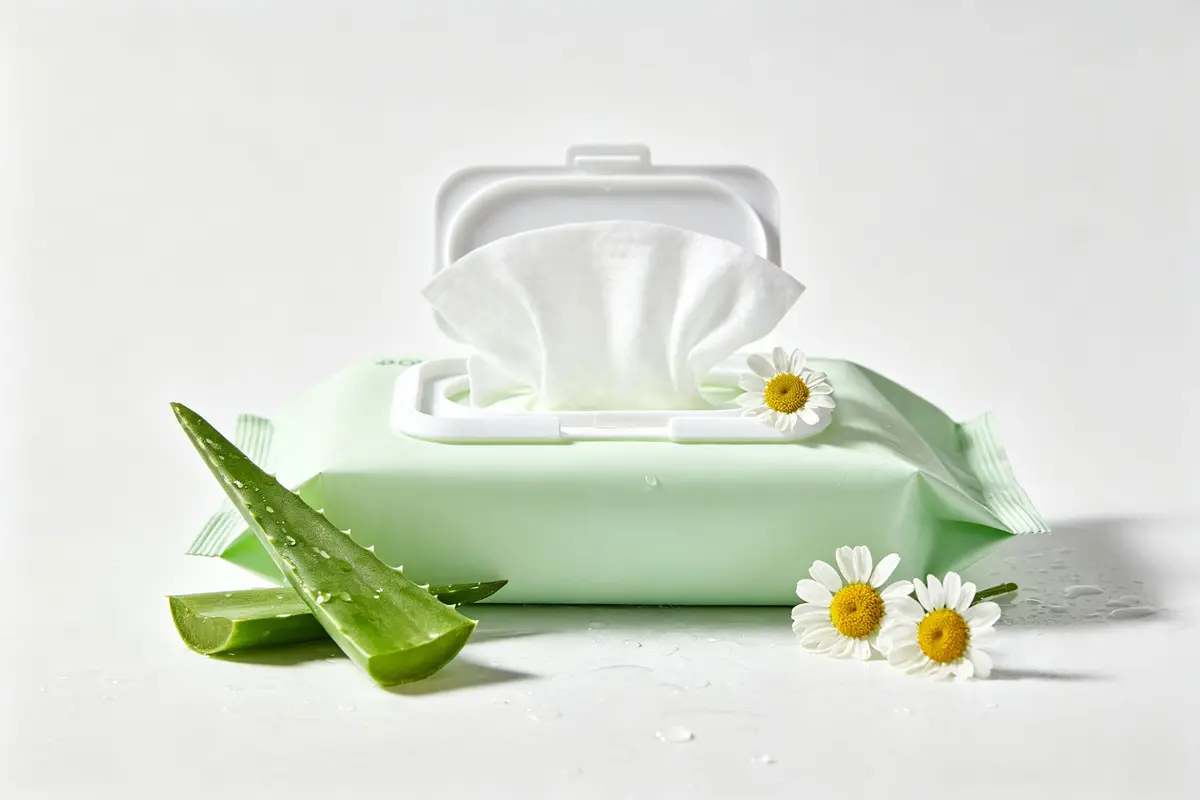
The Southeast Asian baby wipes market is undergoing a profound transformation as consumers across the region increasingly demand products that are not only effective and convenient but also safe, natural, and environmentally responsible. Long dominated by basic, fragrance-heavy, alcohol-containing products from multinational brands, the baby wipes category is now experiencing rapid premiumization, ingredient innovation, and sustainability-driven disruption. For brands, retailers, and investors seeking to understand where the market is heading—and for parents seeking to make informed purchasing decisions—this analysis provides a comprehensive overview of the Southeast Asian baby wipes market, its growth drivers, key trends, regulatory landscape, and future outlook.
Several structural factors underpin this robust growth. First, the region's high birth rates—particularly in the Philippines (18.2 per 1,000) and Indonesia (16.6 per 1,000)—ensure a steady supply of new consumers. Second, increasing female labor force participation across Southeast Asia has driven demand for convenient, time-saving childcare products, with baby wipes being a prime beneficiary. Third, rising middle-class incomes have increased consumers' willingness to pay for premium, safer, and more natural baby care products. Fourth, the post-pandemic period has permanently elevated hygiene consciousness, with parents using baby wipes more frequently for hand cleaning, surface sanitizing, and on-the-go hygiene. Fifth, the rapid growth of e-commerce and social commerce has made a wider range of baby wipe products—including niche, organic, and imported brands—accessible to consumers across the region, including in rural and suburban areas where retail selection was previously limited.
Trend 1: Organic and Natural Ingredients
The most significant trend reshaping the Southeast Asian baby wipes market is the shift toward organic and natural ingredients. Parents across the region are increasingly scrutinizing product labels and actively seeking baby wipes made with natural, plant-based ingredients rather than synthetic chemicals. This trend is driven by growing awareness of the potential health risks associated with certain synthetic ingredients—including parabens, phthalates, synthetic fragrances, and formaldehyde releasers—and by the influence of social media content that educates parents about baby product safety.
Key natural and organic ingredients gaining prominence in Southeast Asian baby wipes include:
- Aloe vera: Valued for its soothing, moisturizing, and anti-inflammatory properties, aloe vera is the most common natural ingredient in premium baby wipes. It is particularly beneficial for babies with sensitive skin or diaper rash.
- Chamomile: Known for its calming and anti-irritant properties, chamomile extract is often used in baby wipes designed for sensitive or eczema-prone skin. It has a long history of safe use in skincare and is well-recognized by consumers across Southeast Asia.
- Calendula: A natural anti-inflammatory and antimicrobial ingredient, calendula is increasingly used in premium baby wipes for its skin-healing properties. It is particularly popular in products targeting diaper rash and skin irritation.
- Vitamin E: A natural antioxidant and moisturizer, vitamin E is commonly added to baby wipes to nourish and protect baby's delicate skin. It is widely recognized and trusted by consumers.
- Green tea extract: Valued for its antioxidant and antimicrobial properties, green tea extract is a popular natural ingredient in Asian baby wipe formulations, reflecting the region's cultural familiarity with green tea's health benefits.
- Coconut oil/palm oil derivatives: Natural cleansing and moisturizing agents derived from coconut or sustainable palm oil are increasingly used as alternatives to synthetic surfactants in baby wipe formulations.
Organic baby wipes—those certified by organizations such as Ecocert, USDA Organic, or COSMOS—represent the fastest-growing premium segment, growing at approximately 15-20% annually.Public estimates for this market differ widely by source and by scope, so we do not quote a market size or a growth rate here. What we can speak to is the direction, and we would rather help you size one market from figures you can verify than publish a number we cannot source. For parents seeking to buy organic baby wipes with certified natural ingredients, the market now offers a growing range of options across e-commerce and premium retail channels.
Trend 2: 99% Water-Based and Hypoallergenic Formulations
A second major trend is the rise of "99% water" or "water-based" baby wipes, which use purified water as the primary ingredient with minimal additional additives. This trend was pioneered by brands like WaterWipes and has been rapidly adopted across Southeast Asia as parents seek the simplest, purest possible formulations for their babies' delicate skin. Water-based wipes typically contain 99-99.9% purified water, with a small amount of fruit extract (e.g., grapefruit seed extract) or natural preservative to maintain freshness.
The appeal of water-based wipes lies in their minimalism: with fewer ingredients, there is less risk of skin irritation, allergic reactions, or exposure to potentially harmful chemicals. This makes them particularly suitable for newborns, babies with sensitive skin or eczema, and parents who prefer a "less is more" approach to baby care. Water-based wipes are also often marketed as "pure," "gentle," and "safe for newborns," which resonates strongly with first-time parents who are particularly cautious about product safety.
Closely related to the water-based trend is the growing demand for hypoallergenic baby wipes—products formulated to minimize the risk of allergic reactions. Hypoallergenic wipes are free from common allergens including fragrances, alcohol, parabens, and harsh preservatives, and are often dermatologically tested. In Southeast Asia, where high humidity and heat can exacerbate skin sensitivity in babies, hypoallergenic wipes are particularly valued. Major brands increasingly offer hypoallergenic variants alongside their standard products, and many new market entrants position themselves exclusively as hypoallergenic and fragrance-free.
Trend 3: Biodegradable and Compostable Materials
Sustainability is the third major trend driving innovation in the Southeast Asian baby wipes market. As environmental awareness grows across the region—particularly among millennial and Gen Z parents—demand for biodegradable and compostable baby wipes is accelerating. Traditional baby wipes are typically made from non-woven fabric composed of polyester (plastic) fibers, which do not biodegrade and contribute to plastic pollution and sewer blockages (the notorious "fatbergs" caused by flushing wipes). This environmental impact has become a major concern for eco-conscious parents.
Several sustainable material innovations are addressing this concern:
- 100% plant-based fibers: Baby wipes made from 100% plant-based fibers (viscose/rayon from bamboo or eucalyptus, cotton, or lyocell) are fully biodegradable and compostable, unlike polyester-based wipes. These plant-based fibers are also naturally softer and more breathable than synthetic fibers. Bamboo-based wipes are particularly popular in Southeast Asia due to the region's abundant bamboo resources and bamboo's strong sustainability profile.
- Flushable wipes: While true flushability remains technically challenging (even "flushable" wipes can contribute to sewer blockages), some brands are developing wipes that disintegrate more readily in water. However, many environmental organizations caution against flushing any wipes, and the trend is shifting toward compostable rather than flushable products.
- Compostable packaging: Beyond the wipes themselves, brands are increasingly using compostable or recyclable packaging, including plastic-free flip-top lids, paper-based outer packaging, and biodegradable plastic alternatives (PLA, PHA).
- Refill systems: Some brands offer reusable wipe dispensers with refill packs, reducing plastic waste by up to 70% compared to single-use plastic tubs. This model is gaining traction in premium and eco-focused segments.
Biodegradable and compostable baby wipes currently represent approximately 3-5% of the Southeast Asian market but are growing at 20-25% annually, making them the fastest-growing sustainability segment. As production scales and costs decline, and as regulatory pressure on single-use plastics increases across the region (several Southeast Asian countries have implemented or are considering plastic bag bans and extended producer responsibility schemes), biodegradable wipes are expected to gain significant market share.
Regulatory Landscape and Safety Standards
The regulatory landscape for baby wipes in Southeast Asia varies by country but is generally trending toward stricter safety and labeling requirements. Key regulatory frameworks include:
- Indonesia (BPOM): Baby wipes are classified as cosmetics by Indonesia's National Agency of Drug and Food Control (BPOM) and require registration and pre-market approval. BPOM has specific guidelines for baby products, including restrictions on certain ingredients and requirements for safety testing. Indonesia also requires halal certification for many consumer products, and baby wipes containing animal-derived ingredients may require halal certification.
- Thailand (FDA): Thailand's Food and Drug Administration classifies baby wipes as cosmetics and requires product notification/registration. Thailand has specific regulations for baby and child products, including restrictions on fragrances and certain preservatives in products for children under 3.
- Philippines (FDA): The Philippine FDA regulates baby wipes as cosmetic products and requires product notification. The FDA has issued guidelines on prohibited and restricted ingredients in cosmetics, including baby products.
- Vietnam (DAV): Vietnam's Drug Administration of Vietnam (DAV) under the Ministry of Health regulates baby wipes as cosmetics and requires product declaration/registration. Vietnam has specific requirements for ingredient labeling and safety assessment.
- Malaysia (NPRA): Malaysia's National Pharmaceutical Regulatory Agency (NPRA) regulates baby wipes as cosmetics and requires product notification. Malaysia has specific guidelines for baby and child cosmetics.
- Singapore (HSA): Singapore's Health Sciences Authority (HSA) regulates baby wipes as cosmetics via a product notification system. Singapore has one of the most stringent regulatory frameworks in the region, with ASEAN Cosmetic Directive (ACD) compliance required.
Across the region, there is a growing trend toward harmonization under the ASEAN Cosmetic Directive (ACD), which establishes common safety standards, ingredient restrictions, and labeling requirements across ASEAN member states. For brands, this harmonization simplifies regional market entry but also raises the baseline for product safety and compliance. Third-party certifications—including Dermatest, hypoallergenic testing, organic certification (Ecocert, COSMOS), and FSC/PEFC for packaging—are increasingly valued by consumers as independent verification of product safety and quality.
Future Outlook and Strategic Implications
Looking ahead to 2028-2030, the Southeast Asian baby wipes market will continue to evolve along three key trajectories. First, premiumization will accelerate, with organic, water-based, and hypoallergenic segments growing at 2-3 times the overall market rate. Brands that can authentically communicate safety, natural ingredients, and clinical backing will capture disproportionate value. Second, sustainability will move from niche to mainstream, with biodegradable/compostable wipes and plastic-free packaging becoming expected rather than exceptional. Regulatory pressure on single-use plastics and growing consumer environmental consciousness will drive this transition. Third, e-commerce and social commerce will continue to reshape distribution, with TikTok Shop and live commerce becoming critical channels for baby wipe brand building and sales, particularly among first-time millennial and Gen Z parents who rely heavily on social media for product recommendations.
For brands entering or expanding in the Southeast Asian baby wipes market, success will require: a clear positioning in one or more premium segments (organic, water-based, hypoallergenic, biodegradable); rigorous regulatory compliance across all target markets; authentic ingredient storytelling backed by third-party certifications; a strong e-commerce and social commerce strategy with KOL/KOC partnerships; and a nuanced understanding of each national market's consumer preferences and competitive dynamics. For parents, the growing range of safe, natural, and sustainable baby wipe options represents a positive trend—though it also means more careful label reading and product evaluation to make informed choices. For premium baby wipe products that combine natural ingredients, hypoallergenic formulation, and sustainable materials, and for brands seeking distribution partnerships across Southeast Asia, platforms like Moni Happy offer curated product access and market entry support.Public estimates for this market differ widely by source and by scope, so we do not quote a market size or a growth rate here. What we can speak to is the direction, and we would rather help you size one market from figures you can verify than publish a number we cannot source. Indonesia is the largest market (32%), followed by the Philippines (20%), Thailand (16%), Vietnam (14%), Malaysia (12%), and Singapore (6%). Key growth drivers include high birth rates, rising female labor force participation, growing middle-class incomes, post-pandemic hygiene consciousness, and e-commerce expansion. Three major trends are reshaping the market: (1) Organic and natural ingredients — aloe vera, chamomile, calendula, vitamin E, green tea extract, with certified organic wipes growing at 15-20% annually; (2) 99% water-based and hypoallergenic formulations — minimal ingredient lists, fragrance-free, dermatologically tested, particularly suitable for newborns and sensitive skin; (3) Biodegradable and compostable materials — 100% plant-based fibers (bamboo, viscose, cotton), compostable packaging, refill systems, growing at 20-25% annually. The regulatory landscape varies by country (BPOM in Indonesia, FDA in Thailand/Philippines, DAV in Vietnam, NPRA in Malaysia, HSA in Singapore) but is harmonizing under the ASEAN Cosmetic Directive. Future outlook includes continued premiumization, sustainability mainstreaming, and e-commerce/social commerce disruption. For premium baby wipe products and distribution partnerships across Southeast Asia, Moni Happy offers product access and market entry support.
Frequently Asked Questions
What is the current size and growth rate of the Southeast Asian baby wipes market?
Public estimates for this market differ widely by source and by scope, so we do not quote a market size or a growth rate here. What we can speak to is the direction, and we would rather help you size one market from figures you can verify than publish a number we cannot source.2%. This growth rate significantly outpaces the global baby wipes market average of 5.4%, reflecting the region's favorable demographic and economic fundamentals. Indonesia is the largest market, accounting for approximately 32% of regional baby wipes consumption, followed by the Philippines (20%), Thailand (16%), Vietnam (14%), Malaysia (12%), and Singapore (6%). While Singapore is the smallest market by absolute volume, it has the highest per-capita consumption and the most mature premium, organic, and natural product segments. Key growth drivers include: high birth rates in the Philippines (18.2 per 1,000) and Indonesia (16.6 per 1,000) ensuring a steady supply of new consumers; increasing female labor force participation driving demand for convenient childcare products; rising middle-class incomes (projected to reach 350 million by 2030) increasing willingness to pay for premium and safer products; post-pandemic hygiene consciousness permanently elevating wipe usage frequency; and rapid e-commerce/social commerce growth making a wider range of products accessible to consumers across urban and rural areas. The premium segment (organic, water-based, hypoallergenic, biodegradable) is growing at 2-3 times the overall market rate, while the basic/standard segment is growing more slowly as consumers trade up. By 2028, premium products are expected to represent 25-30% of the total market, up from approximately 15-18% in 2024.
What are the most important natural ingredients in premium baby wipes and what benefits do they provide?
Premium baby wipes across Southeast Asia increasingly feature natural and organic ingredients that provide specific skincare benefits while minimizing exposure to synthetic chemicals. The most important natural ingredients include: (1) Aloe vera — The most common natural ingredient in premium baby wipes, valued for its soothing, moisturizing, and anti-inflammatory properties. Aloe vera helps calm irritated skin, reduce redness, and maintain skin hydration, making it particularly beneficial for babies with sensitive skin or diaper rash. (2) Chamomile — Known for its calming, anti-irritant, and mild anti-inflammatory properties, chamomile extract is often used in wipes designed for sensitive or eczema-prone skin. It has a long history of safe use in skincare and is well-recognized by consumers across Southeast Asia. (3) Calendula — A natural anti-inflammatory and antimicrobial ingredient derived from marigold flowers, calendula is increasingly used in premium baby wipes for its skin-healing properties. It is particularly popular in products targeting diaper rash, minor skin irritations, and redness. (4) Vitamin E — A natural antioxidant and moisturizer, vitamin E nourishes and protects baby's delicate skin, helps maintain the skin's natural moisture barrier, and may reduce the appearance of scarring. It is widely recognized and trusted by consumers. (5) Green tea extract — Valued for its antioxidant, antimicrobial, and soothing properties, green tea extract is a popular natural ingredient in Asian baby wipe formulations, reflecting the region's cultural familiarity with green tea's health benefits. (6) Coconut oil and palm oil derivatives — Natural cleansing and moisturizing agents derived from coconut or sustainable palm oil are increasingly used as alternatives to synthetic surfactants (like SLS/SLES) in baby wipe formulations, providing gentle cleansing without stripping natural skin oils. (7) Shea butter and cocoa butter — Natural moisturizers that help nourish and protect dry or sensitive skin, often used in premium lotioned wipes. (8) Witch hazel — A natural astringent with mild anti-inflammatory properties, sometimes used in wipes for older babies or for specific skin concerns. When evaluating natural ingredient baby wipes, it is important to look for: third-party organic certification (Ecocert, COSMOS, USDA Organic) to verify ingredient authenticity and purity; clear ingredient lists with no hidden synthetic fragrances or preservatives; dermatological testing and hypoallergenic claims; and transparency about ingredient sourcing. For parents seeking premium baby wipes with certified natural ingredients, the market now offers a growing range of options, and platforms like Moni Happy curate products that meet high safety and quality standards.
Are biodegradable baby wipes truly better for the environment and how do they compare to regular wipes?
Biodegradable baby wipes offer significant environmental advantages over regular baby wipes, but the extent of their benefit depends on the specific material composition, disposal method, and composting conditions. Here is a detailed comparison: Regular baby wipes are typically made from non-woven fabric composed of a blend of cellulose (wood pulp) fibers and polyester (plastic) fibers, often in a 70/30 or 80/20 ratio. The polyester component does not biodegrade and persists in the environment for hundreds of years, contributing to microplastic pollution when wipes break down. Regular wipes also typically come in plastic packaging (flip-top tubs or plastic film wraps) that adds to the plastic waste burden. When flushed, regular wipes do not break down in sewer systems and contribute to 'fatbergs' and sewer blockages, costing municipalities millions in cleanup. Biodegradable baby wipes are made from 100% plant-based fibers—typically viscose/rayon (from bamboo or eucalyptus), cotton, lyocell, or a blend of these. These plant-based fibers are fully biodegradable and will break down in composting conditions (typically within 12-24 weeks in industrial composting, longer in home composting). Biodegradable wipes contain no polyester or plastic fibers, so they do not contribute to microplastic pollution. Many biodegradable wipe brands also use compostable or recyclable packaging (paper-based wraps, PLA bioplastic, or refill systems with reusable dispensers), further reducing environmental impact. However, there are important caveats: (1) 'Biodegradable' is not always 'compostable' — some wipes labeled biodegradable may only break down in specific industrial composting conditions (high temperature, moisture, microbial activity), and may not break down in home compost or landfill. Look for certified compostable claims (e.g., OK Compost, BPI certification). (2) Even biodegradable wipes should generally NOT be flushed — they may not break down quickly enough in sewer systems and can still contribute to blockages. The most environmentally friendly disposal method is composting (industrial or home, depending on certification) or landfill, where biodegradable fibers will eventually break down (though anaerobic landfill conditions slow decomposition). (3) The environmental benefit depends on the full lifecycle — plant-based fibers still require land, water, and energy to produce, and the pulping/bleaching process has environmental impacts. Bamboo-based wipes generally have the best sustainability profile due to bamboo's rapid growth and low input requirements. (4) Some 'biodegradable' wipes may still contain synthetic preservatives, fragrances, or other chemical additives that affect their environmental profile — check the full ingredient list, not just the material claim. In summary: biodegradable/compostable baby wipes are significantly better for the environment than regular polyester-containing wipes, particularly when disposed of via composting and when paired with sustainable packaging. However, they are not zero-impact, and consumers should look for third-party certifications (compostable, organic, FSC) and follow proper disposal guidelines. For eco-conscious parents, biodegradable wipes represent a meaningful step toward reducing plastic waste, and the growing availability of these products across Southeast Asia reflects both consumer demand and brand innovation.
What regulatory requirements must baby wipes meet to be sold in Southeast Asian markets?
Baby wipes sold in Southeast Asian markets must comply with the cosmetic regulations of each target country, as baby wipes are uniformly classified as cosmetics across the region. The regulatory landscape varies by country but is increasingly harmonized under the ASEAN Cosmetic Directive (ACD). Key requirements by market include: Indonesia (BPOM) — Baby wipes require registration and pre-market approval from Indonesia's National Agency of Drug and Food Control (BPOM). BPOM classifies baby wipes as cosmetics and has specific guidelines for baby/child products, including restrictions on certain ingredients (e.g., certain preservatives, fragrances) and requirements for safety testing (stability, microbial, toxicological). Indonesia also requires halal certification for many consumer products, and baby wipes containing animal-derived ingredients (e.g., lanolin, certain emollients) may require halal certification from BPJPH. Product labeling must be in Bahasa Indonesia and include ingredient list, manufacturer information, batch number, and expiry date. Thailand (FDA) — Thailand's Food and Drug Administration requires product notification/registration for baby wipes classified as cosmetics. Thailand has specific regulations for baby and child products under 3 years old, including restrictions on certain fragrances, preservatives, and colorants. Products must comply with ASEAN Cosmetic Directive ingredient restrictions. Labeling must be in Thai. Philippines (FDA) — The Philippine FDA requires product notification (CDRR) for cosmetic products including baby wipes. The FDA maintains a list of prohibited and restricted ingredients in cosmetics. Products for babies/children are subject to additional scrutiny. Labeling must include English or Filipino ingredient lists and required warnings. Vietnam (DAV) — Vietnam's Drug Administration of Vietnam (DAV) under the Ministry of Health requires product declaration/registration (cosmetic announcement) for baby wipes. Vietnam requires safety assessment dossiers and has specific ingredient labeling requirements. Labeling must be in Vietnamese. Malaysia (NPRA) — Malaysia's National Pharmaceutical Regulatory Agency (NPRA) requires product notification for cosmetics including baby wipes. Malaysia has specific guidelines for baby and child cosmetics under the ASEAN Cosmetic Directive. Labeling must be in Bahasa Malaysia or English. Singapore (HSA) — Singapore's Health Sciences Authority (HSA) operates a product notification system for cosmetics. Singapore has one of the most stringent regulatory frameworks in the region, with full ASEAN Cosmetic Directive compliance required. Singapore also requires specific labeling for baby/child products. Across all markets, common requirements include: compliance with the ASEAN Cosmetic Directive's list of prohibited and restricted ingredients; proper ingredient labeling using INCI (International Nomenclature of Cosmetic Ingredients) names; product safety assessment by a qualified professional; good manufacturing practice (GMP) compliance; batch traceability and recall procedures; and local authorized representative/importer registration. For premium brands, additional voluntary certifications are increasingly valued by consumers: Dermatest or dermatological testing (hypoallergenic claims), organic certification (Ecocert, COSMOS, USDA Organic), halal certification (for Indonesia and Malaysia markets), FSC/PEFC certification for packaging, and cruelty-free/vegan certifications. For brands seeking to enter multiple Southeast Asian markets, it is advisable to engage local regulatory consultants or distributors who understand each country's specific requirements, as non-compliance can result in product seizure, fines, or market entry delays. For brands seeking distribution partnerships with regulatory support across Southeast Asia, platforms like Moni Happy offer market entry guidance and established distribution networks.