
2026-09-04 · Moni Happy Editorial Team
Bamboo vs Recycled vs Virgin Pulp: Facial Tissue Material Comparison 2026
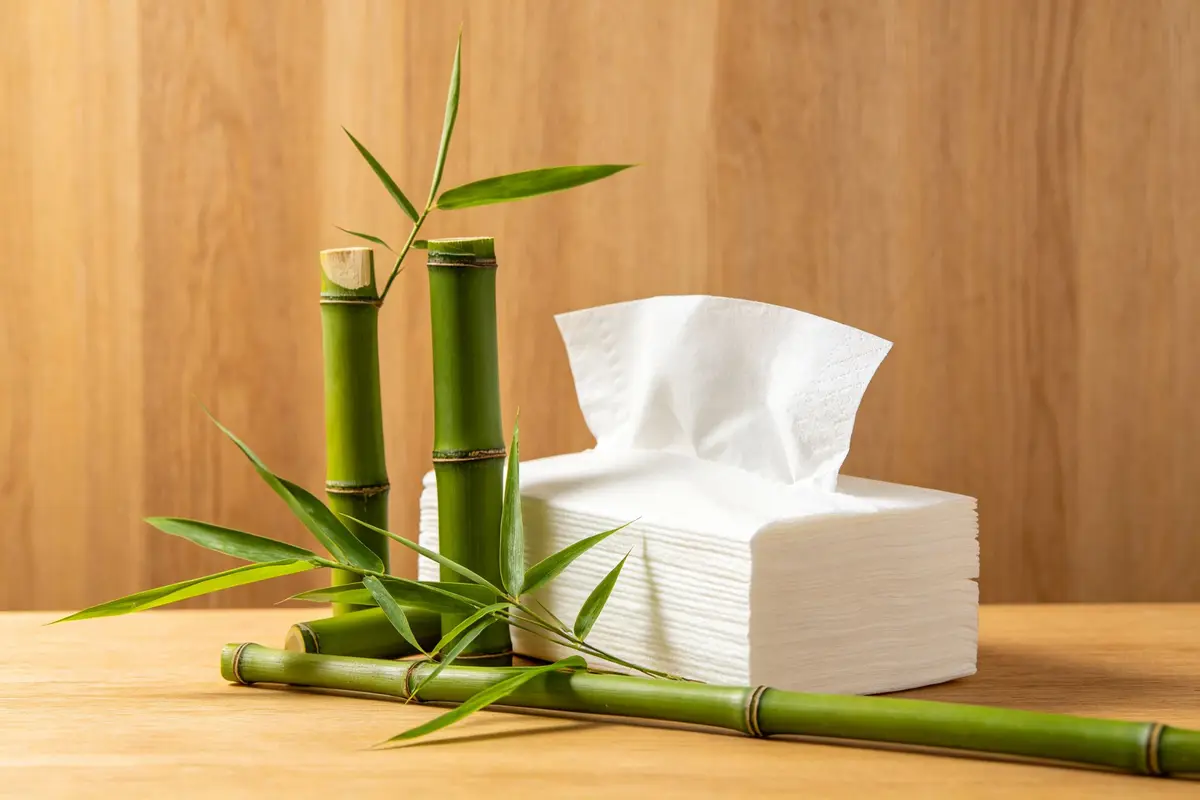
When selecting facial tissue—whether for personal use, family, or commercial procurement—the material from which the tissue is made is the single most important factor determining softness, strength, absorbency, environmental impact, and suitability for sensitive skin. Yet many consumers and even business buyers remain uncertain about the differences between bamboo, recycled, and virgin pulp facial tissues, and how to choose the right material for their specific needs. This comprehensive comparison analyzes the three primary facial tissue materials across key dimensions including source and sustainability, softness and feel, strength and durability, absorbency, environmental impact, cost, and suitability for sensitive skin and commercial use. By understanding these differences, buyers can make informed decisions that balance quality, sustainability, and value.
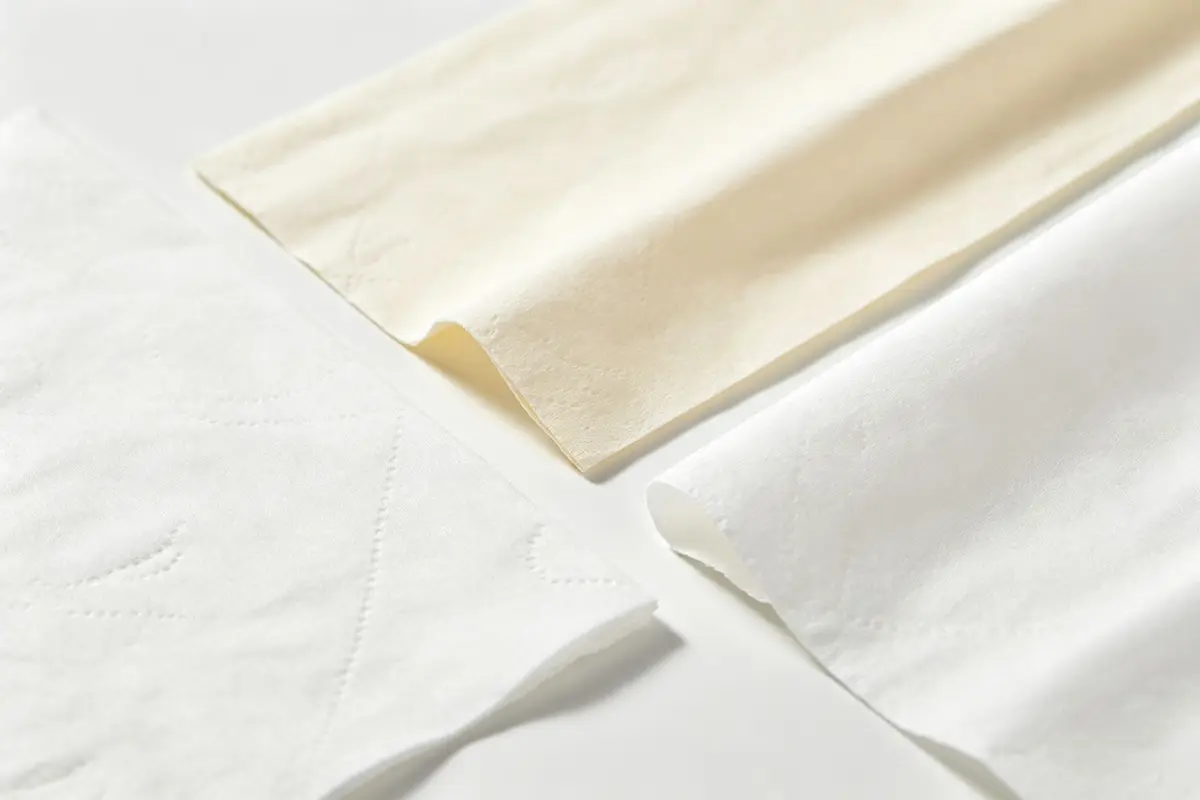
Bamboo Pulp Tissue: The Sustainable Rising Star
Bamboo pulp is the fastest-growing material in the premium facial tissue market, driven by its compelling combination of sustainability, performance, and natural antibacterial properties. Bamboo is not a tree but a fast-growing grass that reaches maturity in 3-5 years (compared to 10-30 years for softwood trees used in traditional tissue production). This rapid growth cycle means bamboo can be harvested and regrown continuously without deforestation, making it one of the most renewable fiber sources available.
Source and sustainability: Bamboo grows naturally across Southeast Asia, particularly in Indonesia, Vietnam, Thailand, and China, with abundant supply and low input requirements. Bamboo requires no pesticides, herbicides, or fertilizers due to its natural disease resistance, and it absorbs 3-5 times more carbon dioxide and produces 30-35% more oxygen than equivalent tree plantations. Bamboo's extensive root system also helps prevent soil erosion and improves water retention. For brands and consumers concerned about deforestation and climate impact, bamboo offers a compelling sustainability narrative.
Softness and feel: Bamboo fibers are naturally longer (1.5-3.0mm) than many hardwood fibers, which contributes to a soft, smooth texture. High-quality bamboo tissue can match or exceed virgin wood pulp in softness, particularly when processed with modern refining and calendering technology. Bamboo tissue has a naturally silky feel that many consumers prefer over the sometimes "papery" texture of lower-quality recycled tissue.
Strength and durability: Bamboo fibers are naturally strong and have good tensile strength, producing tissue that resists tearing both dry and wet. Bamboo tissue typically performs well in wet strength tests, making it suitable for use in bathrooms, kitchens, and for personal hygiene. The natural strength of bamboo fibers also means less fiber loss (lint) during use.
Environmental impact: Bamboo tissue has one of the lowest environmental footprints of any tissue material. Its rapid growth means no old-growth forest harvesting, its low input requirements mean less chemical use, and its high carbon absorption provides a net climate benefit. However, it is important to note that not all bamboo is created equal—buyers should look for certifications such as FSC (Forest Stewardship Council, which also certifies bamboo plantations) or PEFC to ensure responsible sourcing. Additionally, the bleaching process (elemental chlorine-free or totally chlorine-free) affects the environmental profile of the final product.
Cost: Bamboo tissue is typically priced in the mid-premium to premium range, slightly higher than standard virgin pulp tissue but comparable to or lower than premium virgin pulp brands. The higher cost reflects the relatively smaller scale of bamboo pulp production compared to established wood pulp supply chains, though costs are declining as production scales up. For commercial buyers, bamboo tissue can offer a strong sustainability story at a manageable price premium.
Recycled Pulp Tissue: The Circular Economy Champion
Recycled pulp tissue, made from post-consumer waste paper (typically office paper, newspapers, and cardboard), represents the most environmentally efficient tissue material in terms of resource circularity. By diverting waste paper from landfills and incineration and converting it into new tissue products, recycled pulp closes the loop on the paper lifecycle and reduces demand for virgin fiber.
Source and sustainability: Recycled pulp is sourced from post-consumer waste paper collected through municipal recycling programs, office recycling, and commercial waste streams. The waste paper is sorted, de-inked (removing printing inks and contaminants), pulped, bleached, and processed into tissue. Using recycled fiber saves trees, reduces water consumption (recycled pulp production uses 50-70% less water than virgin pulp), and reduces energy consumption (40-60% less energy than virgin pulp production). For every ton of recycled paper used, approximately 17 trees, 7,000 gallons of water, and 4,100 kWh of electricity are saved.
Softness and feel: This is where recycled tissue has historically faced the biggest challenge. The recycling process shortens fibers (each recycling cycle reduces fiber length by approximately 10-15%), which can result in a rougher, less soft texture compared to virgin pulp. Additionally, residual ink particles and contaminants can affect the visual appearance and feel. However, modern deinking technology, advanced refining processes, and the addition of virgin fiber (many "recycled" tissues contain 10-30% virgin fiber for strength and softness) have significantly narrowed the quality gap. Premium recycled tissue can now approach mid-tier virgin pulp in softness, though it typically still feels slightly less luxurious than premium virgin or bamboo tissue.
Strength and durability: Recycled fibers are shorter and weaker than virgin fibers, which can result in lower tensile strength and higher linting. To compensate, manufacturers often add wet strength resins, binders, and a percentage of virgin fiber. Premium recycled tissue with these enhancements can achieve acceptable strength for most uses, though it may still tear more easily when very wet compared to virgin or bamboo tissue.
Environmental impact: Recycled tissue has the lowest environmental impact in terms of resource consumption and waste diversion. It saves trees, water, and energy, and reduces landfill waste. However, the deinking and bleaching process does generate wastewater and sludge that must be treated, and the repeated recycling cycle eventually renders fibers too short for further use (fibers can typically be recycled 5-7 times before being too short). For maximum environmental benefit, look for tissues made from 100% post-consumer recycled fiber (not just "recycled content," which may include pre-consumer waste from manufacturing) and processed using elemental chlorine-free (ECF) or totally chlorine-free (TCF) bleaching.
Cost: Recycled tissue is typically priced in the economy to mid-range, often 10-25% cheaper than comparable virgin pulp tissue. The lower cost reflects the lower raw material cost (waste paper is cheaper than virgin pulp) and the efficiency of recycling operations. For price-sensitive commercial buyers (schools, public facilities, budget offices), recycled tissue offers an environmentally responsible option at an affordable price point.
Virgin Wood Pulp Tissue: The Quality Benchmark
Virgin wood pulp tissue, made from freshly harvested softwood (long fiber for strength) and hardwood (short fiber for softness) trees, has long been the quality benchmark for premium facial tissue. Major global tissue brands—including P&G's Puffs, Kimberly-Clark's Kleenex, and regional premium brands—primarily use virgin wood pulp for their flagship products, citing its consistent quality, superior softness, and reliable performance.
Source and sustainability: Virgin pulp is sourced from managed tree plantations (primarily eucalyptus, acacia, and pine) and, in some cases, natural forests. The sustainability of virgin pulp depends entirely on the forestry practices of the source. Responsibly managed plantations (certified by FSC or PEFC) use sustainable harvesting practices, protect biodiversity, ensure replanting, and respect indigenous rights. However, virgin pulp production has historically been associated with deforestation, habitat destruction, and high water and energy consumption. The key differentiator is certification: FSC or PEFC certified virgin pulp comes from responsibly managed forests and is a significantly more sustainable choice than uncertified virgin pulp.
Softness and feel: Virgin wood pulp, particularly when blended from long-fiber softwood (for strength) and short-fiber hardwood (for softness), produces the softest, most luxurious tissue feel. The consistent fiber length and quality of virgin pulp allow manufacturers to achieve precise control over softness, smoothness, and bulk. Premium virgin pulp tissues often feature additional enhancements such as lotion coating (aloe vera, vitamin E, mineral oil), embossing for improved hand feel, and advanced calendering for a silky smooth surface. For consumers who prioritize maximum softness—especially those with sensitive skin, allergies, or who use tissue frequently for nose-blowing—premium virgin pulp remains the gold standard.
Strength and durability: Virgin pulp fibers are long, strong, and consistent, producing tissue with excellent tensile strength, wet strength, and tear resistance. Premium virgin pulp tissue can be engineered to be both strong (resisting tearing when wet) and soft (gentle on skin), a combination that is difficult to achieve with recycled fibers. The consistent quality of virgin pulp also means minimal linting and dusting, which is important for facial use and for commercial environments where cleanliness is a priority.
Environmental impact: Virgin pulp has the highest environmental footprint of the three materials in terms of land use, water consumption, and energy use. However, this varies dramatically based on sourcing: FSC/PEFC certified virgin pulp from responsibly managed plantations has a significantly lower impact than uncertified virgin pulp from natural forest clearing. Modern pulp mills also use advanced technology to reduce water and energy consumption, recover chemicals (kraft process chemical recovery rates exceed 95%), and generate renewable energy from biomass (black liquor). For environmentally conscious buyers who prioritize softness and quality, FSC-certified virgin pulp offers the best balance of performance and responsible sourcing.
Cost: Virgin pulp tissue spans the full price range, from economy (2-ply, basic virgin pulp) to premium/luxury (3-4 ply, lotion-coated, FSC certified, designer packaging). Standard virgin pulp tissue is typically priced 10-20% higher than recycled, while premium virgin pulp can be 2-3 times the price of economy tissue. For commercial buyers, mid-tier virgin pulp (3-ply, FSC certified) offers the best balance of quality, sustainability, and cost.
Comparison Summary and Recommendations
| Dimension | Bamboo | Recycled | Virgin Pulp |
|---|---|---|---|
| Sustainability | Excellent (fast-growing, low input, high CO2 absorption) | Excellent (waste diversion, 50-70% less water, 40-60% less energy) | Good (if FSC/PEFC certified); poor if uncertified |
| Softness | Very good (naturally silky, long fibers) | Good (improved with modern tech; slightly rougher than virgin) | Excellent (gold standard; consistent, luxurious, lotion-enhanced) |
| Strength | Very good (naturally strong fibers, good wet strength) | Good (requires additives; shorter fibers = lower strength) | Excellent (long consistent fibers, superior wet strength, low lint) |
| Absorbency | Very good | Good | Excellent |
| Sensitive skin | Very good (naturally hypoallergenic, antibacterial) | Good (look for 100% post-consumer, ECF/TCF bleached) | Excellent (premium lotion-coated, dermatologically tested) |
| Cost | Mid-premium to premium | Economy to mid-range (10-25% cheaper) | Economy to premium/luxury (full range) |
| Best for | Eco-conscious premium buyers, sensitive skin, commercial sustainability programs | Price-sensitive commercial, schools, public facilities, eco buyers on budget | Premium hospitality, luxury homes, sensitive skin/allergies, quality-first buyers |
For personal/family use: If you prioritize maximum softness and have sensitive skin or allergies, premium FSC-certified virgin pulp (especially lotion-coated) is the best choice. If you want a balance of sustainability and quality, bamboo tissue is an excellent option. If budget is the primary concern and you want an environmentally responsible choice, high-quality 100% post-consumer recycled tissue (ECF/TCF bleached) offers good value.
For commercial/B2B use: Premium hospitality (luxury hotels, fine dining) should use premium virgin pulp or bamboo for maximum guest experience. Mid-range hotels, offices, and restaurants should use FSC-certified virgin pulp or bamboo for a balance of quality and sustainability. Budget commercial (schools, public facilities, budget foodservice) should use high-quality recycled tissue for cost efficiency and environmental responsibility. For businesses seeking to source premium facial tissue with sustainable material options, or to establish bulk supply partnerships across Southeast Asia, platforms like Moni Happy offer curated product selections and distribution support tailored to commercial buyer needs.
Article Summary
The choice between bamboo, recycled, and virgin pulp facial tissue involves trade-offs across sustainability, softness, strength, absorbency, cost, and suitability for sensitive skin. Bamboo pulp offers excellent sustainability (fast-growing grass, no pesticides, high CO2 absorption), very good softness (naturally silky long fibers), very good strength, and mid-premium pricing—ideal for eco-conscious premium buyers and those with sensitive skin. Recycled pulp offers excellent environmental efficiency (50-70% less water, 40-60% less energy, waste diversion), good but slightly rougher softness (improved with modern technology), good strength (requires additives), and economy-to-mid-range pricing (10-25% cheaper)—ideal for price-sensitive commercial, schools, and eco buyers on a budget. Virgin wood pulp offers the gold standard in softness (consistent luxurious feel, lotion-enhanced), excellent strength and low lint, and spans economy-to-luxury pricing—ideal for premium hospitality, sensitive skin/allergies, and quality-first buyers, especially when FSC/PEFC certified. For personal use, choose based on priority: softness (premium virgin), balance (bamboo), budget+eco (recycled). For commercial use, match material to segment: luxury (premium virgin/bamboo), mid-range (FSC virgin/bamboo), budget (recycled). For premium sustainable facial tissue sourcing and bulk supply partnerships across Southeast Asia, Moni Happy offers product access and distribution support.
Frequently Asked Questions
Which facial tissue material is best for sensitive skin: bamboo, recycled, or virgin pulp?
For sensitive skin, the choice depends on the specific sensitivity and quality of the product, but premium virgin pulp and high-quality bamboo are generally the best options. Premium virgin wood pulp (especially FSC-certified, lotion-coated with aloe vera or vitamin E) is the gold standard for sensitive skin because: the fibers are consistent and free of residual contaminants that can irritate; premium brands often undergo dermatological testing and are hypoallergenic; lotion coatings provide a protective barrier that reduces friction and irritation; and the low-lint, low-dust quality minimizes exposure to particulate irritants. Bamboo tissue is also excellent for sensitive skin because bamboo fibers are naturally hypoallergenic and have natural antibacterial and antifungal properties, which can be beneficial for skin prone to irritation or acne. Bamboo tissue is also naturally soft and smooth, with minimal processing required. Recycled tissue can be suitable for sensitive skin ONLY if it is high-quality: look for 100% post-consumer recycled fiber (not mixed with lower-quality pre-consumer waste), processed using elemental chlorine-free (ECF) or totally chlorine-free (TCF) bleaching (to minimize residual chemicals), and ideally dermatologically tested. Lower-quality recycled tissue may contain residual ink particles, chemicals, or shorter fibers that can cause irritation or linting. Additional tips for sensitive skin: avoid scented tissues (fragrances are a common irritant); avoid tissues with added moisturizers if you have specific ingredient allergies (check the ingredient list); choose 3-ply or 4-ply tissues (thicker tissues reduce the need for multiple sheets and reduce friction); and if you have severe skin conditions (eczema, rosacea, severe allergies), consult a dermatologist for personalized recommendations and consider using dermatologist-recommended tissue brands. For babies and infants with very delicate skin, ultra-soft premium virgin pulp or bamboo tissues are recommended, and some parents prefer to use water-based wipes or cotton pads instead of dry tissue for facial cleaning.
Is bamboo tissue really more sustainable than recycled tissue?
Bamboo and recycled tissue are both highly sustainable options, but they excel in different dimensions, and the answer depends on which environmental metrics you prioritize. Bamboo tissue advantages: Bamboo is a fast-growing grass that reaches maturity in 3-5 years (vs. 10-30 years for trees), meaning it can be harvested and regrown continuously without deforestation. Bamboo requires no pesticides, herbicides, or fertilizers due to natural disease resistance. Bamboo absorbs 3-5 times more CO2 and produces 30-35% more oxygen than equivalent tree plantations. Bamboo's root system prevents soil erosion and improves water retention. Bamboo is naturally antibacterial, reducing the need for chemical treatments. Recycled tissue advantages: Recycled tissue diverts waste paper from landfills and incineration, closing the loop on the paper lifecycle. Recycled pulp production uses 50-70% less water than virgin pulp production. Recycled pulp production uses 40-60% less energy than virgin pulp production. For every ton of recycled paper used, approximately 17 trees, 7,000 gallons of water, and 4,100 kWh of electricity are saved. Comparison: If your primary concern is deforestation and land use, both bamboo and recycled are excellent—bamboo because it doesn't require tree harvesting, recycled because it reduces demand for virgin fiber. If your primary concern is water and energy conservation, recycled tissue has the edge (50-70% less water, 40-60% less energy). If your primary concern is carbon footprint and climate impact, bamboo has the edge (higher CO2 absorption, oxygen production). If your primary concern is waste diversion and circular economy, recycled tissue is the clear winner. Important caveats: Not all bamboo is sustainably sourced—look for FSC or PEFC certification to ensure responsible bamboo plantation management. Not all recycled tissue is equally sustainable—look for 100% post-consumer recycled content (not just 'recycled content' which may include pre-consumer manufacturing waste) and ECF/TCF bleaching. Both materials require processing (pulping, bleaching, converting) that has environmental impacts, so the overall footprint depends on the manufacturer's practices as much as the raw material. For maximum sustainability, some brands offer blends (e.g., bamboo + recycled, or FSC virgin + recycled) that combine the strengths of multiple materials. Ultimately, both bamboo and recycled tissue are significantly more sustainable than uncertified virgin pulp, and the choice between them comes down to which environmental priorities matter most to you, combined with quality and cost considerations.
How does the cost of bamboo, recycled, and virgin pulp facial tissue compare for bulk commercial purchasing?
For bulk commercial purchasing, the cost comparison across the three materials varies by quality tier and volume, but the following general benchmarks apply (prices per carton of 30-48 boxes, 100-200 sheets per box): Recycled tissue is typically the most economical, ranging from $8-15 per carton ($0.20-0.35 per box) for standard 2-ply economy recycled, to $12-20 per carton ($0.30-0.45 per box) for premium 3-ply 100% post-consumer recycled with ECF/TCF bleaching. Recycled tissue is generally 10-25% cheaper than comparable virgin pulp tissue, making it the best choice for price-sensitive commercial buyers (schools, public facilities, budget offices, high-volume restrooms). Virgin pulp tissue spans the widest price range: economy 2-ply virgin pulp ranges from $10-18 per carton ($0.25-0.40 per box); mid-premium 3-ply FSC-certified virgin pulp ranges from $15-28 per carton ($0.35-0.65 per box); premium/luxury 3-4 ply lotion-coated virgin pulp ranges from $28-50+ per carton ($0.65-1.20+ per box). For most commercial buyers, mid-premium FSC-certified 3-ply virgin pulp offers the best balance of quality, sustainability, and cost. Bamboo tissue is typically priced in the mid-premium to premium range: standard 3-ply bamboo tissue ranges from $16-30 per carton ($0.40-0.65 per box); premium 3-4 ply bamboo with lotion coating or FSC certification ranges from $25-45 per carton ($0.55-1.00 per box). Bamboo tissue is generally 5-15% more expensive than comparable virgin pulp tissue, reflecting the smaller scale of bamboo pulp production, though the price gap is narrowing as production scales. Volume discounts apply across all materials: orders of 50-200 cartons typically receive 5-10% discounts; orders of 500+ cartons or annual contracts typically receive 10-20% discounts. Direct from manufacturer pricing is 10-25% lower than distributor pricing but requires larger MOQs (typically 1,000+ cartons). For commercial buyers, the total cost of ownership should also consider: tissue consumption (higher quality tissue may be used less per use, as users find one sheet sufficient vs. 2-3 sheets of lower quality), waste (lower quality tissue tears more, generating waste), and brand perception (in hospitality, premium tissue enhances guest experience and can support higher room rates). For businesses seeking competitive bulk pricing across all three material types, with premium quality and reliable supply across Southeast Asia, Moni Happy's partnership program offers transparent pricing and flexible terms tailored to commercial buyer needs.
Can I find facial tissue that combines multiple materials (blends) and what are the benefits?
Yes, many facial tissue brands offer blended products that combine two or more fiber types to leverage the strengths of each material while mitigating their weaknesses. These blended tissues are increasingly popular in both consumer and commercial markets. Common blend formulations include: (1) Virgin pulp + recycled: This blend typically combines 70-90% virgin pulp (for softness and strength) with 10-30% recycled pulp (for environmental benefit and cost reduction). The result is tissue that feels nearly as soft and strong as 100% virgin pulp, but with a lower environmental footprint and slightly lower cost. This is the most common blend in the mid-premium segment and is often marketed as 'contains recycled fiber' or 'eco-friendly blend.' (2) Bamboo + virgin pulp: This blend combines bamboo fibers (for sustainability, natural softness, and antibacterial properties) with virgin wood pulp (for maximum strength and consistent quality). Typical ratios are 30-70% bamboo with 30-70% virgin pulp. This blend offers excellent sustainability credentials (bamboo content) with the reliable performance of virgin pulp, and is often priced between pure bamboo and pure virgin pulp. (3) Bamboo + recycled: This blend combines bamboo (for strength and softness) with recycled fibers (for cost and environmental efficiency). It is the most sustainable blend option, offering a lower environmental footprint than either pure bamboo or pure recycled in some metrics, while maintaining acceptable quality. This blend is popular in the eco-premium segment. (4) Softwood + hardwood virgin blend: This is the traditional premium virgin pulp formulation, combining long-fiber softwood (pine, spruce—for strength) with short-fiber hardwood (eucalyptus, acacia—for softness). Typical ratios are 20-40% softwood with 60-80% hardwood. This blend is not a 'material blend' in the sustainability sense, but it is the standard formulation for premium virgin pulp tissue and demonstrates how fiber blending optimizes performance. Benefits of blended tissues: Performance optimization — blending allows manufacturers to tailor the tissue to specific performance goals (e.g., adding recycled fiber for sustainability without significantly sacrificing softness, or adding bamboo for antibacterial properties while maintaining virgin pulp strength). Cost optimization — blends can achieve premium-like performance at a lower cost than 100% premium material (e.g., virgin + recycled blend costs less than 100% virgin but performs nearly as well). Sustainability communication — blends allow brands to communicate environmental credentials (recycled content, bamboo content) while maintaining the quality that consumers expect. Market positioning — blends allow brands to occupy specific market niches (e.g., 'eco-premium' bamboo + virgin blend, 'value-eco' virgin + recycled blend). When evaluating blended tissues, it is important to check: the exact percentage of each fiber (brands may use vague terms like 'contains recycled fiber' which could be as little as 10%), the quality of each component (a blend with low-quality recycled fiber will perform worse than one with high-quality recycled), certifications (FSC, PEFC, ECF/TCF bleaching, dermatological testing), and independent test results for softness, strength, and absorbency. For commercial buyers, blended tissues can offer the best balance of quality, sustainability, and cost, and are worth evaluating alongside single-material options. For businesses seeking premium blended facial tissue options with sustainable credentials and competitive bulk pricing, Moni Happy's product selection and partnership program can provide access to a range of blended formulations tailored to commercial needs across Southeast Asia.