
2026-10-09 · Moni Happy Editorial Team
Best Baby Towels 2026: Southeast Asia Market Guide & Buying Tips
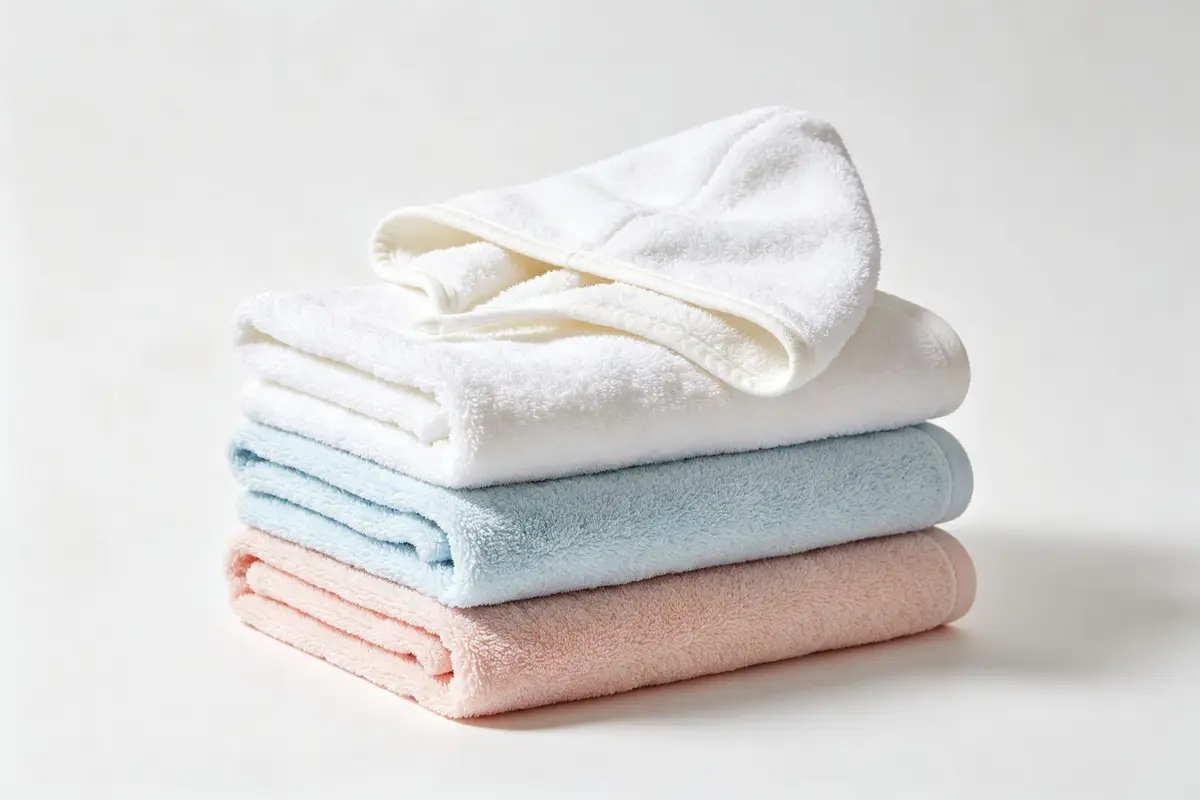
The Southeast Asian baby bath essentials market is experiencing robust growth, driven by rising disposable incomes, increasing awareness of infant hygiene, and a growing preference for premium, dermatologically tested products. Among the fastest-growing segments is baby towels, where consumers are actively searching for the best baby towels 2026 has to offer — with wrap-style designs, organic cotton, and hypoallergenic properties topping the list of desired features.We are not going to quote a market size or growth rate for this category: published estimates for this market differ by an order of magnitude depending on the source and on whether the scope is diapers only or all baby care, and we cannot stand behind any of them. What is not in dispute is the direction of travel — demand in this category is growing in the markets we already ship to. If you need a sized market for a specific country, we will help you build the estimate from figures you can verify rather than quote you one.
Market Overview: Why Baby Towels Are Heating Up
Several converging trends are fueling demand in the baby baby towel category. First, post-pandemic hygiene consciousness has persisted, with parents prioritizing dedicated baby textiles over shared household towels. Second, the rise of social commerce — particularly TikTok Shop and Shopee Live in Southeast Asia — has made product discovery faster and more visual, with wrap-style baby towel demonstrations consistently generating high engagement. Third, premiumization is accelerating: parents are willing to pay 30-50% more for towels made from organic cotton, or bamboo-derived-derived fibers, which are marketed as gentler on sensitive newborn skin.Public estimates for this market differ widely by source, so we do not quote a market size or a growth rate here. We would rather help you size one market from figures you can verify. Indonesia remains the largest market by volume, while Singapore and Malaysia lead in per-capita spending on premium baby textiles. For brands and retailers, the message is clear: the window to capture market share in the best baby towels 2026 segment is open, but competition is intensifying as both local manufacturers and international brands expand their e-commerce presence.
What Makes the Best Baby Towels 2026?
Based on consumer reviews, pediatric dermatologist recommendations, and product testing data, the leading baby towels in 2026 share several key characteristics that parents should evaluate when comparing options:
- Material: 100% organic cotton remains the gold standard for softness and absorbency, but bamboo-derived rayon (often blended with cotton) is gaining popularity for its natural antibacterial properties and silky texture. Parents should avoid towels with synthetic blends, which can be less absorbent and may irritate sensitive skin.
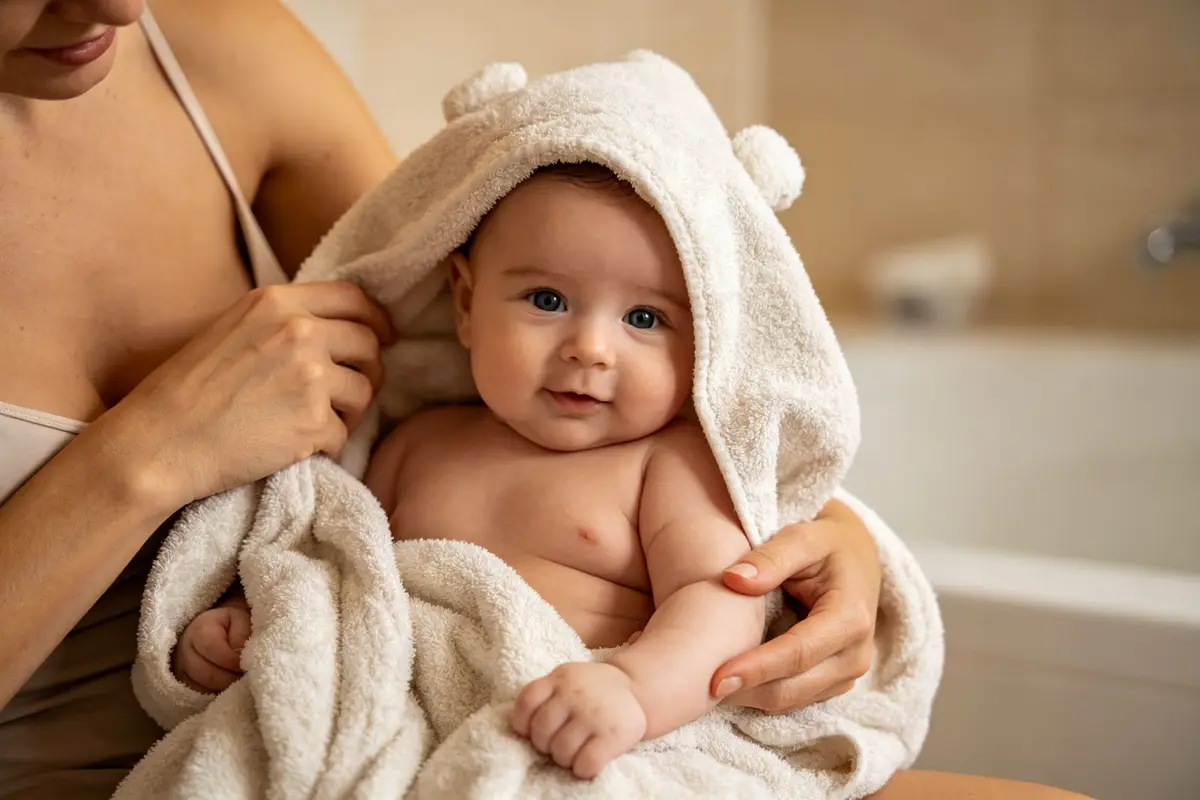
- Wrap design: Wrap-style baby towels are the most popular style, as the hood helps keep the baby's head warm after bathing and makes wrapping easier. The best designs feature a generously sized hood and reinforced corners for durability.
- Absorbency: A high-quality baby towel should absorb water quickly without leaving the baby damp. Towels with a higher GSM (grams per square meter) — typically 400-600 GSM — tend to be more absorbent and durable, though they may take longer to dry.
- Size: Larger towels (30x30 inches or bigger) provide better coverage and can be used for longer as the baby grows. Many parents prefer oversized wrap-style towels that can double as a wearable blanket after bath time.
- Certifications: Dermatest certification, OEKO-TEX Standard 100, and GOTS (Global Organic Textile Standard) are the most trusted third-party certifications, indicating that the towel has been tested for harmful substances and is safe for baby skin.
- Durability: Baby towels are washed frequently — sometimes daily — so durability is critical. Reinforced seams, colorfast dyes, and high-quality construction ensure the towel remains soft and absorbent after repeated laundering.
Regional Distribution and Retail Landscape
In Southeast Asia, baby towels are distributed through a multi-channel ecosystem that reflects the region's diverse retail infrastructure. Modern trade channels — including hypermarkets, supermarkets, and baby specialty stores — account for approximately 45% of sales, with brands like Pigeon, Farlin, and local manufacturers dominating shelf space. Pharmacy chains, including Watsons and Guardian, are increasingly important channels for premium, dermatologically tested baby textiles, as parents trust pharmacy recommendations for products that contact baby skin.Public estimates for this market differ widely by source and by scope, so we do not quote a market size or a growth rate here. What we can speak to is the direction, and we would rather help you size one market from figures you can verify than publish a number we cannot source. The rise of COD (cash on delivery) has been instrumental in driving e-commerce adoption in markets like Indonesia and the Philippines, where credit card penetration remains low. Social commerce, particularly through live-streaming demonstrations on TikTok Shop, has emerged as a powerful driver of impulse purchases, with wrap-style baby towel unboxing and absorbency-test videos regularly achieving millions of views.
For parents looking to buy the best baby towels 2026, the e-commerce channel offers several advantages: wider product selection, the ability to compare prices and read verified reviews, access to certified organic and premium brands that may not be available locally, and the convenience of home delivery. Moni Happy's baby towel collection features dermatologically tested, ultra-soft wrap-style towels designed specifically for sensitive newborn skin, available for direct purchase across Southeast Asia.
Premium Brand Entry Strategy in Southeast Asia
For premium baby towel brands looking to enter or expand in the Southeast Asian market, several strategic considerations are critical. First, certification matters — parents in the region increasingly seek third-party validation, and Dermatest or OEKO-TEX certified products command a significant price premium and higher conversion rates on e-commerce platforms. Second, packaging and branding should be localized: while English-language branding works well in Singapore and Malaysia, brands targeting Indonesia, Thailand, and Vietnam should consider localized packaging and marketing materials to build trust with local consumers.
Third, pricing strategy must account for the region's diverse income levels. A tiered product lineup — with an entry-level organic cotton towel, a mid-range bamboo blend, and a premium luxury option — allows brands to capture consumers across the income spectrum while maintaining premium positioning. Fourth, partnerships with local distributors and e-commerce influencers are essential for market penetration. Brands that work with established baby product distributors — such as those in Moni Happy's partner network — can leverage existing retail relationships, logistics infrastructure, and market knowledge to accelerate growth.
Finally, content marketing and educational content drive conversion in this category. Parents searching for the best baby towels 2026 are often first-time parents seeking guidance on material selection, absorbency, and safety. Brands that provide detailed buying guides, comparison charts, and pediatrician-endorsed content build trust and are more likely to convert browsers into buyers. Video content — particularly absorbency tests, softness comparisons, and bath time demonstrations — performs exceptionally well on social commerce platforms and should be a core component of any brand's content strategy.
Future Outlook: Trends Shaping the 2026-2028 Market
Looking ahead, several trends are expected to shape the baby baby towel market in Southeast Asia through 2028. Sustainability will become an increasingly important purchasing factor, with parents seeking GOTS-certified organic cotton, biodegradable packaging, and brands with transparent supply chains. Smart textiles — including towels with temperature-sensitive color-changing fibers that indicate water temperature — are emerging as a niche but fast-growing premium segment. Subscription models, where parents receive fresh towels on a regular schedule, are gaining traction in urban markets, offering brands recurring revenue and parents convenience.
Personalization — including embroidered names or custom designs — is another growing trend, particularly for gift purchases, which account for approximately 20% of baby towel sales. As the regional birth rate remains stable and disposable incomes continue to rise, the baby baby towel market is poised for sustained growth. Brands that can combine premium quality, trusted certifications, localized marketing, and seamless e-commerce experiences will be best positioned to capture share in this competitive and rapidly evolving market. For parents, the proliferation of options means that finding the best baby towels 2026 requires careful evaluation — but the payoff is a safer, more comfortable bath time experience for their little ones.