
2026-10-09 · Moni Happy Editorial Team
Best Baby Bottle Warmer 2026: Electric vs Travel Market Guide
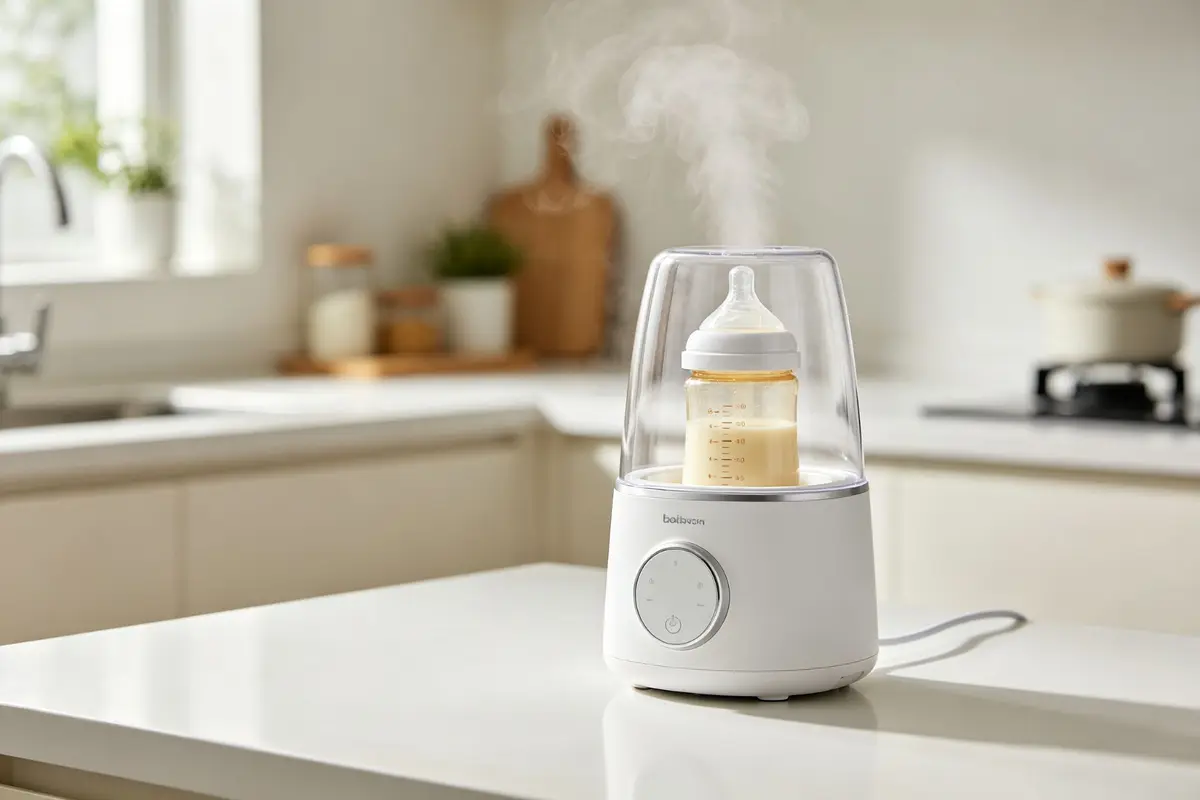
The global baby bottle warmer market is experiencing robust growth, driven by rising breastfeeding rates, dual-income households, and increasing demand for convenient feeding solutions. We are not going to quote a market size or growth rate for this category: published estimates for this market differ by an order of magnitude depending on the source and on whether the scope is diapers only or all baby care, and we cannot stand behind any of them. What is not in dispute is the direction of travel — demand in this category is growing in the markets we already ship to. If you need a sized market for a specific country, we will help you build the estimate from figures you can verify rather than quote you one. In countries like Indonesia, Vietnam, and the Philippines, where nuclear families and working mothers are becoming increasingly common, the ability to warm breast milk or formula quickly and safely has become a priority for modern parents. This article examines the current market landscape, key product categories, leading brands, and what parents should consider when looking to buy a baby bottle warmer online.
Market Overview: Why Bottle Warmers Are Essential for Modern Parents
Baby bottle warmers have evolved from a niche luxury item to a nursery essential for many families. The primary benefit is convenience — instead of running a bottle under hot tap water (which can take 5-10 minutes and produce uneven heating) or using a microwave (which creates dangerous hot spots), a dedicated bottle warmer can heat breast milk or formula to body temperature (37°C / 98.6°F) in 3-5 minutes while preserving the nutritional properties of breast milk. This is particularly important for breast milk, which contains live antibodies and enzymes that can be destroyed by overheating. For working mothers who pump and store breast milk, a bottle warmer makes nighttime feedings faster and less disruptive for both parent and baby. The market is also being driven by product innovation — modern warmers offer features like precise temperature control, automatic shut-off, thawing modes for frozen milk, and even smart connectivity with smartphone apps.
Product Categories: Electric, Travel, and Steam Warmers
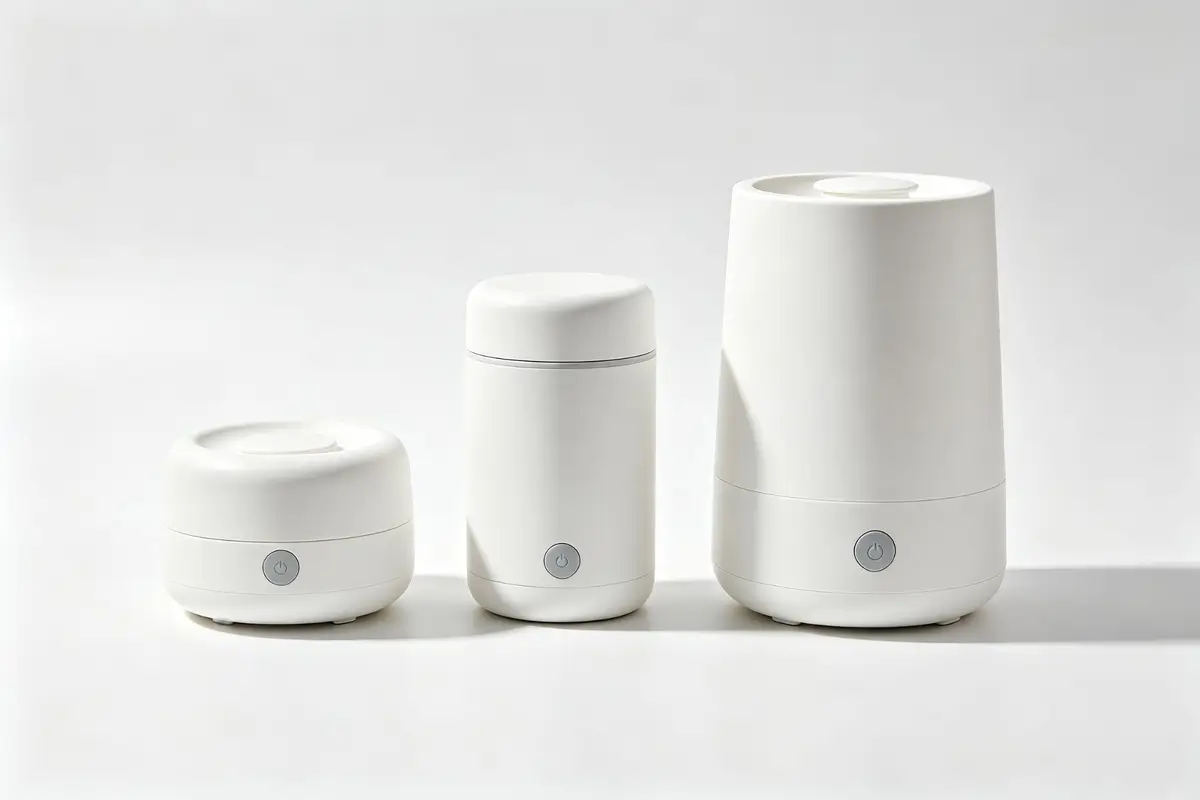
The baby bottle warmer market can be divided into three main product categories, each serving different needs and use cases. Electric bottle warmers are the most popular type, accounting for approximately 65% of market share. These plug-in devices use water bath or steam heating to warm bottles, typically offering multiple temperature settings and automatic shut-off. They are ideal for home use and can accommodate most standard baby bottle sizes. Travel bottle warmers are the fastest-growing segment, with year-over-year growth of approximately 15%. These portable devices use USB charging, car adapters, or disposable heating packs to warm bottles on the go — perfect for travel, daycare, or outings. Some travel warmers are even designed to fit in a diaper bag. Steam bottle warmers use pressurized steam to heat bottles quickly (often in under 3 minutes) and can also sterilize bottle nipples and small parts. They are popular among parents who want a multi-function device. When choosing a bottle warmer, parents should consider factors like bottle compatibility (not all warmers fit wide-neck or angled bottles), heating speed, temperature accuracy, ease of cleaning, safety features (automatic shut-off, overheat protection), and whether they need a home or portable device.
Key Features to Look for in 2026
As the market matures, manufacturers are competing on features and technology. The most sought-after features in 2026 include: Precise temperature control — the ability to set and maintain a specific temperature (typically 37°C / 98.6°F for breast milk) rather than a one-size-fits-all heating cycle. This is critical for preserving breast milk nutrients. Automatic shut-off and overheat protection — essential safety features that prevent the warmer from overheating or running dry. Thawing mode — a dedicated setting for thawing frozen breast milk bags or bottles, which uses lower temperatures to preserve nutrients. Universal bottle compatibility — adjustable baskets or inserts that fit wide-neck, angled, and standard bottles from brands like Dr. Brown's, Philips Avent, Tommee Tippee, and Comotomo. Fast heating — the ability to warm a 4-ounce bottle in 3-5 minutes. Easy cleaning — removable water reservoirs and dishwasher-safe parts, because mineral buildup from hard water can affect performance. Smart features — some premium models offer app connectivity, temperature sensors, and notifications when the bottle is ready. For parents in Southeast Asia, where hard water is common in many areas, a warmer with a descaling function or removable water tank is particularly important.
Brand Landscape and Market Competition
The global baby bottle warmer market is moderately fragmented, with a mix of established baby product brands and specialized appliance manufacturers. Leading global brands include Philips Avent (known for its fast bottle warmer with smart temperature sensing), Dr. Brown's (popular for its bottle-compatible warmers), Tommee Tippee (recognized for its travel-friendly designs), Baby Brezza (premium smart warmers with app connectivity), and Kiinde (known for its breast milk storage and warming system). In Southeast Asia, regional and local brands are also gaining market share by offering more affordable price points and designs tailored to local preferences. The market is also seeing entry from small appliance brands and direct-to-consumer startups, particularly in the e-commerce channel. Price ranges vary significantly: basic electric warmers start at approximately $15-25, mid-range models with additional features cost $30-50, and premium smart warmers can cost $60-100 or more. For parents looking to buy a baby bottle warmer online, e-commerce platforms like Shopee, Lazada, and TikTok Shop offer the widest selection and competitive pricing in Southeast Asia, often with bundle deals that include bottles or accessories.
Buying Guide: How to Choose the Right Bottle Warmer
With so many options on the market, choosing the right bottle warmer can be overwhelming. Here is a step-by-step guide for parents. First, consider your feeding method. If you are exclusively breastfeeding and pumping, look for a warmer that is specifically designed for breast milk with precise temperature control and a thawing mode — overheating can destroy valuable antibodies. If you are formula feeding, a basic warmer with consistent heating may be sufficient. Second, check bottle compatibility. Measure your baby's bottles (height and diameter) and check the warmer's specifications — some warmers do not fit wide-neck bottles like Comotomo or Boon, or angled bottles like Dr. Brown's Options+. Third, decide between home and portable. If you primarily feed at home, a standard electric warmer is fine. If you travel frequently, need to warm bottles at daycare, or have a long commute, invest in a travel warmer with USB or car adapter capability. Fourth, consider your water quality. In areas with hard water (common in many Southeast Asian cities), mineral buildup can affect warmer performance and taste. Look for a model with a removable, easy-to-clean water reservoir or a descaling function. Fifth, read reviews from real parents. Look for feedback on heating consistency, ease of use, durability, and customer service. Finally, set a budget. You do not need the most expensive model — a $30-40 mid-range warmer with good temperature control and safety features will serve most families well. For parents in Southeast Asia, shopping online through platforms like Shopee or Lazada often provides the best value, with frequent promotions, free shipping, and bundle deals. Parents looking for premium Japanese-quality baby care products can also explore Moni Happy's product range, which includes feeding accessories designed with safety and convenience in mind.
Future Trends and Market Outlook
Looking ahead, several trends are expected to shape the baby bottle warmer market through 2026 and beyond. Smart connectivity will become more common, with warmers that sync with smartphone apps to track feeding times, monitor temperature, and send notifications — particularly appealing to tech-savvy millennial and Gen Z parents. Eco-friendly design is another growing trend, with manufacturers using BPA-free materials, energy-efficient heating elements, and recyclable packaging to appeal to environmentally conscious consumers. Multi-function devices that combine warming, sterilizing, and drying functions are gaining popularity, as parents look to minimize countertop clutter and maximize value. Personalization — warmers that remember individual temperature preferences for different bottles or family members — is emerging in premium models. The Southeast Asian market is expected to outpace global growth rates, driven by rising disposable incomes, urbanization, increasing female labor force participation, and growing e-commerce penetration. For distributors and retailers in the region, the baby bottle warmer category presents a significant growth opportunity, with strong margins and high repeat purchase potential as families have additional children. Businesses interested in partnering with a premium Japanese baby care brand can learn more about distribution opportunities with Moni Happy.