
2026-09-05 · Moni Happy Editorial Team
Best Baby Bottles for Breastfeeding 2026: Southeast Asia Market Guide
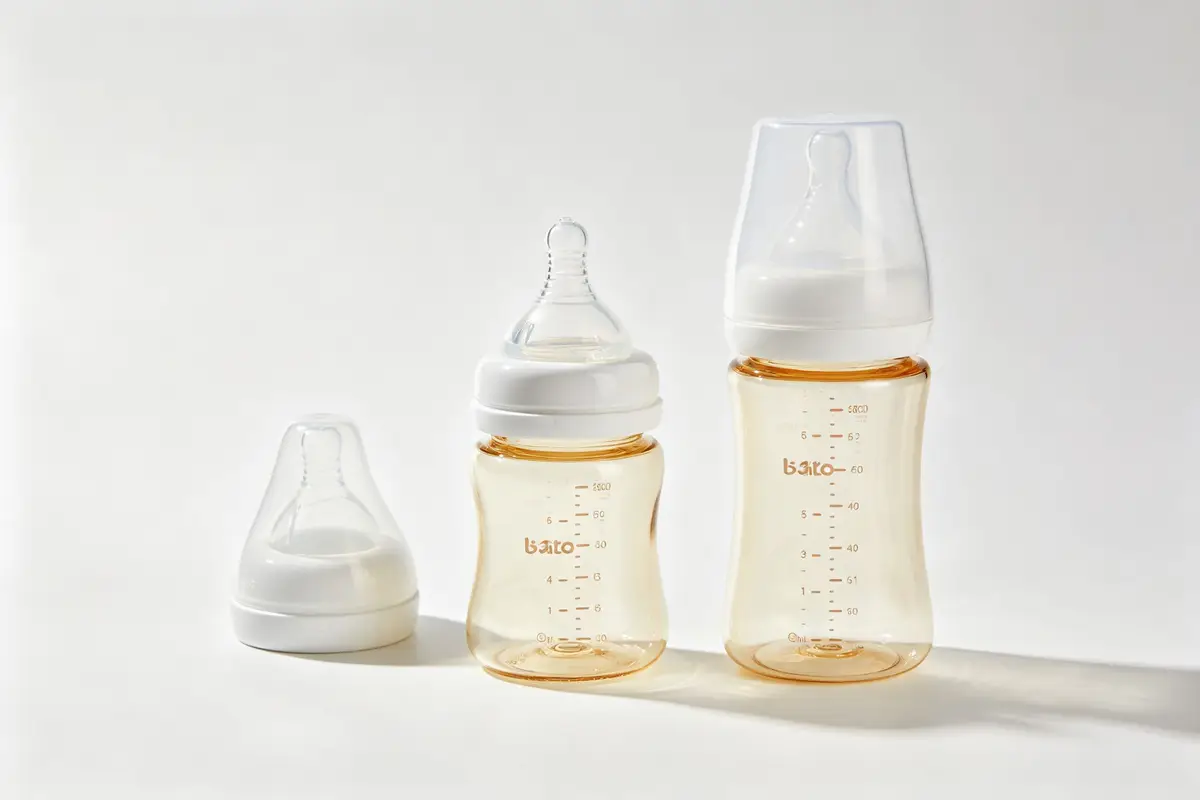
The Southeast Asian baby bottle market is undergoing a significant transformation as breastfeeding rates rise and parents increasingly seek bottles designed to complement, not replace, breastfeeding. For parents searching for the best baby bottles for breastfeeding, the market now offers a wide range of anti-colic, wide-neck, and natural-flow options designed to mimic the breastfeeding experience. This guide analyzes the current market landscape, key product categories, and where to find the best options in Southeast Asia.
Market Overview: Breastfeeding-Friendly Bottles on the Rise

Key Product Categories for Breastfeeding Parents
Anti-Colic Bottles: These bottles feature venting systems designed to reduce air intake during feeding, which can help reduce colic, gas, and spit-up. Brands like Dr. Brown's, Philips Avent, and Tommee Tippee dominate this category. For breastfeeding parents, anti-colic bottles are particularly valuable because they allow for paced bottle feeding — a technique that mimics the slower flow of breastfeeding and helps prevent overfeeding.
Wide-Neck Bottles: Wide-neck bottles are designed to be easier to clean and to accommodate wider, more breast-like nipples. This makes them a popular choice for breastfeeding parents who want to reduce the risk of nipple confusion. Brands like Comotomo, Boon, and Nanobebe have gained popularity in this segment, with silicone bodies that mimic the feel of skin.
Glass Bottles: Glass baby bottles have seen a resurgence in popularity as parents become more concerned about plastic chemicals and environmental impact. While heavier and more fragile, glass bottles are durable, easy to clean, and don't retain odors or stains. Brands like Lifefactory, Hevea, and Evenflo offer glass options that are popular among environmentally conscious parents in Singapore and Malaysia.
Silicone Bottles: Soft, squeezable silicone bottles are the fastest-growing segment, particularly among breastfeeding parents. The soft material mimics the feel of breast tissue, and many models can be used as both bottles and milk storage containers. Comotomo and Boon Nursh are leading brands in this category.
What to Look for When Choosing Breastfeeding-Friendly Bottles
Industry experts recommend that parents searching for the best baby bottles for breastfeeding consider the following criteria:
- Nipple shape and flow: Look for nipples that are wide and breast-like, with a slow flow rate for newborns. The nipple should require the baby to use similar sucking motions as breastfeeding.
- Anti-colic venting: A good venting system reduces air intake, which can help reduce gas and colic. This is especially important for breastfed babies who may be more sensitive to air intake.
- Material safety: Choose BPA-free, phthalate-free materials. Glass and medical-grade silicone are considered the safest options.
- Ease of cleaning: Wide-neck bottles are easier to clean, and fewer parts means less assembly. Look for bottles that are dishwasher-safe and easy to take apart.
- Compatibility with breast pumps: If you're pumping, look for bottles that are compatible with your breast pump, so you can pump directly into the bottle and avoid transferring milk.
Where to Buy Baby Bottles in Southeast Asia
For parents in Southeast Asia looking to buy baby bottles, several channels are available:
E-commerce platforms: Shopee and Lazada offer the widest selection, with both international and local brands. TikTok Shop has also emerged as a popular channel, particularly for parents who discover products through influencer reviews. These platforms often offer competitive pricing and frequent promotions.
Specialty baby stores: Chains like Mothercare, Pupsik Studio, and Baby Company offer curated selections and in-store expertise. These stores are particularly valuable for first-time parents who want personalized advice.
Pharmacies and supermarkets: Guardian, Watsons, and major supermarket chains carry mainstream brands like Philips Avent, Pigeon, and Tommee Tippee. While the selection is more limited, these channels offer convenience and the ability to purchase alongside other baby essentials.
Brand direct-to-consumer: Many premium brands now sell directly through their own websites, offering subscription options and bundle discounts. This is particularly popular for brands like Comotomo and Nanobebe that may not be widely available in physical stores.
For retailers and distributors looking to enter this growing market, partnering with established baby care brands can provide access to proven products and marketing support. The breastfeeding-friendly bottle segment is expected to continue growing as breastfeeding rates rise across Southeast Asia.
Future Outlook
The baby bottle market in Southeast Asia is expected to continue growing, driven by several factors: rising breastfeeding rates combined with increasing female labor force participation, growing demand for premium and eco-friendly products, and the expansion of e-commerce into tier-2 and tier-3 cities.Public estimates for this market differ widely by source and by scope, so we do not quote a market size or a growth rate here. What we can speak to is the direction, and we would rather help you size one market from figures you can verify than publish a number we cannot source.
For parents, the key takeaway is that the best baby bottles for breastfeeding are the ones that work for your baby — every baby is different, and it may take trying a few brands to find the right fit. For retailers and distributors, the opportunity lies in offering a curated selection of breastfeeding-friendly bottles and providing the education and support that parents need to make informed choices.