
2026-09-06 · Moni Happy Editorial Team
Best Baby Car Seat 2026: Southeast Asia Market Guide & Safety Analysis
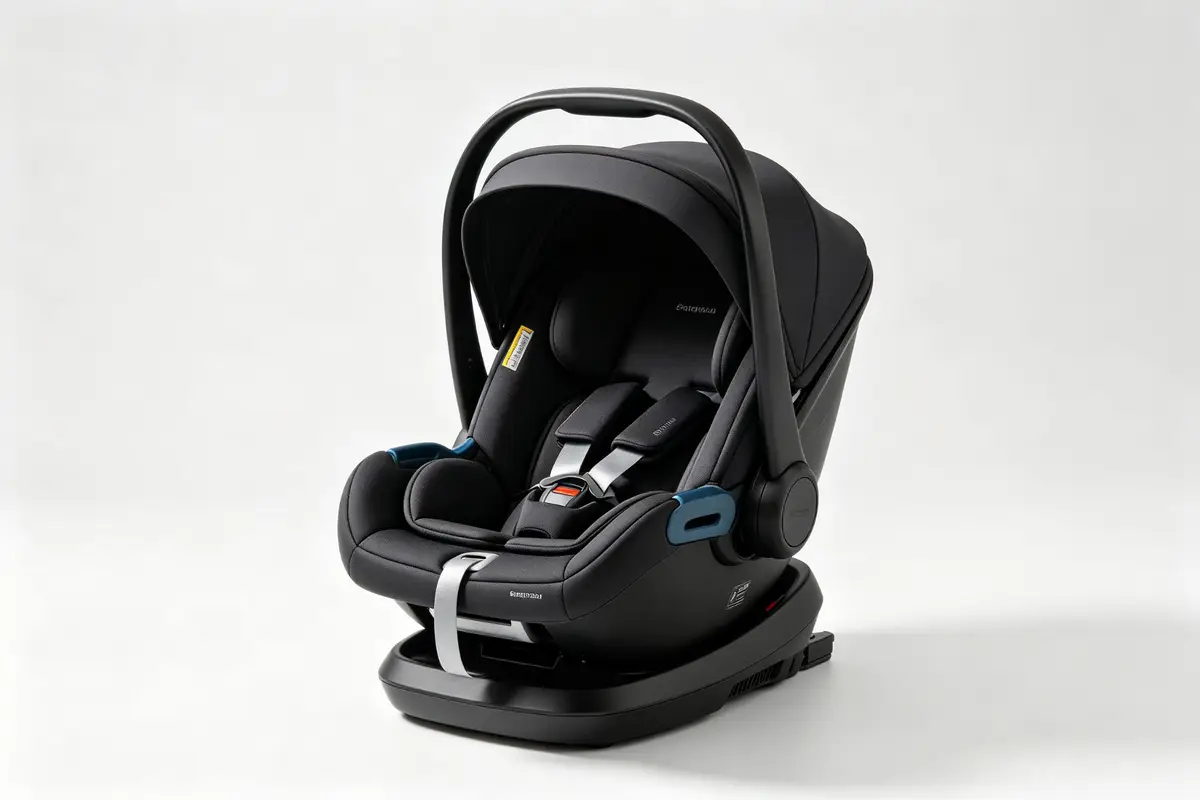
The baby car seat market in Southeast Asia is experiencing robust growth as vehicle ownership rises, road safety awareness increases, and governments across the region introduce or strengthen child restraint regulations. For parents searching for the best baby car seat 2026, the market offers a diverse range of options — from infant carriers to convertible seats to all-in-one models. This analysis examines the current market landscape, key product categories, safety standards, and purchasing channels across Southeast Asia.
Market Overview: Rising Safety Awareness Drives Car Seat Demand
Key Car Seat Categories
Infant Car Seats (Rear-Facing Only): These are designed for newborns and young babies (typically 4-35 lbs, depending on the model) and are used exclusively in the rear-facing position. They feature a carry handle and a removable carrier that clicks into a base installed in the car — this allows parents to move the sleeping baby from car to house without waking them. Leading brands include Maxi-Cosi, Chicco, Graco, and Peg Perego. Infant carriers are popular among first-time parents because they're convenient for newborns, but they have a shorter usable life (usually until the baby is 12-18 months old or outgrows the weight/height limit).
Convertible Car Seats: These seats can be used in both rear-facing (for babies and toddlers) and forward-facing (for older toddlers and young children) positions. They typically accommodate children from 5-50 lbs rear-facing and 20-70 lbs forward-facing (depending on the model). Convertible seats are the most popular category because they offer long-term value — one seat can last from infancy through the toddler years. Leading brands include Britax, Graco, Evenflo, Clek, and Diono. Premium convertible seats (like the Britax Boulevard, Clek Foonf, and Diono Radian) offer advanced safety features like side-impact protection, steel frames, and anti-rebound bars.
All-in-One (3-in-1) Car Seats: These seats convert from rear-facing to forward-facing to booster seat, accommodating children from 5-120 lbs (depending on the model). They offer the longest usable life of any car seat type — one seat can last from birth through the booster seat years (age 8-12). Leading brands include Graco 4Ever, Evenflo EveryStage, and Safety 1st Grow and Go. All-in-one seats are a popular choice for parents who want to buy only one car seat, but they tend to be larger and heavier than convertible seats, and they may not fit well in smaller cars.
Booster Seats: These are designed for older children (typically 40-120 lbs, age 4+) who have outgrown forward-facing car seats but are still too small for adult seat belts. Booster seats raise the child up so the adult seat belt fits properly (across the shoulder and lap, not the neck and abdomen). There are two types: high-back boosters (with a backrest and head support) and backless boosters (just a seat cushion). Leading brands include Graco, Evenflo, Britax, and Chicco. In Southeast Asia, booster seats are less commonly used than in Western markets, but awareness is growing as child safety regulations are introduced.
Safety Standards and What to Look For
When choosing a car seat, safety is the number one priority. Here's what industry experts recommend:
- Choose the right type for your child's age, weight, and height. Read the manufacturer's height and weight limits carefully — a seat that's too small or too big won't protect your child properly. The AAP recommends keeping children rear-facing as long as possible (until they outgrow the rear-facing height/weight limit of their convertible seat, usually around age 2-4).
- Look for safety certifications. In the US, all car seats must meet FMVSS 213 (Federal Motor Vehicle Safety Standard). In Europe, look for ECE R44/04 or the newer i-Size (UN R129) standard, which includes stricter side-impact testing and height-based sizing. In Southeast Asia, many countries don't have mandatory car seat standards yet, so look for seats that meet US or European standards. Some premium seats also offer additional safety features like side-impact protection, steel-reinforced frames, energy-absorbing foam, and anti-rebound bars.
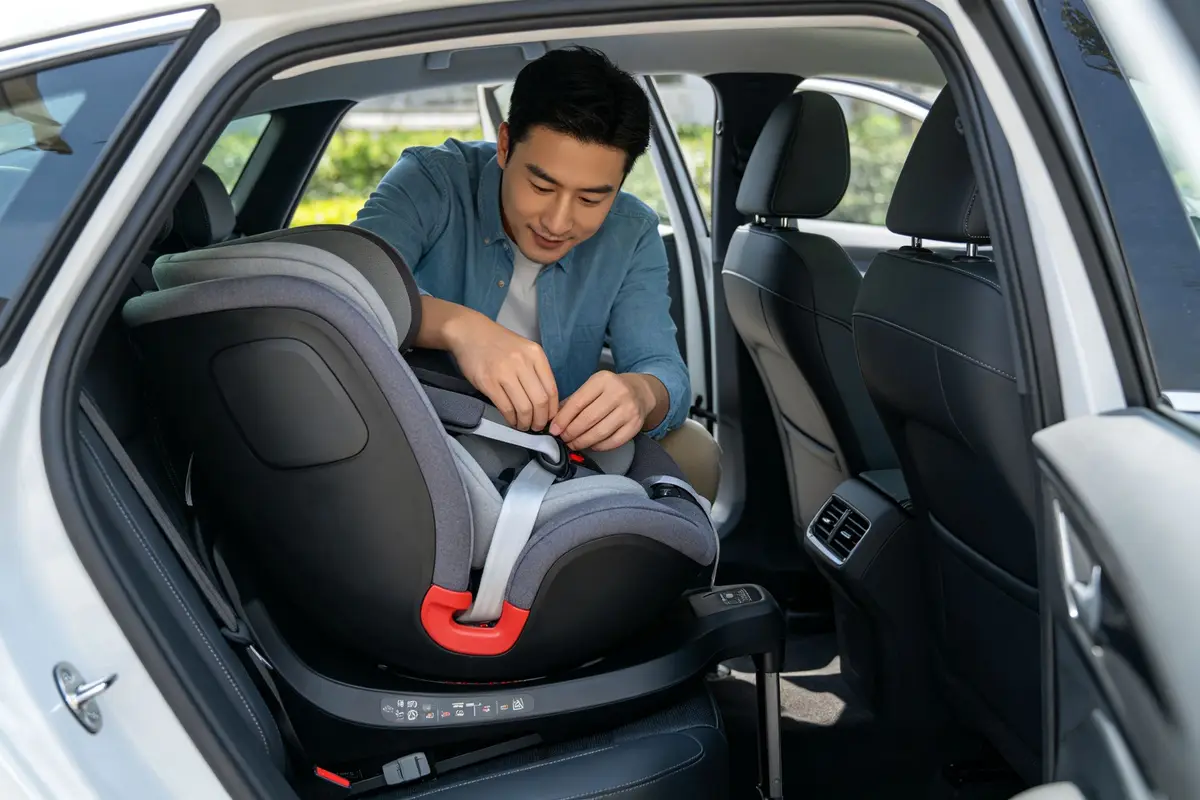
- Check for ISOFIX/LATCH compatibility. ISOFIX (called LATCH in the US) is a system of anchor points in the car that allow the car seat to be attached directly to the vehicle frame, without using the seat belt. ISOFIX installation is generally easier and more consistent than seat belt installation (which is more prone to user error). Most modern cars in Southeast Asia have ISOFIX anchor points, and most car seats offer ISOFIX compatibility. However, ISOFIX has weight limits (usually 18-25 kg for the child + seat), so you may need to switch to seat belt installation for heavier children.
- Make sure it fits in your car. Not all car seats fit well in all cars — some are too wide for compact cars, some don't install well with certain seat belt configurations, and some have base angles that don't work with sloped vehicle seats. Before buying, check the manufacturer's fit guide (many brands have online fit guides that tell you which seats fit which cars), and if possible, try the seat in your car before purchasing. I always measured my back seat and checked the fit guide before buying a car seat.
- Check the expiration date. Car seats expire — usually 6-10 years from the date of manufacture (check the label on the seat). Expired car seats may have degraded materials (plastic can become brittle, foam can break down) and may not meet current safety standards. Never buy a used car seat without knowing its full history (if it was in a crash, it should be replaced, even if it looks undamaged). I always bought new car seats for my babies — I didn't want to risk an expired or crash-damaged seat.
Where to Buy Baby Car Seats in Southeast Asia
E-commerce platforms: Shopee and Lazada offer the widest selection, with both international and local brands across all price points. These platforms often offer competitive pricing, frequent promotions, and detailed customer reviews. However, buyers should be cautious about counterfeit products — purchase from official brand stores or highly-rated authorized sellers. TikTok Shop has also emerged as a popular channel, particularly for parents who discover car seats through influencer reviews and installation demonstrations.
Specialty baby stores: Chains like Mothercare, Pupsik Studio, and Baby Company offer curated selections and in-store expertise. These stores allow parents to see and test car seats in person, and many offer professional installation services. I always bought my car seats from specialty stores — the staff were knowledgeable, they helped me choose the right seat for my car and my baby, and they showed me how to install it correctly.
Brand direct-to-consumer and authorized retailers: Premium brands like Britax, Maxi-Cosi, and Clek sell through authorized retailers and their own websites. Buying from authorized retailers ensures authenticity, full warranty coverage, and access to customer support. Some brands also offer registration benefits (like extended warranty or replacement after a crash).
Secondhand markets: Car seats are sometimes available on secondhand markets like Facebook Marketplace and Carousell, but experts strongly recommend against buying used car seats unless you know the full history (no crashes, not expired, all parts included). A car seat that was in a crash may have hidden structural damage that isn't visible, and it may not protect your child in a future crash. If you do buy used, inspect it carefully, check the expiration date, look for signs of damage or missing parts, and ask for the crash history. When in doubt, buy new — your child's safety is worth the investment.
For retailers and distributors looking to enter this growing market, partnering with established baby care brands can provide access to proven products, safety certifications, and marketing support. The car seat segment is expected to continue growing as vehicle ownership and safety awareness increase across Southeast Asia.
Future Outlook
The baby car seat market in Southeast Asia is poised for continued growth, driven by rising vehicle ownership, growing safety awareness, and the introduction of child restraint regulations. Convertible and all-in-one seats are expected to remain the fastest-growing segments, as parents seek long-term value and versatility. Smart car seats (with features like built-in sensors that alert parents if the child is left in the car, or if the seat is installed incorrectly) represent an emerging category. Sustainability is also becoming a factor, with some brands offering car seats made from recycled materials and offering take-back programs for expired seats.
For parents, the key is to choose a car seat that fits your child's age, weight, and height, fits in your car, is easy to install correctly, and meets recognized safety standards. For retailers, the opportunity lies in offering a curated selection across car seat types and price points, providing professional installation services and education, and ensuring the authenticity and safety of products sold.