
2026-09-04 · Moni Happy Editorial Team
Best Baby Laundry Detergent for Sensitive Skin 2026: Expert Guide for SEA Parents
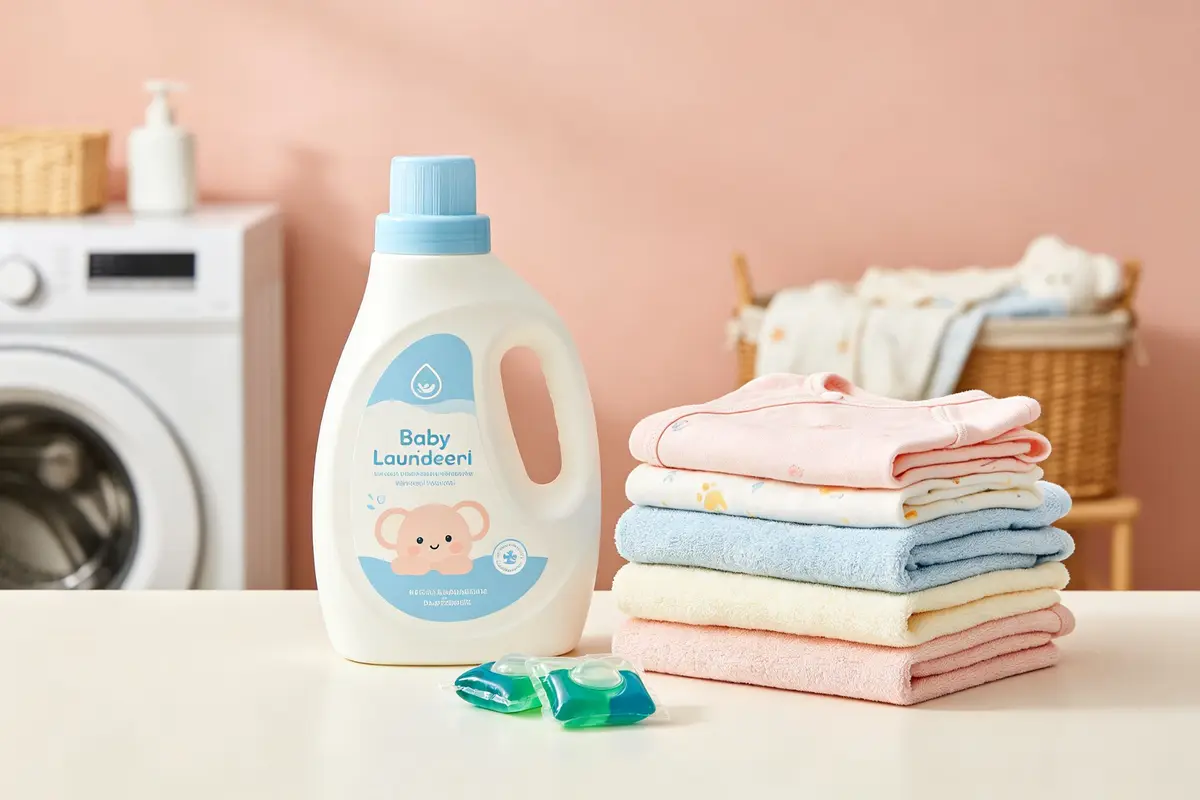
Best Baby Laundry Detergent for Sensitive Skin 2026: Expert Guide for Southeast Asian Parents
Baby skin is up to 30% thinner than adult skin with an immature protective barrier, making it highly susceptible to irritation from residual laundry detergents, fabric softeners, and other laundry additives. Up to 20% of babies develop eczema (atopic dermatitis) in their first year, and laundry products are a common trigger for skin irritation and allergic reactions.Public estimates for this market differ widely by source and by scope, so we do not quote a market size or a growth rate here. What we can speak to is the direction, and we would rather help you size one market from figures you can verify than publish a number we cannot source. This expert guide provides parents with everything they need to know to choose the best baby laundry detergent for sensitive skin in Southeast Asia.
Market Overview & Key Trends
The Southeast Asian baby laundry detergent market is being shaped by several important trends:
- Fragrance-free and hypoallergenic demand: Fragrance-free baby laundry detergents now account for 45% of baby detergent sales in Southeast Asia, up from 28% in 2022. Parents actively avoid synthetic fragrances, dyes, and optical brighteners, which are common causes of skin irritation and allergic contact dermatitis in babies.Public estimates for this market differ widely by source and by scope, so we do not quote a market size or a growth rate here. What we can speak to is the direction, and we would rather help you size one market from figures you can verify than publish a number we cannot source. Parents prefer detergents made with plant-derived surfactants (coconut, corn, sugar) rather than petroleum-based surfactants, and products with minimal, recognizable ingredients.
- E-commerce growth: Online sales of baby laundry products grew 35% YoY in 2025, with Shopee, Lazada, and TikTok Shop capturing 74% of online sales. Subscription/replenishment models are growing rapidly as parents automate their laundry detergent purchases.
- Cloth diaper resurgence: With growing environmental awareness and the high cost of disposable diapers in some markets, cloth diapering is experiencing a resurgence in urban Southeast Asia. This drives demand for cloth-diaper-safe detergents (free from fabric softeners, optical brighteners, and certain enzymes that can reduce diaper absorbency).
- Eczema and sensitive skin focus: As rates of baby eczema rise (now affecting 15-20% of babies in urban Southeast Asia), parents increasingly seek detergents specifically formulated for eczema-prone skin, with dermatologist/pediatrician testing and minimal ingredients.
Why Regular Laundry Detergent Can Irritate Baby Skin
Regular adult laundry detergents often contain ingredients that can irritate or cause allergic reactions in babies with sensitive skin:
- Synthetic fragrances: The #1 cause of allergic contact dermatitis from laundry products. "Fragrance" or "parfum" on a label can contain dozens of undisclosed synthetic compounds, including phthalates (potential developmental toxins) and musks (potential hormone disruptors). Even "unscented" products may contain masking fragrances to hide the smell of other ingredients—always look for "fragrance-free," not "unscented."
- Dyes and artificial colors: FD&C dyes and artificial colorants can cause skin irritation and allergic reactions in sensitive babies. They serve no functional purpose in laundry detergent (purely cosmetic).
- Optical brighteners: These chemicals (stilbenes, coumarins) absorb UV light and emit blue light to make clothes appear whiter and brighter. They remain on fabric after washing and can cause skin irritation, especially in babies with eczema or sensitive skin. They are also not biodegradable and can be toxic to aquatic life.
- Harsh surfactants: Some adult detergents use strong anionic surfactants (like linear alkylbenzene sulfonates, LAS) that can be irritating to baby skin if not fully rinsed. Plant-based, non-ionic, or mild anionic surfactants (like sodium cocoyl isethionate or alkyl polyglucosides) are gentler.
- Enzymes: Proteases, amylases, lipases, and cellulases are added to detergents to break down stains (protein, starch, fat, fabric fuzz). While effective at stain removal, enzymes can remain on fabric and cause skin irritation or allergic reactions in sensitive babies, especially those with eczema. For very sensitive skin, enzyme-free detergents may be preferable.
- Fabric softeners and dryer sheets: These products coat fabric with chemicals (quaternary ammonium compounds, fragrances, silicone) to reduce static and add softness. These coatings can irritate baby skin and reduce the absorbency of cloth diapers and towels. Most pediatric dermatologists recommend avoiding fabric softeners and dryer sheets for baby laundry, especially for babies with eczema or sensitive skin.
- Preservatives: Some detergents use preservatives like methylisothiazolinone (MI) and methylchloroisothiazolinone (MCI), which are common contact allergens and have been restricted in leave-on products in the EU due to allergy risk. Look for detergents without these preservatives.
Residue is the key issue: Even if a detergent ingredient is safe in the wash water, if it doesn't fully rinse out of the fabric, it remains in contact with your baby's skin 24/7. Babies have more skin-to-fabric contact (they're wrapped in blankets, wear onesies, sleep on sheets) and thinner skin that absorbs ingredients more readily. This is why choosing a gentle, well-rinsing detergent is so important for babies with sensitive skin or eczema.
Key Features to Look For in a Baby Laundry Detergent
- Fragrance-free: No synthetic or natural fragrances (even essential oils can be irritating for very sensitive skin). Look for "fragrance-free" on the label, not "unscented" (which may contain masking chemicals).
- Dye-free: No artificial colors or dyes.
- Hypoallergenic: Formulated to minimize allergic reactions. While "hypoallergenic" is not a regulated term, products that carry this claim and have been dermatologist/pediatrician tested are more reliable.
- No optical brighteners: Look for "no optical brighteners" or "no brighteners" on the label.
- Plant-based or mild surfactants: Plant-derived surfactants (coconut, corn, sugar-based) are gentler than petroleum-based harsh surfactants.
- Enzyme-free (for very sensitive skin/eczema): If your baby has eczema or very sensitive skin, consider an enzyme-free detergent. Enzymes can be irritating for some babies. For normal skin, enzymes are fine and help with stain removal.
- Pediatrician/dermatologist tested: Look for products tested under pediatric or dermatological supervision. Dermatest certification is a reliable third-party validation.
- Cloth diaper safe (if using cloth diapers): Free from fabric softeners, optical brighteners, and certain enzymes that can reduce diaper absorbency or cause diaper repelling (wax buildup that makes diapers leak).
- Minimal ingredient list: Fewer ingredients = fewer potential irritants. Look for products with simple, recognizable ingredients.
- Biodegradable and eco-friendly: Plant-based, biodegradable formulations are gentler on the environment and often gentler on skin too.
- Formats: Liquid detergents are generally preferred for baby laundry (dissolve better, less residue than powders, especially in hard water or cold water). Powder detergents can be effective but may leave more residue in hard water. Laundry pacs/pods are convenient but can be more expensive and may not fully dissolve in cold water (use warm water for pacs). For babies with very sensitive skin, liquid is usually the safest choice.
Best Baby Laundry Detergents for Sensitive Skin in Southeast Asia (2026)
1. Dropps Baby Laundry Detergent Pods (Fragrance-Free): - Features: Plant-based, fragrance-free, dye-free, hypoallergenic, no optical brighteners, no phthalates, no parabens, enzyme-free formula. Pediatrician and dermatologist tested. Cloth diaper safe. Biodegradable, eco-friendly, cruelty-free. Dissolvable pod packaging (no plastic waste). - Price: USD 0.20-0.30 per load (premium). - Best for: Parents seeking a convenient, eco-friendly, enzyme-free option for very sensitive skin or eczema, cloth diaper users. - Available at: iHerb, Shopee, Lazada.
2. Seventh Generation Baby Laundry Detergent (Free & Clear): - Features: Plant-based surfactants (coconut, corn, sugar), fragrance-free, dye-free, hypoallergenic, no optical brighteners, no phthalates, no parabens. USDA Certified Biobased Product (97%). Pediatrician tested. Effective stain removal with plant-derived enzymes. Cloth diaper safe. - Price: USD 0.15-0.25 per load (mid-premium). - Best for: Parents seeking a trusted, plant-based, effective detergent for everyday baby laundry, environmentally conscious families. - Available at: iHerb, Shopee, Lazada, Watsons (Singapore/Malaysia).
3. Attitude Baby Laundry Detergent (Fragrance-Free): - Features: Plant-based, hypoallergenic, fragrance-free, dye-free, no optical brighteners, no enzymes (sensitive formula), no SLS/SLES, no parabens, no phthalates. EWG Verified (highest safety standard). Dermatologist tested. Cloth diaper safe. Vegan, cruelty-free, biodegradable. Available in liquid and powder formats. - Price: USD 0.18-0.28 per load (premium). - Best for: Parents seeking EWG Verified safety, enzyme-free option for eczema/very sensitive skin, eco-conscious families. - Available at: iHerb, Shopee, Lazada.
4. Pureen Baby Laundry Detergent (Fragrance-Free): - Features: Regional brand (Malaysia-based) widely available across Southeast Asia. Fragrance-free, dye-free, hypoallergenic, mild formulation, pediatrician tested. Affordable and accessible. Effective for everyday baby laundry. Available in liquid and powder formats. - Price: USD 0.05-0.10 per load (budget, excellent value). - Best for: Budget-conscious parents seeking an affordable, fragrance-free, hypoallergenic option, families who do lots of baby laundry, everyday use. - Available at: Supermarkets, Watsons, Guardian, Shopee, Lazada across Malaysia, Singapore, Thailand, Indonesia, Philippines.
5. Moni Happy Baby Laundry Detergent (Fragrance-Free, Sensitive Skin): - Features: Regional brand formulated for Southeast Asian tropical climates and hard water conditions. Plant-based mild surfactants (coconut-derived), fragrance-free, dye-free, hypoallergenic, no optical brighteners, no phthalates, no parabens, no SLS/SLES. Dermatest certified, pediatrician tested. Enzyme-free formula for very sensitive skin and eczema. Cloth diaper safe. Specifically formulated for hard water (common in many Southeast Asian regions) with added water softeners to prevent mineral buildup on fabrics. Biodegradable, eco-friendly. Available in liquid format. - Price: USD 0.06-0.12 per load (excellent value—premium formulation at accessible pricing). - Best for: Babies with sensitive skin or eczema, families in hard-water regions, cloth diaper users, budget-conscious parents seeking Dermatest-certified premium quality, everyday use in tropical climates. - Available at: Moni Happy official store, Shopee, Lazada, TikTok Shop across all Southeast Asian markets. For retailers and distributors, visit the Moni Happy partnership page.
6. Charlie's Soap Baby Laundry Powder (Fragrance-Free): - Features: Minimal ingredient list (only 4 ingredients: washing soda, sodium carbonate, C12-15 alcohol ethoxylate, sodium metasilicate). Fragrance-free, dye-free, no optical brighteners, no enzymes, no fillers. Hypoallergenic. Very effective at cleaning and rinsing completely (no residue). Cloth diaper safe (popular in the cloth diapering community for its rinsability). Biodegradable, eco-friendly. - Price: USD 0.08-0.15 per load (mid-range, excellent value for the concentration). - Best for: Parents seeking a minimal-ingredient, residue-free option, cloth diaper users, babies with eczema or very sensitive skin. - Available at: iHerb, Shopee, Lazada.
Baby Laundry Best Practices
- Wash baby clothes separately (at least initially): For the first 3-6 months, wash baby clothes, blankets, towels, and bedding separately from adult laundry to minimize exposure to harsher adult detergents and to prevent cross-contamination with adult skin products, perfumes, and chemicals. After 6 months, you can wash baby clothes with the rest of the family's laundry if using a gentle, fragrance-free detergent for everything.
- Use the right amount of detergent: More is NOT better—using too much detergent leaves residue on clothes that can irritate baby skin. Follow the manufacturer's recommended amount for your load size and water hardness. If you have hard water, you may need slightly more, but don't overdo it. For high-efficiency (HE) washers, use HE-formulated detergent or reduce the amount (HE washers use less water, so less detergent is needed).
- Extra rinse cycle: For babies with sensitive skin or eczema, use an extra rinse cycle to ensure all detergent residue is removed from the fabric. This is especially important if you have hard water (minerals can bind with detergent and leave more residue) or if you use powder detergent.
- Avoid fabric softeners and dryer sheets: As mentioned, fabric softeners and dryer sheets coat fabric with chemicals that can irritate baby skin and reduce absorbency. If you want softer clothes, use wool dryer balls (reusable, chemical-free, reduce drying time) or add 1/4 cup of white vinegar to the rinse cycle (natural fabric softener, also helps remove detergent residue—vinegar smell dissipates as clothes dry).
- Wash new clothes before wearing: Always wash new baby clothes, blankets, and bedding before your baby uses them. New clothes contain manufacturing residues (sizing chemicals, dyes, formaldehyde treatments to prevent wrinkling, pesticides from conventional cotton) that can irritate baby skin. Wash with a gentle, fragrance-free detergent before first use.
- Water temperature: Warm water (30-40°C / 85-105°F) is generally best for baby laundry—effective at removing stains and killing some bacteria without being too hot. Hot water (60°C / 140°F+) can be used for cloth diapers or if someone in the household is sick, but it can fade colors and damage delicate fabrics over time. Cold water is fine for lightly soiled clothes and is more energy-efficient, but may not remove all stains or bacteria.
- Stain treatment: For baby stains (formula, breast milk, baby food, poop, urine), treat stains as soon as possible. Use a small amount of the gentle detergent directly on the stain, or a paste of baking soda and water. Let it sit for 10-15 minutes before washing. Avoid bleach (chlorine bleach is too harsh for baby clothes and can irritate skin; oxygen bleach/hydrogen peroxide is a gentler alternative for tough stains, but rinse thoroughly).
- Drying: Line drying in the sun is ideal for baby laundry—sunlight has natural antibacterial and bleaching properties (great for stains), and it's energy-efficient. However, direct sunlight can fade colors over time. If using a dryer, use a low or medium heat setting (high heat can damage delicate fabrics and set stains). Avoid dryer sheets. Wool dryer balls are a great chemical-free alternative.
- Cloth diaper washing: If using cloth diapers, use a cloth-diaper-safe detergent (free from fabric softeners, optical brighteners, and certain enzymes). Wash cloth diapers every 1-2 days (don't let soiled diapers sit too long—bacteria can grow and stains can set). Use a warm wash with the recommended amount of detergent, followed by an extra rinse. Avoid using fabric softeners or diaper creams with zinc oxide/petroleum (they can cause diaper repelling—wax buildup that makes diapers leak). If using barrier creams, use a reusable fleece liner to protect the diaper.
Article Summary
Baby skin is 30% thinner with an immature barrier, making it highly susceptible to irritation from laundry detergent residue—up to 20% of babies develop eczema, and laundry products are a common trigger.Public estimates for this market differ widely by source and by scope, so we do not quote a market size or a growth rate here. What we can speak to is the direction, and we would rather help you size one market from figures you can verify than publish a number we cannot source. Regular adult detergents often contain irritants: synthetic fragrances (#1 cause of allergic contact dermatitis, may contain phthalates), dyes, optical brighteners (remain on fabric, irritate skin, toxic to aquatic life), harsh surfactants, enzymes (can irritate eczema-prone skin), fabric softeners/dryer sheets (coat fabric with chemicals, reduce absorbency), and preservatives like MI/MCI (common allergens). Residue is the key issue—babies have more skin-to-fabric contact and thinner skin that absorbs ingredients more readily. Key features to look for: fragrance-free (not "unscented"), dye-free, hypoallergenic, no optical brighteners, plant-based/mild surfactants, enzyme-free (for very sensitive skin/eczema), pediatrician/dermatologist tested (Dermatest certification), cloth diaper safe, minimal ingredient list, biodegradable, and liquid format (dissolves better, less residue than powder/pacs). Top products available in Southeast Asia: Dropps Baby (enzyme-free, plant-based pods, eco-friendly, premium), Seventh Generation Baby Free & Clear (USDA 97% biobased, plant-based, effective, trusted), Attitude Baby (EWG Verified, enzyme-free, dermatologist tested, premium), Pureen Baby (regional brand, affordable, accessible, fragrance-free, budget), Moni Happy Baby Laundry Detergent (plant-based, Dermatest certified, enzyme-free, cloth diaper safe, formulated for hard water/tropical climates, excellent value at USD 0.06-0.12/load), and Charlie's Soap (only 4 ingredients, residue-free, cloth diaper favorite). Best practices: wash baby clothes separately for first 3-6 months, use the right amount of detergent (more isn't better—residue irritates), use an extra rinse cycle for sensitive skin/eczema, avoid fabric softeners/dryer sheets (use wool dryer balls or white vinegar in rinse), wash new clothes before wearing (remove manufacturing residues), use warm water (30-40°C), treat stains promptly with detergent or baking soda paste (avoid chlorine bleach), line dry in sun (natural antibacterial/bleaching) or low/medium dryer heat, and for cloth diapers use cloth-diaper-safe detergent, wash every 1-2 days, avoid barrier creams with zinc oxide/petroleum (use fleece liners). Parents can explore Moni Happy baby laundry detergent formulated for sensitive skin and tropical climates, and businesses can learn about distribution partnerships in this fast-growing market.
Frequently Asked Questions
What is the safest laundry detergent for babies with sensitive skin or eczema?
The safest laundry detergent for babies with sensitive skin or eczema is one that is fragrance-free, dye-free, hypoallergenic, free from optical brighteners, uses plant-based or mild surfactants, and ideally is enzyme-free (for very sensitive skin). Here's a comprehensive guide: WHY BABY SKIN IS MORE SENSITIVE: - Baby skin is up to 30% thinner than adult skin, with an immature protective barrier (stratum corneum). - Babies absorb ingredients through their skin more readily than adults. - Babies have more skin-to-fabric contact (they're wrapped in blankets, wear onesies, sleep on sheets 24/7), so any detergent residue left in fabrics is in constant contact with their skin. - Up to 20% of babies develop eczema (atopic dermatitis) in their first year, and laundry products are a common trigger for flare-ups. - The skin barrier in eczema-prone babies is even more compromised, making them extra sensitive to irritants. INGREDIENTS TO AVOID (THESE ARE THE MOST COMMON IRRITANTS): 1) SYNTHETIC FRAGRANCES/PERFUME: - The #1 cause of allergic contact dermatitis from laundry products. - 'Fragrance' or 'parfum' on a label can contain dozens of undisclosed synthetic compounds (phthalates, musks, allergens) that don't have to be individually listed due to trade secret laws. - Even 'natural fragrances' or essential oils can be irritating for very sensitive skin—fragrance-free is safest. - IMPORTANT: 'Unscented' is NOT the same as 'fragrance-free.' 'Unscented' products may contain masking chemicals that hide the smell of other ingredients. Always look for 'fragrance-free' on the label. 2) DYES AND ARTIFICIAL COLORS: - FD&C dyes and artificial colorants can cause skin irritation and allergic reactions. - They serve no functional purpose in laundry detergent (purely cosmetic to make the detergent look a certain color). - Choose dye-free formulas. 3) OPTICAL BRIGHTENERS (fluorescent whitening agents): - Chemicals (stilbenes, coumarins) that absorb UV light and emit blue light to make clothes appear whiter and brighter. - They REMAIN ON FABRIC after washing (that's how they work—they coat the fibers) and are in constant contact with your baby's skin. - Can cause skin irritation, especially in babies with eczema or sensitive skin. - Not biodegradable and can be toxic to aquatic life. - Look for 'no optical brighteners' or 'no brighteners' on the label. 4) FABRIC SOFTENERS AND DRYER SHEETS (separate products, but related): - Coat fabric with chemicals (quaternary ammonium compounds, fragrances, silicone) to reduce static and add softness. - These coatings REMAIN ON FABRIC and can irritate baby skin. - They REDUCE THE ABSORBENCY of cloth diapers, towels, and washcloths (the coating makes water bead off instead of absorbing). - Most pediatric dermatologists recommend AVOIDING fabric softeners and dryer sheets for baby laundry, especially for babies with eczema or sensitive skin. - Natural alternatives: wool dryer balls (reusable, chemical-free, reduce drying time) or 1/4 cup white vinegar in the rinse cycle (natural fabric softener, helps remove detergent residue—vinegar smell dissipates as clothes dry). 5) ENZYMES (proteases, amylases, lipases, cellulases): - Added to detergents to break down stains (protein, starch, fat, fabric fuzz). - While effective at stain removal, enzymes can REMAIN ON FABRIC and cause skin irritation or allergic reactions in sensitive babies, especially those with eczema. - For babies with eczema or very sensitive skin, consider an ENZYME-FREE detergent. - For babies with normal skin, enzymes are generally fine and help with stain removal. 6) HARSH SURFACTANTS: - Some adult detergents use strong anionic surfactants (linear alkylbenzene sulfonates, LAS) that can be irritating if not fully rinsed. - Look for plant-based, non-ionic, or mild anionic surfactants (sodium cocoyl isethionate, alkyl polyglucosides, coco-glucoside) that are gentler. 7) PRESERVATIVES LIKE MI/MCI: - Methylisothiazolinone (MI) and methylchloroisothiazolinone (MCI) are common contact allergens. - Restricted in leave-on products in the EU due to allergy risk. - Look for detergents without these preservatives. 8) PHOSPHATES: - Can cause skin irritation and are environmentally harmful (cause algal blooms in waterways). - Banned in many countries, but check the label. RECOMMENDED SAFEST DETERGENTS (all fragrance-free, dye-free, hypoallergenic, no optical brighteners): - FOR ECZEMA / VERY SENSITIVE SKIN (enzyme-free): Attitude Baby Laundry Detergent (Fragrance-Free) — EWG Verified, enzyme-free, plant-based, dermatologist tested, cloth diaper safe. Dropps Baby Laundry Detergent Pods (Fragrance-Free) — enzyme-free, plant-based, pediatrician/dermatologist tested, cloth diaper safe, biodegradable pods. Charlie's Soap Baby Laundry Powder — only 4 ingredients, completely residue-free, enzyme-free, cloth diaper safe (popular in cloth diapering community). Moni Happy Baby Laundry Detergent (Fragrance-Free, Sensitive Skin) — plant-based, Dermatest certified, enzyme-free, cloth diaper safe, formulated for hard water/tropical climates, excellent value. - FOR NORMAL SENSITIVE SKIN (with enzymes for stain removal): Seventh Generation Baby Laundry Detergent (Free & Clear) — USDA 97% biobased, plant-based, pediatrician tested, effective, cloth diaper safe. Pureen Baby Laundry Detergent (Fragrance-Free) — regional brand, affordable, accessible, hypoallergenic, pediatrician tested. FORMAT RECOMMENDATIONS: - LIQUID detergents are generally preferred for baby laundry: they dissolve better in all water temperatures (including cold), leave less residue than powders (especially in hard water), and are easier to measure accurately. - POWDER detergents can be effective and are often more affordable, but may leave more residue in hard water (minerals bind with detergent). If using powder, ensure your water is soft or use a water softener, and use an extra rinse cycle. - LAUNDRY PACS/PODS are convenient but: can be more expensive, may not fully dissolve in cold water (use warm water), and the plastic pod packaging may not be ideal for very sensitive skin (though most pods are dissolvable). For babies with very sensitive skin, liquid is usually the safest choice. ADDITIONAL TIPS FOR SENSITIVE SKIN/ECZEMA: 1) Use an EXTRA RINSE CYCLE to ensure all detergent residue is removed. This is the single most effective thing you can do to reduce irritation from laundry detergent. 2) Use the RIGHT AMOUNT of detergent—follow the manufacturer's recommendation for your load size and water hardness. MORE IS NOT BETTER—excess detergent leaves residue that irritates skin. For HE (high-efficiency) washers, use less detergent (HE washers use less water). 3) WASH BABY CLOTHES SEPARATELY for the first 3-6 months (to avoid cross-contamination with adult detergents, perfumes, and chemicals). After 6 months, you can wash with the family's laundry if using a gentle, fragrance-free detergent for everything. 4) WASH NEW CLOTHES BEFORE WEARING—new clothes contain manufacturing residues (sizing chemicals, dyes, formaldehyde wrinkle treatments, pesticides from conventional cotton) that can irritate baby skin. 5) AVOID FABRIC SOFTENERS AND DRYER SHEETS entirely for baby laundry. Use wool dryer balls or white vinegar in the rinse instead. 6) LINE DRY IN THE SUN when possible—sunlight has natural antibacterial and mild bleaching properties (great for stains), and it's energy-efficient. (Note: direct sun can fade colors over time, so turn colored clothes inside out.) 7) If you've been using a regular detergent and your baby has eczema or persistent irritation, do a 'detergent strip' wash: run the baby's clothes through a hot wash with no detergent (or with a small amount of washing soda) to remove built-up residue, then switch to a gentle, fragrance-free detergent. 8) Do a 'patch test' for new detergents: wash one small item (like a burp cloth or onesie) with the new detergent, let your baby use/wear it for a day, and check for any skin reaction before washing all baby clothes with it. The bottom line: For babies with sensitive skin or eczema, choose a fragrance-free, dye-free, hypoallergenic, enzyme-free detergent with no optical brighteners, plant-based mild surfactants, and pediatrician/dermatologist testing (Dermatest certification is reliable). Use liquid format, the correct amount, an extra rinse cycle, and avoid fabric softeners/dryer sheets. Top recommendations for eczema/very sensitive skin: Attitude Baby (EWG Verified, enzyme-free), Dropps Baby (enzyme-free, convenient pods), Charlie's Soap (minimal 4-ingredient, residue-free), or Moni Happy Baby (Dermatest certified, enzyme-free, formulated for hard water/tropical climates, excellent value). With the right detergent and laundry practices, you can significantly reduce skin irritation and eczema flare-ups caused by laundry products.
Do I need to wash baby clothes separately and can I use fabric softener on baby clothes?
Washing baby clothes separately and whether to use fabric softener are two of the most common questions new parents ask. Here's a comprehensive, evidence-based answer: WASHING BABY CLOTHES SEPARATELY: SHORT ANSWER: Yes, for the first 3-6 months, it's recommended to wash baby clothes, blankets, towels, and bedding separately from adult laundry. After 6 months, you can wash baby clothes with the rest of the family's laundry IF you're using a gentle, fragrance-free, hypoallergenic detergent for everything. HERE'S WHY SEPARATE WASHING IS RECOMMENDED INITIALLY: 1) BABY SKIN IS MORE SENSITIVE: - Baby skin is 30% thinner with an immature barrier, so it absorbs irritants more readily. - Adult clothes may carry residues from harsher adult detergents, fabric softeners, perfumes, colognes, deodorants, and other personal care products that can transfer to baby clothes during a shared wash. - Even if you use the same detergent, adult clothes may have built-up residues from previous washes with different products. 2) DIFFERENT CLEANING NEEDS: - Baby clothes have different types of stains (formula, breast milk, baby food, poop, urine, spit-up) that may require different treatment than adult stains (food, sweat, dirt, makeup). - Baby clothes are often made of more delicate fabrics (cotton, bamboo, organic blends) that may require gentler wash cycles than adult clothes (jeans, work clothes, synthetic fabrics). 3) HYGIENE: - Baby clothes, especially cloth diapers, bibs, and burp cloths, may have more bacteria from bodily fluids. - Washing separately reduces the risk of cross-contamination with adult clothes that may carry different bacteria (e.g., from workout clothes, socks, underwear). - This is especially important if anyone in the household has a skin infection (impetigo, ringworm, staph) or is sick. 4) CLOTH DIAPERS: - If you use cloth diapers, they MUST be washed separately from all other laundry. - Cloth diapers require specific washing routines (pre-rinse, hot wash, extra rinse) and detergents (cloth-diaper-safe, no fabric softeners, no optical brighteners). - Washing cloth diapers with regular clothes can lead to cross-contamination, reduced diaper absorbency, and damage to regular clothes from the harsher wash routine. WHEN YOU CAN STOP WASHING SEPARATELY: - After 3-6 months, when your baby's skin barrier has matured somewhat and you've established a gentle laundry routine, you can start washing baby clothes with the rest of the family's laundry—IF: - You use a gentle, fragrance-free, hypoallergenic detergent for ALL laundry (not just baby clothes). - You don't use fabric softeners or dryer sheets on any laundry (or if you do, use them only on adult clothes and wash baby clothes separately). - No one in the household has a contagious skin infection or illness. - You wash heavily soiled items (cloth diapers, dirty workout clothes, underwear) separately or at least pre-treat/pre-rinse them. - Start by mixing a few baby items with adult laundry and monitor your baby's skin for any reaction. If no irritation, you can gradually combine all laundry. - Many parents continue to wash baby clothes separately for the first year or even longer, especially if the baby has eczema or very sensitive skin. There's no harm in continuing separate washing—it's a personal choice based on your baby's skin sensitivity and your laundry routine. FABRIC SOFTENER ON BABY CLOTHES: SHORT ANSWER: NO, it's generally recommended to AVOID fabric softeners and dryer sheets on baby clothes, especially for babies with sensitive skin or eczema, and NEVER on cloth diapers, towels, or washcloths. HERE'S WHY FABRIC SOFTENERS ARE NOT RECOMMENDED FOR BABY LAUNDRY: 1) SKIN IRRITATION AND ALLERGIC REACTIONS: - Fabric softeners and dryer sheets COAT FABRIC with a thin layer of chemicals (quaternary ammonium compounds, fragrances, silicone, emulsifiers) to reduce static and add softness. - This coating REMAINS ON THE FABRIC after washing/drying and is in constant contact with your baby's skin 24/7. - Synthetic fragrances in fabric softeners are the #1 cause of allergic contact dermatitis from laundry products. - Other ingredients (quaternary ammonium compounds, preservatives) can also cause skin irritation, especially in babies with eczema or sensitive skin. - The American Academy of Dermatology and most pediatric dermatologists recommend avoiding fabric softeners and dryer sheets for babies with eczema or sensitive skin. 2) REDUCED ABSORBENCY: - Fabric softeners coat fabric fibers with a waxy, silicone-based film that makes fabric feel softer but also REDUCES ITS ABILITY TO ABSORB WATER. - This is a MAJOR problem for: - Cloth diapers: fabric softener buildup causes 'diaper repelling'—water beads off the diaper instead of absorbing, leading to leaks and blowouts. This is one of the most common causes of cloth diaper leaks. - Baby towels and washcloths: reduced absorbency means they don't dry your baby as effectively. - Crib sheets and mattress protectors: reduced absorbency means spills aren't absorbed as well. - Once fabric softener buildup occurs, it's difficult to remove and may require multiple hot washes with washing soda or specialized cleaners to strip the buildup. 3) FLAMMABILITY: - Fabric softeners can make certain fabrics (especially children's sleepwear, which is required to be flame-resistant) more flammable. - The US Consumer Product Safety Commission (CPSC) warns against using fabric softeners on children's sleepwear because they can reduce the flame-resistant properties of the fabric. 4) ENVIRONMENTAL CONCERNS: - Fabric softeners contain chemicals that are not readily biodegradable and can be toxic to aquatic life. - Dryer sheets are single-use products that contribute to landfill waste. - The fragrances in fabric softeners can contribute to indoor air pollution (volatile organic compounds, VOCs). 5) NOT NECESSARY: - Most modern baby clothes (made of cotton, bamboo, or soft blends) are already soft and don't need fabric softener. - Line drying or using wool dryer balls naturally softens clothes without chemicals. - If clothes feel stiff after line drying, a quick tumble in the dryer (no dryer sheet) will soften them. SAFE ALTERNATIVES TO FABRIC SOFTENERS: 1) WOOL DRYER BALLS: - Reusable (last 1,000+ loads), chemical-free, and reduce drying time by 20-30% (saves energy and money). - They naturally soften clothes by tumbling and separating fabrics, allowing hot air to circulate better. - Can add a few drops of essential oil (lavender, lemon) to the balls for a light, natural scent (optional—fragrance-free is safest for babies). - Much more eco-friendly and cost-effective than dryer sheets (one set of wool balls replaces hundreds of dryer sheet boxes). 2) WHITE VINEGAR IN THE RINSE CYCLE: - Add 1/4 to 1/2 cup of white distilled vinegar to the fabric softener dispenser or directly to the rinse cycle. - Vinegar is a natural fabric softener that helps remove detergent residue, mineral buildup (from hard water), and soap scum from fabrics. - It also helps set colors and prevent fading. - The vinegar smell dissipates completely as clothes dry—your clothes won't smell like vinegar. - Safe for all fabrics, including baby clothes, cloth diapers, and towels. - Very affordable and eco-friendly. 3) BAKING SODA: - Add 1/2 cup of baking soda to the wash cycle (along with detergent) to naturally soften water, remove odors, and boost cleaning. - Baking soda also helps remove stains and brighten whites. - Safe for baby clothes and cloth diapers. 4) LINE DRYING: - Hanging clothes to dry naturally (on a clothesline or drying rack) results in softer, fresher-smelling clothes without any chemicals. - Sunlight also has natural antibacterial and mild bleaching properties (great for stains). - Energy-efficient and eco-friendly. - If clothes feel stiff after line drying, a 5-10 minute tumble in the dryer (no dryer sheet) will soften them. 5) SHAKE AND FLUFF: - Simply shaking clothes out before hanging or putting them in the dryer helps reduce wrinkles and stiffness. - A quick tumble in the dryer on low heat (no dryer sheet) will fluff and soften clothes. IF YOU STILL WANT TO USE FABRIC SOFTENER: - If you choose to use fabric softener on adult clothes (not baby clothes), use it sparingly and only on adult items. - Wash baby clothes separately (without fabric softener). - Avoid using fabric softener on: baby clothes, cloth diapers, towels, washcloths, children's sleepwear (flammability concern), workout clothes (reduces moisture-wicking properties), and water-resistant fabrics. - Choose a fragrance-free, dye-free fabric softener (though even these contain the coating chemicals that reduce absorbency). - Use half the recommended amount to reduce buildup. The bottom line: Wash baby clothes separately for the first 3-6 months (and longer if your baby has eczema or very sensitive skin), then you can combine with family laundry if using a gentle, fragrance-free detergent for everything. AVOID fabric softeners and dryer sheets on baby clothes entirely—they coat fabric with irritating chemicals, reduce absorbency (especially problematic for cloth diapers and towels), can reduce the flame resistance of children's sleepwear, and are unnecessary. Use wool dryer balls, white vinegar in the rinse cycle, baking soda, line drying, or a quick dryer tumble (no sheet) as safe, chemical-free alternatives. With these practices, you can keep your baby's clothes soft, clean, and gentle on their sensitive skin without exposing them to unnecessary chemicals.
Can I use regular laundry detergent for baby clothes or do I need special baby detergent?
You can use regular laundry detergent IF it is fragrance-free, dye-free, hypoallergenic, and free from optical brighteners and harsh surfactants. However, many regular adult detergents contain synthetic fragrances (#1 cause of allergic contact dermatitis from laundry), dyes, optical brighteners (remain on fabric contacting baby skin 24/7), harsh surfactants, enzymes (irritate eczema), and MI/MCI preservatives (common allergens). Baby-specific detergents use plant-based/mild surfactants, are fragrance-free/dye-free/no optical brighteners, many are enzyme-free, pediatrician/dermatologist tested, hypoallergenic, cloth-diaper-safe, and rinse more completely. For first 3-6 months, use gentle baby detergent and wash separately. After 6 months (if no sensitive skin/eczema), you can switch to a regular free-and-clear formula (Tide Free & Gentle, Arm & Hammer Sensitive Skin) and wash with family laundry. If baby has eczema/very sensitive skin, continue gentle enzyme-free baby detergent. Always do a patch test when switching detergents.
How do I remove baby formula, poop, and food stains from baby clothes?
Baby stains are tough but most can be removed with the right technique. General principles: treat stains ASAP (longer sitting = harder to remove), don't put stained clothes in dryer (heat sets stains), check care labels, use gentle fragrance-free detergent. FORMULA/BREAST MILK (protein-based): rinse with COLD water immediately (hot sets protein), apply detergent directly, let sit 10-15 min, for stubborn stains make baking soda paste and let sit 30 min, wash in cold/warm water. For old yellowed stains, soak in oxygen bleach (OxiClean Baby) warm water 1-4 hours then wash. POOP (protein+bile): scrape off excess (don't rub), rinse with cold water from back of stain, apply detergent, let sit, for stubborn use baking soda paste or small amount of 3% hydrogen peroxide (test on colored fabrics first), wash in warm water. BABY FOOD: fruit/veg stains (carrot, berries, tomato)—rinse cold, apply detergent, for berry/tomato pour boiling water from height on colorfast fabrics, for orange stains soak in 1:2 vinegar:water 30 min then wash. Meat/gravy (protein)—treat like formula. Cereal (carb)—cold rinse, detergent, warm wash. General tips: always rinse from the BACK of the stain, use soft toothbrush to gently work in detergent (don't scrub hard), sunlight is natural bleach (hang stained whites in direct sun), oxygen bleach is safe and gentler than chlorine bleach, avoid chlorine bleach on baby clothes, for set-in stains soak overnight in warm water + oxygen bleach + detergent then wash. For cloth diapers: use cloth-diaper-safe detergent, wash every 1-2 days, warm wash (40-60°C), extra rinse, avoid zinc oxide/petroleum barrier creams without fleece liner.