
2026-09-04 · Moni Happy Editorial Team
Best Baby Nasal Aspirator 2026: Southeast Asia Buying Guide
Baby nasal congestion is one of the most common and distressing issues parents face, especially in Southeast Asia's tropical climate where high humidity, air conditioning, and seasonal respiratory viruses create the perfect conditions for stuffy little noses. The market for best baby nasal aspirator products has grown significantly across the region, with parents increasingly seeking effective, safe, and easy-to-use solutions for relieving baby congestion.Public estimates for this market differ widely by source and by scope, so we do not quote a market size or a growth rate here. What we can speak to is the direction: demand for biodegradable and plastic-free wipe formats is rising across the region, and we would rather help you size one market from figures you can verify than publish a number we cannot source.
Why Baby Nasal Congestion Matters
Babies are obligate nose breathers for the first 4-6 months of life, meaning they primarily breathe through their noses rather than their mouths. When a baby's nose is congested with mucus, it can interfere with feeding (babies can't breathe and suck simultaneously), sleep (congestion often worsens when lying flat), and overall comfort. A stuffy nose can also lead to secondary issues like ear infections (from Eustachian tube blockage), sinus pressure, and increased risk of lower respiratory infections.
In Southeast Asia, several factors contribute to high rates of baby nasal congestion:
- Air conditioning: Most homes, cars, malls, and offices use air conditioning, which dries out the nasal passages and can irritate the delicate lining of a baby's nose.
- Humidity and mold: The tropical climate creates high humidity, which can promote mold and dust mite growth—common allergens that trigger nasal congestion.
- Air pollution: Rapid urbanization has led to increasing air pollution in many Southeast Asian cities, with PM2.5 levels frequently exceeding safe limits, particularly during dry season and haze events.
- Respiratory viruses: The warm, humid climate is ideal for the survival and transmission of respiratory viruses like RSV, rhinovirus, and influenza, which cause nasal congestion as a primary symptom.
- Secondhand smoke: Despite regulations, exposure to secondhand smoke remains a concern in some households and public spaces, and is a significant irritant to baby nasal passages.
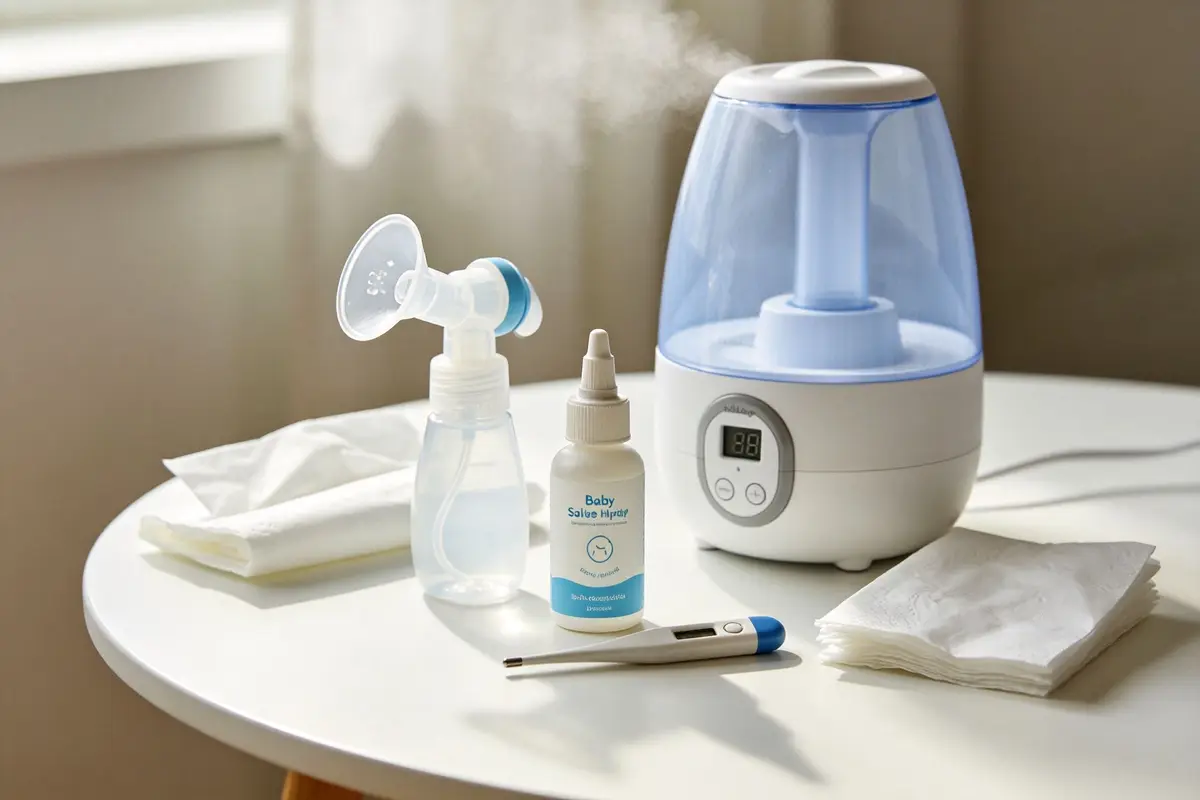
For these reasons, having an effective nasal aspirator is considered an essential item in most Southeast Asian baby care kits, alongside baby wipes, diapers, and thermometers.
Types of Baby Nasal Aspirators
There are four main types of baby nasal aspirators available on the market, each with distinct advantages and disadvantages:
1. Bulb syringe (rubber bulb aspirator): The traditional, most basic type. A soft rubber bulb attached to a plastic or silicone tip. Squeezing the bulb creates suction when released. Pros: inexpensive ($2-5), widely available at pharmacies and supermarkets, no batteries or filters required, easy to use. Cons: difficult to clean (mold can grow inside the bulb), limited and inconsistent suction, hard to control the force, the tip can be too large for newborn nostrils, many hospitals provide them for free but they are generally considered the least effective option. Best for occasional, light use.
2. Oral suction aspirator (mouth-powered): Popularized by the NoseFrida "Snotsucker," this type uses a tube with a filter. The parent places one end in the baby's nostril and sucks through the mouthpiece at the other end, creating controlled suction. A disposable filter prevents mucus from reaching the parent's mouth. Pros: highly effective (parents can control the suction strength), easy to clean (dishwasher safe or boilable), affordable ($10-20), portable, no batteries required, transparent design lets you see how much mucus is removed. Cons: some parents are squeamish about the concept (though the filter makes it hygienic), requires replacement filters (ongoing cost), the suction depends on the parent's ability, not suitable for parents who are uncomfortable with mouth suction. This is the most popular type among parents in many markets and consistently receives the highest user ratings.
3. Electric/battery-powered aspirator: Uses a small motor to create suction. Many models have adjustable suction levels, music or lights to distract the baby, and rechargeable batteries. Pros: consistent, adjustable suction, no effort from parent, some models have multiple tip sizes, convenient for frequent use, music/light features can distract fussy babies. Cons: more expensive ($20-60), requires batteries or charging, bulkier and less portable, motor noise may scare some babies, harder to clean (motor unit can't be submerged), some models have weak suction compared to oral aspirators. Best for parents who prefer not to use mouth suction and need frequent, consistent use.
4. Hospital-grade/electric pump aspirator: Larger, more powerful devices similar to what hospitals use. Some are designed for home use and connect to a power outlet. Pros: very powerful and effective, consistent suction, suitable for severe congestion or special needs babies. Cons: expensive ($50-200+), bulky and not portable, loud, overkill for most home use, may be too powerful for delicate baby nasal passages. Best for babies with chronic congestion, respiratory conditions, or special medical needs, often recommended by pediatricians for specific situations.
How to Use a Nasal Aspirator Safely and Effectively
Using a nasal aspirator correctly is essential for both effectiveness and safety. Follow these steps recommended by pediatricians:
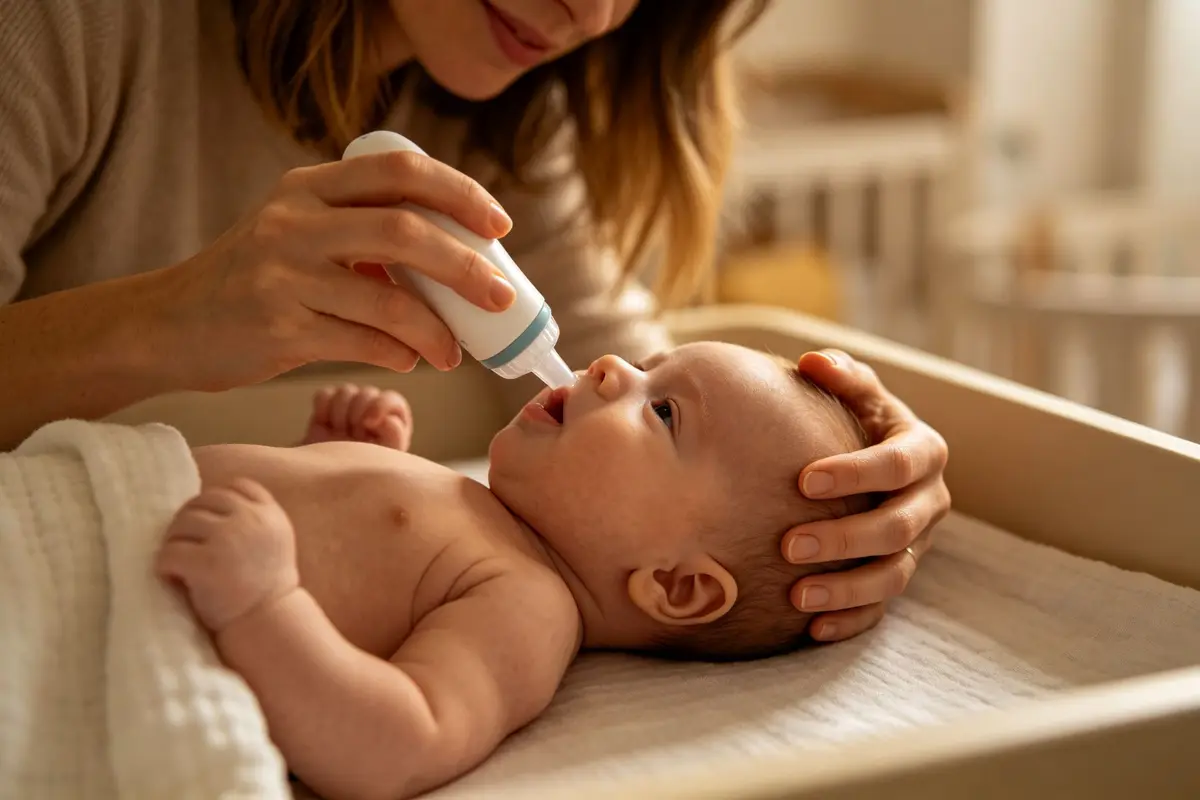
- Use saline drops first: Before suctioning, place 1-2 drops of sterile saline solution (or sterile water) in each nostril. This helps loosen and thin the mucus, making suctioning more effective and less irritating. Wait 30-60 seconds for the saline to work. You can use pre-made saline spray/drops (like Little Remedies, NeilMed, or store brands) or make your own with sterile water and a tiny amount of salt.
- Position your baby: Lay your baby on their back, preferably on a changing table or your lap. You may want to swaddle younger babies to keep their hands away. For babies who resist, having a second person hold the baby's head steady can be helpful.
- Insert the tip gently: Place the tip of the aspirator just inside the baby's nostril (no more than 1/4 inch / 6 mm). Do NOT insert deep into the nostril—this can irritate the delicate nasal lining and cause bleeding. The tip should create a gentle seal, not be forced in.
- Apply suction: For bulb syringes, squeeze the bulb first (before inserting), then release slowly to create suction. For oral aspirators, suck gently through the mouthpiece. For electric aspirators, turn on the device and use the lowest effective suction level. Move the tip in a gentle circular motion to help dislodge mucus.
- Suction one nostril at a time: Do one nostril, then the other. You can repeat if needed, but limit suctioning to 2-3 times per session to avoid irritation.
- Clean immediately: After each use, disassemble the aspirator and clean all parts that come into contact with mucus with warm soapy water. Rinse thoroughly and allow to air dry completely. For oral aspirators, replace the filter after each use. For bulb syringes, squeeze soapy water inside, shake, and rinse repeatedly—though thorough cleaning is difficult, which is why many parents prefer other types.
Important safety tips: Never use tap water for saline (use sterile or distilled water to avoid infection risk). Never share an aspirator between children without thorough sterilization. Never suction more than 3-4 times per day (over-suctioning can irritate the nasal lining and cause more congestion). If you see blood in the mucus or the baby's nose bleeds, stop suctioning and consult your pediatrician. Never use cotton swabs (Q-tips) inside a baby's nose—they can push mucus deeper and cause injury.
Additional Congestion Relief Strategies
A nasal aspirator is most effective when combined with other congestion relief strategies:
- Cool-mist humidifier: Running a cool-mist humidifier in the baby's room adds moisture to the air, helping to loosen mucus and soothe irritated nasal passages. Clean the humidifier daily to prevent mold and bacteria growth. Warm-mist humidifiers are generally not recommended for babies due to burn risk.
- Elevate the head of the crib: Placing a towel or pillow under the crib mattress (not under the baby) to elevate the head slightly can help mucus drain and reduce congestion during sleep. Never use pillows or positioners inside the crib with a sleeping baby (SIDS risk).
- Steam: Running a hot shower and sitting with your baby in the steamy bathroom for 10-15 minutes can help loosen congestion. This is especially effective before bedtime or before using the aspirator.
- Keep baby hydrated: Extra fluids (breast milk, formula, or water for babies 6+ months) help thin mucus and prevent dehydration from congestion and fever.
- Saline spray/drops: Regular use of saline (2-3 times per day, even without suctioning) helps keep nasal passages moist and mucus thin.
- Avoid irritants: Keep the baby away from cigarette smoke, strong perfumes, dust, and other air irritants that can worsen congestion. Use air purifiers with HEPA filters in the baby's room if air pollution is a concern.
Top Brands and Where to Buy in Southeast Asia
The baby nasal aspirator market in Southeast Asia features several leading brands:
NoseFrida by Frida Baby: The most popular oral suction aspirator worldwide, known for its effective design, easy cleaning, and hygienic filter system. Available in major pharmacies (Guardian, Watsons, Boots), baby stores (Mothercare), and online through Shopee, Lazada, and Amazon. Price: $12-20.
NeilMed Naspira: A combined oral suction aspirator and saline dropper system from the trusted NeilMed brand. Features a unique design that can be used as both an aspirator and a nasal rinse. Price: $10-15.
Pigeon Nasal Aspirator: Popular across Asia, Pigeon offers both bulb-type and tube-type aspirators designed for Asian baby nasal sizes. The tube-type uses a mouth-powered design similar to NoseFrida. Price: $8-15. Widely available in Japan, Southeast Asia, and through e-commerce.
Electric aspirators: Brands like Nosiboo, Graco, and several Chinese/Korean brands offer electric aspirators with adjustable suction, music, and rechargeable batteries. These are increasingly popular on Shopee and Lazada, where they often receive high ratings. Price: $25-60.
For parents looking to buy baby nasal aspirators online in Southeast Asia, the most reliable channels include: official brand stores on Shopee and Lazada (offering authentic products, bundle deals with saline and filters, and free shipping), TikTok Shop (with live demonstrations and exclusive promotions), pharmacies (Guardian, Watsons, Boots—both physical and online), baby specialty stores (Mothercare, Pupsik Studio), and Amazon (for international brands with cross-border shipping).
For parents seeking a complete range of baby health and care products, Moni Happy offers a curated range of premium baby care products designed to support baby health and comfort. The brand also provides distribution partnership opportunities for retailers and distributors looking to enter the fast-growing baby health care market in Southeast Asia.
Article Summary
The baby nasal aspirator market in Southeast Asia is growing rapidly , driven by high rates of baby nasal congestion caused by air conditioning, humidity/mold, air pollution, respiratory viruses, and secondhand smoke. Babies are obligate nose breathers for the first 4-6 months, making congestion particularly distressing as it interferes with feeding and sleep. Four main types of aspirators are available: bulb syringes (inexpensive but hard to clean, least effective), oral suction aspirators like NoseFrida (most popular and effective, parent-controlled suction, hygienic filters, easy to clean), electric/battery aspirators (consistent adjustable suction, no effort, but more expensive and bulkier), and hospital-grade pumps (very powerful but expensive and overkill for most homes). Proper use involves: saline drops first to loosen mucus, gentle tip insertion (no more than 6mm), controlled suction one nostril at a time, limiting to 2-3 times per session, and immediate thorough cleaning. Additional relief strategies include cool-mist humidifiers, elevating the crib head, steam sessions, hydration, regular saline use, and avoiding irritants. Top brands include NoseFrida, NeilMed Naspira, Pigeon, and various electric aspirator brands. Nasal aspirators are available online through Shopee, Lazada, TikTok Shop, pharmacies, and baby specialty stores. For parents seeking complete baby health care solutions, Moni Happy offers premium products and distribution partnership opportunities.
Frequently Asked Questions
What is the best baby nasal aspirator for newborns and infants in 2026?
The best baby nasal aspirator depends on your baby's age, the severity of congestion, and your personal preference. For most parents, the NoseFrida by Frida Baby (oral suction aspirator) is consistently rated as the best overall option for 2026. It features a hygienic filter system that prevents mucus from reaching the parent's mouth, adjustable suction strength controlled by the parent, easy cleaning (dishwasher safe or boilable), a transparent design that lets you see how much mucus is removed, and a compact portable design. It is safe for newborns and infants of all ages. Other top-rated options include: NeilMed Naspira (a combined oral aspirator and saline dropper system from the trusted NeilMed brand, great value at $10-15), Pigeon Tube-Type Nasal Aspirator (extremely popular across Asia, designed specifically for Asian baby nasal sizes, mouth-powered design similar to NoseFrida), and electric aspirators like Nosiboo or Graco (for parents who prefer not to use mouth suction, with adjustable suction levels and music to distract babies, though they are more expensive at $25-60 and bulkier). For newborns specifically, oral suction aspirators (NoseFrida, Pigeon) are generally preferred because the suction is gentle and controllable, and the tips are appropriately sized for tiny nostrils. Bulb syringes (the traditional rubber bulb type) are the least recommended option because they are difficult to clean thoroughly (mold can grow inside), have inconsistent suction, and the tips are often too large for newborn nostrils. Always use saline drops before suctioning to loosen mucus, limit suctioning to 2-3 times per session, and clean the aspirator thoroughly after each use. If your baby's congestion is severe, persistent, or accompanied by fever, difficulty breathing, or poor feeding, consult your pediatrician promptly.
How do I use a baby nasal aspirator safely and effectively?
Using a baby nasal aspirator safely and effectively involves following these pediatrician-recommended steps: 1) Use saline drops first: Place 1-2 drops of sterile saline solution or sterile water in each nostril before suctioning. This loosens and thins mucus, making suctioning more effective and less irritating. Wait 30-60 seconds for the saline to work. Never use tap water (risk of infection). 2) Position your baby: Lay them on their back on a changing table or your lap. Swaddle younger babies to keep hands away. For resistant babies, have a second person hold the head steady. 3) Insert the tip gently: Place the aspirator tip just inside the nostril—no more than 1/4 inch (6mm). Do NOT insert deep into the nostril, as this can irritate the delicate nasal lining and cause bleeding. The tip should create a gentle seal, not be forced in. 4) Apply suction: For bulb syringes, squeeze the bulb BEFORE inserting, then release slowly. For oral aspirators (NoseFrida), suck gently through the mouthpiece. For electric aspirators, use the lowest effective suction level. Move the tip in a gentle circular motion to dislodge mucus. 5) Suction one nostril at a time: Do one nostril, then the other. Repeat if needed, but limit to 2-3 times per session to avoid irritation. 6) Clean immediately: Disassemble and wash all mucus-contacting parts with warm soapy water. Rinse thoroughly and air dry completely. Replace filters after each use for oral aspirators. Important safety rules: Never use tap water for saline (use sterile/distilled water). Never share aspirators between children without sterilization. Never suction more than 3-4 times per day (over-suctioning causes more irritation and congestion). Stop immediately if you see blood. Never use cotton swabs (Q-tips) inside a baby's nose (they push mucus deeper and can cause injury). For best results, combine aspirator use with a cool-mist humidifier, steam sessions, elevated sleeping position, and keeping baby hydrated.
Where can I buy a baby nasal aspirator online in Southeast Asia?
Baby nasal aspirators are widely available across Southeast Asia through multiple online channels. The most popular and reliable platforms include: Shopee and Lazada (official brand stores for NoseFrida, NeilMed, Pigeon, Graco, Nosiboo, and various electric aspirator brands; these stores offer authentic products, bundle deals (aspirator + saline + extra filters with 15-25% savings), free shipping promotions, and thousands of customer reviews; always look for 'Official Store' or 'Mall' badges to ensure authenticity—counterfeit baby health products have been found in some markets), TikTok Shop (live commerce has become a major channel for baby products, with brand representatives and parent influencers demonstrating aspirator use in real-time, answering questions, and offering exclusive live-only promotions and flash sales; many parents find the live demonstrations helpful for understanding how to use the aspirator correctly), pharmacies (Guardian, Watsons, and Boots have both physical stores and online e-commerce platforms across Singapore, Malaysia, Thailand, Indonesia, and the Philippines; they carry trusted brands like NoseFrida, NeilMed, and Pigeon, and offer the assurance of pharmacy-grade products; some offer same-day delivery through GrabMart/Gojek), baby specialty stores (Mothercare, Pupsik Studio, and other baby boutiques offer curated selections with expert advice, often carrying premium brands and providing guidance on which aspirator is best for your baby's age and needs), and Amazon (for international brands that may not be widely available locally, Amazon offers cross-border shipping to most Southeast Asian countries, though delivery times may be longer and shipping costs higher). For the best prices, Shopee and Lazada often have the most competitive pricing, especially during sales events (9.9, 11.11, 12.12 sales). For the most trusted authenticity, pharmacies and official brand stores are recommended. Consider buying a bundle that includes extra filters (for oral aspirators) and saline drops, as these are consumable items you'll need to replenish. Always check the product listing for age recommendations, included accessories, and return policies before purchasing.
Are nasal aspirators safe for newborns and how often can I use one?
Nasal aspirators are generally safe for newborns when used correctly, but there are important guidelines to follow. Safety for newborns: Newborns have very delicate nasal passages, so extra care is needed. Use an aspirator with a small, soft tip designed for newborns (oral suction aspirators like NoseFrida and Pigeon have appropriately sized tips; some electric aspirators also come with newborn-specific tips). Avoid bulb syringes with hard plastic tips that may be too large or rigid for tiny nostrils. Use the gentlest suction possible—for oral aspirators, suck very gently; for electric aspirators, use the lowest setting. Always use saline drops first to minimize irritation and the need for aggressive suctioning. How often to use: Limit suctioning to no more than 3-4 times per day, and no more than 2-3 times per session (per nostril). Over-suctioning can irritate the delicate nasal lining, cause swelling and inflammation, and actually make congestion worse (a rebound effect). The best times to suction are: before feeds (so baby can breathe while eating), before bedtime and naps (so baby can sleep more comfortably), and after using saline drops or a steam session (when mucus is loosened). Avoid suctioning immediately after feeds, as this can trigger vomiting. If your baby resists strongly or becomes very upset, take a break and try again later—forcing suctioning can create a negative association and make future sessions more difficult. When to consult a pediatrician: Contact your pediatrician if your newborn is under 3 months old and has congestion with a fever (rectal temperature 100.4°F/38°C or higher—this requires immediate medical attention for newborns), if congestion is severe enough to interfere with feeding (baby is eating less than 50% of normal) or breathing (you see retractions, flaring nostrils, or fast breathing), if you see blood in the mucus or the nose bleeds after suctioning, if congestion lasts more than 5-7 days without improvement, or if you notice green/yellow discharge accompanied by fever (may indicate a bacterial infection requiring antibiotics). Remember that mild nasal congestion in newborns is common and often not serious—many babies have 'newborn snuffles' that resolve on their own. Use the aspirator only when congestion is visibly bothering your baby, not as a routine preventive measure.