
2026-10-09 · Moni Happy Editorial Team
Best Baby Swaddle Blankets 2026: Muslin vs Organic Market Guide
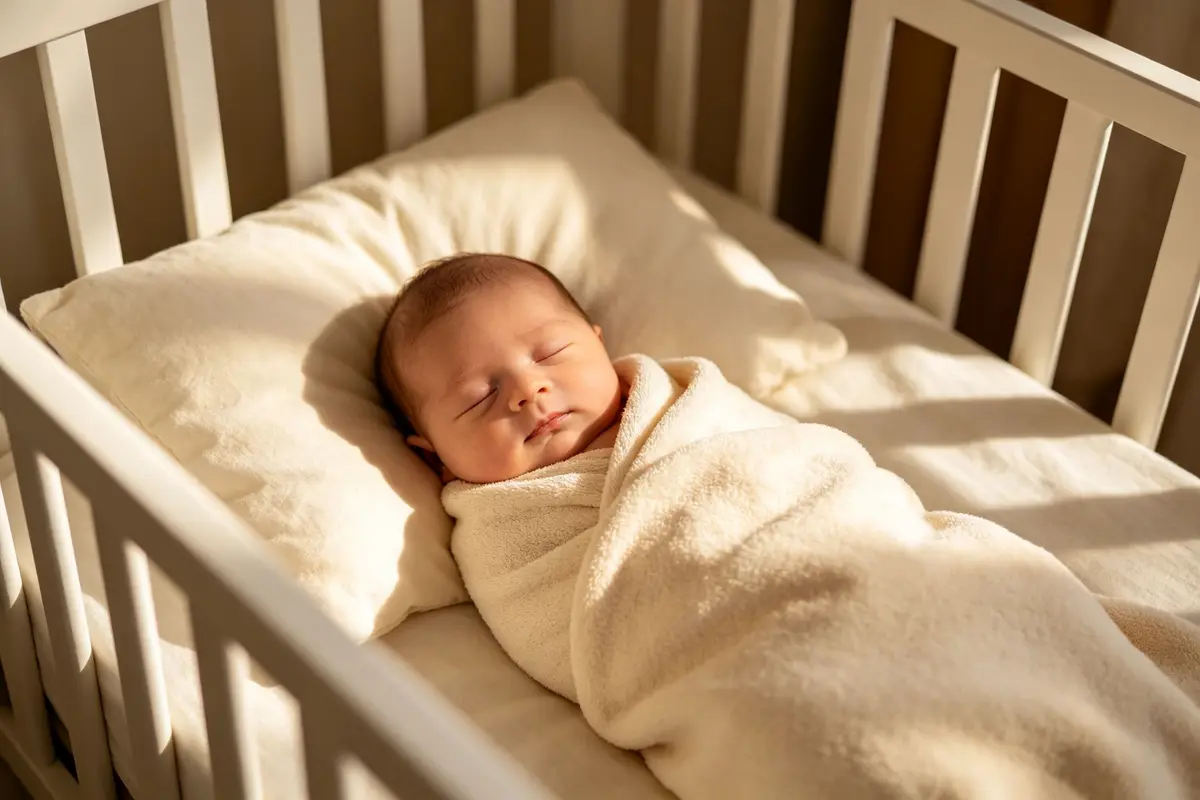
The baby swaddle blanket market is experiencing steady growth, driven by increasing awareness of the benefits of swaddling for newborn sleep, rising birth rates in emerging markets, and growing demand for premium organic and muslin fabrics.Public estimates for this market differ widely by source and by scope, so we do not quote a market size or a growth rate here. What we can speak to is the direction: demand for biodegradable and plastic-free wipe formats is rising across the region, and we would rather help you size one market from figures you can verify than publish a number we cannot source. In tropical climates like Indonesia, Thailand, Vietnam, and the Philippines, parents are increasingly seeking lightweight, breathable swaddle options that provide the security of traditional swaddling without causing overheating. This article examines the market landscape, fabric types, key features, leading brands, and what parents should consider when looking to buy baby swaddle blankets online.
Market Overview: Why Swaddling Remains Essential
Swaddling — the practice of wrapping a baby snugly in a blanket to restrict arm movement — has been used for centuries across cultures, and modern research supports its benefits for newborns. The American Academy of Pediatrics acknowledges that swaddling may help keep babies on their backs, reduce the risk of SIDS, and soothe fussy babies by recreating the secure feeling of the womb. Swaddling helps prevent the Moro reflex (startle reflex) from waking babies, which is particularly valuable in the first 3-4 months. The market is being driven by several factors: growing awareness of safe sleep practices, increasing preference for natural and organic fabrics, the popularity of muslin swaddles (popularized by brands like Aden + Anais), and the rise of baby registries and gift culture. In Southeast Asia, where traditional swaddling has long been practiced but often with basic cloth, modern parents are upgrading to purpose-designed swaddle blankets that are safer, more breathable, and more stylish. The market also benefits from the fact that swaddle blankets are versatile — they can be used as nursing covers, stroller covers, burp cloths, tummy time blankets, and even lightweight blankets as the baby grows.
Fabric Types: Muslin, Cotton, Bamboo, and Organic Options
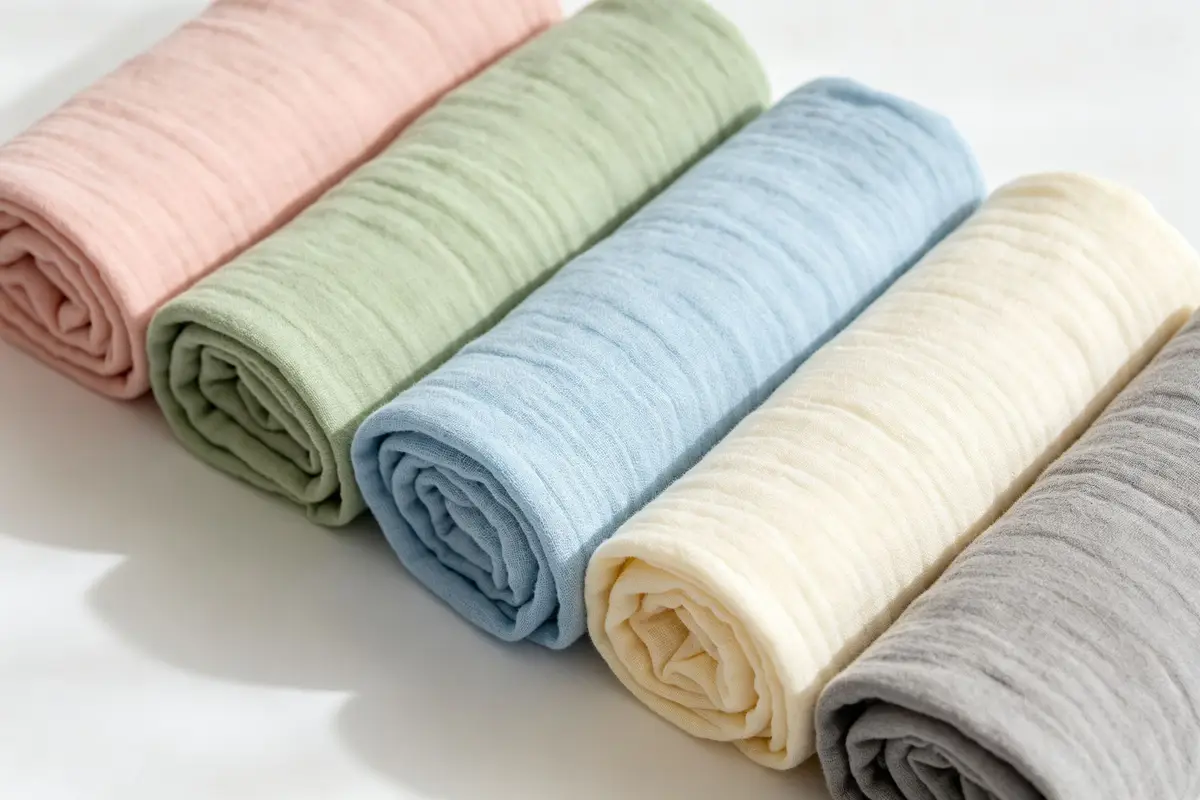
The choice of fabric is the most important decision when buying swaddle blankets, especially in tropical climates. Cotton muslin is the most popular fabric, accounting for approximately 55% of market share. Muslin is a lightweight, open-weave cotton fabric that is highly breathable, softens with each wash, and dries quickly — ideal for warm and humid climates. It is also versatile and affordable. Organic cotton is the fastest-growing fabric segment, with year-over-year growth of approximately 12%. Organic cotton is grown without synthetic pesticides or fertilizers, making it gentler on a baby's sensitive skin and better for the environment. It appeals to eco-conscious parents and those concerned about chemical exposure. Bamboo rayon is another popular option, valued for its exceptional softness, natural antibacterial properties, moisture-wicking ability, and thermal regulation (cool in summer, warm in winter). Bamboo fabric is particularly popular in tropical climates for its breathability. Flannel cotton is a warmer option, popular in cooler climates or for air-conditioned nurseries, but may be too warm for tropical use. Stretchy jersey cotton is used for some swaddle designs, offering a snug, stretchy fit that some parents prefer. When choosing fabric for Southeast Asia, prioritize breathability and moisture-wicking — muslin, bamboo, and lightweight organic cotton are the best choices. Avoid heavy or thick fabrics that can cause overheating, and always check that the fabric is certified free of harmful chemicals (OEKO-TEX Standard 100 or GOTS certification for organic).
Product Types: Traditional Swaddles, Sleep Sacks, and Velcro Swaddles
The swaddle market includes several product types, each with different advantages. Traditional square swaddle blankets (typically 47x47 inches / 120x120 cm) are the classic option — large, square blankets that parents fold and wrap around the baby using various techniques. They are the most versatile (can be used for many purposes beyond swaddling) and allow parents to adjust the tightness, but they require learning proper swaddling technique and can come undone if not secured properly. Velcro or snap swaddles (like the Halo SleepSack Swaddle or Summer Infant SwaddleMe) are pre-shaped swaddles with Velcro or snap closures that make swaddling easier and more secure. They are ideal for new parents or nighttime use when you want a quick, secure wrap. Some designs allow arms-in or arms-out positioning. Zippered swaddle sacks combine the security of swaddling with the convenience of a sleep sack, with a zipper for easy diaper changes. Sleep sacks (wearable blankets) are not technically swaddles (they do not restrict arm movement) but are the natural progression after babies outgrow swaddling (around 3-4 months or when babies start rolling). They provide a safe, loose-fitting blanket alternative that cannot cover the baby's face. For newborns, traditional muslin swaddles or Velcro swaddles are the best starting point. As babies grow and show signs of rolling, transition to an arms-out swaddle or sleep sack. The key safety rule: stop swaddling once the baby shows signs of attempting to roll over (typically around 3-4 months), because a swaddled baby who rolls onto their stomach is at increased risk of SIDS.
Key Features, Brands, and Buying Guide
When buying swaddle blankets, parents should consider: Size — traditional swaddles should be at least 40x40 inches (100x100 cm), with 47x47 inches being the standard for versatility. Fabric breathability — essential for tropical climates; muslin, bamboo, and lightweight organic cotton are best. Ease of use — Velcro or zipper swaddles are easier for beginners; traditional blankets require practice but are more versatile. Safety certifications — look for OEKO-TEX or GOTS certification to ensure the fabric is free of harmful chemicals. Multi-pack value — swaddles are often sold in packs of 2-4, which is more economical and ensures you always have a clean one available. Design and aesthetics — many parents choose swaddles that coordinate with their nursery decor or make good photo backdrops. Leading brands in the swaddle market include Aden + Anais (the brand that popularized muslin swaddles, known for stylish prints and premium quality), Halo (innovator of the SleepSack, with swaddle and sleep sack options), Copper Pearl (stylish, affordable swaddle sets popular on social media), Lulujo (Canadian brand known for muslin swaddles and milestone cards), and local Southeast Asian brands offering affordable muslin options. Pricing ranges from $5-10 per blanket for basic muslin to $15-30 per blanket for premium organic or designer options; multi-packs typically offer better value. For parents in Southeast Asia looking to buy baby swaddle blankets online, Shopee and Lazada offer the widest selection, with frequent promotions and bundle deals. Parents should also consider pairing swaddles with other safe sleep products — Moni Happy offers a range of premium baby care products designed with safety and comfort in mind. For distributors and retailers, the swaddle category offers strong margins and high repeat purchase potential, as parents often buy multiple sets as gifts or replacements. Businesses interested in premium baby product distribution can learn more at Moni Happy's partner page.