
2026-09-14 · Moni Happy Editorial
Best Baby Thermometer 2026: Digital vs Ear vs Forehead Accuracy Guide
Every parent knows the moment — your baby feels warm, you reach for the thermometer, and you realize you have no idea if the reading is accurate, what temperature constitutes a fever, or whether you should call the doctor at 2 AM. The baby thermometer market has evolved dramatically in recent years, with digital technology making temperature reading faster, more accurate, and less invasive than ever. Market research projects the baby thermometer market to grow at a CAGR of 6.2% through 2026, with infrared and smart thermometers leading innovation. This article examines the market landscape, product types, key features, leading brands, and what parents should consider when looking for the best baby thermometer in 2026.
Market Overview: Why Every Parent Needs a Reliable Thermometer
A baby thermometer is one of the most essential items in a home first aid kit. Fever is one of the most common reasons parents seek medical attention for their babies, and an accurate temperature reading is the first step in determining whether a fever is present and how serious it might be. The market is being driven by: the growing emphasis on home healthcare and self-monitoring, especially post-pandemic; the availability of affordable, accurate digital thermometers that are easy to use; the trend toward smart, connected thermometers that sync with smartphone apps and track temperature history; and the growing awareness that different types of thermometers are appropriate for different ages and situations. In Southeast Asia, where access to pediatric care may be limited in rural areas and parents often rely on home monitoring before seeking medical attention, a reliable thermometer is particularly important. E-commerce platforms like Shopee, Lazada, and TikTok Shop have made a wide range of thermometers accessible, from budget basic digital models to premium smart infrared devices. The market is also being shaped by safety concerns — mercury thermometers have been largely phased out due to the risk of mercury exposure if broken, and digital thermometers are now the standard.
Product Types: Digital Stick, Ear, Forehead, and Smart Thermometers
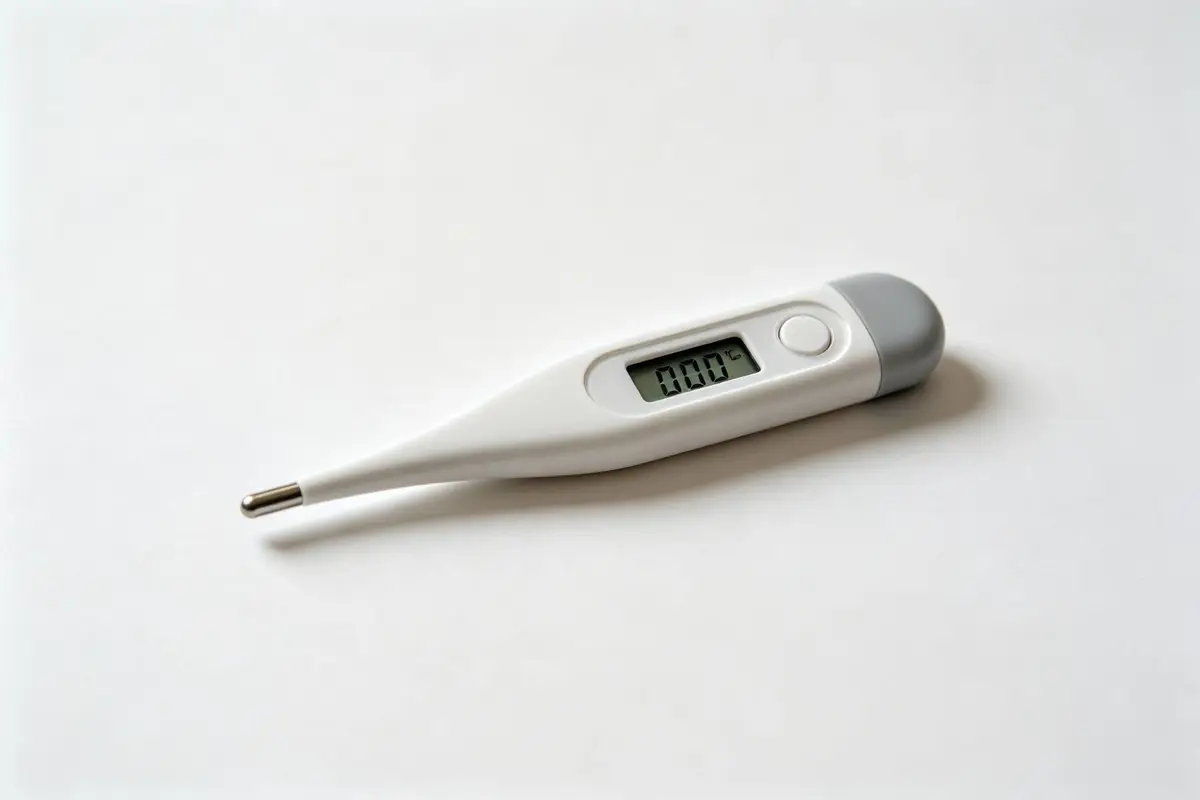
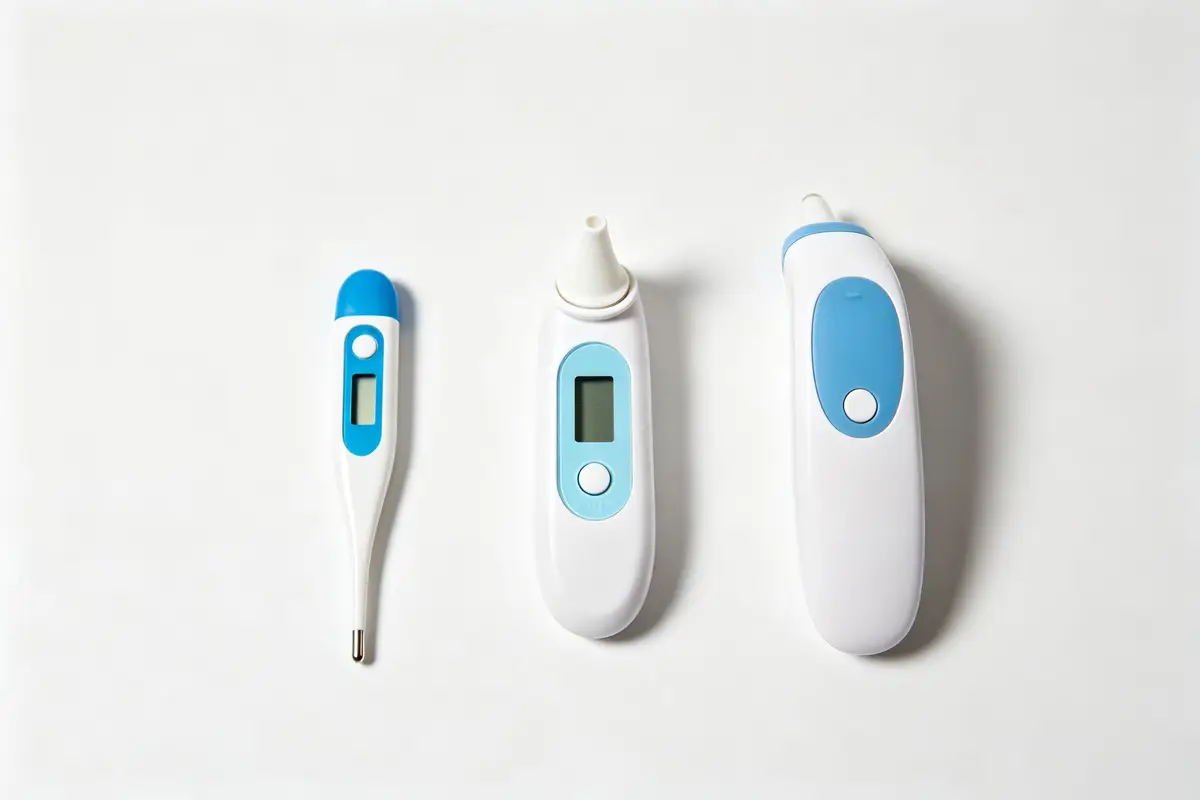
The baby thermometer market includes four main product types. Digital stick thermometers are the most basic and affordable option, consisting of a digital probe with a metal tip that is placed under the tongue, under the arm, or rectally. They are accurate, inexpensive ($5-15), and easy to use, but they can take 10-60 seconds to get a reading, which can be challenging with a wiggly baby. Rectal use is the most accurate method for babies under 3 months, but many parents find it uncomfortable. Digital stick thermometers are a good basic option for older babies and toddlers. Ear thermometers (tympanic thermometers) use infrared technology to measure the temperature of the eardrum, providing a reading in 1-3 seconds. They are fast, non-invasive (once the probe is in the ear), and generally accurate when used correctly. However, they can be less accurate in babies under 6 months (due to small ear canals and earwax), and incorrect positioning can give false readings. They require disposable probe covers for hygiene. Prices range from $15-40. Forehead thermometers (temporal artery thermometers) use infrared technology to measure the temperature of the temporal artery in the forehead, providing a reading in 1-3 seconds by swiping across the forehead or holding near the forehead. They are the fastest and least invasive option — no need to wake a sleeping baby, no probe covers needed, and easy to use on wiggly babies. However, they can be affected by sweat, ambient temperature, and incorrect technique, and some models are less accurate than ear or rectal thermometers. Prices range from $20-60. Smart and connected thermometers are the fastest-growing segment, with year-over-year growth of approximately 15%. These thermometers connect to a smartphone app via Bluetooth or WiFi, automatically logging temperature readings, tracking fever history, providing medication reminders, and even offering guidance on when to call a doctor. Some smart thermometers are wearable (armband or pacifier-style) for continuous monitoring. They are the most expensive option ($30-100+) but offer convenience and data tracking that appeals to tech-savvy parents. When choosing a thermometer type, consider your baby's age (rectal is most accurate for under 3 months), ease of use, speed, and accuracy. Many parents have more than one type — a rectal digital thermometer for newborns and a forehead or ear thermometer for older babies.
Key Features, Brands, and Buying Guide
Key features to look for when buying a baby thermometer include: Accuracy — this is the most important feature. Look for thermometers that are clinically validated and have a high accuracy rating (within ±0.2°F or ±0.1°C). Read reviews to see if other parents report consistent, accurate readings. Speed — for wiggly babies or sleeping babies, a fast reading (1-3 seconds) is essential. Forehead and ear thermometers are the fastest; digital stick thermometers take longer. Age appropriateness — check the manufacturer's age recommendations. Ear thermometers are generally not recommended for babies under 6 months; rectal thermometers are most accurate for babies under 3 months. Easy to use — look for a thermometer with a clear, backlit display (for nighttime use), simple one-button operation, and an intuitive design. The last thing you want at 3 AM is a complicated thermometer. Fever alert — many thermometers have a visual or auditory alert when a fever is detected (usually a red display or beep). This is helpful for quick assessment. Memory function — a thermometer that stores the last reading (or multiple readings) allows you to track temperature trends over time, which is useful for monitoring whether a fever is improving or worsening. Hygiene and easy cleaning — look for thermometers that are easy to clean (wipe with alcohol or water) or come with disposable probe covers. Avoid thermometers with hard-to-clean crevices. Safety — ensure the thermometer is made from BPA-free, non-toxic materials, has no small parts that could be a choking hazard, and has a flexible tip (for digital stick thermometers) to prevent injury. Battery life — check the expected battery life and whether the batteries are replaceable. Some thermometers use coin cell batteries that can be hard to find. Additional features — some thermometers include extras like room temperature measurement, clock, timer, or the ability to switch between Fahrenheit and Celsius. Smart thermometers offer app connectivity, medication reminders, and fever tracking. Safety tips: always read the instructions carefully and use the thermometer as directed; for rectal thermometers, use a water-based lubricant and never insert more than 1/2 inch; clean the thermometer before and after each use; never leave a baby unattended with a thermometer; and replace the thermometer if it is damaged or gives inconsistent readings. Leading brands include: Braun (known for its ThermoScan ear thermometers, considered the gold standard by many pediatricians), Omron (known for its accurate digital and forehead thermometers), Vicks (known for its affordable digital and forehead thermometers), Kinsa (known for its smart, app-connected thermometers), iProven (known for its dual-mode ear and forehead thermometers, popular on Amazon), and Chicco (known for its baby-friendly thermometers). In Southeast Asia, Braun and Omron are widely available on Shopee and Lazada, while budget brands are available for $5-10. For parents looking to buy a baby thermometer online, prioritize accuracy, speed, and age appropriateness. For newborns, a rectal digital thermometer is most accurate; for older babies, a forehead or ear thermometer offers speed and convenience. For a complete baby first aid kit, parents can also explore Moni Happy's product range, and businesses interested in distribution can learn more at Moni Happy's partner page.