
2026-10-09 · Moni Happy Editorial Team
Best Baby Training Pants for Potty Training: 2026 Market Guide
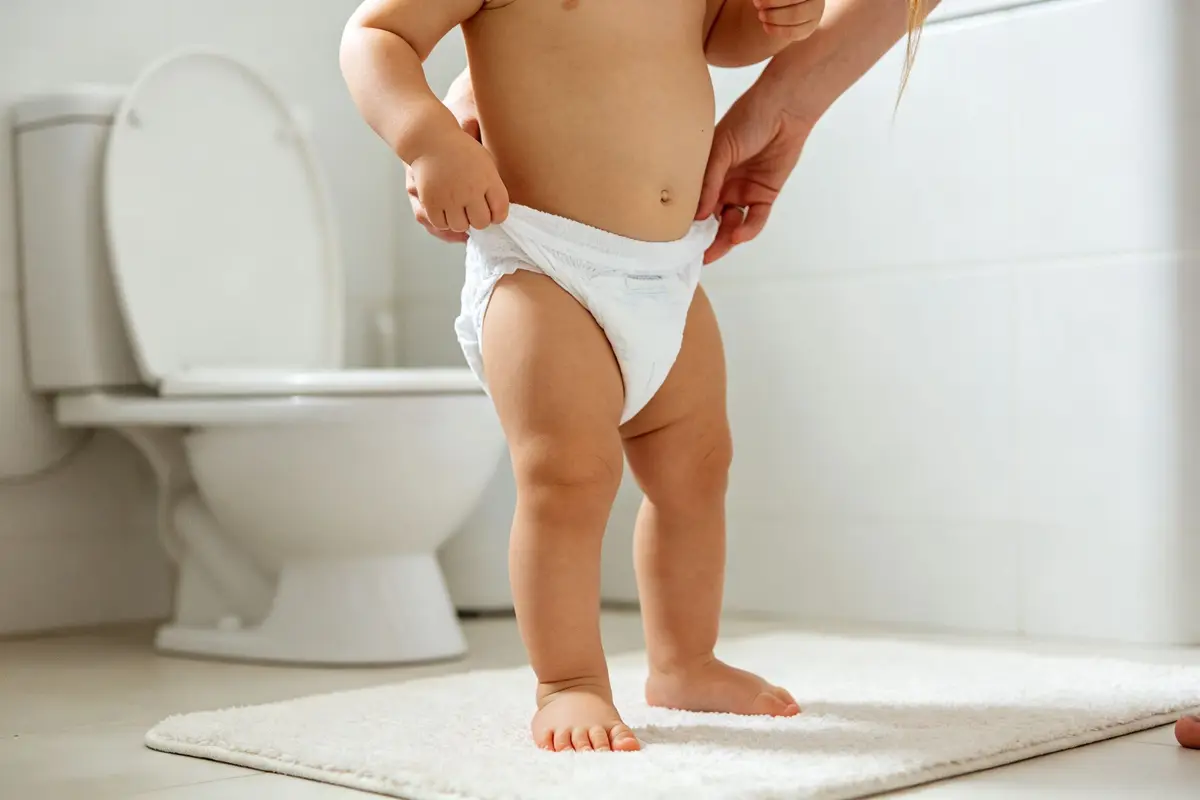
Potty training is one of the most significant developmental milestones in a toddler's life, and choosing the right training pants can make the journey smoother for both children and parents. For parents searching for the best baby training pants for potty training, the 2026 market offers a wider range of options than ever before — from premium disposable pull-ups with wetness indicators to reusable cloth training pants with waterproof layers, from overnight protection to eco-friendly biodegradable options.Public estimates for this market differ widely by source and by scope, so we do not quote a market size or a growth rate here. What we can speak to is the direction, and we would rather help you size one market from figures you can verify than publish a number we cannot source.4% through 2027, with training pants representing the fastest-growing segment, as parents increasingly recognize their role in facilitating the transition from diapers to underwear.
Market Overview: Why Training Pants Matter
Training pants — also called pull-ups, potty pants, or learning pants — are designed to bridge the gap between traditional diapers and regular underwear. Unlike diapers, which are typically fastened with adhesive tabs, training pants are pulled up and down like regular underwear, allowing toddlers to practice the motor skills involved in using the toilet independently. Most training pants feature tear-away sides for easy removal in case of accidents, elastic waistbands for a comfortable fit, and absorbent cores that provide protection against leaks while still allowing the child to feel wetness — a key feature that helps toddlers recognize when they need to use the bathroom. The transition to training pants typically begins when children show signs of potty training readiness, usually between 18 and 30 months of age, though every child develops at their own pace.
In Southeast Asia, the training pants market is experiencing particularly strong growth, driven by several factors. First, the region's large toddler population — with approximately 10 million children under the age of 3 across the six major Southeast Asian economies — provides a substantial customer base. Second, rising disposable incomes and urbanization are increasing demand for premium, convenient baby care products, including training pants. Third, growing awareness of child development and early childhood education is encouraging parents to invest in products that support developmental milestones like potty training. Fourth, the expansion of modern retail and e-commerce channels is making a wider variety of training pants products accessible to consumers across the region. Market data indicates that training pants sales in Southeast Asia grew by approximately 12% in 2025, outpacing the growth rate of traditional baby diapers, which suggests that the category is gaining traction as parents recognize its value in the potty training journey.
Disposable vs Reusable: Which Training Pants Are Best?
The first decision parents face when choosing training pants is between disposable and reusable (cloth) options. Disposable training pants are the most popular choice, accounting for approximately 85% of training pants sales globally. Their key advantages include: convenience (no washing required — simply throw away after use), high absorbency (premium disposable training pants can absorb up to 10-12 ounces of liquid, providing reliable protection against accidents), wetness indicators (color-changing strips that alert parents when the pants are wet — a feature particularly useful for overnight use and for children who may not yet recognize the sensation of being wet), tear-away sides (for easy removal during messy accidents), and wide availability (disposable training pants are sold in supermarkets, pharmacies, and online retailers throughout Southeast Asia). The main disadvantages are the ongoing cost (training pants are typically more expensive per unit than diapers, as they are used in smaller quantities during the potty training phase), and the environmental impact of disposable products.
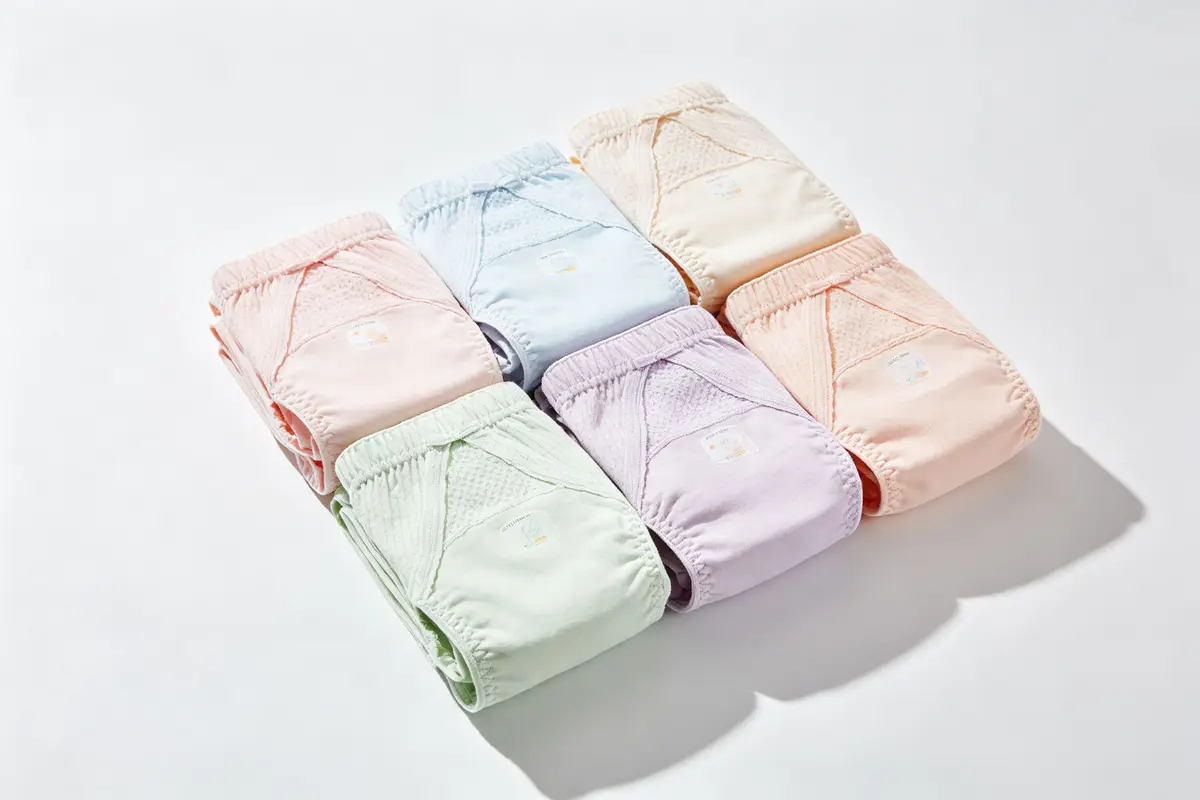
Reusable cloth training pants, while representing a smaller share of the market, are gaining popularity among eco-conscious parents and those seeking a more cost-effective long-term solution. Modern cloth training pants are a far cry from the simple cotton training underwear of previous generations — most feature a multi-layer design with an absorbent cotton or bamboo core, a waterproof TPU or PUL outer layer to prevent leaks, and elastic leg cuffs and waistbands for a snug fit. The key advantages of reusable training pants include: significant cost savings over the course of potty training (a set of 6-8 reusable pants can last for the entire potty training phase and be handed down to younger siblings), environmental friendliness (no disposable waste), and the ability for children to feel wetness more immediately (which can accelerate the learning process, as the child experiences discomfort sooner and learns to associate the sensation with needing to use the toilet). The main disadvantages are the need for frequent laundering (which can be time-consuming, especially during the early stages of potty training when accidents are frequent), and generally lower absorbency than premium disposable options (making them less ideal for overnight use or for children with heavy accidents). For many parents, a hybrid approach works best: using disposable training pants for outings, overnight, and busy days, and reusable training pants at home during the day when accidents can be managed more easily. Parents looking for quality diaper pants and training products can find a range of options designed for comfort, absorbency, and ease of use.
Key Features to Look for in 2026 Training Pants
As the training pants market matures, manufacturers are differentiating their products with advanced features designed to support the potty training journey. The most sought-after features in 2026 models include: wetness indicators (color-changing strips that fade or change color when wet, helping both parents and children recognize when the pants need to be changed — this feature is particularly valuable for overnight use and for children who are just beginning potty training and may not yet recognize the sensation of being wet), leak guards and double leg cuffs (extra protection against side leaks, which are common during active play and overnight), stretchy waistbands and sides (providing a comfortable, underwear-like fit that allows children to pull the pants up and down independently — a key skill in potty training), odor control (advanced absorbent cores with odor-neutralizing technology, which is particularly appreciated in household settings and during outings), and hypoallergenic materials (training pants made without fragrances, lotions, or latex, suitable for children with sensitive skin or eczema — a particularly important consideration in tropical climates where skin irritation is common).
Another important trend in the 2026 training pants market is the focus on design and child engagement. Many brands now offer training pants with fun prints, characters, and patterns that children find appealing — some even feature designs that fade when wet, creating a visual cue that encourages children to stay dry. The psychology of potty training suggests that children are more motivated to use the toilet when they feel a sense of ownership and pride in their training pants, so designs that make children feel like "big kids" can be effective. Size range is also an important consideration — the best training pants are available in multiple sizes (typically 2T-3T, 3T-4T, and 4T-5T) to accommodate children of different ages and body types, with weight-based sizing guides to help parents choose the right fit. For overnight use, parents should look for training pants with extra absorbency (often labeled as "overnight" or "nighttime" training pants) that can provide 12 hours of protection, as nighttime dryness typically takes longer to achieve than daytime dryness. For retailers and distributors, offering a comprehensive range of training pants — including daytime, overnight, disposable, and reusable options in multiple sizes and designs — is key to meeting the diverse needs of parents navigating the potty training journey. Businesses interested in carrying premium toddler care products should explore distribution partnership opportunities with established baby care brands.
Potty Training Market Trends and Consumer Behavior
The potty training products market is being shaped by several notable trends in consumer behavior and product innovation. First, there is a growing emphasis on the "child-centered" approach to potty training, which respects the child's individual readiness and timeline rather than imposing a rigid schedule. This approach has been popularized by parenting experts and social media influencers, and it has increased demand for products that support independence — such as easy-pull training pants, child-sized potties, and step stools that allow children to use the toilet independently. Second, there is increasing interest in eco-friendly and sustainable potty training solutions, including reusable cloth training pants, biodegradable disposable training pants, and compostable potty liners. This trend is particularly strong among millennial and Gen Z parents, who prioritize environmental sustainability in their purchasing decisions. Third, the role of technology in potty training is growing, with smart potty training aids — including sensor-equipped potties that track bathroom usage, potty training apps that provide reminders and progress tracking, and wearable wetness sensors that alert parents when a child has had an accident — gaining traction in the premium segment of the market.
In Southeast Asia, consumer behavior in the potty training category is influenced by several regional factors. Cultural attitudes toward potty training vary across the region — in some countries, early potty training (beginning before 12 months) is traditional, while in others, parents tend to wait until children are 2-3 years old. This cultural diversity means that training pants brands need to offer products that cater to a range of ages and developmental stages. Climate is another factor — in tropical Southeast Asia, where temperatures and humidity are high year-round, breathability and skin-friendliness are particularly important, and parents may prefer thinner, more breathable training pants that reduce the risk of diaper rash and skin irritation. Price sensitivity is also a factor, particularly in lower-income markets, where value-priced training pants and bulk packs are popular. E-commerce is the fastest-growing channel for training pants sales in Southeast Asia, with online platforms offering the convenience of home delivery, subscription replenishment options, and access to a wider range of brands and products than may be available locally. For parents looking to shop baby and toddler care products online, the key is to choose training pants that fit well, provide adequate protection, and support their child's individual potty training journey.
Future Outlook and Growth Opportunities
Looking ahead, the training pants and potty training products market is expected to continue its steady growth trajectory through 2026 and beyond. Several structural factors support this outlook: the large and growing toddler population in emerging markets, particularly in Southeast Asia, Africa, and Latin America; rising disposable incomes and urbanization, which increase demand for premium, convenient baby care products; growing awareness of child development and early childhood education, which encourages investment in developmental products; and the continued innovation in product design, materials, and technology, which is expanding the range of available options and creating new market segments. The reusable training pants segment is expected to grow particularly fast, driven by environmental concerns and cost savings, while the smart potty training segment is expected to emerge as a niche but high-growth category as technology becomes more affordable and integrated into parenting routines.
For brands, retailers, and distributors, the key opportunities in this market include: developing training pants with innovative features that address unmet needs (such as improved wetness indicators, better breathability for tropical climates, and eco-friendly materials); leveraging digital marketing and social media to provide educational content about potty training readiness, techniques, and product selection — content that builds trust and drives purchase decisions; offering subscription and auto-replenishment models for disposable training pants, which increase customer lifetime value and reduce the hassle of repeated purchasing; building partnerships with pediatricians, child development experts, and parenting influencers to provide credible, expert-backed guidance; and ensuring product availability across multiple channels — including supermarkets, pharmacies, baby specialty stores, and e-commerce platforms — to meet parents wherever they prefer to shop. For parents, the most important thing to remember is that potty training is a journey, not a race — every child develops at their own pace, and the right training pants can provide the support and protection needed to make the journey as smooth and stress-free as possible. Whether you choose disposable convenience, reusable sustainability, or a combination of both, the best training pants are the ones that fit your child well, support their developing independence, and give you peace of mind during this important developmental milestone.