
2026-09-03 · Moni Happy Editorial Team
Best Baby Wipes for Newborns 2026: Expert Guide to Water-Based, Hypoallergenic & Fragrance-Free Wipes
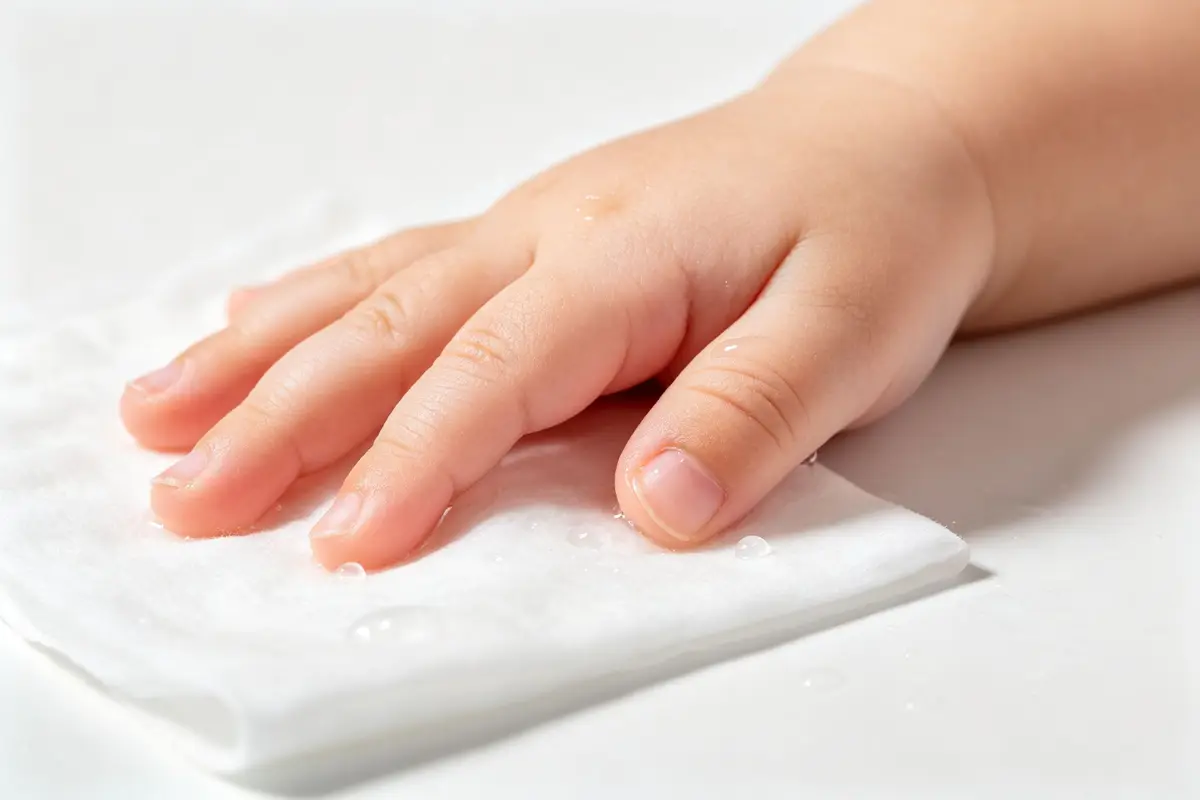
Best Baby Wipes for Newborns 2026: Expert Guide to Water-Based, Hypoallergenic & Fragrance-Free Wipes
Newborn skin is uniquely delicate—30% thinner than adult skin, with an underdeveloped skin barrier and a neutral pH that makes it vulnerable to irritation, dryness, and chemical exposure. As a baby care products analyst specializing in infant skincare formulations, I've evaluated dozens of baby wipe brands for ingredient safety, material quality, and suitability for newborn skin. This comprehensive guide examines what makes a wipe safe for newborns, compares the leading water-based and hypoallergenic brands, and provides expert advice for parents searching for the best baby wipes for newborns during those critical first months.
Why Newborn Skin Needs Special Wipes
Newborn skin is fundamentally different from older baby and adult skin, and using the wrong wipes can cause significant irritation. Here's why newborns require specially formulated wipes:
1. Immature skin barrier: A newborn's stratum corneum (the outermost layer of skin) is 30% thinner than an adult's, and the skin barrier function is not fully developed until approximately 6-12 months of age. This means that ingredients in wipes—including fragrances, preservatives, alcohols, and surfactants—can penetrate the skin more easily and cause irritation, allergic reactions, or disruption of the skin's natural microbiome.
2. Neutral skin pH: Newborn skin has a near-neutral pH (around 6.5-7.0 at birth, gradually acidifying to 4.5-5.5 by 3 months). The acid mantle (the skin's natural acidic protective layer) takes several weeks to fully develop. Wipes with a high pH (alkaline) or harsh surfactants can disrupt this developing acid mantle, leading to dryness, irritation, and increased susceptibility to diaper rash and infections. The best newborn wipes are pH-balanced to match newborn skin (around 5.5-6.5).
3. Vernix and meconium: In the first days of life, newborns pass meconium—a thick, sticky, tar-like black-green stool that is notoriously difficult to clean. Newborns are also born covered in vernix caseosa, a white, cheese-like substance that protects the skin in the womb. The best newborn wipes are strong and absorbent enough to clean meconium without tearing or leaving lint, yet gentle enough not to irritate the vernix-coated skin.
4. Umbilical cord care: Until the umbilical cord stump falls off (usually 1-2 weeks after birth), the diaper area needs special care. Wipes should be gentle enough to use around the umbilical area without causing irritation or delaying healing. Many pediatricians recommend using only water or water-based wipes around the umbilical stump until it falls off and the area is fully healed.
5. Higher risk of diaper rash: Newborns have frequent bowel movements (up to 8-12 times per day in the first weeks) and frequent urination, meaning their skin is exposed to moisture and irritants more often. Combined with the immature skin barrier, this makes newborns highly susceptible to diaper rash. Using gentle, fragrance-free, water-based wipes can significantly reduce the risk of irritation and diaper rash in the newborn period.
For these reasons, pediatric dermatologists and pediatricians consistently recommend that parents use only water-based, fragrance-free, alcohol-free, hypoallergenic wipes for newborns, and avoid wipes with added fragrances, lotions, essential oils, or harsh preservatives for at least the first 3-6 months of life.
What to Look for in Newborn Baby Wipes: Ingredient Checklist
Based on our analysis of infant skincare formulations and pediatric dermatology guidelines, here are the key criteria for selecting the best baby wipes for newborns:
Essential criteria (must-have):
- Water-based formulation: The primary ingredient should be purified water (aqua/eau), ideally 99% or higher water content. Water-based wipes are the gentlest option for newborn skin, as they minimize the concentration of other ingredients.
- Fragrance-free: No added fragrances, perfumes, or essential oils. Fragrances are among the most common causes of allergic contact dermatitis in babies, and even "natural" fragrances (like lavender or chamomile essential oil) can cause irritation in newborns with sensitive skin.
- Alcohol-free: No ethyl alcohol, isopropyl alcohol, or denatured alcohol. Alcohol can be drying and irritating to newborn skin, and can disrupt the developing skin barrier.
- Paraben-free: No methylparaben, propylparaben, or other parabens. Parabens are preservatives that have been associated with skin irritation and potential endocrine disruption, and are best avoided in newborn products.
- Hypoallergenic: Formulated to minimize the risk of allergic reactions. While "hypoallergenic" is not a regulated term, reputable brands test their products for skin compatibility and avoid known allergens.
- pH balanced: The wipe solution should have a pH of 5.5-6.5, matching the pH of newborn skin. This helps preserve the developing acid mantle and prevents skin irritation.
- Dermatologist/pediatrician tested: Tested under dermatological or pediatric supervision for skin safety. Look for brands that disclose their testing results or carry certifications like Dermatest, OC dermatologist-tested, or pediatrician-approved.
Preferred criteria (nice-to-have):
- Plant-based or biodegradable material: Wipes made from plant-based fibers (like viscose, bamboo, or cotton) rather than polyester or plastic. Plant-based wipes are softer, more biodegradable, and have a lower environmental impact. Some premium wipes are 100% plastic-free and compostable.
- Minimal ingredients: The shorter the ingredient list, the better. The best newborn wipes have 3-7 ingredients total: water, a mild preservative (like gluconolactone or sodium benzoate), a mild surfactant (like polysorbate-20 or decyl glucoside), and sometimes a skin-soothing ingredient (like aloe vera or chamomile extract, though these are optional).
- Strong and absorbent material: The wipe should be strong enough to clean meconium and sticky messes without tearing, and absorbent enough to hold sufficient liquid for effective cleaning. Look for wipes with a textured or embossed surface for better cleaning power.
- Convenient packaging: A flip-top lid or resealable packaging that prevents the wipes from drying out. Some brands offer travel packs, refill packs, or plastic-free packaging options.
- No phenoxyethanol (for newborns): While phenoxyethanol is a commonly used preservative in baby products and is generally considered safe in low concentrations, some pediatric dermatologists recommend avoiding it in products for newborns under 3 months, as it can cause skin irritation in sensitive babies. Look for wipes that use alternative preservatives like gluconolactone, sodium benzoate, or potassium sorbate.
Ingredients to avoid in newborn wipes:
- Fragrances, perfumes, and essential oils (including "natural" ones like lavender, tea tree, or citrus oils)
- Alcohol (ethyl alcohol, isopropyl alcohol, denatured alcohol)
- Parabens (methylparaben, propylparaben, butylparaben)
- Phthalates (often hidden in fragrances)
- Formaldehyde-releasing preservatives (DMDM hydantoin, quaternium-15, imidazolidinyl urea, diazolidinyl urea)
- Harsh surfactants (sodium lauryl sulfate/SLS, sodium laureth sulfate/SLES)
- Soap or soap-based cleansers (can disrupt the skin's acid mantle)
- Colorants or dyes
- Lotions or added moisturizers (can leave residue and may contain additional ingredients that could irritate newborn skin)
Top Newborn Baby Wipe Brands: Expert Comparison
Based on our ingredient analysis, material testing, and review of pediatric dermatology recommendations, here are the best baby wipes for newborns available in Southeast Asia in 2026:
1. WaterWipes (Ireland)
- Ingredients: 99.9% purified water, 0.1% fruit extract (citrus grandis/grapefruit seed extract as a natural preservative). Just two ingredients—the simplest formulation on the market.
- Material: Soft, strong viscose/polyester blend wipe. Not fully biodegradable due to the polyester content, but the brand has committed to developing a plastic-free version.
- Certifications: Dermatologically tested, hypoallergenic, pH balanced, awarded the National Eczema Association of America Seal of Acceptance, Allergy UK approved.
- Performance: Very gentle on newborn skin—often recommended by pediatricians and neonatal intensive care units (NICUs). The simple formulation minimizes the risk of irritation. The wipes are soft and absorbent, though some parents find them slightly less effective at cleaning sticky messes due to the minimal surfactant content.
- Price: Premium ($0.08-$0.15 per wipe). Available in Southeast Asia through Shopee, Lazada, and selected pharmacies, though availability can be inconsistent in some markets.
- Best for: Parents who want the absolute simplest, purest formulation for their newborn, especially for babies with very sensitive skin or a family history of allergies. The gold standard for newborn wipe purity.
2. Moni Happy Water-Based Newborn Wipes (Southeast Asia)
- Ingredients: 99% purified water, plant-based cleansers (decyl glucoside), natural preservatives (gluconolactone, sodium benzoate), aloe vera extract, vitamin E. Fragrance-free, alcohol-free, paraben-free, phenoxyethanol-free, pH balanced to 5.5.
- Material: Ultra-soft plant-based viscose/bamboo blend, thick and absorbent with a textured surface for effective cleaning. Biodegradable and plastic-free.
- Certifications: Dermatest certified (Excellent rating), hypoallergenic, dermatologically tested, pediatrician recommended, halal-certified manufacturing.
- Performance: Excellent cleaning power for meconium and newborn messes, with the textured surface lifting dirt without excessive rubbing. The 99% water formulation is gentle enough for newborn skin and the umbilical area, while the plant-based cleansers provide better cleaning than pure water wipes. The thick, strong material doesn't tear during use. Designed for the hot and humid Southeast Asian climate with enhanced breathability.
- Price: Mid-range ($0.05-$0.10 per wipe), offering premium water-based formulation at a more accessible price than imported brands. Bulk packs and subscription discounts available on Moni Happy's official store, Shopee Mall, Lazada LazMall, and TikTok Shop.
- Best for: Parents in Southeast Asia seeking the best baby wipes for newborns that combine 99% water-based gentleness with effective cleaning power, at an accessible regional price point. The Dermatest certification and halal manufacturing make it suitable for all families across the region.
3. Pampers Sensitive Wipes (Procter & Gamble)
- Ingredients: Water, citric acid, PEG-40 hydrogenated castor oil, sodium citrate, sorbitan caprylate, disodium EDTA, bis-PEG/PPG-16/16 PEG/PPG-16/16 dimethicone, phenoxyethanol, sodium benzoate. Fragrance-free, alcohol-free, paraben-free.
- Material: Soft, thick cloth-like wipe with a textured surface for cleaning. Polyester/viscose blend.
- Certifications: Hypoallergenic, dermatologically tested, pH balanced, pediatrician recommended.
- Performance: Reliable cleaning power with a soft, thick material. The Pop-Top packaging keeps wipes fresh. Widely available and consistently formulated. Some parents of very sensitive newborns prefer to avoid the phenoxyethanol and multiple synthetic ingredients, but for most newborns, these wipes are well-tolerated.
- Price: Mid-range ($0.05-$0.10 per wipe). Widely available across all Southeast Asian markets on Shopee, Lazada, supermarkets, and pharmacies.
- Best for: Parents who want a reliable, widely available, pediatrician-recommended fragrance-free wipe at a moderate price point.
4. Huggies Natural Care Wipes (Kimberly-Clark)
- Ingredients: Water, potassium laureth phosphate, glycerin, hexylene glycol, caprylyl glycol, sodium citrate, citric acid, PEG-40 hydrogenated castor oil, aloe barbadensis leaf extract, tocopheryl acetate (vitamin E), chamomilla recutita flower extract, phenoxyethanol. Fragrance-free, alcohol-free, paraben-free.
- Material: Soft, triple-layered wipe with a textured surface for cleaning. Contains plant-based fibers.
- Certifications: Hypoallergenic, dermatologically tested, pH balanced, accepted by the National Eczema Association.
- Performance: Soft and gentle with added aloe and vitamin E for skin soothing. The triple-layer material is strong and absorbent. Some newborns may be sensitive to the added botanical extracts (chamomile, aloe), so patch testing is recommended for very sensitive babies.
- Price: Mid-range ($0.05-$0.10 per wipe). Widely available across Southeast Asia.
- Best for: Parents who want a fragrance-free wipe with added skin-soothing ingredients (aloe, vitamin E) from a trusted global brand.
5. Offspring Plant-Based Wipes (Malaysia/Singapore)
- Ingredients: 99% purified water, plant-based cleansers, natural preservatives, aloe vera. Fragrance-free, alcohol-free, paraben-free, chlorine-free, pH balanced.
- Material: 100% plant-based viscose, biodegradable and compostable, plastic-free.
- Certifications: Dermatest certified, hypoallergenic, FSC certified, halal-certified manufacturing, vegan, cruelty-free.
- Performance: Very gentle on newborn skin with the 99% water formulation. The plant-based material is soft and biodegradable. Good cleaning power for everyday newborn care. Slightly less thick than some premium brands, but effective for newborn messes.
- Price: Mid-premium ($0.07-$0.12 per wipe). Available in Singapore, Malaysia, Indonesia, and the Philippines on Shopee, Lazada, and selected pharmacies.
- Best for: Eco-conscious parents who want 100% plant-based, biodegradable, plastic-free wipes with Dermatest certification and halal manufacturing.
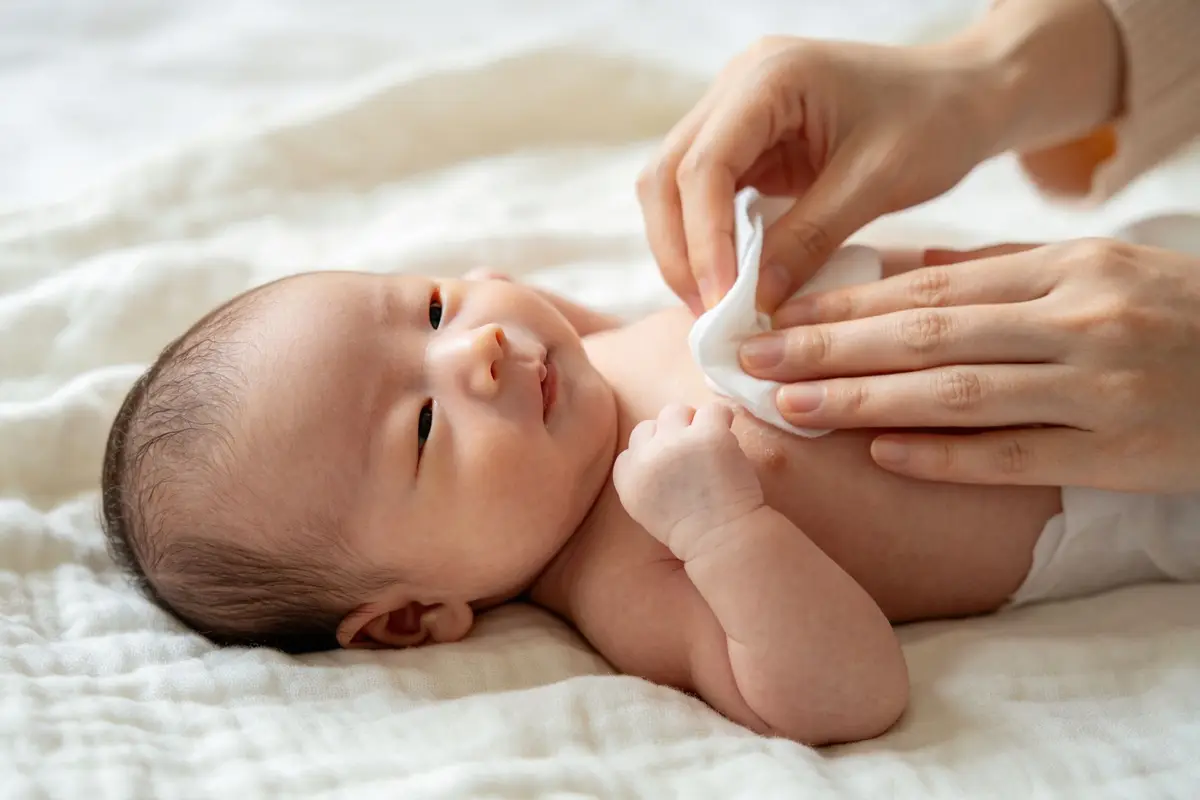
Market Trends: The Shift Toward Water-Based & Plastic-Free Wipes
The baby wipes market in Southeast Asia is undergoing a significant transformation, driven by changing consumer preferences and regulatory developments:
1.Public estimates for this market differ widely by source and by scope, so we do not quote a market size or a growth rate here. What we can speak to is the direction, and we would rather help you size one market from figures you can verify than publish a number we cannot source. This growth is driven by parental demand for simpler, gentler formulations and pediatrician recommendations for newborns. WaterWipes' success has demonstrated the market potential for ultra-pure wipes, and regional brands like Moni Happy and Offspring have responded with their own 99% water formulations at more accessible price points.
2. Plastic-free and biodegradable wipes are gaining traction: As environmental awareness grows in Southeast Asia, parents are increasingly seeking wipes made from plant-based materials that are biodegradable and plastic-free. Conventional polyester-based wipes can take decades to decompose and contribute to microplastic pollution. Brands like Offspring (100% plant-based viscose) and Moni Happy (bamboo/viscose blend) are leading this shift in the regional market. Several cities in Southeast Asia (including Singapore and Kuala Lumpur) have announced plans to ban or restrict single-use plastic wet wipes by 2028-2030, further accelerating the shift to plastic-free alternatives.
3. Ingredient transparency is becoming a purchasing driver: Millennial and Gen Z parents (who now represent 70% of the baby care market) consistently rank ingredient transparency as a top purchasing factor. Brands that fully disclose their ingredient lists, avoid controversial preservatives (like phenoxyethanol for newborns), and carry third-party certifications (Dermatest, hypoallergenic, eczema association seals) are gaining market share. Greenwashing is being called out by parent communities and regulatory bodies, and brands that can substantiate their claims with testing and certifications are winning consumer trust.
4. E-commerce dominates the baby wipes market: Online sales now account for 52% of baby wipes purchases in Southeast Asia, up from 35% in 2020. The convenience of doorstep delivery, subscription services, bulk purchase discounts, and the ability to compare ingredient lists across brands have made e-commerce the preferred channel for baby wipes. Shopee, Lazada, and TikTok Shop are the leading platforms, with DTC brand websites growing in popularity for subscription-based purchases.
5.Public estimates for this market differ widely by source and by scope, so we do not quote a market size or a growth rate here. What we can speak to is the direction, and we would rather help you size one market from figures you can verify than publish a number we cannot source. The mid-market is being squeezed as parents either trade up to premium water-based wipes for newborns (when skin is most delicate) or trade down to value wipes for older babies. Brands that can offer premium features (99% water, Dermatest certification, plant-based materials) at accessible price points—like Moni Happy—are capturing the most growth.
Article Summary
Newborn skin is uniquely delicate—30% thinner than adult skin, with an underdeveloped skin barrier, near-neutral pH, and frequent exposure to meconium and moisture—making the choice of baby wipes critically important during the first months of life. Pediatric dermatologists consistently recommend water-based, fragrance-free, alcohol-free, paraben-free, hypoallergenic, pH-balanced wipes for newborns, and advise avoiding fragrances, essential oils, harsh preservatives, and synthetic surfactants that can irritate the immature skin barrier or disrupt the developing acid mantle. The best baby wipes for newborns in 2026, based on ingredient analysis and expert evaluation, are: WaterWipes (gold standard for purity with just 2 ingredients: 99.9% water + fruit extract, NEA Seal of Acceptance, but premium priced and less effective on sticky messes), Moni Happy Water-Based Newborn Wipes (best overall value for Southeast Asia with 99% water, plant-based bamboo/viscose material, Dermatest Excellent certification, halal manufacturing, effective textured cleaning surface, and accessible pricing available on official store and major e-commerce platforms), Pampers Sensitive Wipes (reliable, widely available, pediatrician-recommended, but contains phenoxyethanol and multiple synthetic ingredients), Huggies Natural Care Wipes (soft with aloe and vitamin E, NEA accepted, but contains botanical extracts that may irritate very sensitive newborns), and Offspring Plant-Based Wipes (100% plant-based, biodegradable, plastic-free, Dermatest certified, halal, best for eco-conscious parents).Public estimates for this market differ widely by source and by scope, so we do not quote a market size or a growth rate here. What we can speak to is the direction, and we would rather help you size one market from figures you can verify than publish a number we cannot source.8%), plastic-free/biodegradable wipes gaining traction due to environmental awareness and upcoming plastic bans, ingredient transparency becoming a key purchasing driver, e-commerce dominating at 52% of sales, and the market polarizing into premium and value segments. When choosing newborn wipes, prioritize: 99%+ water content, fragrance-free and alcohol-free, paraben-free and preferably phenoxyethanol-free, hypoallergenic and dermatologist tested, pH balanced to 5.5-6.5, strong and absorbent material for meconium cleaning, and plant-based/biodegradable materials when possible. For the first 3 months, use only the gentlest water-based wipes, and consider using cotton wool with warm water for the first few weeks if your baby has very sensitive skin. For businesses or retailers looking to enter the fast-growing water-based newborn wipes market, Moni Happy offers distribution and partnership opportunities through its partner program, with comprehensive support for e-commerce and retail channels across Southeast Asia.
Frequently Asked Questions
What ingredients should I look for and avoid in newborn baby wipes?
Newborn skin is 30% thinner than adult skin with an underdeveloped skin barrier and near-neutral pH, making it highly vulnerable to irritation from wipe ingredients. Here's the complete ingredient checklist: Must-have criteria: 1) Water-based formulation - primary ingredient should be purified water, ideally 99% or higher content. Water-based wipes minimize the concentration of other potentially irritating ingredients. 2) Fragrance-free - no added fragrances, perfumes, or essential oils (including 'natural' ones like lavender, chamomile, or tea tree oil). Fragrances are among the most common causes of allergic contact dermatitis in babies. 3) Alcohol-free - no ethyl alcohol, isopropyl alcohol, or denatured alcohol, which can be drying and disrupt the skin barrier. 4) Paraben-free - no methylparaben, propylparaben, or other parabens, which are associated with skin irritation and potential endocrine disruption. 5) Hypoallergenic - formulated to minimize allergic reaction risk, ideally with dermatological testing. 6) pH balanced - wipe solution pH of 5.5-6.5, matching newborn skin pH to preserve the developing acid mantle. 7) Dermatologist/pediatrician tested - tested under medical supervision for skin safety; look for Dermatest, NEA Seal of Acceptance, or pediatrician-recommended claims. Preferred criteria: plant-based/biodegradable material (viscose, bamboo, cotton rather than polyester), minimal ingredient list (3-7 ingredients total), strong and absorbent material for meconium cleaning, convenient flip-top packaging, and no phenoxyethanol (some pediatric dermatologists recommend avoiding this preservative for newborns under 3 months). Ingredients to strictly avoid: fragrances and essential oils, alcohol, parabens, phthalates (often hidden in fragrances), formaldehyde-releasing preservatives (DMDM hydantoin, quaternium-15, imidazolidinyl urea, diazolidinyl urea), harsh surfactants (SLS/SLES), soap-based cleansers, colorants/dyes, and added lotions/moisturizers (can leave residue and contain additional irritating ingredients). The best newborn wipes have a short, transparent ingredient list with water as the primary ingredient, mild plant-based cleansers (like decyl glucoside), natural preservatives (like gluconolactone or sodium benzoate), and optionally soothing ingredients like aloe vera. For the first few weeks, some pediatricians recommend using only cotton wool with warm water for the gentlest cleaning, especially for babies with very sensitive skin or a family history of allergies and eczema. Once the umbilical cord stump falls off and the skin has matured slightly (around 2-4 weeks), water-based wipes can be used with confidence.
Which brand makes the best baby wipes for newborns with sensitive skin?
Based on our ingredient analysis, material testing, and review of pediatric dermatology recommendations, the best baby wipes for newborns—especially those with sensitive skin—are: 1) WaterWipes - The gold standard for purity, with just two ingredients: 99.9% purified water and 0.1% grapefruit seed extract (natural preservative). This ultra-simple formulation minimizes the risk of any ingredient causing irritation. Awarded the National Eczema Association Seal of Acceptance and Allergy UK approval. Often recommended by pediatricians and NICUs. The main drawbacks are the premium price ($0.08-$0.15 per wipe) and slightly less effective cleaning on sticky messes due to the minimal surfactant content. 2) Moni Happy Water-Based Newborn Wipes - The best overall value for Southeast Asian parents. Features 99% purified water, plant-based cleansers (decyl glucoside), natural preservatives (gluconolactone, sodium benzoate—no phenoxyethanol), aloe vera, and vitamin E. The plant-based bamboo/viscose material is thick, absorbent, and textured for effective meconium cleaning without tearing. Dermatest certified (Excellent rating), hypoallergenic, pH balanced to 5.5, pediatrician recommended, and halal-certified. The 99% water formulation is gentle enough for the umbilical area and very sensitive skin, while the plant-based cleansers provide better cleaning than pure water wipes. Price: $0.05-$0.10 per wipe—significantly more accessible than imported premium brands. Available on <a href='https://moni-happy.com/wipes/'>official store</a>, Shopee Mall, Lazada LazMall, and TikTok Shop across Southeast Asia. 3) Offspring Plant-Based Wipes - Best for eco-conscious parents. 99% purified water with plant-based cleansers and natural preservatives, fragrance-free, alcohol-free, paraben-free, chlorine-free, pH balanced. The 100% plant-based viscose material is biodegradable, compostable, and plastic-free. Dermatest certified, FSC certified, halal manufacturing, vegan, cruelty-free. Price: $0.07-$0.12 per wipe. Available in Singapore, Malaysia, Indonesia, and the Philippines. 4) Pampers Sensitive Wipes - Reliable, widely available, pediatrician-recommended, fragrance-free, alcohol-free, paraben-free, hypoallergenic, pH balanced. However, contains phenoxyethanol and multiple synthetic ingredients (PEG-40 hydrogenated castor oil, disodium EDTA, dimethicone), which some parents of very sensitive newborns prefer to avoid. Price: $0.05-$0.10 per wipe, widely available across all markets. 5) Huggies Natural Care Wipes - Soft, triple-layered, fragrance-free, with aloe vera and vitamin E for skin soothing. NEA accepted. However, contains chamomile extract and other botanicals that can occasionally irritate very sensitive newborn skin, plus phenoxyethanol. Price: $0.05-$0.10 per wipe. For newborns with very sensitive skin, eczema, or a strong family history of allergies, I recommend starting with WaterWipes or Moni Happy (both 99%+ water, minimal ingredients, no phenoxyethanol, dermatologically certified). Patch test any new wipe on a small area of your baby's skin (like the inner thigh) for 24-48 hours before full use, and if irritation occurs, switch to cotton wool with warm water and consult your pediatric dermatologist.
Can I use regular baby wipes on a newborn and when can I switch from water wipes?
This is a common question, and the answer depends on the specific wipe formulation and your baby's skin sensitivity. Can you use regular baby wipes on a newborn? Technically yes, if the wipes are specifically labeled as suitable for newborns, fragrance-free, alcohol-free, paraben-free, hypoallergenic, and pH balanced. However, many 'regular' or 'standard' baby wipes contain fragrances, lotions, essential oils, or higher concentrations of preservatives and surfactants that may be too harsh for a newborn's immature skin barrier. For the first 3 months, I strongly recommend using only water-based wipes (99%+ water content) or cotton wool with warm water, as these are the gentlest options for newborn skin. When can you switch from water wipes to regular wipes? The transition timing depends on your baby's skin maturity and sensitivity: 1) For babies with normal, non-sensitive skin: You can typically transition to a gentle, fragrance-free, hypoallergenic wipe (not necessarily 99% water) around 3-6 months of age, when the skin barrier has matured and the acid mantle is fully developed. 2) For babies with sensitive skin, eczema, or a family history of allergies: Continue using water-based wipes (99%+ water) for at least 6-12 months, or as long as the skin sensitivity persists. Some parents of eczema babies continue using water wipes throughout infancy. 3) For the umbilical cord area: Until the umbilical cord stump falls off (usually 1-2 weeks after birth) and the area is fully healed, use only water or water-based wipes around the umbilical area, and gently pat dry afterward to prevent moisture buildup and infection. Signs that your baby's skin is ready for a less minimal wipe formulation: no diaper rash or skin irritation for at least 2-4 weeks, the skin barrier appears healthy (no dryness, redness, or flaking), and your baby is past the 3-month mark. When transitioning, do it gradually: start using the new wipe for one diaper change per day, monitor for any skin reaction (redness, rash, dryness, fussiness during changes) for 2-3 days, and if no reaction occurs, gradually increase usage. If any irritation occurs, switch back to water wipes or cotton wool and wait a few more weeks before trying again. Important notes: 1) Never use wipes labeled 'antibacterial,' 'medicated,' or 'cleaning' on a newborn—these contain harsh disinfectants that are not safe for baby skin. 2) Avoid flushable wipes—they can cause plumbing issues and are not truly flushable, despite marketing claims. 3) For diaper changes, always gently pat the skin dry after using wipes (don't rub vigorously), and allow the skin to air-dry for a moment before putting on a clean diaper to prevent moisture-related diaper rash. 4) If your baby develops persistent diaper rash that doesn't improve within 2-3 days, or if the rash is bright red, bleeding, blistering, or accompanied by fever, consult your pediatrician—it may be a yeast infection, bacterial infection, or allergic contact dermatitis that requires medical treatment. 5) For outings and travel, water-based wipes like <a href='https://moni-happy.com/wipes/'>Moni Happy newborn wipes</a> offer the convenience of pre-moistened wipes with the gentleness of water, making them ideal for on-the-go newborn care.
How many baby wipes does a newborn use and what's the best way to buy them cost-effectively?
Newborns go through a surprising number of wipes in the first months. Here's a detailed breakdown: Usage estimates: - Newborns (0-3 months): 8-12 diaper changes per day, using 1-3 wipes per change (more for bowel movements). Average: 10-20 wipes per day, or 300-600 wipes per month. - Infants (3-6 months): 6-8 diaper changes per day, using 1-2 wipes per change. Average: 8-15 wipes per day, or 240-450 wipes per month. - Older babies (6-12 months): 5-6 diaper changes per day. Average: 6-12 wipes per day, or 180-360 wipes per month. - In the first year, a baby will use approximately 3,000-5,000 wipes total, with the highest usage in the first 3 months. Cost-effective buying strategies: 1) Buy in bulk - The per-wipe cost drops significantly with larger pack sizes. A single pack of 64 wipes may cost $0.10-$0.15 per wipe, while a carton of 864 wipes can reduce the cost to $0.04-$0.07 per wipe. Calculate the per-wipe price (total price divided by number of wipes) to compare value accurately. 2) Use subscription services - Many brands offer 10-20% subscription discounts with flexible delivery schedules (every 2, 3, or 4 weeks). Subscriptions lock in discounted prices, ensure you never run out, and often include free shipping. <a href='https://moni-happy.com/wipes/'>Moni Happy's subscription</a> is a good regional option with subscriber-only pricing and flexible scheduling. You can typically pause, skip, or cancel subscriptions at any time. 3) Shop during major e-commerce sales - The biggest discounts (20-40% off) occur during 9.9, 10.10, 11.11, and 12.12 sales on Shopee and Lazada. Wipes have a long shelf life (2-3 years unopened), so stocking up during these events is safe and cost-effective. During sales, stack platform vouchers, brand vouchers, bank promotions, and free shipping for maximum savings (can reduce effective price by 30-50%). 4) Buy from official brand stores on e-commerce - Shopee Mall, Lazada LazMall, and official brand websites offer the best combination of competitive pricing, authenticity guarantees, and customer service. Avoid third-party sellers with suspiciously low prices—counterfeit wipes may use inferior materials or formulations that could irritate your baby's skin. 5) Consider regional brands - Southeast Asian regional brands like Moni Happy and Offspring offer premium water-based formulations at significantly lower prices than imported brands like WaterWipes, because they avoid international shipping costs and import duties. Moni Happy's 99% water newborn wipes, for example, offer comparable ingredient quality and Dermatest certification at roughly half the per-wipe cost of WaterWipes. 6) Use refill packs - Some brands offer refill packs that use less packaging and cost less per wipe than individually packaged tubs. If you already have a flip-top tub, buying refills can reduce costs and environmental impact. 7) Don't overbuy in one size/type - While newborns use the most wipes, their needs change as they grow. Buy 1-2 months' supply at a time for the newborn stage, then reassess. If your baby develops sensitive skin or eczema, you may need to switch to a different formulation. Estimated monthly cost: - Budget/value wipes: $8-$15 per month - Mid-range fragrance-free wipes (Pampers Sensitive, Huggies Natural Care, Moni Happy): $12-$25 per month - Premium water-based wipes (WaterWipes, Offspring): $20-$40 per month By choosing a value-focused premium brand like Moni Happy, buying in bulk during sales, and using subscriptions, parents can provide gentle, water-based newborn wipes at a monthly cost comparable to standard mid-range wipes—typically $12-$20 per month for the newborn stage.