
2026-09-01 · Moni Happy Editorial Team
Best Baby Wipes for Sensitive Skin: 2026 Complete Buying Guide
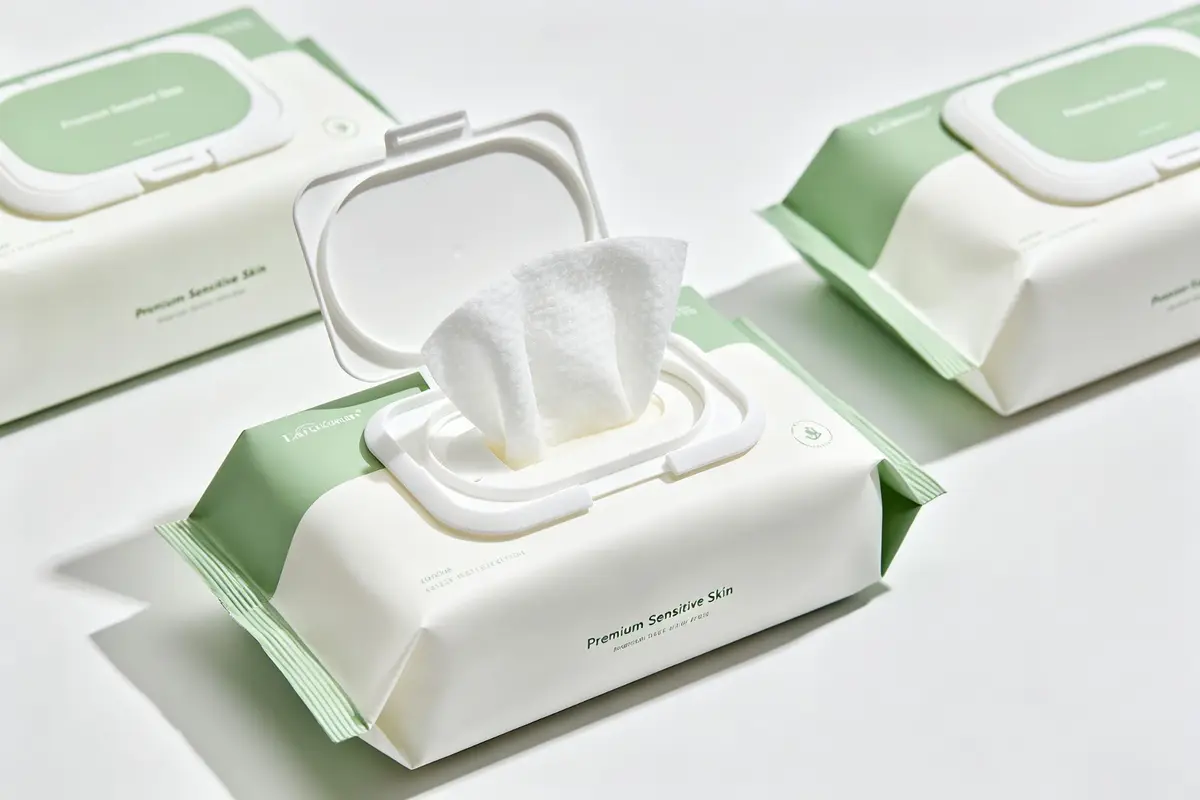
Best Baby Wipes for Sensitive Skin: 2026 Complete Buying Guide
Searching for the best baby wipes for sensitive skin? You've come to the right place. Baby wipes are one of the most frequently used baby care products—parents use them for diaper changes, messy hands and faces, cleaning high chairs, and even wiping down shopping cart handles. For babies with sensitive skin, eczema, or a tendency toward diaper rash, choosing the right wipes is critical. The wrong wipes can cause redness, irritation, and discomfort. This comprehensive guide helps you find the best baby wipes for sensitive skin in 2026.
Why Sensitive Skin Needs Special Wipes
Baby skin is fundamentally different from adult skin. It's thinner, more permeable, and has a weaker protective barrier. This means it's more susceptible to irritation from chemicals, fragrances, and other potential allergens in baby wipes. For babies with sensitive skin, eczema, or a history of diaper rash, the stakes are even higher.
Common irritants found in standard baby wipes include:
- Fragrances/perfumes: Synthetic fragrances are one of the most common causes of skin irritation and allergic reactions. Even "natural" fragrances can cause reactions in sensitive babies.
- Alcohol: Alcohol can dry out and irritate delicate baby skin, disrupting the natural skin barrier.
- Parabens: These preservatives have been linked to skin irritation and potential hormonal effects. Many parents actively avoid them.
- Phthalates: Often used in fragrances, phthalates have been associated with various health concerns and skin irritation.
- Harsh preservatives: Some preservatives like methylisothiazolinone (MI) and methylchloroisothiazolinone (MCI) are known skin sensitizers that can cause allergic contact dermatitis.
- Soap/sulfates: Sodium lauryl sulfate (SLS) and similar surfactants can strip the skin of natural oils and cause irritation.
- Dyes and colorants: Artificial colors can cause allergic reactions in sensitive babies.
The best baby wipes for sensitive skin avoid these irritants entirely, using minimal, gentle ingredients that clean effectively without compromising the skin's natural barrier.
What to Look for in the Best Baby Wipes for Sensitive Skin
1. Gentle, Minimal Ingredients
The best sensitive skin wipes have short, simple ingredient lists. Look for wipes that contain primarily water (90%+), gentle cleansers, and natural moisturizers like aloe vera, chamomile extract, or vitamin E. Avoid wipes with long ingredient lists full of unpronounceable chemicals. A good rule: if you can't pronounce an ingredient, research it before using it on your baby's skin.
2. Fragrance-Free and Hypoallergenic
Always choose fragrance-free (not "unscented," which may contain masking fragrances) wipes for sensitive skin. Look for products labeled "hypoallergenic," which means they're formulated to minimize the risk of allergic reactions. While no product can guarantee zero reactions, hypoallergenic products are tested and formulated to be less likely to cause irritation.
3. Independent Dermatological Certification
The gold standard for sensitive skin products is independent dermatological testing and certification. Look for wipes that have earned certifications from reputable organizations like Dermatest, a German independent testing institute. Dermatest rigorously tests products for skin compatibility, ingredient safety, and overall safety. An "Excellent" or "Very Good" rating from Dermatest provides strong third-party assurance that the wipes are safe for sensitive skin. Moni Happy baby wipes, for example, have earned Dermatest International Safety Certification, providing parents with confidence in their safety and gentleness.
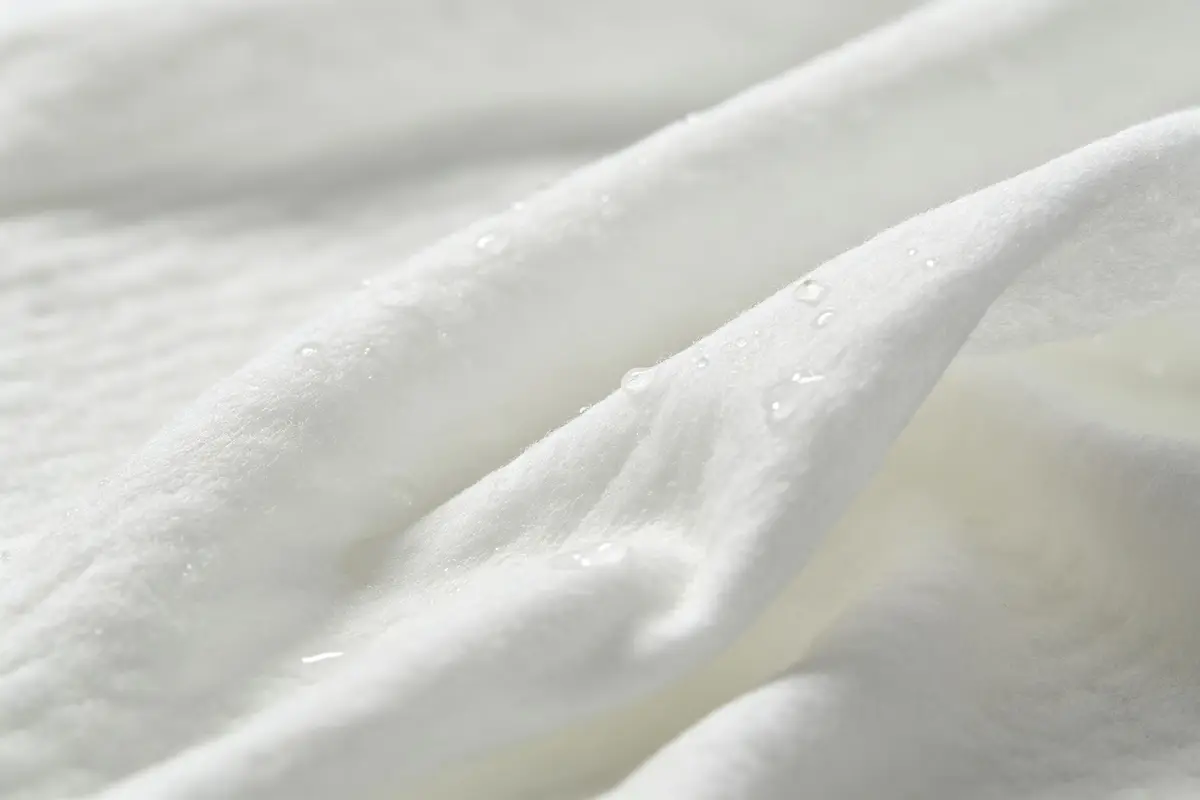
4. Soft, Thick, and Durable Fabric
The fabric of the wipe matters just as much as the solution. For sensitive skin, look for wipes that are:
- Soft: A soft, plush texture is gentler on delicate skin and requires less rubbing to clean.
- Thick: Thicker wipes are more durable and less likely to tear or allow mess to seep through to your hands. They also feel more luxurious and gentle on skin.
- Durable: Wipes that don't tear or stretch out during use are more effective and require fewer wipes per change, reducing overall skin exposure.
- Adequately moist: Wipes should be moist enough to clean effectively without being sopping wet. Overly wet wipes can leave excess moisture on the skin, which can contribute to diaper rash if not patted dry.
5. pH-Balanced Formula
Healthy baby skin has a slightly acidic pH of around 5.5, which helps maintain the skin's protective acid mantle. Wipes with a pH that matches healthy skin help preserve this natural barrier, reducing the risk of irritation and diaper rash. Look for wipes labeled "pH-balanced" or "mildly acidic" that specifically target a pH of 5.5.
6. No Harsh Chemicals
Avoid wipes containing alcohol, parabens, phthalates, SLS/SLES, synthetic fragrances, dyes, and harsh preservatives like MI/MCI. The best sensitive skin wipes are formulated with clean, gentle ingredients that you can feel good about using on your baby's most delicate skin.
7. Convenient Packaging
While not directly related to skin sensitivity, packaging matters for practical use. Look for wipes with:
- A secure flip-top lid that keeps wipes moist and prevents them from drying out
- Easy one-handed dispensing (essential when you're holding a wiggly baby with one hand)
- Resealable travel packs for on-the-go use
- Refill options to reduce waste and save money
Top Baby Wipes for Sensitive Skin in 2026
Moni Happy Sensitive Skin Baby Wipes
Moni Happy baby wipes are specifically formulated for sensitive skin, with a gentle, fragrance-free, hypoallergenic formula. The wipes feature a soft, thick, durable non-woven fabric that is gentle on delicate skin while effectively cleaning messes. The entire range has earned Dermatest International Safety Certification, providing independent verification of skin compatibility and safety. Moni Happy wipes are free from alcohol, parabens, phthalates, and synthetic fragrances, making them suitable for even the most sensitive baby skin. The convenient flip-top packaging keeps wipes fresh and allows easy one-handed dispensing. Buy Moni Happy sensitive skin baby wipes from the official website.
WaterWipes Original
WaterWipes are known for their minimal ingredient list—just 99.9% water and a drop of fruit extract. They are fragrance-free, hypoallergenic, and suitable for sensitive skin and newborns. While they are very gentle, some parents find them thinner and less durable than premium options, and they may dry out faster once the pack is opened.
Pampers Sensitive Water-Based Wipes
Pampers Sensitive wipes are fragrance-free, hypoallergenic, and dermatologist-tested. They are soft and thick, with a pH-balanced formula. Pampers is a widely available and trusted brand, making these wipes easy to find both online and in stores. Some parents with extremely sensitive babies report occasional mild irritation, so patch testing is recommended.
Huggies Natural Care Sensitive Wipes
Huggies Natural Care Sensitive wipes are fragrance-free, hypoallergenic, and infused with aloe and vitamin E. They are dermatologist-tested and suitable for sensitive skin. The wipes are soft and thick, with good durability. Huggies offers good value and wide availability across Southeast Asian e-commerce platforms.
Seventh Generation Free & Clear Wipes
Seventh Generation wipes are made with plant-based materials and a fragrance-free, hypoallergenic formula. They are free from alcohol, parabens, and synthetic fragrances. The wipes are thick and durable, with a soft texture. While they are a popular choice among eco-conscious parents, they may be harder to find in some Southeast Asian markets and can be more expensive than local options.
How to Test Wipes for Sensitive Skin
Even the best baby wipes for sensitive skin may cause a reaction in some babies, as every baby's skin is unique. Here's how to safely test a new wipe:
- Do a patch test: Before using a new wipe all over, test it on a small area of baby's skin (like the inside of the wrist or forearm) and wait 24 hours. If there's no redness, irritation, or rash, the wipe is likely safe to use.
- Start slowly: When first using a new wipe, use it for one or two diaper changes per day, gradually increasing use over several days. This allows you to monitor for any delayed reactions.
- Watch for signs of irritation: Redness, rash, itching, swelling, or bumps after using wipes may indicate a reaction. If you notice these signs, stop using the wipes immediately and consult your pediatrician.
- Consider the whole routine: If baby develops a rash, it may not be the wipes alone. Diaper brand, laundry detergent, bath products, and even new foods can all contribute to skin irritation. Consider all potential sources when troubleshooting.
Tips for Using Wipes on Sensitive Skin
- Pat, don't rub: Gently pat the skin clean rather than rubbing, which can cause friction and irritation, especially on already sensitive or rash-prone skin.
- Use warm water when possible: For particularly sensitive skin or during a diaper rash flare-up, consider using warm water and a soft cloth instead of wipes, or rinse the wipe with warm water before use to dilute the solution.
- Pat dry after wiping: After cleaning, gently pat the skin dry with a soft towel or premium facial towel before putting on a fresh diaper. Excess moisture can contribute to diaper rash.
- Apply barrier cream: For babies prone to diaper rash, apply a thin layer of zinc oxide barrier cream after each diaper change to protect the skin from moisture and irritants.
- Don't use wipes on broken skin: If baby has open sores, severe diaper rash, or broken skin, avoid using wipes on the affected area. Use warm water and a soft cloth instead, and consult your pediatrician.
- Store wipes properly: Always close the flip-top lid securely after use to prevent wipes from drying out. Store wipes at room temperature, away from direct sunlight and heat sources.
- Use the right amount: Use as many wipes as needed to get clean, but don't over-wipe. Excessive wiping can cause friction and irritation, especially on sensitive skin.
Where to Buy the Best Baby Wipes for Sensitive Skin Online
The best baby wipes for sensitive skin are available through several online channels in Southeast Asia:
- Brand official websites: Buying directly from the brand ensures authenticity and often offers the best prices, bundle deals, and subscription discounts. Moni Happy's official website offers the full range of Dermatest-certified sensitive skin wipes with detailed product information and direct customer support.
- Major e-commerce platforms: Shopee, Lazada, and TikTok Shop carry a wide selection of sensitive skin wipes from various brands. Look for official brand stores to ensure authenticity. TikTok Shop live streams often feature product demonstrations and exclusive deals.
- Pharmacy online stores: Watsons, Guardian, and other pharmacy chains offer sensitive skin wipes online, providing an added layer of trust and quality assurance.
- Grocery delivery apps: GrabMart, foodpanda shops, and similar apps offer same-day delivery of baby wipes from supermarkets and pharmacies, ideal for emergency restocks.
Conclusion
Finding the best baby wipes for sensitive skin requires careful attention to ingredients, certifications, fabric quality, and your baby's individual skin needs. The best wipes are fragrance-free, hypoallergenic, made with gentle minimal ingredients, and independently tested for skin safety. Look for Dermatest-certified wipes like Moni Happy sensitive skin baby wipes, which offer the highest level of independent safety verification. Always do a patch test before using a new wipe, and pat (don't rub) when cleaning sensitive skin. Buy from official sources to ensure authenticity, and take advantage of bundle deals and subscriptions for the best value. With the right wipes and proper technique, you can keep your baby's sensitive skin clean, healthy, and irritation-free. For business or distribution inquiries, visit the Moni Happy partner page.
Frequently Asked Questions
What ingredients should I avoid in baby wipes for sensitive skin?
For babies with sensitive skin, avoid wipes containing: 1) Fragrances/perfumes - synthetic fragrances are the most common cause of skin irritation and allergic reactions. Even 'natural' fragrances can cause reactions. 2) Alcohol - dries out and irritates delicate baby skin, disrupting the natural skin barrier. 3) Parabens - preservatives linked to skin irritation and potential hormonal effects. 4) Phthalates - often used in fragrances, associated with skin sensitization. 5) Harsh preservatives like methylisothiazolinone (MI) and methylchloroisothiazolinone (MCI) - known skin sensitizers that can cause allergic contact dermatitis. 6) SLS/SLES (sulfates) - can strip the skin of natural oils and cause irritation. 7) Artificial dyes and colorants - can cause allergic reactions. Instead, choose wipes with short, simple ingredient lists containing primarily water (90%+), gentle cleansers, and natural moisturizers like aloe vera, chamomile, or vitamin E. Look for independent dermatological certifications like Dermatest for added assurance.
How do I know if my baby has sensitive skin?
Signs that your baby may have sensitive skin include: 1) Frequent diaper rash that is slow to heal or recurs frequently. 2) Redness, irritation, or small bumps after using certain wipes, diapers, soaps, or lotions. 3) Eczema (atopic dermatitis) - dry, red, itchy, scaly patches on the skin, often on the cheeks, behind the knees, or in skin folds. 4) Skin that reacts to new products quickly - if your baby develops redness or irritation shortly after using a new product, their skin may be sensitive. 5) Family history - if parents or siblings have eczema, allergies, or sensitive skin, your baby is more likely to have sensitive skin too. 6) Skin that is easily irritated by heat, sweat, or friction. If you suspect your baby has sensitive skin, consult your pediatrician for guidance. For sensitive skin babies, use fragrance-free, hypoallergenic products with independent dermatological certifications, and always do a patch test before using a new product.
Are water-based wipes better for sensitive skin?
Water-based wipes (with 90%+ water content) are generally better for sensitive skin because they contain fewer potentially irritating ingredients. However, not all water-based wipes are created equal: 1) High water content means fewer chemicals are needed, reducing the risk of irritation. 2) But water alone doesn't clean effectively - gentle cleansers are still needed, and the quality of those cleansers matters. 3) Some 'water wipes' still contain preservatives (necessary to prevent bacterial growth in the package) - check the full ingredient list, not just the marketing claims. 4) The fabric matters too - a soft, thick, durable non-woven fabric is gentler on skin than thin, rough wipes that require more rubbing. 5) Look for wipes with independent dermatological certifications (like Dermatest 'Excellent' rating) for third-party verification of skin safety, not just marketing claims. 6) For extremely sensitive skin or during a diaper rash flare-up, consider using warm water and a soft cloth instead of wipes, or rinse wipes with warm water before use to dilute the solution. Moni Happy sensitive skin wipes are Dermatest-certified, fragrance-free, and made with a soft, thick fabric - an excellent choice for sensitive skin babies.
Can I use sensitive skin wipes on newborns?
Yes, sensitive skin wipes can be used on newborns, but with some important considerations: 1) Newborn skin is extremely delicate and more permeable than older babies' skin, so it's even more important to choose gentle, fragrance-free, hypoallergenic wipes. 2) For the first few weeks, many pediatricians recommend using only warm water and a soft cloth or cotton balls for newborn diaper changes, especially for the first 2-4 weeks, as newborn skin is still developing its protective barrier. 3) When you do start using wipes, choose products specifically formulated for sensitive skin or newborns, with independent dermatological certifications. 4) Avoid wipes with fragrances, alcohol, parabens, and other harsh ingredients. 5) Always do a patch test - wipe a small area of baby's skin (like the inside of the wrist) and wait 24 hours to check for any reaction before using on the diaper area. 6) Pat gently rather than rubbing, and pat skin dry before putting on a fresh diaper. 7) If your newborn develops any redness, irritation, or rash, stop using the wipes and consult your pediatrician. Moni Happy sensitive skin wipes are Dermatest-certified and suitable for newborns, but always consult your pediatrician before introducing new products to a newborn.
How should I store baby wipes to keep them fresh and effective?
Proper storage keeps baby wipes fresh, moist, and effective: 1) Always close the flip-top lid securely after each use - this prevents the wipes from drying out and protects them from contamination. 2) Store wipes at room temperature, away from direct sunlight and heat sources (like radiators, heaters, or hot car interiors) - heat can cause the solution to evaporate and may degrade the ingredients. 3) Avoid storing wipes in extremely cold temperatures, as this can affect the solution's consistency. 4) Once opened, use wipes within 1-2 months for best quality - while wipes don't typically 'expire,' the solution may evaporate or the preservatives may lose effectiveness over time. 5) For travel, use resealable travel packs or a wipe dispenser that keeps wipes moist and accessible. 6) Don't transfer wipes to unmarked containers - keep them in original packaging with the ingredient list and expiration date visible. 7) If wipes become dried out, you can sometimes revive them by adding a small amount of distilled water, but if they've been open for a long time or show signs of mold or discoloration, discard them. 8) Check the expiration or best-by date on the package before use, especially for wipes with natural ingredients.