
2026-10-09 · Moni Happy Editorial Team
Best Baby Wipes for Sensitive Skin: Southeast Asia Market Guide
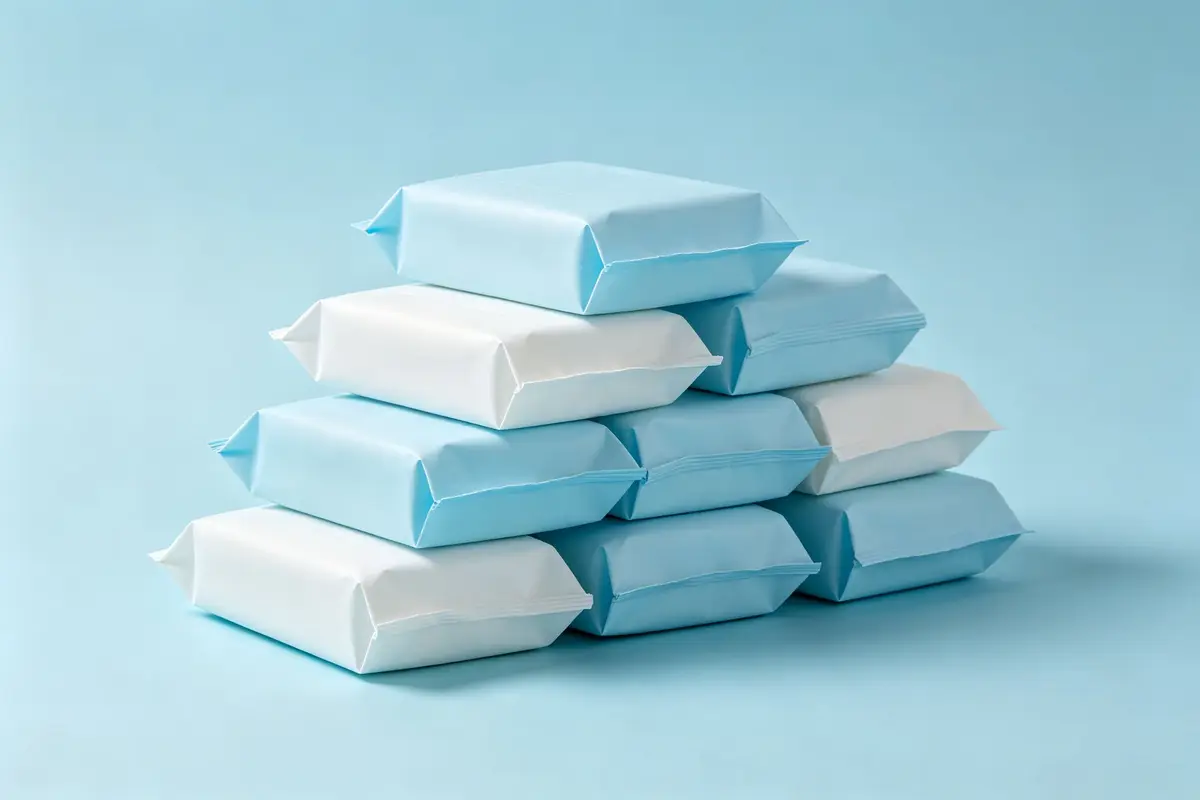
The global baby wipes market is undergoing a significant transformation as parents increasingly prioritize gentle, skin-safe ingredients over convenience and price alone. For babies with sensitive skin — a category that includes up to 40% of infants, according to pediatric dermatology estimates — finding the best baby wipes for sensitive skin is not just a preference but a necessity.We are not going to quote a market size or growth rate for this category: published estimates for this market differ by an order of magnitude depending on the source and on whether the scope is diapers only or all baby care, and we cannot stand behind any of them. What is not in dispute is the direction of travel — demand in this category is growing in the markets we already ship to. If you need a sized market for a specific country, we will help you build the estimate from figures you can verify rather than quote you one.8%, with the sensitive-skin segment growing faster at an estimated 9.2% as parental awareness of skin health and ingredient safety rises across both developed and emerging markets.
Market Overview: The Shift Toward Gentle, Minimal-Ingredient Wipes
Several converging trends are driving the growth of the sensitive-skin baby wipes segment across Southeast Asia and globally. First, rising rates of baby eczema and sensitive skin — attributed to factors including genetics, environmental allergens, overuse of antibacterial products, and earlier introduction of potential irritants — have made parents more selective about the products they use on their baby's skin. The skin of a newborn is significantly thinner and more permeable than adult skin, making it more susceptible to irritation from fragrances, preservatives, and other chemicals found in conventional baby wipes.
Second, increasing parental awareness of ingredient safety — fueled by social media, parenting blogs, and the clean beauty movement — has led many parents to scrutinize ingredient labels and avoid products with potentially harmful chemicals. Ingredients like parabens, phthalates, synthetic fragrances, and formaldehyde-releasing preservatives have come under scrutiny, and parents are actively seeking products with shorter, simpler ingredient lists. Third, the COVID-19 pandemic accelerated the trend toward hygiene and disinfection, but also increased awareness of the importance of gentle, non-irritating products for frequent use — as parents used wipes more frequently, many noticed skin irritation in their babies and switched to gentler formulations.
In Southeast Asia, the baby wipes market is particularly dynamic. E-commerce platforms like Shopee, Lazada, and TikTok Shop have made a wide range of international and regional wipe brands accessible to consumers, with detailed ingredient lists, customer reviews, and video demonstrations helping parents make informed decisions. COD (cash on delivery) remains the dominant payment method in Indonesia, Vietnam, and the Philippines, lowering the barrier to trial for premium products. Social commerce — particularly "what's in my diaper bag" and "sensitive skin baby essentials" content on TikTok and Instagram — is a powerful driver of product discovery and conversion. For parents searching for the best baby wipes for sensitive skin, the abundance of options can be overwhelming, but understanding key ingredients and market trends can help narrow the choices.
Key Features of the Best Baby Wipes for Sensitive Skin
Based on dermatologist recommendations, consumer testing data, and analysis of top-rated products, here are the key features that distinguish the best baby wipes for sensitive skin:
- Minimal, simple ingredients: The best wipes for sensitive skin have short, simple ingredient lists with water as the first ingredient. Look for wipes with 10 or fewer ingredients, and avoid wipes with long lists of unrecognizable chemicals. Water-based wipes with 95%+ purified water content are generally the gentlest.
- Fragrance-free: Synthetic fragrances are one of the most common causes of skin irritation and allergic contact dermatitis in babies. Always choose fragrance-free (unscented) wipes for sensitive skin. Note that "unscented" does not always mean fragrance-free — some products use masking fragrances to cover up chemical odors — so check the ingredient list for terms like "parfum," "fragrance," or "perfume."
- Hypoallergenic and dermatologist-tested: Look for wipes labeled hypoallergenic (formulated to minimize the risk of allergic reactions) and dermatologist-tested or pediatrician-tested. While these labels are not regulated guarantees, they indicate that the product has undergone some level of skin safety testing.
- Gentle preservatives: All wet wipes need preservatives to prevent bacterial and fungal growth, but some preservatives are gentler than others. Look for wipes using phenoxyethanol (in concentrations under 1%), citrate-based preservatives, or natural preservatives like grapefruit seed extract. Avoid wipes with formaldehyde-releasing preservatives (DMDM hydantoin, quaternium-15, imidazolidinyl urea, diazolidinyl urea) and parabens (methylparaben, propylparaben, butylparaben).
- Soft, strong material: The wipe material itself matters. Look for wipes made from soft, thick, durable materials like viscose, cotton, or plant-based fibers (bamboo, eucalyptus) that are gentle on skin but strong enough for effective cleaning without tearing. Avoid thin, rough wipes that can cause friction irritation. Some premium wipes use 3D texture or embossing for better cleaning with less pressure.
- Skin-loving additives (when tolerated): Some sensitive-skin wipes include gentle, moisturizing ingredients like aloe vera, chamomile extract, calendula, or vitamin E. While these can be soothing for many babies, babies with severe eczema or multiple allergies may still react to botanical extracts, so it's best to patch-test first. For the most sensitive skin, wipes with no added botanicals — just water and a gentle preservative — may be the safest choice.
- pH-balanced: Look for wipes with a pH close to that of healthy baby skin (around 5.5), as overly alkaline or acidic wipes can disrupt the skin's natural acid mantle and contribute to irritation and diaper rash.
Product Segments and Competitive Landscape
The sensitive-skin baby wipes market can be divided into several segments:
- Water wipes (ultra-minimal): The premium segment, with 99%+ water content and just 1-3 additional ingredients. Brands like WaterWipes, Natracare, and regional manufacturers compete here. These are the gentlest option for very sensitive skin, eczema, or newborns, but are typically more expensive and may be less effective for messy cleanups due to minimal cleansing agents.
- Hypoallergenic sensitive-skin wipes: The mid-range premium segment, with 8-12 ingredients including water, gentle cleansers, moisturizers (aloe, chamomile), and gentle preservatives. Brands like Pampers Sensitive, Huggies Natural Care, and many premium regional and Japanese brands compete here. These offer a balance of gentleness, cleansing power, and value, and are the most popular choice for parents of babies with sensitive skin.
- Organic/natural wipes: A growing segment, with wipes made from organic or plant-based materials (organic cotton, bamboo, viscose) and natural, biodegradable ingredients. Brands like Jackson Reece, Earth Rated, and eco-focused regional brands compete here. These appeal to eco-conscious parents and those seeking natural alternatives, but may be more expensive and less widely available in Southeast Asia.
- Value/essential wipes: The mass-market segment, with more ingredients and lower price points. While some value wipes are labeled "sensitive" or "gentle," they may contain fragrances or harsher preservatives. Parents of babies with confirmed sensitive skin generally need to upgrade to premium sensitive-skin wipes, though some value brands have improved their formulations in response to consumer demand.
For parents looking for the best baby wipes for sensitive skin, many find that a combination approach works best — ultra-gentle water wipes for newborns and active diaper rash, and premium hypoallergenic wipes for everyday use and on-the-go. Moni Happy's premium baby wipes are formulated with gentle, skin-loving ingredients, are fragrance-free and hypoallergenic, and are available for direct online purchase across Southeast Asia with COD support. For families looking to shop baby care products Southeast Asia, the brand's complete range offers quality and value.
Distribution and Brand Strategy
For brands looking to enter or expand in the Southeast Asian sensitive-skin baby wipes market, several strategic considerations are critical. First, ingredient transparency and safety certification are essential — parents trust wipes that display full ingredient lists, dermatologist testing, and certifications like Dermatest, hypoallergenic labeling, or eco-certifications. Brands that can demonstrate clinical safety data and pediatrician endorsement command a significant price premium. Second, pricing must be localized — while premium water wipes can command higher prices in Singapore and Malaysia, brands targeting Indonesia, Vietnam, and the Philippines need to offer value-oriented sensitive-skin wipes in accessible price points, often through larger pack sizes or bulk packaging. Third, e-commerce content excellence is critical, with detailed ingredient breakdowns, comparison charts, video demonstrations, and before/after skin testimonials being highly effective. Influencer partnerships with parenting content creators — particularly "sensitive skin baby routine" and "diaper rash solutions" content — drive awareness and conversion. For brands and distributors interested in expanding their footprint, Moni Happy's distributor partnership program provides access to established retail channels, logistics infrastructure, and localized marketing support across the region.
Future Outlook
The sensitive-skin baby wipes market is poised for continued growth, driven by rising rates of baby eczema and sensitive skin, increasing parental ingredient awareness, and the clean beauty movement. Innovation will focus on even more minimal and natural formulations, biodegradable and compostable materials (addressing environmental concerns about wipe waste), smart packaging (like flip-top lids and one-hand dispensing), and personalized formulations for specific skin concerns (eczema, diaper rash-prone, extra-sensitive newborn skin). As the market evolves, brands that combine ingredient transparency, clinical safety, compelling digital content, and localized pricing will lead the category. For parents, the best baby wipes for sensitive skin are those that are gentle enough for daily use, effective enough for messy cleanups, and formulated with ingredients they can trust — and the growing range of options means there's a perfect wipe for every baby's skin.
Frequently Asked Questions
What ingredients should I avoid in baby wipes for sensitive skin?
For babies with sensitive skin, avoid wipes containing alcohol, fragrances (both synthetic and some essential oils), parabens (methylparaben, propylparaben), phthalates, formaldehyde-releasing preservatives (like DMDM hydantoin, quaternium-15), and harsh surfactants like sodium lauryl sulfate (SLS). Also be cautious with wipes that contain strong botanical extracts or essential oils like tea tree, lavender, or citrus, as these can cause contact dermatitis in sensitive babies. Look for wipes with short, simple ingredient lists, water as the first ingredient, and gentle preservatives like phenoxyethanol (in low concentrations) or citrate-based systems. Hypoallergenic, dermatologist-tested, and fragrance-free wipes are generally the safest choices for sensitive skin.
Are water-based wipes better for sensitive baby skin?
Water-based wipes — often marketed as 'water wipes' with 99% or higher purified water content — are generally considered gentler for sensitive skin because they contain fewer ingredients and fewer potential irritants. The original water wipe concept popularized by brands like WaterWipes uses just two ingredients: 99.9% purified water and a drop of fruit extract (citrus grandis seed extract) as a natural preservative. However, not all 'water wipes' are created equal — some still contain fragrances, preservatives, or other additives despite the 'water' label. For babies with very sensitive skin, eczema, or a history of reactions, water-based wipes with minimal ingredients are often the best starting point, but it's always wise to do a patch test on a small area of skin first and monitor for any reaction.
How do I choose the best baby wipes for sensitive skin in Southeast Asia?
When choosing baby wipes for sensitive skin in Southeast Asia, consider several factors beyond just ingredients. First, look for fragrance-free, hypoallergenic, dermatologist-tested wipes with minimal ingredients and water as the first ingredient. Second, consider the climate — in hot and humid Southeast Asian climates, babies may have more frequent diaper changes and more skin irritation from heat and moisture, so wipes that are gentle, moisturizing (with aloe or chamomile, if tolerated), and strong enough for frequent use are important. Third, consider availability and value — premium sensitive-skin wipes can be expensive, so look for brands that offer bulk packaging or subscription options. Fourth, consider eco-friendliness — biodegradable or compostable wipes are better for the environment, especially in regions with waste management challenges. For parents looking for the best baby wipes for sensitive skin, <a href='https://moni-happy.com/wipes/'>Moni Happy's premium baby wipes</a> are formulated with gentle, skin-loving ingredients and are available across Southeast Asia.
Can baby wipes cause diaper rash, and how do I prevent it?
Yes, baby wipes can contribute to diaper rash in some babies, especially if the wipes contain fragrances, alcohol, or harsh preservatives that irritate sensitive skin, or if the baby's skin is not thoroughly dried after wiping. To prevent wipe-related diaper rash: choose fragrance-free, hypoallergenic wipes with minimal ingredients; pat the skin dry gently after wiping (don't rub vigorously); consider using warm water and a soft washcloth for particularly sensitive skin or during active diaper rash (you can use wipes for on-the-go); apply a thin layer of zinc oxide diaper cream as a barrier; change diapers frequently, especially after bowel movements; and give the baby some diaper-free time each day to let the skin breathe. If a rash persists for more than 2-3 days, worsens, or is accompanied by blisters, pus, or fever, consult your pediatrician, as it may be a fungal (yeast) infection or bacterial infection requiring medical treatment.