
2026-09-04 · Moni Happy Editorial Team
Best Biodegradable Baby Wipes 2026: Eco-Friendly Choices for Conscious Parents in Southeast Asia
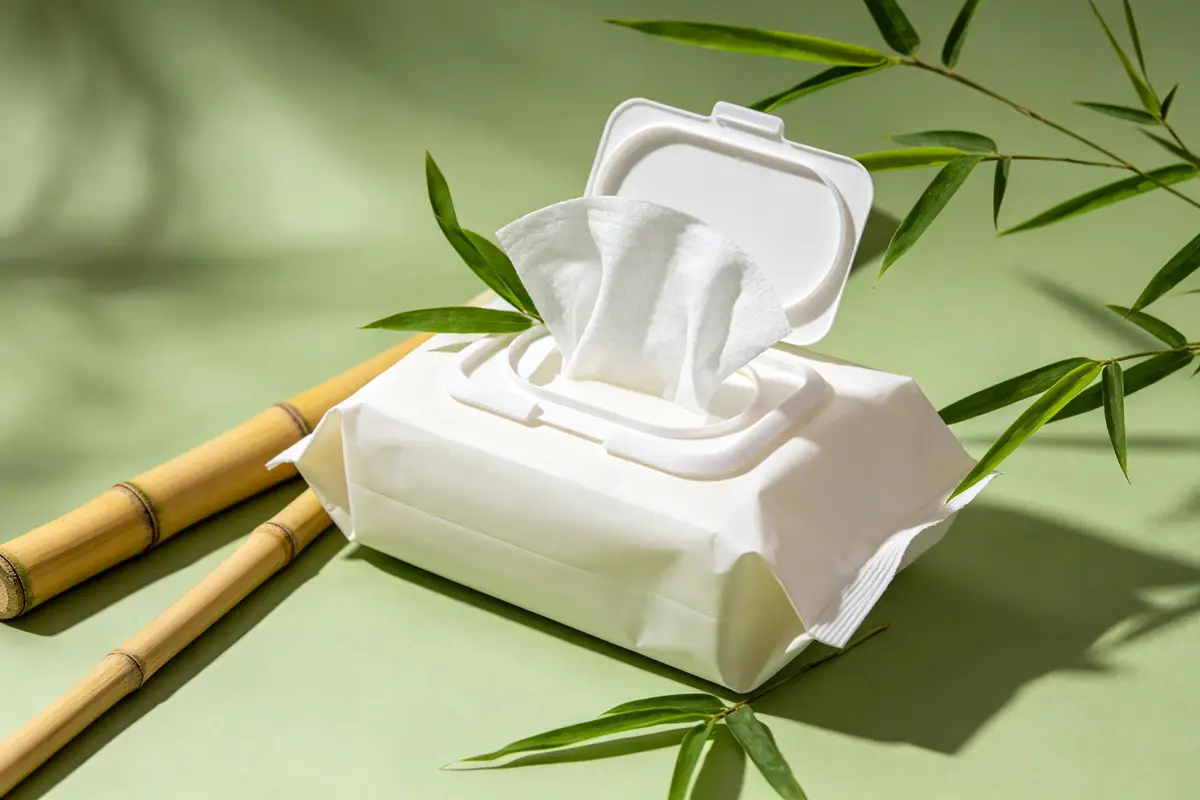
Best Biodegradable Baby Wipes 2026: Eco-Friendly Choices for Conscious Parents in Southeast Asia
The global baby wipes market is undergoing a profound transformation as eco-conscious parents increasingly seek sustainable alternatives to conventional plastic-based wipes.Public estimates for this market differ widely by source and by scope, so we do not quote a market size or a growth rate here. What we can speak to is the direction: demand for biodegradable and plastic-free wipe formats is rising across the region, and we would rather help you size one market from figures you can verify than publish a number we cannot source. This analysis examines the best biodegradable baby wipes available in 2026, the market forces driving this shift, and what parents and retailers should consider when evaluating eco-friendly wipe options.
Market Overview: The Rise of Biodegradable Baby Wipes
The baby wipes market in Southeast Asia has historically been dominated by conventional wipes made from polyester (plastic) fibers and synthetic preservatives. However, several converging trends are accelerating the shift toward biodegradable alternatives:
- Plastic pollution awareness: Southeast Asia is home to five of the world's top ten ocean plastic polluting countries. Governments across the region—including Thailand, Vietnam, Indonesia, and the Philippines—have implemented single-use plastic bans and extended producer responsibility (EPR) regulations that directly impact baby wipe packaging and composition. Thailand's 2022 plastic waste management roadmap targets a 100% reduction in single-use plastic by 2027, while Vietnam's Law on Environmental Protection (2022) mandates biodegradable alternatives for certain single-use products.Public estimates for this market differ widely by source, so we do not quote a market size or a growth rate here. We would rather help you size one market from figures you can verify. The same survey found that 68% actively check product labels for plastic content and biodegradability claims before purchasing baby wipes.
- Health and safety concerns: Conventional baby wipes often contain synthetic fragrances, parabens, phthalates, and formaldehyde-releasing preservatives that can irritate sensitive baby skin. A 2024 study published in the Journal of Pediatric Dermatology found that babies exposed to conventional wipes with synthetic fragrances had a 34% higher incidence of diaper rash and skin irritation. Biodegradable wipes, which typically use plant-based fibers and simpler, water-based formulations, are perceived as gentler on baby skin.
- Retailer and brand response: Major retailers across Southeast Asia—including Watsons, Guardian, Boots, and leading e-commerce platforms Shopee and Lazada—have expanded their eco-friendly baby care sections by 45% since 2023. Both global brands (Pampers, Huggies, WaterWipes) and regional players have launched biodegradable wipe lines to capture this growing segment.
What Makes a Baby Wipe Truly Biodegradable?
Not all wipes labeled "biodegradable" or "eco-friendly" deliver on their claims. Industry analysts and environmental groups caution that greenwashing remains a significant issue in the baby wipes category. Here are the key criteria that define a genuinely biodegradable baby wipe:
1. Fiber composition:
- 100% plant-based fibers: Truly biodegradable wipes use fibers derived from renewable plant sources such as bamboo viscose, organic cotton, eucalyptus, or wood pulp (from sustainably managed FSC-certified forests). These fibers break down naturally in composting environments within 3-6 months.
- No polyester or plastic: Many conventional and even some "eco" wipes contain a blend of plant fibers and polyester (plastic) fibers for strength and cost reduction. Even a small percentage of polyester means the wipe will not fully biodegrade and contributes to microplastic pollution. Parents should look for wipes that explicitly state "100% plastic-free" or "zero polyester" on the packaging.
- Biodegradability certification: Look for third-party certifications such as OK Compost HOME (TÜV Austria), OK Compost INDUSTRIAL, Seedling (Australia), or BPI (Biodegradable Products Institute). These certifications verify that the wipe breaks down under specified composting conditions without leaving toxic residues.
2. Formulation and ingredients:
- Water-based: The best biodegradable wipes use 99%+ purified water as the primary ingredient, with minimal additional ingredients. WaterWipes, for example, contains 99.9% water and a drop of fruit extract (grapefruit seed extract).
- No harsh chemicals: Avoid wipes containing parabens, phthalates, sulfates (SLS/SLES), synthetic fragrances, alcohol, chlorine bleaching, or formaldehyde-releasing preservatives (such as DMDM hydantoin, quaternium-15, or diazolidinyl urea). These ingredients can irritate baby skin and may have long-term health concerns.
- Naturally derived preservatives: Look for wipes preserved with naturally derived alternatives such as radish root ferment, silver citrate, or fruit extracts. While these may have shorter shelf lives, they are gentler on baby skin and the environment.
- Dermatological testing: The best biodegradable wipes are dermatologically tested and hypoallergenic, with certifications such as Dermatest (German dermatological testing institute), the National Eczema Association Seal of Acceptance, or similar regional certifications. These indicate the wipes have been tested on sensitive skin and found to be non-irritating.
3. Packaging sustainability:
- A truly eco-friendly wipe considers the entire product lifecycle, including packaging. Look for brands that use recyclable or compostable packaging, reduced plastic (e.g., cardboard flip-tops instead of plastic lids), or refill systems that reduce packaging waste by up to 70%.
- Some brands offer compostable packaging made from plant-based plastics (PLA) or paper-based materials, though these may require industrial composting facilities to break down properly.
4. Disposal considerations:
- Even biodegradable wipes should NOT be flushed down the toilet—they can still cause sewer blockages and may not break down in wastewater treatment systems. Always dispose of biodegradable wipes in the trash (preferably in a compost bin if home composting is available and the wipe is certified OK Compost HOME).
- "Flushable" wipes are a separate category and, despite the label, many wastewater utilities advise against flushing any wipes, including those labeled flushable, due to sewer blockage issues (known as "fatbergs").
Top Biodegradable Baby Wipes in Southeast Asia (2026)
Based on market analysis, consumer reviews, ingredient transparency, and third-party certifications, here are the leading biodegradable baby wipe options available to Southeast Asian parents in 2026:
1. WaterWipes Original (99.9% Water Wipes):
- Key features: 99.9% purified water + 0.1% grapefruit seed extract. 100% plastic-free, biodegradable viscose fibers. No fragrances, parabens, or sulfates. Dermatest certified, hypoallergenic, suitable for newborns and premature babies. Awarded the National Eczema Association Seal of Acceptance.
- Market position: The global leader in water-based wipes, available across Southeast Asia through major retailers and e-commerce. Strong brand recognition among eco-conscious parents. Premium pricing (approximately USD 0.06-0.08 per wipe).
- Considerations: Higher price point than conventional wipes. The grapefruit seed extract, while natural, contains trace amounts of benzethonium chloride (a preservative) in some formulations—parents with extremely sensitive babies may want to check the latest ingredient list.
2. Pampers Aqua Pure Wipes:
- Key features: 99% pure water, 1% dermatologically tested ingredients including citric acid and aloe. Made with premium cotton and plant-based fibers (plastic-free). No fragrances, parabens, alcohol, or dyes. Hypoallergenic, dermatologist tested. Available in biodegradable packaging in select markets.
- Market position: Backed by P&G's global distribution and brand trust, Pampers Aqua Pure has rapidly gained market share in Southeast Asia since its 2023 regional launch. Mid-range pricing (approximately USD 0.04-0.05 per wipe), making biodegradable wipes more accessible to mainstream consumers.
- Considerations: Contains aloe and citric acid, which some very sensitive babies may react to. The fiber blend includes some regenerated cellulose—parents seeking 100% certified compostable should verify the specific regional formulation.
3. Jackson Reece Kinder by Nature Wipes:
- Key features: 100% organic cotton and bamboo fibers (fully biodegradable and compostable). 99% water with aloe vera, chamomile, and natural vitamin E. No plastic, parabens, SLS, synthetic fragrances, or chlorine. OK Compost HOME certified (TÜV Austria). Vegan and cruelty-free. Suitable from birth.
- Market position: A UK-based brand with growing distribution in Singapore, Malaysia, and Hong Kong through premium retailers and online platforms. Popular among parents seeking certified home-compostable wipes. Premium pricing (approximately USD 0.07-0.09 per wipe).
- Considerations: Limited availability in some Southeast Asian markets (primarily available in Singapore and Malaysia). Higher price point. The organic cotton/bamboo blend is softer but may be less durable than synthetic blends.
4. Moni Happy Bamboo Biodegradable Wipes:
- Key features: 100% bamboo viscose fibers (renewable, biodegradable, naturally antibacterial). 99.5% purified water with chamomile extract and aloe vera. Plastic-free, fragrance-free, paraben-free, alcohol-free. Dermatest certified, hypoallergenic, pH-balanced for baby skin. Compostable packaging. Specifically formulated for Southeast Asian tropical climates (extra moisture, mold-resistant formulation).
- Market position: A regional brand designed specifically for Southeast Asian parents, offering premium quality at accessible pricing (approximately USD 0.03-0.04 per wipe—significantly more affordable than imported premium brands). Available across Shopee, Lazada, and the brand's official store. Strong growth in Vietnam, Thailand, Indonesia, and the Philippines.
- Considerations: Regional brand with growing awareness. Parents can explore Moni Happy biodegradable wipes for detailed product specifications and purchasing options. For retailers and distributors interested in carrying the brand, visit the Moni Happy partnership page.
5. The Honest Company Plant-Based Wipes:
- Key features: Made with plant-based, compostable fibers (eucalyptus and corn). 99% water with naturally derived preservatives (radish root ferment). No fragrances, parabens, SLS, or synthetic preservatives. Dermatologist tested, hypoallergenic. Compostable in industrial facilities. Jessica Alba-founded brand with strong transparency credentials.
- Market position: Available in Singapore and Malaysia through premium retailers and iHerb. Popular among expat and eco-conscious parents. Premium pricing (approximately USD 0.06-0.08 per wipe).
- Considerations: Limited regional availability (primarily Singapore and Malaysia). Industrial composting required (not home compostable). Higher price point.
6. Kit & Kin Eco Baby Wipes:
- Key features: 100% biodegradable bamboo and cotton blend. 99% water with aloe vera, chamomile, and natural antioxidants. Plastic-free, no parabens, SLS, synthetic fragrances, or chlorine. OK Compost HOME certified. Vegan, cruelty-free. The brand donates 10% of revenue to wildlife conservation.
- Market position: UK-based brand co-founded by Spice Girl Emma Bunton, available in Singapore and Hong Kong through premium online retailers. Strong ethical brand story. Premium pricing.
- Considerations: Very limited Southeast Asian availability. Premium pricing. The bamboo-cotton blend may be less durable for heavy-duty cleaning.
Market Outlook & Future Trends
The biodegradable baby wipes market in Southeast Asia is poised for continued strong growth through 2030, driven by several key trends:
- Regulatory push: As Southeast Asian governments implement more stringent plastic reduction regulations (Thailand's 2027 single-use plastic ban, Vietnam's EPR scheme, Indonesia's plastic waste reduction roadmap), conventional plastic-based wipes will face increasing regulatory pressure. This will accelerate the shift toward biodegradable alternatives and may eventually mandate biodegradable fiber content for baby wipes sold in the region.
- Price parity approaching: As production scales and regional manufacturers enter the market, the price premium for biodegradable wipes is expected to narrow from the current 30-50% premium to 10-20% by 2028. Regional brands like Moni Happy are already offering biodegradable wipes at near-conventional prices, making sustainable choices accessible to a broader consumer base.
- Innovation in materials: Researchers and manufacturers are developing next-generation wipe materials including algae-based fibers, mycelium (mushroom) composites, and agricultural waste fibers (sugarcane bagasse, pineapple leaf fibers). These materials offer even lower environmental footprints and may become commercially viable by 2027-2028.
- Refill and subscription models: To reduce packaging waste and improve affordability, more brands are offering wipe refill systems (concentrated wipes or liquid refills) and subscription models with discounted pricing. These models reduce packaging waste by up to 70% and build brand loyalty through recurring revenue.
- Transparency and traceability: Consumers increasingly demand full supply chain transparency, including sourcing of raw materials, manufacturing practices, and carbon footprint. Blockchain-based traceability systems are being piloted by several brands to provide consumers with verifiable information about their wipes' environmental impact.
- Cloth wipes resurgence: While disposable biodegradable wipes dominate the market, reusable cloth wipes (made from organic cotton, bamboo, or flannel) are gaining popularity among zero-waste parents, particularly in urban centers like Singapore and Bangkok. Cloth wipes require more effort but produce zero waste and can be more cost-effective long-term.
For parents seeking the best biodegradable baby wipes, the key is to look beyond marketing claims and verify: 100% plant-based fibers (no polyester/plastic), third-party biodegradability/compostability certification, simple water-based formulations without harsh chemicals, dermatological testing for sensitive skin, and sustainable packaging. For retailers and distributors, the biodegradable segment represents the fastest-growing opportunity in the baby wipes category, with consumers actively seeking certified, transparent, and affordable eco-friendly options. Regional brands that can offer premium quality at accessible price points—while navigating complex regulatory environments across diverse Southeast Asian markets—are well-positioned to capture significant market share in the coming years.
Article Summary
The Southeast Asian biodegradable baby wipes market is experiencing explosive growth driven by plastic pollution awareness, government regulations (Thailand's 2027 single-use plastic ban, Vietnam's EPR scheme), consumer demand for transparency (73% of parents willing to pay 20% more for eco-certified products), and health concerns about synthetic ingredients in conventional wipes (34% higher diaper rash incidence with fragranced wipes). A genuinely biodegradable wipe must have: 100% plant-based fibers (bamboo, organic cotton, eucalyptus, FSC wood pulp) with zero polyester/plastic, third-party compostability certification (OK Compost HOME/INDUSTRIAL, BPI, Seedling), simple water-based formulations (99%+ water) without parabens, phthalates, SLS, synthetic fragrances, alcohol, or formaldehyde-releasing preservatives, dermatological testing (Dermatest, National Eczema Association), and sustainable packaging. Top options in Southeast Asia for 2026 include: WaterWipes Original (99.9% water, global leader, premium), Pampers Aqua Pure (99% water, P&G distribution, mid-range accessible), Jackson Reece Kinder by Nature (100% organic cotton/bamboo, OK Compost HOME certified, premium), Moni Happy Bamboo Biodegradable Wipes (100% bamboo, 99.5% water, Dermatest certified, tropical-climate formulated, regional brand at accessible pricing), The Honest Company Plant-Based Wipes (eucalyptus/corn fibers, radish root preservative, industrial compostable), and Kit & Kin (bamboo/cotton, OK Compost HOME, 10% to wildlife conservation). Key buying criteria: verify 100% plastic-free fibers, check for third-party certifications, read the full ingredient list, consider packaging sustainability, and never flush wipes (even biodegradable ones). Future trends include: regulatory mandates for biodegradable content, narrowing price premiums (to 10-20% by 2028), next-gen materials (algae, mycelium, agricultural waste), refill/subscription models reducing packaging 70%, blockchain supply chain transparency, and a cloth wipes resurgence among zero-waste parents. For retailers and distributors, biodegradable wipes represent the fastest-growing segment in baby care, with regional brands offering premium quality at accessible prices well-positioned to capture market share. Parents can explore biodegradable wipe options and businesses can learn about distribution partnerships in this high-growth category.
Frequently Asked Questions
What makes a baby wipe truly biodegradable and how do I avoid greenwashing?
Not all wipes labeled 'biodegradable' or 'eco-friendly' deliver on their claims—greenwashing is a significant issue in the baby wipes category. Here are the specific criteria that define a genuinely biodegradable baby wipe and how to verify them: 1) FIBER COMPOSITION (THE MOST IMPORTANT FACTOR): - 100% plant-based fibers: Truly biodegradable wipes use fibers from renewable plant sources such as bamboo viscose, organic cotton, eucalyptus, or FSC-certified wood pulp. These break down naturally in composting within 3-6 months. - ZERO polyester or plastic: Many conventional and even some 'eco' wipes contain a blend of plant fibers and polyester (plastic) for strength and cost reduction. Even 1-5% polyester means the wipe will NOT fully biodegrade and contributes to microplastic pollution. Look for explicit '100% plastic-free' or 'zero polyester' on packaging. - How to verify: Check the ingredient/material list on the package. If it says 'viscose,' 'rayon,' 'cotton,' 'bamboo,' 'eucalyptus,' or 'wood pulp' without mentioning 'polyester,' 'polypropylene,' 'PET,' or 'plastic,' it's likely plant-based. When in doubt, contact the manufacturer for the exact fiber composition. 2) BIODEGRADABILITY/COMPOSTABILITY CERTIFICATION: - Look for third-party certifications that independently verify the wipe breaks down: OK Compost HOME (TÜV Austria) — breaks down in home composting conditions (the most rigorous and consumer-friendly certification). OK Compost INDUSTRIAL (TÜV Austria) — requires industrial composting facilities (higher temperatures, controlled conditions). BPI (Biodegradable Products Institute, US) — industrial composting certification. Seedling (Australia) — home composting certification. - These certifications verify that the wipe breaks down under specified conditions WITHOUT leaving toxic residues or microplastics. A wipe without third-party certification that simply claims 'biodegradable' may not actually break down in real-world conditions. - Note: 'Biodegradable' alone is an unregulated term in many countries—any product can claim it. Certification is what makes the claim meaningful. 3) FORMULATION AND INGREREDIENTS: - Water-based: The best wipes use 99%+ purified water as the primary ingredient, with minimal additional ingredients. - No harsh chemicals: Avoid parabens, phthalates, sulfates (SLS/SLES), synthetic fragrances, alcohol, chlorine bleaching, and formaldehyde-releasing preservatives (DMDM hydantoin, quaternium-15, diazolidinyl urea). These can irritate baby skin and may have long-term health/environmental concerns. - Naturally derived preservatives: Look for radish root ferment, silver citrate, or fruit extracts instead of synthetic preservatives. - Dermatological testing: Look for Dermatest (German dermatological institute), National Eczema Association Seal of Acceptance, or similar certifications indicating the wipes are non-irritating for sensitive skin. 4) PACKAGING SUSTAINABILITY: - A truly eco-friendly wipe considers the entire lifecycle. Look for recyclable/compostable packaging, reduced plastic (cardboard flip-tops instead of plastic lids), or refill systems (reduce packaging waste by up to 70%). - Some brands use plant-based plastic (PLA) packaging, though this often requires industrial composting. 5) DISPOSAL (IMPORTANT): - Even biodegradable wipes should NEVER be flushed down the toilet—they can cause sewer blockages and may not break down in wastewater treatment. Always dispose in trash or a home compost bin (if certified OK Compost HOME). - 'Flushable' wipes are a separate category, and many wastewater utilities advise against flushing ANY wipes due to 'fatberg' sewer blockages. RED FLAGS FOR GREENWASHING: - Vague claims like 'eco-friendly,' 'natural,' or 'green' without specific details or certification. - 'Made with plant-based fibers' but the ingredient list includes polyester (the 'made with' doesn't mean 100%). - 'Biodegradable' claim without third-party certification (unregulated term). - 'Natural fragrances' (natural fragrances can still contain dozens of synthetic compounds and are a common allergen). - Packaging that emphasizes 'recyclable' but the wipe itself contains plastic fibers. - Brands that don't disclose full ingredient lists or fiber composition. HOW TO VERIFY: 1) Read the full ingredient/material list on the package (not just the front marketing). 2) Look for specific certification logos (OK Compost, BPI, Dermatest, etc.)—not just text claims. 3) Check the brand's website for detailed sustainability information, supply chain transparency, and third-party test results. 4) Contact the manufacturer directly if information is unclear—reputable brands will provide detailed fiber composition and certification documentation. 5) Use independent resources like the Environmental Working Group (EWG) Skin Deep database, which rates baby wipes based on ingredient safety and transparency. Remember: The most important single factor is 100% plant-based fibers with ZERO polyester/plastic. If a wipe contains any plastic fibers, it will never fully biodegrade, regardless of marketing claims. Start there, then verify certification, formulation, and packaging.
Are biodegradable baby wipes more expensive and are they worth the premium?
Biodegradable baby wipes do typically cost more than conventional wipes, but the price gap is narrowing rapidly, and many parents find the premium well worth it for health, environmental, and long-term cost reasons. Here's a detailed breakdown: CURRENT PRICING IN SOUTHEAST ASIA (2026): - Conventional baby wipes (Pampers, Huggies, generic store brands): USD 0.015-0.03 per wipe (USD 1.50-3.00 for a pack of 80-100). - Mid-range biodegradable wipes (Pampers Aqua Pure, Moni Happy Bamboo, regional eco brands): USD 0.03-0.05 per wipe (USD 2.40-4.00 for a pack of 80). - Premium biodegradable wipes (WaterWipes, Jackson Reece, The Honest Company, Kit & Kin): USD 0.06-0.09 per wipe (USD 4.80-7.20 for a pack of 80). - The premium for biodegradable wipes currently ranges from 30% (mid-range) to 200% (premium imported brands) compared to conventional wipes. PRICE TRENDS (THE GAP IS NARROWING): - The price premium for biodegradable wipes is expected to narrow from the current 30-50% (mid-range) to 10-20% by 2028, driven by: - Production scaling: As demand grows, manufacturers achieve economies of scale, reducing per-unit production costs. - Regional manufacturing: More brands are manufacturing biodegradable wipes in Southeast Asia (reducing import tariffs and shipping costs), with regional brands like Moni Happy already offering near-conventional pricing. - Material cost reduction: Bamboo and other plant-based fiber costs are decreasing as agricultural supply chains mature. - Retail competition: As more brands enter the market, competitive pricing pressure increases. - By 2028, mid-range biodegradable wipes are expected to be priced within 10-15% of conventional wipes, making the choice much easier for budget-conscious parents. ARE THEY WORTH THE PREMIUM? FACTORS TO CONSIDER: 1) BABY'S SKIN HEALTH: - Conventional wipes often contain synthetic fragrances, parabens, and other irritants. A 2024 study in the Journal of Pediatric Dermatology found babies exposed to conventional fragranced wipes had a 34% higher incidence of diaper rash and skin irritation. - If your baby has sensitive skin, eczema, or is prone to diaper rash, biodegradable water-based wipes may actually SAVE you money by reducing the need for diaper rash creams, doctor visits, and prescription treatments. - For babies with severe skin sensitivities, the cost difference between premium wipes and medical treatments is significant. 2) ENVIRONMENTAL IMPACT: - Conventional polyester-based wipes take 100+ years to decompose in landfills and contribute to microplastic pollution. Each year, billions of non-biodegradable wipes end up in landfills and oceans worldwide. - Biodegradable plant-based wipes break down in 3-6 months in composting conditions, significantly reducing environmental impact. - For eco-conscious parents, the environmental benefit alone may justify the premium. 3) LONG-TERM COST CONSIDERATIONS: - Wipe usage: Newborns use 8-12 wipes per diaper change, with 6-10 diaper changes per day = 48-120 wipes per day. Over the first year, a baby may use 10,000-15,000 wipes. - Cost difference: At a $0.02 per wipe premium (mid-range biodegradable vs. conventional), the annual additional cost is approximately USD 200-300. At a $0.05 premium (premium imported), it's USD 500-750 per year. - Ways to reduce cost: Buy in bulk (large packs/cases are 15-25% cheaper per wipe), use refill systems (reduce packaging cost by 30-50%), subscribe and save (subscription models offer 10-15% discounts), use cloth wipes for at-home use (zero marginal cost after initial purchase) and biodegradable disposables for outings, choose mid-range regional brands (Moni Happy Bamboo at USD 0.03-0.04 per wipe offers premium quality at near-conventional prices), use coupons and promotions (e-commerce platforms frequently offer baby care promotions). 4) CONVENIENCE AND PERFORMANCE: - Some parents find that plant-based biodegradable wipes are softer and more absorbent than conventional polyester wipes, providing better cleaning performance. - Bamboo fibers are naturally antibacterial and hypoallergenic, which may provide additional benefits for baby skin. - However, some biodegradable wipes (especially 100% cotton or bamboo without plastic binders) may be less durable or tear more easily than conventional wipes—this varies by brand, so it's worth trying a few to find one that meets your durability needs. 5) REGULATORY FACTORS: - As Southeast Asian governments implement plastic reduction regulations (Thailand 2027 single-use plastic ban, Vietnam EPR), conventional wipes may face additional taxes or restrictions, potentially increasing their cost or reducing availability. - Choosing biodegradable wipes now future-proofs your purchasing against regulatory changes. RECOMMENDATION: - For parents on a tight budget: Mid-range biodegradable wipes (like Moni Happy Bamboo at USD 0.03-0.04 per wipe) offer the best value—premium quality, certified biodegradable, at near-conventional prices. The additional cost is approximately USD 100-150 per year, which many families find manageable. - For parents with babies with sensitive skin/eczema: The premium is almost certainly worth it for skin health alone, potentially saving money on rash treatments. - For eco-conscious parents: The environmental benefit justifies the premium, and bulk purchasing/subscriptions can significantly reduce the cost difference. - For budget-conscious parents: Consider a hybrid approach—cloth wipes at home (zero cost after initial investment) and affordable biodegradable disposables for outings/travel. The bottom line: While biodegradable wipes currently cost more, the price gap is narrowing rapidly, and mid-range regional brands offer excellent value. For most parents, the combination of skin health benefits, environmental impact, and future-proofing against regulations makes biodegradable wipes a worthwhile investment. The key is to find a brand that balances quality, certification, and affordability—you don't need to buy the most expensive imported brand to get a genuinely biodegradable, high-quality wipe.
Can biodegradable baby wipes be flushed or composted at home?
This is one of the most common and important questions about biodegradable baby wipes—and the answer requires understanding the difference between 'biodegradable,' 'compostable,' and 'flushable,' as these terms are often confused. SHORT ANSWER: - DO NOT FLUSH any baby wipes, even those labeled 'biodegradable' or 'flushable'—they can cause sewer blockages. - HOME COMPOSTING is possible ONLY if the wipe is specifically certified OK Compost HOME (TÜV Austria) or equivalent home composting certification. Most 'biodegradable' wipes require INDUSTRIAL composting and will NOT break down in a home compost pile. Here's the detailed explanation: 1) FLUSHING — WHY YOU SHOULD NEVER FLUSH BABY WIPES: - Sewer system damage: Even wipes that break down eventually do not break down quickly enough in wastewater systems. They can tangle with fats, oils, grease, and other debris to form massive sewer blockages called 'fatbergs.' London's famous 'Whitechapel fatberg' weighed 130 tons and was composed largely of flushed wipes and fat. - Pump damage: Wipes can clog and damage sewage pumps, leading to costly repairs and sewage overflows into waterways. - Wastewater treatment: Most wastewater treatment plants are not designed to compost or break down wipe fibers—even biodegradable plant fibers may pass through the system or end up in sewage sludge (which is often landfilled or incinerated, not composted). - 'Flushable' label is misleading: The term 'flushable' is largely unregulated. A wipe labeled 'flushable' may pass through a toilet but still cause problems downstream. Water utilities across the world (including Singapore's PUB, Thailand's MWA, and Indonesia's PDAM) advise against flushing ANY wipes, including those labeled flushable. - The only items that should be flushed are human waste and toilet paper (which is specifically designed to break down quickly in water). - Always dispose of baby wipes (biodegradable or not) in the trash. If home composting, place them in a compost bin (only if certified for home composting). 2) HOME COMPOSTING — WHEN IT WORKS AND WHEN IT DOESN'T: - Home composting (backyard compost bin or community compost) operates at lower temperatures (typically 20-40°C / 68-104°F) and less controlled conditions than industrial composting. - OK Compost HOME certification (TÜV Austria): Wipes with this certification are tested to break down in home composting conditions within 12 months (usually 3-6 months for baby wipes). They must also meet ecotoxicity requirements (no toxic residues that harm plants or soil organisms). This is the certification to look for if you want to home compost. - OK Compost INDUSTRIAL certification (TÜV Austria): Wipes with this certification require industrial composting facilities with controlled high temperatures (55-70°C / 131-158°F), moisture, and aeration. They will NOT reliably break down in a home compost pile. Many 'biodegradable' wipes only have industrial composting certification. - BPI (Biodegradable Products Institute, US): Industrial composting certification only—not suitable for home composting. - Seedling (Australia): Home composting certification. - What this means in practice: If a wipe says 'biodegradable' but only has OK Compost INDUSTRIAL or BPI certification (or no certification at all), it will likely NOT break down in your home compost pile and may remain intact for years. You would need access to an industrial composting facility (which are rare in most of Southeast Asia). - If a wipe has OK Compost HOME or Seedling certification, you can safely add it to your home compost pile, where it should break down in 3-6 months. 3) INDUSTRIAL COMPOSTING — AVAILABILITY IN SOUTHEAST ASIA: - Industrial composting facilities are still relatively rare in Southeast Asia compared to Europe and North America. - Singapore: Has limited industrial composting for food waste, but most baby wipes would still go to waste-to-energy incineration (which is actually an environmentally sound disposal method in Singapore's context, as it generates electricity and reduces landfill volume). - Malaysia, Thailand, Indonesia, Philippines, Vietnam: Industrial composting facilities are limited and mostly handle agricultural waste, not municipal solid waste. Most household waste goes to landfills. - In landfills (even with biodegradable wipes), the lack of oxygen means biodegradation is very slow (anaerobic conditions). A biodegradable wipe in a landfill may take years to break down, similar to conventional wipes. However, plant-based fibers are still preferable because they don't contribute to microplastic pollution if they do eventually break down, and they don't contain persistent plastic polymers. 4) PRACTICAL DISPOSAL RECOMMENDATIONS FOR SOUTHEAST ASIAN PARENTS: - Best option: Use wipes certified OK Compost HOME and compost them at home (if you have a compost bin) or through a community composting program. This is the most environmentally sound disposal method. - Second best: Dispose of biodegradable wipes in the regular trash. While they may not break down quickly in a landfill (due to anaerobic conditions), they are still preferable to plastic-based wipes because they don't contain persistent plastic polymers and don't contribute to microplastic pollution. - For poop-covered wipes: Always dispose in the trash (do not compost wipes with human waste, as home composting does not reach temperatures high enough to kill pathogens). You can shake solid waste into the toilet first, then dispose of the wipe in the trash. - Never flush: Regardless of certification or labeling, never flush any baby wipe down the toilet. 5) CLOTH WIPES — THE ZERO-WASTE ALTERNATIVE: - For parents seeking the most environmentally friendly option, reusable cloth wipes (organic cotton, bamboo, or flannel) produce zero waste and can be laundered and reused for years. - Cloth wipes require more effort (laundering, storing wet wipes) but are the most sustainable option and can be more cost-effective long-term. - Many parents use a hybrid approach: cloth wipes at home (zero waste, zero cost after initial purchase) and biodegradable disposable wipes for outings, travel, and daycare. SUMMARY: - DO NOT FLUSH any baby wipes—biodegradable or not. They cause sewer blockages and damage wastewater systems. - HOME COMPOST only if the wipe is certified OK Compost HOME (TÜV Austria) or Seedling (Australia). Most 'biodegradable' wipes require industrial composting and won't break down at home. - If no home composting is available, dispose of biodegradable wipes in the regular trash—they're still preferable to plastic-based wipes because they don't contain persistent plastic polymers. - Look for OK Compost HOME certification specifically if home composting is important to you. - Consider cloth wipes for at-home use to minimize waste entirely. Remember: The most environmentally friendly wipe is the one you use less of (use cloth when possible, use only what you need) and dispose of properly (trash or certified home compost, never the toilet).
What are the best biodegradable baby wipes available in Southeast Asia and where can I buy them?
The biodegradable baby wipes market in Southeast Asia has expanded significantly since 2023, with both global brands and regional players offering certified eco-friendly options. Availability varies by country, but e-commerce platforms (Shopee, Lazada, TikTok Shop) have made most brands accessible across the region. Here are the top options, organized by category: PREMIUM GLOBAL BRANDS (widely available, higher price point): 1) WaterWipes Original (99.9% Water Wipes): - Features: 99.9% purified water + 0.1% grapefruit seed extract. 100% plastic-free viscose fibers. No fragrances, parabens, or sulfates. Dermatest certified, hypoallergenic, National Eczema Association Seal of Acceptance. Suitable for newborns and premature babies. - Price: USD 0.06-0.08 per wipe (premium). - Availability: Singapore, Malaysia, Thailand, Indonesia, Philippines, Vietnam—available at Watsons, Guardian, Boots, and major supermarkets, as well as Shopee, Lazada, and the brand's official store. The most widely available premium biodegradable wipe in the region. - Best for: Parents seeking the purest formulation, babies with extremely sensitive skin or eczema, those who want a globally trusted brand. 2) Pampers Aqua Pure Wipes: - Features: 99% pure water + 1% dermatologically tested ingredients (citric acid, aloe). Premium cotton and plant-based fibers (plastic-free). No fragrances, parabens, alcohol, or dyes. Hypoallergenic, dermatologist tested. - Price: USD 0.04-0.05 per wipe (mid-range, more accessible than WaterWipes). - Availability: Across Southeast Asia through P&G's extensive distribution network—supermarkets, drugstores, and e-commerce. The most accessible mid-range biodegradable wipe due to P&G's brand recognition and distribution. - Best for: Parents seeking a trusted brand at a more accessible price point, mainstream consumers transitioning from conventional wipes. 3) The Honest Company Plant-Based Wipes: - Features: Plant-based compostable fibers (eucalyptus and corn). 99% water with naturally derived preservatives (radish root ferment). No fragrances, parabens, SLS, or synthetic preservatives. Dermatologist tested, hypoallergenic. Industrial compostable (not home compostable). - Price: USD 0.06-0.08 per wipe (premium). - Availability: Primarily Singapore and Malaysia through premium retailers, iHerb, and Shopee/Lazada official stores. Limited availability in other Southeast Asian markets. - Best for: Parents who value the brand's transparency and ethical story, expat communities, those with access to industrial composting. 4) Jackson Reece Kinder by Nature Wipes: - Features: 100% organic cotton and bamboo fibers (fully biodegradable). 99% water with aloe vera, chamomile, and natural vitamin E. No plastic, parabens, SLS, synthetic fragrances, or chlorine. OK Compost HOME certified (TÜV Austria)—can be home composted. Vegan, cruelty-free. - Price: USD 0.07-0.09 per wipe (premium). - Availability: Singapore, Malaysia, and Hong Kong through premium retailers and online platforms. Limited in other markets. - Best for: Parents seeking OK Compost HOME certification (for home composting), those who prefer organic cotton/bamboo, eco-conscious parents willing to pay a premium. 5) Kit & Kin Eco Baby Wipes: - Features: 100% biodegradable bamboo and cotton blend. 99% water with aloe vera, chamomile, and natural antioxidants. Plastic-free, no parabens, SLS, synthetic fragrances, or chlorine. OK Compost HOME certified. Vegan, cruelty-free. Brand donates 10% of revenue to wildlife conservation. - Price: USD 0.07-0.09 per wipe (premium). - Availability: Singapore and Hong Kong through premium online retailers. Very limited in other Southeast Asian markets. - Best for: Parents drawn to the brand's ethical story (wildlife conservation), those seeking OK Compost HOME certification. REGIONAL/VALUE BRANDS (excellent value, tropical-climate formulated): 6) Moni Happy Bamboo Biodegradable Wipes: - Features: 100% bamboo viscose fibers (renewable, biodegradable, naturally antibacterial). 99.5% purified water with chamomile extract and aloe vera. Plastic-free, fragrance-free, paraben-free, alcohol-free. Dermatest certified, hypoallergenic, pH-balanced. Compostable packaging. Specifically formulated for Southeast Asian tropical climates (extra moisture retention, mold-resistant formulation, suitable for high humidity). - Price: USD 0.03-0.04 per wipe (excellent value—significantly more affordable than imported premium brands, comparable to mid-range conventional wipes). - Availability: Across Southeast Asia through the brand's official store, Shopee, Lazada, and TikTok Shop. Strong presence in Vietnam, Thailand, Indonesia, the Philippines, and Malaysia. Fast-growing regional brand. - Best for: Parents seeking premium quality at accessible prices, those living in tropical climates (the formulation is specifically designed for high humidity and heat), budget-conscious eco-conscious parents, families who buy in bulk. Parents can <a href='https://moni-happy.com/wipes/'>explore Moni Happy biodegradable wipes</a> for detailed product information and purchasing options. For retailers and distributors, visit the <a href='https://moni-happy.com/partner/'>Moni Happy partnership page</a>. 7) Other regional brands: - Several local brands across Southeast Asia offer biodegradable wipes at competitive prices, including: Thailand: Mistine Baby Eco Wipes, Snail White Baby Bamboo Wipes. Indonesia: Sleek Baby Eco Wipes, Cussons Baby Natural Wipes (check fiber composition—some still contain polyester). Vietnam: Biti's Baby Bamboo Wipes, Cocoon Baby Organic Wipes. Philippines: Human Nature Baby Wipes (plant-based, locally made), Tiny Buds Organic Wipes. Malaysia: Anakku Eco Wipes, Pureen Natural Wipes (verify plastic-free claim). - Note: Regional brands vary in quality and certification—always verify 100% plant-based fibers (zero polyester) and check for third-party certifications (Dermatest, OK Compost, etc.). WHERE TO BUY: - E-commerce (most convenient, widest selection): Shopee, Lazada, TikTok Shop—look for official brand stores to ensure authenticity. Look for bundle deals and subscription discounts (10-25% savings). - Drugstores/pharmacies: Watsons, Guardian, Boots (Singapore/Malaysia/Thailand), Mercury Drug (Philippines), Guardian (Indonesia)—carry major brands (WaterWipes, Pampers Aqua Pure) and some regional brands. - Supermarkets/hypermarkets: NTUC FairPrice (Singapore), Tesco/Lotus's (Thailand), Giant, Cold Storage, AEON—carry Pampers Aqua Pure and WaterWipes, some regional brands. - Baby specialty stores: Motherswork, Baby Kingdom, Kiddy Palace—carry premium and eco-focused brands. - Brand official websites: Many brands (including Moni Happy) offer direct purchasing with subscription discounts and bundle deals. RECOMMENDATIONS BY BUDGET AND NEED: - Budget-conscious (USD 0.03-0.04/w): Moni Happy Bamboo Biodegradable Wipes (best value, premium quality, tropical-formulated, Dermatest certified). - Mid-range (USD 0.04-0.05/w): Pampers Aqua Pure (trusted brand, widely available, accessible price). - Premium pure formulation (USD 0.06-0.08/w): WaterWipes Original (purest formulation, best for extremely sensitive skin/eczema, most widely available premium brand). - Home composting (USD 0.07-0.09/w): Jackson Reece Kinder by Nature or Kit & Kin (both OK Compost HOME certified). - Local/ethical (varies): Human Nature Baby Wipes (Philippines, locally made, social enterprise), or other verified regional brands. TIPS FOR BUYING: - Always check the fiber composition on the package (100% plant-based, zero polyester). - Look for third-party certifications (Dermatest, OK Compost, BPI, National Eczema Association). - Buy in bulk or subscribe for 15-25% savings. - Try a small pack first to test durability and softness before buying a large case. - Check expiration dates (water-based wipes with natural preservatives may have shorter shelf lives). - For businesses/retailers: Regional brands like Moni Happy offer competitive wholesale pricing and distribution partnerships across Southeast Asia—visit the <a href='https://moni-happy.com/partner/'>partnership page</a> for more information. The Southeast Asian biodegradable wipes market continues to expand, with new brands and products launching regularly. The key is to look beyond marketing claims and verify fiber composition, certifications, and formulation before purchasing.