
2026-09-04 · Moni Happy Editorial Team
Best Diaper Pants for Active Babies 2026: Southeast Asia Market Guide
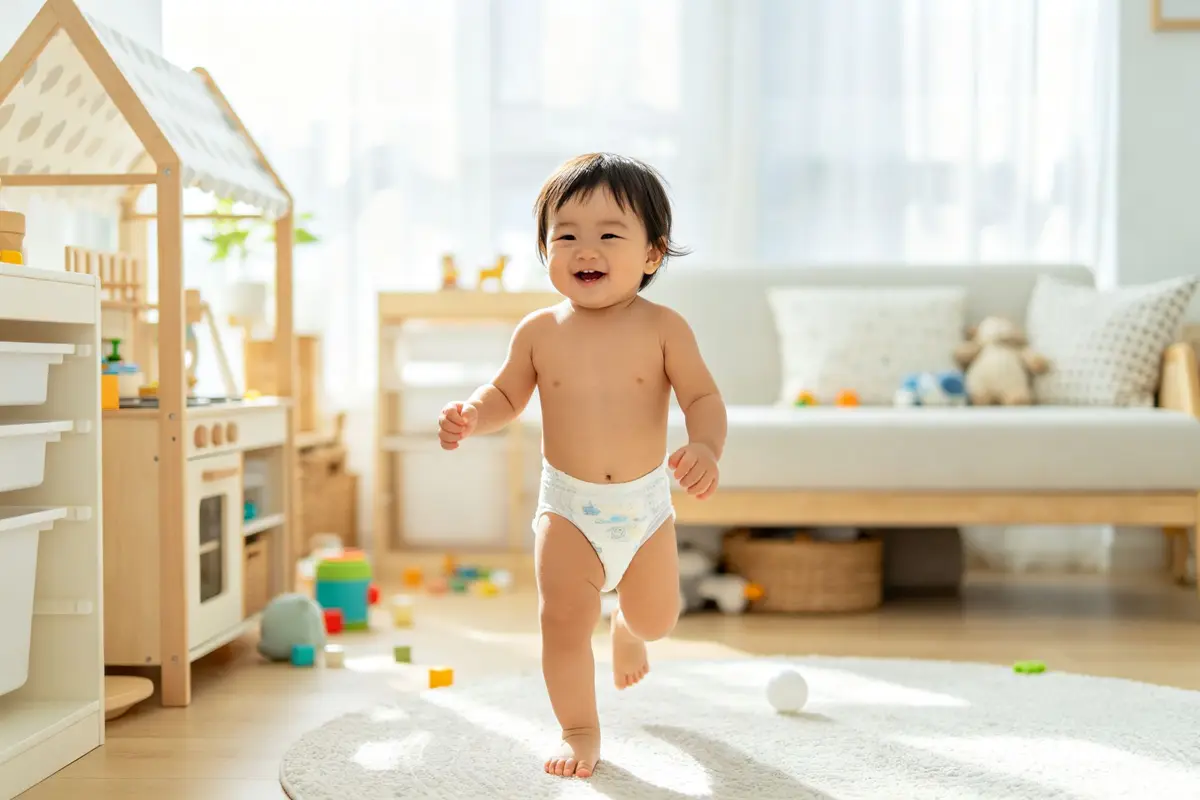
The Southeast Asian baby diaper market is undergoing a significant structural shift. As parents across Indonesia, Vietnam, Thailand, the Philippines, and Malaysia increasingly prioritize convenience and mobility for their increasingly active toddlers, demand for best diaper pants for active babies has surged.Public estimates for this market differ widely by source and by scope, so we do not quote a market size or a growth rate here. What we can speak to is the direction: demand for biodegradable and plastic-free wipe formats is rising across the region, and we would rather help you size one market from figures you can verify than publish a number we cannot source. This article examines the market drivers, key product features parents should evaluate, and where consumers can find the best options in the region.
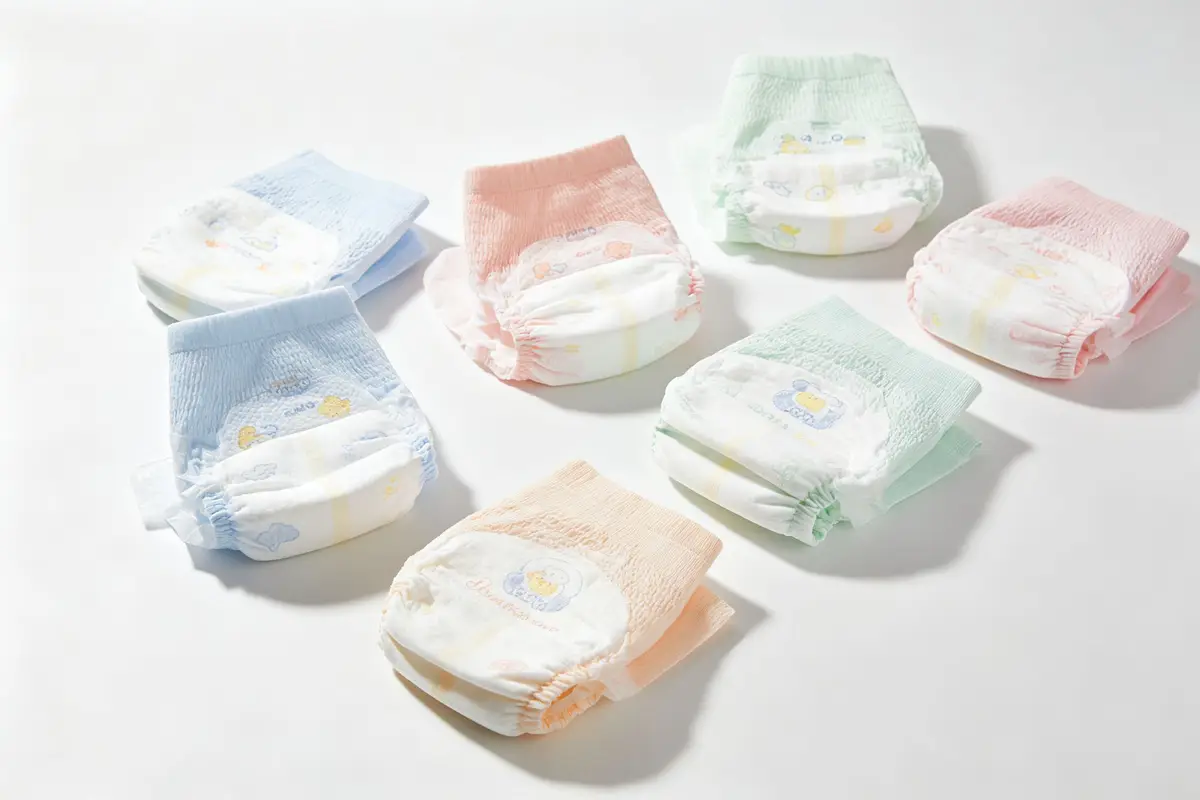
Market Shift: Why Diaper Pants Are Outpacing Taped Diapers
Several converging factors are driving the rapid adoption of diaper pants across Southeast Asia.Public estimates for this market differ widely by source and by scope, so we do not quote a market size or a growth rate here. What we can speak to is the direction, and we would rather help you size one market from figures you can verify than publish a number we cannot source. Parents are willing to pay a 15-25% premium for diaper pants that simplify changing on the go.
Second, Southeast Asian parents are among the most mobile in the world. With average commute times exceeding 60 minutes in Jakarta, Manila, and Bangkok, and a strong culture of family outings, mall visits, and weekend trips, parents need diapering solutions that work in cramped car seats, public restrooms, and outdoor settings. Diaper pants—with their pull-on, tear-off design—eliminate the need for a flat changing surface, making them ideal for active families.
Third, the toddler population in Southeast Asia is substantial. Approximately 60 million children under age 5 live in the region, and the 1-3 year age group—where diaper pants are most commonly used—represents roughly 40% of that total. As birth rates remain stable in the Philippines and Indonesia, and as parents delay toilet training (the average age has shifted from 18 months to 24-30 months across the region), the addressable market for diaper pants continues to expand.
Fourth, e-commerce penetration has accelerated dramatically. Shopee, Lazada, TikTok Shop, and local platforms now account for 35-45% of baby diaper sales in major Southeast Asian markets, up from less than 15% in 2019. This shift has made it easier for parents to buy diaper pants online, compare products, and access brands that may not be available in local retail stores. The convenience of subscription models and bulk purchasing has further driven adoption.
Key Features to Evaluate When Shopping for Diaper Pants
For parents searching for the best pull up diapers for their active toddler, industry experts recommend evaluating the following critical features:
1. Stretchability and fit: Active toddlers need diaper pants that move with them. Look for a 360-degree stretchy waistband that provides a snug yet comfortable fit without leaving red marks. The leg cuffs should also be stretchy and flexible to accommodate running, climbing, and crawling. Premium brands use spandex-blend materials in both the waistband and leg openings for maximum mobility.
2. Absorbency and leak protection: Active babies move constantly, which increases the risk of leaks from side and leg gaps. Look for diaper pants with dual leak guards (extra padding along the leg openings), a high-absorbency core (SAP or superabsorbent polymer), and a wetness indicator. For overnight use, consider overnight diaper pants with 12-hour absorbency—these are especially important for toddlers who sleep 10-12 hours per night.
3. Easy on/off design: The primary advantage of diaper pants is the ability to pull them up and down like underwear, which is essential for active toddlers who won't lie still for changes. Look for easy-tear side panels that allow quick removal without pulling pants down (useful for messy changes). Some premium brands also feature a disposal tape for easy wrapping and disposal.
4. Skin-friendly materials: Toddler skin is still developing and can be sensitive to harsh chemicals. Look for hypoallergenic diaper pants that are free from chlorine, latex, fragrance, and parabens. Dermatest or dermatologist-tested certifications provide additional assurance. Plant-based or bamboo top sheets are increasingly popular for their softness and breathability, especially in Southeast Asia's hot and humid climate where diaper rash is more prevalent.
5. Breathability: In tropical climates, breathability is critical to prevent diaper rash and discomfort. Look for diaper pants with breathable outer covers that allow air circulation while preventing leaks. Some premium brands use microporous materials that let moisture vapor escape but keep liquid contained—a key differentiator in Southeast Asia's year-round high humidity.
6. Size range and weight capacity: Diaper pants typically come in sizes M (6-11 kg), L (9-14 kg), XL (12-17 kg), and XXL (15+ kg). Ensure you choose the right size for your toddler's weight—a too-tight diaper causes discomfort and red marks, while a too-loose diaper leads to leaks. Many brands offer size charts on their packaging and websites to help parents find the right fit.
When to Switch from Taped Diapers to Diaper Pants
Pediatricians and child development experts generally recommend transitioning to diaper pants when your baby shows the following signs:
- Increased mobility: When your baby starts crawling, cruising, or walking (typically 8-12 months), taped diapers become harder to change because the baby won't stay still. Diaper pants can be changed while standing, which is a game-changer for active babies.
- Resistance to lying down: If your baby fights diaper changes by arching their back, rolling over, or trying to escape, diaper pants simplify the process significantly.
- Starting toilet training: Diaper pants function as a bridge between diapers and underwear. The pull-up/down design helps toddlers learn the mechanics of using the toilet, and many brands feature training designs with wetness indicators that fade when wet to help toddlers recognize the sensation.
- Weight and size: Most babies transition to diaper pants around 9-12 kg (size L), though this varies by individual. Some parents switch as early as 6 months for convenience, while others wait until 18 months or later.
It's important to note that there's no "right" age to switch—some parents use taped diapers exclusively until toilet training, while others switch early for convenience. The decision should be based on your baby's mobility, your lifestyle, and your personal preference. Many parents use a combination: taped diapers for overnight (when baby is lying still) and diaper pants for daytime (when baby is active).
Brand Landscape and Where to Buy in Southeast Asia
The Southeast Asian diaper pants market features a mix of global multinational brands and local/regional players. Global brands like Pampers (Procter & Gamble), Huggies (Kimberly-Clark), and Merries (Kao) dominate the premium segment, while local brands like Drypers (Malaysia), PetPet (Malaysia), Charm (Indonesia), and Sweety (Indonesia) compete on value and regional distribution.
Japanese brands, particularly Merries and Goon, have gained strong market share in Southeast Asia due to their reputation for superior softness, absorbency, and quality control. Many parents specifically seek out Japanese diaper pants, and e-commerce platforms have made them widely available across the region.
For parents looking to shop baby care products in Southeast Asia, the most reliable channels include: official brand stores on Shopee and Lazada (which often offer bundle discounts and subscription pricing), TikTok Shop (where live commerce has become a major driver of baby product sales), supermarket chains (FairPrice in Singapore, Giant in Malaysia, Indomaret/Alfamart in Indonesia), and direct-to-consumer brand websites.
Parents seeking premium, dermatologically tested diaper pants with strong leak protection for active toddlers can explore Moni Happy's diaper pants collection, which features 360-degree stretch waistbands, dual leak guards, hypoallergenic materials, and 12-hour overnight absorbency. The brand also offers taped diapers for parents who prefer a hybrid approach, and partnership opportunities for distributors and retailers looking to enter the fast-growing Southeast Asian premium diaper market.
Market Outlook and Future Trends
Industry analysts project several key trends will shape the diaper pants market in Southeast Asia through 2030:
Eco-friendly and biodegradable options: As environmental awareness grows across the region, demand for biodegradable, compostable, and plant-based diaper pants is expected to rise. Several startups have already launched bamboo-based and biodegradable diaper lines, and major brands are investing in sustainable materials research.
Smart diaper technology: Early-stage smart diapers with wetness sensors that connect to smartphone apps are beginning to enter the market. While still niche and expensive, these products could gain traction as IoT technology becomes more affordable and integrated into parenting routines.
Subscription and auto-replenishment models: E-commerce platforms and DTC brands are increasingly offering subscription models with 5-15% discounts for recurring deliveries. This model provides convenience for parents and predictable revenue for brands, and is expected to grow significantly in the coming years.
Premiumization: The premium diaper segment (priced 20-50% above mass-market products) is growing faster than the overall market, driven by rising middle-class incomes and increased focus on baby skin health. Features like dermatest certification, plant-based materials, and design aesthetics are becoming key differentiators.
For parents navigating this rapidly evolving market, the key is to focus on the features that matter most for their specific situation—mobility, absorbency, skin sensitivity, climate, and budget—and to take advantage of e-commerce platforms that make comparison shopping and bulk purchasing convenient. As the Southeast Asian market continues to mature, parents can expect more innovation, better quality, and greater choice in the diaper pants category.
Article Summary
The Southeast Asian diaper pants market is growing rapidly , driven by rising middle-class incomes, mobile family lifestyles, a large toddler population, and e-commerce expansion. Diaper pants offer significant advantages for active babies: pull-on/tear-off design for standing changes, 360-degree stretch waistbands for mobility, dual leak guards for active play, and hypoallergenic breathable materials ideal for tropical climates. Key features to evaluate include stretchability, absorbency (especially overnight 12-hour protection), easy on/off design, skin-friendly materials, breathability, and correct sizing. Parents typically switch from taped diapers to diaper pants when babies become mobile (8-12 months), resist lying down for changes, or begin toilet training. The market features global brands (Pampers, Huggies, Merries), Japanese premium brands, and local value players, with e-commerce (Shopee, Lazada, TikTok Shop) accounting for 35-45% of sales. Future trends include eco-friendly materials, smart diaper technology, subscription models, and premiumization. For parents seeking premium dermatologically tested diaper pants, Moni Happy offers a range of products with strong leak protection and hypoallergenic materials, along with partnership opportunities for distributors.
Frequently Asked Questions
What are the best diaper pants for active babies and toddlers?
The best diaper pants for active babies feature a 360-degree stretchy waistband that moves with the child, dual leak guards along the leg openings to prevent side leaks during running and climbing, a high-absorbency SAP core for 10-12 hour protection, easy-tear side panels for quick changes, and hypoallergenic breathable materials that prevent diaper rash in tropical climates. Top-rated options include Japanese brands like Merries and Goon (known for superior softness), premium global brands like Pampers Premium Care and Huggies Platinum, and regional premium brands that offer dermatest-certified materials. For active toddlers, prioritize stretchability and leak protection over ultra-thin designs, and consider overnight-specific diaper pants for 12-hour night protection. Always check the weight-based size chart to ensure a snug fit that prevents leaks without causing red marks.
When should I switch from taped diapers to pull-up diaper pants?
Most parents transition to diaper pants when their baby becomes mobile (crawling, cruising, or walking, typically 8-12 months), resists lying down for diaper changes by arching or rolling away, or begins showing interest in toilet training (usually 18-24 months). There is no mandatory age—some parents switch as early as 6 months for convenience, while others use taped diapers exclusively until toilet training. Many parents use a hybrid approach: taped diapers for overnight changes (when baby is lying still and taped diapers provide a more customizable fit) and diaper pants for daytime (when baby is active and won't stay still). Signs that your baby is ready include: fighting diaper changes, being able to stand with support, showing curiosity about the bathroom, and being in size L or larger (9+ kg). The transition should be based on your baby's individual development and your lifestyle, not a specific age.
Where can I buy premium diaper pants online in Southeast Asia?
Premium diaper pants are widely available across Southeast Asia through multiple online channels. The most popular platforms include: Shopee and Lazada (official brand stores often offer bundle discounts, free shipping, and subscription pricing with 5-15% savings), TikTok Shop (live commerce has become a major channel with exclusive promotions and real-time product demonstrations), direct-to-consumer brand websites (which often offer the best subscription deals and loyalty rewards), and supermarket e-commerce platforms (FairPrice Online in Singapore, HappyFresh across the region, GrabMart/Gojek for same-day delivery). When buying online, always purchase from official brand stores or authorized sellers to avoid counterfeit products—look for 'Official Store' badges and check seller ratings. For Japanese premium brands like Merries and Goon, e-commerce platforms have made them widely available even in markets where they're not sold in local retail stores. Consider bulk purchasing (3-6 packs at a time) for the best per-unit pricing, and look for subscription models that offer automatic replenishment and additional discounts.
Are diaper pants better than taped diapers for preventing leaks in active babies?
Diaper pants can be better than taped diapers for active babies in several ways, but the comparison depends on the specific use case. Diaper pants advantages for active babies: the 360-degree stretch waistband provides a more consistent, gap-free fit that moves with the baby, reducing side leaks during running, climbing, and crawling; the pull-on design means the fit doesn't shift during active play (taped diaper tabs can loosen or come undone during vigorous movement); and the stretchy leg cuffs conform better to active leg positions. However, taped diapers have their own advantages: they offer a more customizable fit (you can adjust the tightness on each side), which is beneficial for newborns and babies with unusual body shapes; they tend to be slightly more absorbent for overnight use because the core can be larger without the stretch waistband taking up space; and they are generally less expensive per unit. Many parents find the best approach is a hybrid: diaper pants for daytime active use and taped diapers for overnight. For leak prevention specifically, look for diaper pants with dual leak guards (extra padding along leg openings), a high SAP content core, and a snug-but-comfortable waistband fit—the fit is actually more important than the diaper style for preventing leaks.