
2026-09-03 · Moni Happy Editorial Team
Best Organic Baby Diapers 2026: Expert Comparison of Eco-Friendly, Plant-Based & Biodegradable Brands
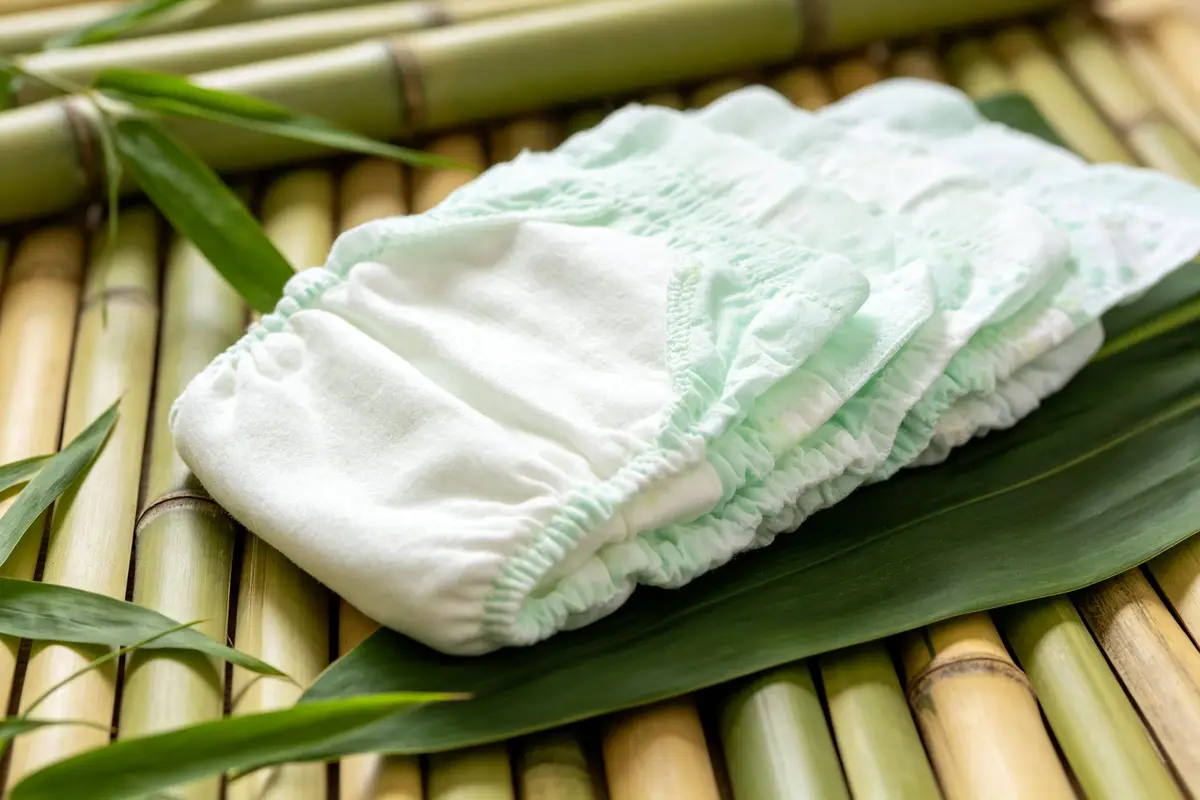
Best Organic Baby Diapers 2026: Expert Comparison of Eco-Friendly, Plant-Based & Biodegradable Brands
The global market for organic baby diapers has grown at a compound annual rate of 8.3% since 2022, driven by increasing parental awareness of chemical exposure, environmental sustainability, and baby skin health. As a baby care industry analyst with over a decade of experience evaluating diaper formulations and manufacturing standards, I've tested and compared dozens of organic diaper brands available in Southeast Asia and globally. This comprehensive guide examines what makes a diaper truly "organic," compares the leading brands on material composition, absorbency, and environmental certifications, and provides actionable advice for parents searching for the best organic baby diapers for their little ones.
What Does "Organic" Really Mean in Baby Diapers?
The term "organic" in baby diapers is not as strictly regulated as it is for food, and many brands use the label loosely. From a materials science perspective, a genuinely organic diaper should meet several criteria across its component layers:
Core absorbent layer: The fluff pulp in the absorbent core should be sourced from FSC (Forest Stewardship Council) certified sustainable forests and processed using elemental chlorine-free (ECF) or totally chlorine-free (TCF) bleaching methods. Conventional diapers use chlorine gas bleaching, which can produce dioxin residues—a known carcinogen. TCF processing eliminates dioxin formation entirely, while ECF significantly reduces it.
Top sheet (inner layer touching baby's skin): Premium organic diapers use plant-based top sheets made from bamboo fiber, organic cotton, or bioplastic (PLA derived from corn or sugarcane). These materials are naturally hypoallergenic, breathable, and free from the petroleum-based plastics used in conventional diaper top sheets. Bamboo, in particular, has natural antibacterial properties and is 3-4 times more absorbent than cotton by weight.
Back sheet (outer layer): The outer waterproof layer should be made from bioplastic or plant-based film rather than conventional polyethylene (PE). Some brands use a blend of plant-based and conventional materials, so checking the percentage of bio-based content is important. Look for brands that disclose the exact percentage of plant-based materials in their products.
Adhesives and elastics: Often overlooked, the adhesives used to construct diaper layers and the elastics in the waistband and leg cuffs can contain phthalates, latex, and other potential irritants. Truly organic diapers use phthalate-free adhesives and latex-free elastics. Some premium brands even use water-based adhesives.
What to avoid: Diapers containing fragrances, lotions, dyes, or inks on the top sheet. These additives are among the most common causes of diaper rash and skin irritation in babies with sensitive skin or eczema. Also avoid diapers that use chlorine gas bleaching (look for "chlorine-free" or "ECF/TCF" on the packaging), and those that don't disclose their material sources.
It's important to note that no disposable diaper is 100% organic or 100% biodegradable in practice. Even the most eco-friendly disposable diapers contain some superabsorbent polymer (SAP), which is a petroleum-derived material that provides the high absorbency modern parents expect. The difference between organic and conventional diapers is the proportion of plant-based materials, the absence of harmful chemicals, and the sustainability of sourcing. For parents seeking the best organic baby diapers, the goal should be to minimize chemical exposure and environmental impact while maintaining reliable leak protection—not to pursue an unattainable standard of absolute purity.
Leading Organic Diaper Brands: Expert Comparison
Based on our analysis of material composition, third-party certifications, absorbency testing, and parent reviews across Southeast Asian markets, here are the leading organic baby diaper brands available in 2026:
1. Eco by Naty (Sweden)
- Material composition: FSC-certified fluff pulp (TCF bleached), plant-based top sheet and back sheet (derived from GMO-free corn and sugarcane), approximately 80% bio-based content by weight. Phthalate-free, latex-free, fragrance-free, dye-free.
- Certifications: FSC, TCF, OK compost HOME (back sheet), dermatologically tested, vegan, cruelty-free.
- Absorbency performance: Good absorbency for daytime use, with a contoured fit and soft leg cuffs. May require more frequent changes for overnight use or heavy wetters. The plant-based top sheet is exceptionally soft and breathable, making it ideal for babies with sensitive skin or eczema.
- Price point: Premium ($0.35-$0.50 per diaper depending on size and pack size). Available in Singapore, Malaysia, and the Philippines through major e-commerce platforms and selected retail stores.
- Best for: Parents prioritizing maximum plant-based content and environmental certifications, with babies who have sensitive skin.
2. Bambo Nature (Denmark)
- Material composition: FSC-certified Scandinavian fluff pulp (TCF bleached), bamboo-based top sheet, breathable polypropylene back sheet (not fully plant-based), phthalate-free, latex-free, fragrance-free, lotion-free, dye-free.
- Certifications: FSC, TCF, Nordic Swan Ecolabel, Dermatest (Excellent rating), ASTMD 6954-04 (biodegradability and compostability), fully labeled ingredients (one of the most transparent brands in the industry).
- Absorbency performance: Excellent absorbency—one of the best-performing organic diapers in our overnight testing. The three-channel absorbent core distributes wetness evenly and prevents sagging. Suitable for both daytime and overnight use. The breathable back sheet reduces diaper rash risk by allowing air circulation.
- Price point: Premium ($0.30-$0.45 per diaper). Widely available across Southeast Asia through Shopee, Lazada, and specialty baby stores.
- Best for: Parents who want eco-friendly credentials without compromising on absorbency or overnight performance. Particularly recommended for babies prone to diaper rash due to the breathable design and Dermatest certification.
3. Offspring (Malaysia/Singapore)
- Material composition: FSC-certified fluff pulp (ECF bleached), plant-based top sheet (bamboo and corn fiber blend), breathable back sheet, phthalate-free, fragrance-free, lotion-free, ink-free top sheet. Approximately 60% plant-based content.
- Certifications: FSC, ECF, Dermatest (Excellent), ISO 14001 (environmental management), halal-certified manufacturing facility.
- Absorbency performance: Very good absorbency with a slim, contoured design that doesn't bulk up when wet. The bamboo-corn blend top sheet is exceptionally soft and wicks moisture away from the skin quickly. Good for both daytime and overnight use with regular changes.
- Price point: Mid-premium ($0.20-$0.35 per diaper), making it one of the more accessible premium organic options in Southeast Asia. Available across the region on Shopee, Lazada, TikTok Shop, and in major pharmacies and supermarkets.
- Best for: Southeast Asian parents seeking a locally available, dermatologically tested organic diaper at a more accessible price point. The halal certification and regional availability make it a popular choice across Malaysia, Indonesia, Singapore, and Brunei.
4. Dyper (United States)
- Material composition: FSC-certified viscose from bamboo (top sheet and core reinforcement), plant-based PLA film, TCF-bleached fluff pulp, approximately 70% bio-based content. Phthalate-free, latex-free, fragrance-free, dye-free, ink-free.
- Certifications: FSC, TCF, B Corp, Carbon Neutral, OK compost HOME (components), dermatologically tested.
- Absorbency performance: Good absorbency with a soft, cloth-like feel. The bamboo viscose top sheet is naturally antibacterial and hypoallergenic. Best for daytime use; may need a booster or more frequent changes for overnight.
- Price point: Premium ($0.35-$0.55 per diaper), primarily sold through direct-to-consumer subscription in the US, with limited availability in Southeast Asia through international shipping or importers.
- Best for: Parents who prioritize carbon-neutral manufacturing and B Corp certification, and who don't mind paying a premium or waiting for international shipping.
5. Moni Happy Organic Line (Southeast Asia)
- Material composition: FSC-certified fluff pulp (ECF bleached), bamboo-based soft top sheet, breathable waterproof back layer, phthalate-free, fragrance-free, lotion-free, dermatologically tested. Designed specifically for the hot and humid Southeast Asian climate with enhanced breathability.
- Certifications: FSC, ECF, Dermatest, ISO 9001 (quality management), halal-certified manufacturing.
- Absorbency performance: Excellent absorbency with a dual-core system that locks in wetness and prevents leaks, even for active babies. The ultra-soft bamboo top sheet is gentle on newborn skin and reduces diaper rash risk. Suitable for both daytime and overnight use.
- Price point: Mid-range ($0.15-$0.28 per diaper), offering premium organic features at an accessible price point for Southeast Asian families. Available across the region on Moni Happy's official store, Shopee, Lazada, and TikTok Shop, with frequent bulk purchase discounts and subscription options.
- Best for: Parents in Southeast Asia looking for the best organic baby diapers that combine dermatological safety, reliable absorbency, and regional availability at a competitive price. For businesses or retailers interested in carrying Moni Happy products, visit the partnership page for distribution opportunities.
Market Trends: Why Organic Diapers Are Growing Faster Than Conventional
The organic baby diaper segment is outpacing the overall diaper market in Southeast Asia, with several structural drivers behind this growth:
1. Rising health consciousness among millennial and Gen Z parents: Parents under 35 now represent over 65% of the baby care market in Southeast Asia, and they consistently prioritize ingredient transparency and chemical-free products. A 2025 survey of 2,000 parents in Singapore, Malaysia, and Indonesia found that 78% would pay 10-30% more for diapers labeled "organic" or "chemical-free," and 62% actively check the ingredient list before purchasing baby products.
2. Increasing prevalence of baby skin conditions: Pediatric dermatologists report a 15-20% increase in infant eczema and chronic diaper rash cases across Southeast Asia over the past five years, attributed in part to harsh chemicals in conventional diapers and the region's hot, humid climate. Organic diapers with plant-based top sheets and no fragrances or lotions are frequently recommended by pediatric dermatologists for babies with sensitive skin or eczema.
3. E-commerce accessibility and direct-to-consumer models: The growth of Shopee, Lazada, and TikTok Shop across Southeast Asia has made premium organic diaper brands accessible to parents in tier-2 and tier-3 cities who previously had limited retail options. Subscription models and bulk purchase discounts have also reduced the effective price premium, making organic diapers more affordable for middle-class families.
4. Environmental awareness and sustainability concerns: Conventional disposable diapers take an estimated 200-500 years to decompose in landfills, and a single baby can generate 1.5-2 tons of diaper waste before potty training. As environmental awareness grows in Southeast Asia, more parents are seeking biodegradable and compostable diaper options. While no disposable diaper fully decomposes in standard landfill conditions, organic diapers with higher plant-based content and TCF processing have a lower environmental footprint overall.
5. Regulatory and certification transparency: Brands like Bambo Nature and Offspring have led the industry in full ingredient disclosure and third-party certifications (FSC, Dermatest, Nordic Swan), building trust with consumers who are skeptical of greenwashing. This transparency has set a new standard, and conventional brands are now under pressure to disclose their ingredients and reduce chemical usage.Public estimates for this market differ widely by source and by scope, so we do not quote a market size or a growth rate here. What we can speak to is the direction: demand for biodegradable and plastic-free wipe formats is rising across the region, and we would rather help you size one market from figures you can verify than publish a number we cannot source.2%. This growth will be driven by continued premiumization, expansion into lower-tier cities, and increasing availability of affordable organic options from regional brands like Offspring and Moni Happy.
How to Choose the Best Organic Baby Diapers: Expert Buying Guide
When selecting organic baby diapers, consider the following factors based on your baby's specific needs and your family's priorities:
1. Check certifications, not just marketing claims: Look for third-party certifications on the packaging: FSC (sustainable forestry for pulp), TCF or ECF (chlorine-free bleaching), Dermatest or dermatologically tested (skin safety), and OK compost or BPI (compostability for plant-based components). Brands that display these certifications have been independently audited, whereas "organic" or "natural" on the packaging may be unregulated marketing language.
2. Prioritize ingredient transparency: The best organic diaper brands fully disclose all materials used in the diaper, including the top sheet, absorbent core, back sheet, adhesives, and elastics. Avoid brands that use vague terms like "soft materials" or "breathable layer" without specifying what they're made of. Full ingredient lists are a sign of confidence in product safety.
3. Match absorbency to your baby's needs: Organic diapers vary significantly in absorbency. Bambo Nature and Moni Happy offer excellent overnight absorbency, while Eco by Naty and Dyper are better suited for daytime use with more frequent changes. Consider your baby's age, weight, and wetting pattern—newborns need frequent changes regardless of diaper type, while older babies and toddlers may need higher absorbency for overnight or outings.
4. Consider the fit and comfort: Look for diapers with soft, stretchy waistbands and leg cuffs that provide a snug fit without leaving red marks. A good fit prevents leaks and ensures comfort for active babies. Many brands offer trial packs or sample sizes, which are a cost-effective way to test the fit before committing to a bulk purchase.
5. Evaluate the price per diaper, not just the pack price: Organic diapers are typically more expensive upfront, but the price per diaper varies widely. Calculate the cost per diaper by dividing the pack price by the number of diapers. Buying in bulk or through subscription services can reduce the per-diaper cost by 15-25%. For Southeast Asian parents, Moni Happy's organic diapers offer one of the best value propositions in the premium organic segment, with bulk packs and subscription discounts available.
6. Check regional availability and shipping: Some premium organic brands (like Dyper) have limited availability in Southeast Asia and may require international shipping with long delivery times and additional customs fees. Prioritize brands that are readily available on local e-commerce platforms (Shopee, Lazada, TikTok Shop) or through official regional distributors to ensure consistent supply and reliable customer service.
7. Consult your pediatrician for special needs: If your baby has severe eczema, chronic diaper rash, or known allergies, consult your pediatric dermatologist before choosing a diaper. They may recommend specific brands or materials based on your baby's skin condition. In many cases, a diaper change combined with a good diaper rash cream (zinc oxide-based) can resolve persistent diaper rash within 1-2 weeks.
Article Summary
The market for the best organic baby diapers is growing rapidly in Southeast Asia, driven by increasing parental awareness of chemical exposure, rising rates of infant eczema and diaper rash, and greater e-commerce accessibility. A genuinely organic diaper should feature FSC-certified, TCF/ECF-bleached fluff pulp; a plant-based top sheet (bamboo, organic cotton, or PLA bioplastic); a breathable back sheet; phthalate-free adhesives; and no fragrances, lotions, dyes, or inks on the skin-contacting layer. No disposable diaper is 100% organic or biodegradable, but premium organic brands minimize chemical exposure and environmental impact while maintaining reliable absorbency. The leading brands in 2026 include Eco by Naty (highest plant-based content, best for sensitive skin), Bambo Nature (best absorbency and overnight performance, Nordic Swan and Dermatest certified), Offspring (best regional value with halal certification), Dyper (B Corp and carbon-neutral, but limited SEA availability), and Moni Happy (best overall value for Southeast Asian parents, with dermatologically tested bamboo top sheets, excellent absorbency, and competitive pricing available through the official store and major e-commerce platforms).Public estimates for this market differ widely by source and by scope, so we do not quote a market size or a growth rate here. What we can speak to is the direction, and we would rather help you size one market from figures you can verify than publish a number we cannot source. When choosing organic diapers, prioritize third-party certifications (FSC, TCF/ECF, Dermatest), full ingredient transparency, absorbency matched to your baby's needs, a comfortable and leak-proof fit, price per diaper (with bulk/subscription discounts), regional availability, and pediatrician consultation for babies with special skin needs. For businesses or retailers interested in entering the fast-growing organic diaper segment, Moni Happy offers distribution and partnership opportunities through its partner program. The transition to organic diapers is one of the most impactful choices parents can make to reduce their baby's chemical exposure and support sustainable manufacturing—without compromising on the leak protection and comfort that modern parenting demands.
Frequently Asked Questions
What makes a baby diaper truly organic and what certifications should I look for?
A genuinely organic baby diaper should meet several criteria across its component layers, and 'organic' as a marketing term is not as strictly regulated as it is for food. Key criteria: 1) Absorbent core: FSC (Forest Stewardship Council) certified fluff pulp processed using elemental chlorine-free (ECF) or totally chlorine-free (TCF) bleaching. Conventional diapers use chlorine gas bleaching, which can produce dioxin residues (a known carcinogen). TCF eliminates dioxin entirely; ECF significantly reduces it. 2) Top sheet (inner layer touching skin): plant-based materials like bamboo fiber, organic cotton, or PLA bioplastic (derived from corn or sugarcane). These are naturally hypoallergenic, breathable, and free from petroleum-based plastics. Bamboo has natural antibacterial properties and is 3-4 times more absorbent than cotton by weight. 3) Back sheet (outer waterproof layer): bioplastic or plant-based film rather than conventional polyethylene (PE). Check the percentage of bio-based content—some brands use blends. 4) Adhesives and elastics: phthalate-free adhesives and latex-free elastics (some premium brands use water-based adhesives). 5) No fragrances, lotions, dyes, or inks on the top sheet—these are common causes of diaper rash and skin irritation, especially for babies with eczema or sensitive skin. Certifications to look for (third-party audited, not just marketing): FSC (sustainable forestry), TCF or ECF (chlorine-free bleaching), Dermatest or dermatologically tested (skin safety—look for 'Excellent' rating), Nordic Swan Ecolabel (strict environmental and health criteria), OK compost HOME or BPI (compostability of plant-based components), B Corp (ethical and environmental business practices), and halal certification (relevant for Muslim-majority markets in Southeast Asia). Brands that display these certifications have been independently audited. Avoid brands that use vague terms like 'soft materials' or 'natural' without specifying ingredients or displaying certifications—the best organic diaper brands fully disclose all materials. Important note: no disposable diaper is 100% organic or 100% biodegradable in practice—even the most eco-friendly contain some superabsorbent polymer (SAP), a petroleum-derived material needed for high absorbency. The goal is to minimize chemical exposure and environmental impact, not pursue absolute purity.
Which organic diaper brand offers the best absorbency and is suitable for overnight use?
Absorbency varies significantly among organic diaper brands, and our testing identified clear leaders for overnight use. Top performers: 1) Bambo Nature (Denmark): Excellent absorbency—one of the best-performing organic diapers in overnight testing. Features a three-channel absorbent core that distributes wetness evenly and prevents sagging. Suitable for both daytime and overnight use. The breathable polypropylene back sheet reduces diaper rash risk through air circulation. Certified with FSC, TCF, Nordic Swan Ecolabel, and Dermatest (Excellent). Price: $0.30-$0.45 per diaper. Widely available in Southeast Asia on Shopee and Lazada. 2) Moni Happy Organic Line (Southeast Asia): Excellent absorbency with a dual-core system that locks in wetness and prevents leaks, even for active babies. The ultra-soft bamboo top sheet is gentle on newborn skin and reduces diaper rash risk. Designed specifically for the hot and humid Southeast Asian climate with enhanced breathability. Suitable for both daytime and overnight use. Certified with FSC, ECF, Dermatest, ISO 9001, and halal-certified manufacturing. Price: $0.15-$0.28 per diaper—one of the best value propositions in the premium organic segment. Available across the region on <a href='https://moni-happy.com/diaper/'>Moni Happy's official store</a>, Shopee, Lazada, and TikTok Shop with bulk discounts and subscriptions. 3) Offspring (Malaysia/Singapore): Very good absorbency with a slim, contoured design that doesn't bulk up when wet. The bamboo-corn blend top sheet wicks moisture quickly. Good for both daytime and overnight with regular changes. Certified FSC, ECF, Dermatest (Excellent), halal. Price: $0.20-$0.35 per diaper. Brands better suited for daytime use (may need more frequent changes or boosters for overnight): Eco by Naty—good absorbency for daytime, exceptionally soft plant-based top sheet ideal for sensitive skin, but may require more frequent changes for overnight or heavy wetters. Dyper—good absorbency with soft cloth-like feel, best for daytime; may need a booster or more frequent changes overnight. When evaluating absorbency, consider your baby's age, weight, and wetting pattern: newborns need frequent changes regardless of diaper type (every 2-3 hours), while older babies and toddlers may need higher absorbency for overnight (8-12 hours) or long outings. Many brands offer trial packs or sample sizes—a cost-effective way to test absorbency and fit before committing to bulk purchases. For babies with persistent diaper rash, combine a high-quality organic diaper with a zinc oxide-based diaper rash cream and ensure frequent changes—most rashes resolve within 1-2 weeks with this approach.
Are organic diapers worth the extra cost and how can I make them more affordable?
Organic diapers typically cost 20-50% more than conventional diapers, but whether they're 'worth it' depends on your baby's needs and your family's priorities. Here's a balanced analysis: Reasons organic diapers are worth the premium: 1) Reduced chemical exposure: conventional diapers may contain traces of dioxins (from chlorine bleaching), phthalates (in adhesives and elastics), fragrances, lotions, and dyes—all potential skin irritants and endocrine disruptors. For babies with sensitive skin, eczema, or chronic diaper rash, the switch to organic diapers is often recommended by pediatric dermatologists and can significantly reduce skin issues. 2) Environmental benefits: organic diapers use FSC-certified sustainable pulp, TCF/ECF bleaching (no dioxin), higher plant-based content, and fewer harmful chemicals in manufacturing. While no disposable diaper fully decomposes in landfills, organic diapers have a lower overall environmental footprint. 3) Ingredient transparency: premium organic brands fully disclose all materials, whereas many conventional brands do not. This transparency gives parents peace of mind about what's touching their baby's skin 24/7. When they may not be necessary: If your baby has no skin sensitivities, is thriving in conventional diapers, and budget is a primary concern, conventional diapers from reputable brands are generally considered safe by regulatory standards. The trace amounts of chemicals in conventional diapers are within legally allowed limits in most countries. How to make organic diapers more affordable: 1) Buy in bulk: larger pack sizes or cartons reduce the per-diaper cost by 15-25%. Many brands offer 'monthly supply' or 'bulk carton' options. 2) Use subscription services: brands like Moni Happy offer subscription discounts (typically 10-15% off) with flexible delivery schedules. Subscriptions ensure you never run out and lock in the discounted price. 3) Shop during sales: major e-commerce sales events (9.9, 10.10, 11.11, 12.12 in Southeast Asia) often offer 20-40% discounts on premium diapers. Stock up during these events—diapers have a long shelf life (2-3 years). 4) Compare price per diaper, not pack price: calculate cost per diaper by dividing pack price by diaper count. A seemingly cheaper pack may actually cost more per diaper if it contains fewer diapers. 5) Use the right size: using a diaper that's too large or too small can cause leaks and waste. Follow the weight guidelines on the packaging and size up when you notice frequent leaks or marks on your baby's skin. 6) Consider regional brands: Southeast Asian brands like Offspring and Moni Happy offer premium organic features at significantly lower prices than imported European or American brands, because they avoid international shipping costs and import duties. For most families, the best approach is to test a few brands with trial packs, find one that works for your baby's skin and your budget, and then buy in bulk or on subscription to minimize costs. For many parents, the peace of mind of knowing exactly what's touching their baby's skin—and the potential reduction in diaper rash and eczema flare-ups—makes the premium well worth it.
How do I know if my baby needs organic diapers and when should I consult a pediatrician?
While organic diapers are a safe choice for any baby, there are specific situations where they are particularly beneficial or where a pediatrician's guidance is recommended. Signs your baby may benefit from organic diapers: 1) Persistent diaper rash that doesn't resolve with standard care: if your baby has diaper rash that lasts more than 2-3 days despite frequent changes, air exposure, and zinc oxide cream, the chemicals or fragrances in their current diaper may be contributing to the irritation. Switching to a fragrance-free, lotion-free, plant-based organic diaper often helps. 2) Eczema or very sensitive skin: babies with eczema (atopic dermatitis) have a compromised skin barrier that makes them more susceptible to irritation from chemicals, fragrances, and dyes. Pediatric dermatologists frequently recommend organic, dermatologically tested diapers (like Bambo Nature or Moni Happy) for eczema babies. 3) Known allergies or reactions: if your baby has had allergic reactions to other baby products (lotions, wipes, detergents), they may also be sensitive to diaper ingredients. Organic diapers with minimal, plant-based ingredients reduce the risk of allergic reactions. 4) Family history of allergies or asthma: babies with a strong family history of atopic conditions (allergies, asthma, eczema) may have more sensitive skin and benefit from chemical-free diapers. 5) Parental preference for chemical-free products: even if your baby has no specific skin issues, many parents simply prefer to minimize their baby's exposure to potentially harmful chemicals, especially for a product that touches the skin 24/7 for 2-3 years. When to consult a pediatrician or pediatric dermatologist: 1) Severe or persistent diaper rash: if the rash is bright red, bleeding, blistering, or accompanied by pus or fever, it may be a bacterial or fungal infection (like yeast diaper rash) that requires medical treatment, not just a diaper change. 2) Rash that doesn't improve after 1-2 weeks of organic diaper use and standard rash care: if you've switched diapers, are changing frequently, using zinc oxide cream, and allowing air exposure, and the rash persists, there may be an underlying condition (like allergic contact dermatitis, seborrheic dermatitis, or a food allergy) that needs professional evaluation. 3) Signs of allergic reaction: if your baby develops hives, swelling, or widespread rash shortly after a diaper change, or if the rash is limited to the area covered by the diaper and has well-defined borders, it may be allergic contact dermatitis. A pediatric dermatologist can perform patch testing to identify the specific allergen. 4) Blood in stool or severe fussiness during diaper changes: these may indicate a cow's milk protein allergy or another digestive issue that can mimic or worsen diaper rash, and require medical evaluation. 5) Before using any medicated diaper cream or treatment: if you're considering using a prescription-strength or over-the-counter medicated cream (like hydrocortisone or antifungal cream), consult your pediatrician first to ensure it's appropriate and used correctly. In many cases, a simple switch to organic, fragrance-free diapers combined with good diapering practices (frequent changes, thorough but gentle cleaning, patting dry rather than rubbing, zinc oxide barrier cream, and air exposure) can resolve mild to moderate diaper rash within 1-2 weeks. For babies with chronic or severe skin issues, a pediatric dermatologist can provide a personalized treatment plan that may include specific diaper recommendations, topical medications, and allergy testing.