
2026-10-09 · Moni Happy Editorial Team
Buy Baby Breast Pump Online 2026: Electric vs Wearable Market Guide
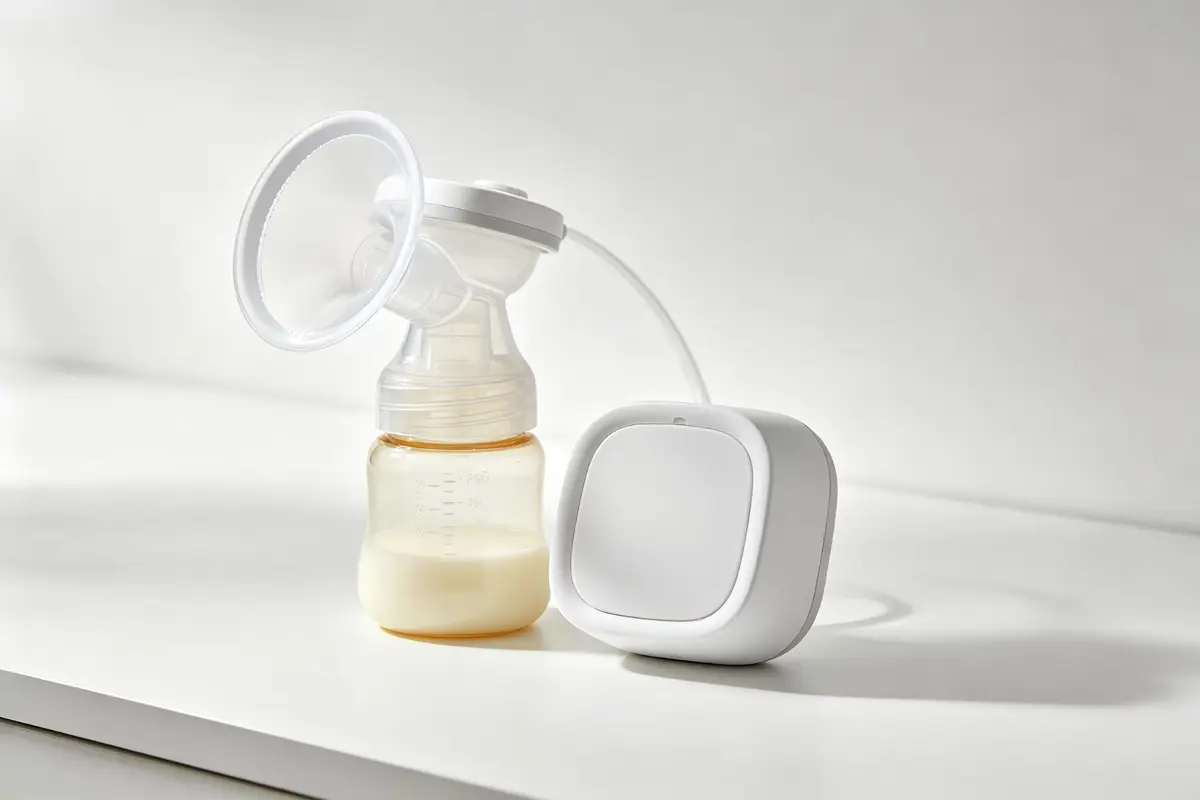
The global breast pump market is undergoing significant transformation, driven by rising breastfeeding awareness, increasing female labor force participation, and growing demand for hands-free and wearable pumping solutions.We are not going to quote a market size or growth rate for this category: published estimates for this market differ by an order of magnitude depending on the source and on whether the scope is diapers only or all baby care, and we cannot stand behind any of them. What is not in dispute is the direction of travel — demand in this category is growing in the markets we already ship to. If you need a sized market for a specific country, we will help you build the estimate from figures you can verify rather than quote you one.4%. Southeast Asia, in particular, is witnessing accelerated adoption as governments across the region implement extended maternity leave policies and workplace breastfeeding support mandates. For working mothers in cities like Jakarta, Bangkok, Manila, and Ho Chi Minh City, a reliable breast pump is no longer a luxury but a necessity. This article examines the market landscape, product categories, key features, and what mothers should consider when looking to buy a breast pump online.
Market Overview: Breastfeeding Rates Drive Pump Adoption
Breastfeeding rates have been rising steadily across Southeast Asia, supported by public health campaigns, the International Code of Marketing of Breast-milk Substitutes, and growing scientific consensus on the health benefits of breast milk. The World Health Organization recommends exclusive breastfeeding for the first six months, with continued breastfeeding alongside complementary foods up to two years and beyond. However, many mothers return to work within 3-6 months after giving birth, creating a need for breast pumps to maintain milk supply and provide expressed breast milk for caregivers to feed while the mother is away. The market is also being driven by insurance coverage mandates in some markets and the rise of breastfeeding-friendly workplace policies. In Southeast Asia, where extended maternity leave (3-6 months in most countries) is common but not universal, breast pumps enable mothers to continue breastfeeding after returning to work. The COVID-19 pandemic also accelerated awareness of the immune-boosting properties of breast milk, further driving demand.
Product Categories: Electric, Manual, and Wearable Pumps
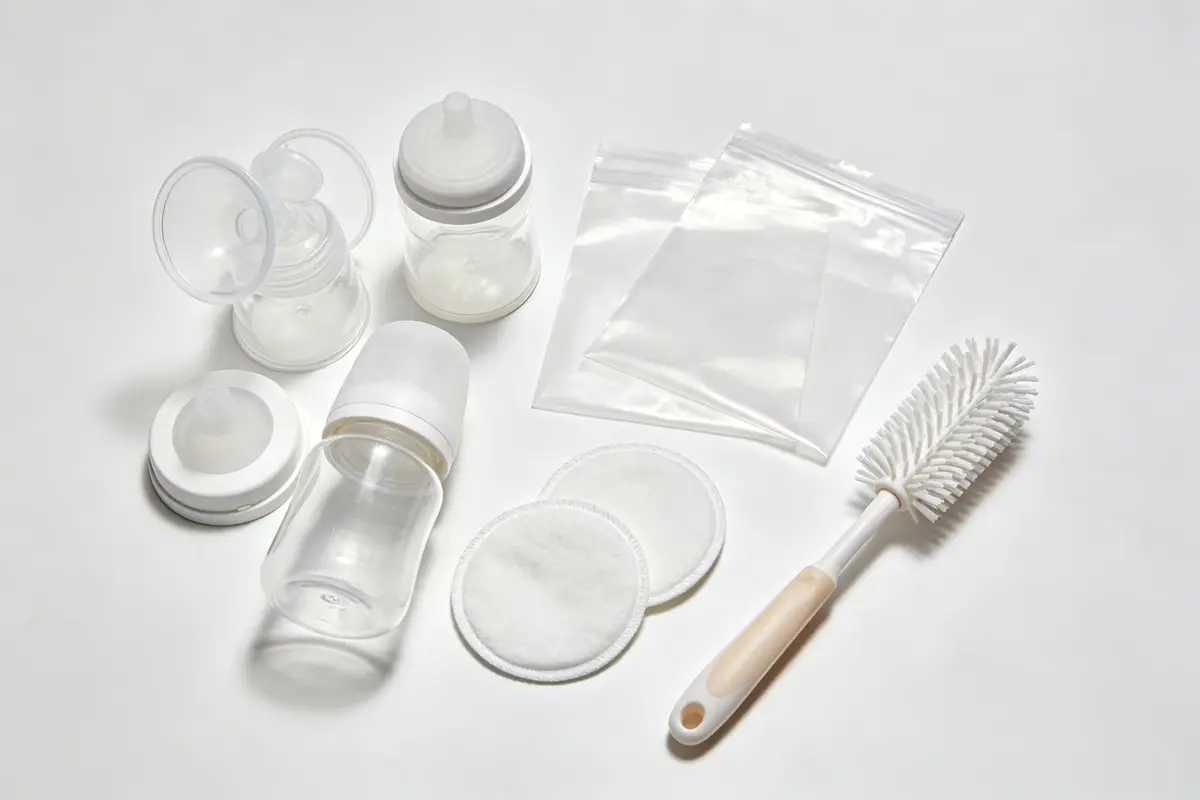
The breast pump market can be divided into three main categories. Electric breast pumps are the largest segment, accounting for approximately 70% of market revenue. These use a motor to create suction, typically offering adjustable suction levels and pumping modes (stimulation mode for let-down, expression mode for efficient milk removal). Double electric pumps (which pump both breasts simultaneously) are the most popular for working mothers, as they cut pumping time in half and may increase milk supply. Hospital-grade electric pumps are available for rent or purchase for mothers with special needs. Manual breast pumps are the most affordable option, typically costing $15-30, and are ideal for occasional use, travel, or as a backup. They require hand operation, which can be tiring for regular use. Wearable and hands-free breast pumps are the fastest-growing segment, with year-over-year growth exceeding 20%. These discreet pumps fit inside a nursing bra, allowing mothers to pump while working, driving, or moving around freely. Brands like Willow, Elvie, and Momcozy have popularized this category, though they come at a premium price point ($200-500). When choosing a breast pump, mothers should consider: frequency of use (daily for work vs. occasional), portability needs, comfort (flange size and fit are critical), ease of cleaning, noise level, battery life (for cordless models), and compatibility with milk storage bags and bottles.
Key Features to Look for in 2026
The modern breast pump market is defined by several key features that differentiate products. Closed system design — a barrier between the breast milk and the pump motor, preventing milk from entering the tubing and motor. This is more hygienic, easier to clean, and essential for shared or rental pumps. Most quality pumps now use closed systems. Adjustable suction and modes — the ability to adjust suction strength and cycle speed, with separate stimulation (fast, light suction to trigger let-down) and expression (slower, deeper suction for efficient milk removal) modes. The best pumps offer multiple levels (5-10+) to allow mothers to find their most comfortable and effective setting. Double pumping capability — the ability to pump both breasts simultaneously, which saves time and may stimulate higher milk production due to simultaneous prolactin release. Comfortable flanges — the breast shield that fits over the breast and nipple. Proper flange sizing is critical for comfort and efficient milk expression; many pumps now include multiple flange sizes or offer sizing guides. Rechargeable battery — for cordless pumping, essential for working mothers who may not have access to an outlet at work or while commuting. Quiet motor — important for discreet pumping in the workplace or while the baby sleeps. Smart features — some premium pumps offer app connectivity to track pumping sessions, milk volume, and battery life, and some even connect to smart scales. For mothers in Southeast Asia, where electricity can be unreliable in some areas, a pump with a long-lasting rechargeable battery or USB-C charging is particularly valuable.
Brand Landscape and Pricing
The breast pump market features a mix of established medical device companies and innovative startups. Leading global brands include Medela (the long-time market leader, known for its hospital-grade Symphony and consumer Pump In Style models), Spectra (popular for its affordable, feature-rich S1 and S2 double electric pumps with closed systems), Elvie (premium wearable pumps known for sleek design and app connectivity), Willow (wearable pumps with spill-proof bags), Momcozy (affordable wearable and portable pumps popular on e-commerce), Philips Avent (double electric pumps with comfort-focused design), and Lansinoh (affordable double electric pumps with breastfeeding-focused brand identity). In Southeast Asia, Spectra and Medela dominate the premium electric pump segment, while Momcozy and other affordable brands are gaining traction on Shopee and Lazada. Pricing varies widely: manual pumps $15-30, basic single electric pumps $40-80, double electric pumps $80-200, and wearable/hands-free pumps $200-500. For mothers looking to buy a breast pump online in Southeast Asia, e-commerce platforms offer the widest selection, with Shopee and Lazada frequently running promotions during 9.9, 11.11, and 12.12 sales events. Mothers should also check if their employer or health insurance provides breast pump coverage or reimbursement.
Buying Guide and Future Outlook
Choosing the right breast pump is a personal decision that depends on individual circumstances. For mothers returning to full-time work, a double electric pump with a rechargeable battery, quiet motor, and closed system is the best investment — look for models like the Spectra S1 or Medela Pump In Style. For mothers who pump occasionally or need a backup, a manual pump or affordable single electric pump is sufficient. For mothers who value discretion and mobility, a wearable pump like the Elvie or Momcozy S12 Pro is worth the premium, though they may not empty the breast as efficiently as a traditional pump. Before purchasing, mothers should: measure their flange size (most women need 21-27mm, not the standard 24-25mm that comes with most pumps), read reviews from mothers with similar body types and pumping needs, check warranty and customer service (pump motors can fail), and consider the availability of replacement parts and accessories. For mothers in Southeast Asia, buying online through authorized sellers on Shopee or Lazada ensures authenticity and warranty coverage. The future of the breast pump market points toward even more discreet and wearable designs, improved comfort through better flange ergonomics, and integration with smart technology for tracking and optimization. For distributors and retailers, the breast pump category offers strong growth potential in Southeast Asia, with high average order values and significant accessory revenue (flanges, valves, tubing, storage bags). Businesses interested in partnering with a premium Japanese baby care brand can explore distribution opportunities with Moni Happy, and mothers can find feeding accessories at Moni Happy's online store.