
2026-09-12 · Moni Happy Editorial
Buy Baby Carrier Online 2026: Soft Structured vs Wrap Guide
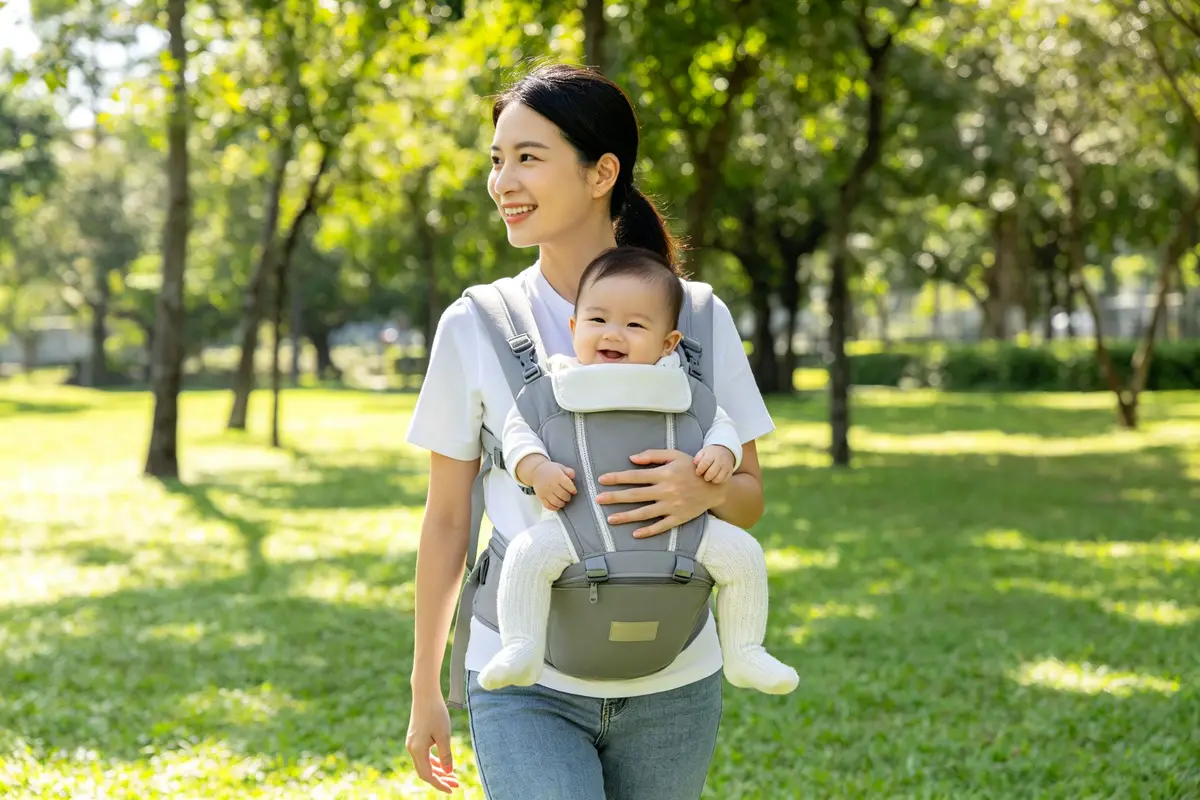
The global baby carrier market is experiencing strong growth, driven by increasing awareness of the benefits of babywearing, the rise of attachment parenting, and growing demand for ergonomic carriers that support healthy hip development. Market research projects the baby carrier market to grow at a CAGR of 7.5% through 2026, with soft structured carriers dominating the market and woven wraps gaining popularity among enthusiasts. For parents, a baby carrier allows them to keep their baby close while keeping their hands free — making it easier to navigate crowded places, do household chores, soothe a fussy baby, and promote bonding. This article examines the market landscape, carrier types, key features, leading brands, and what parents should consider when looking to buy a baby carrier online.
Market Overview: The Rise of Babywearing
Babywearing — the practice of carrying a baby in a carrier, sling, or wrap — has been practiced for centuries in many cultures and has gained widespread popularity in recent decades. The market is being driven by: research showing that babywearing promotes bonding, reduces crying, supports healthy hip development when using ergonomic carriers, and allows parents to be more mobile; the influence of social media and parenting blogs that showcase stylish baby carriers as both functional and fashionable; the trend toward active lifestyles, where parents want to hike, travel, and explore with their babies; and the growing availability of ergonomic carriers that are comfortable for both parent and baby. In Southeast Asia, where babywearing has traditional roots (many cultures have used wraps and slings for generations), modern carriers are increasingly popular among urban parents who navigate crowded cities, use public transportation, and want to keep their babies close in warm climates. The market is also being shaped by safety awareness — parents are increasingly looking for carriers that meet ergonomic standards (supporting the "M" or "frog" position with knees above hips) and are certified by organizations like the International Hip Dysplasia Institute. E-commerce platforms have made a wide range of carriers accessible, from budget options to premium designer brands.
Carrier Types: Soft Structured, Woven Wrap, Ring Sling, and Meh Dai
The baby carrier market includes four main types, each with different advantages. Soft structured carriers (SSCs) are the most popular type, accounting for approximately 65% of market share. These are padded, buckle-style carriers with a structured waist belt and shoulder straps, similar to a backpack. They are easy to use (no wrapping or tying), adjustable, and suitable for a wide range of ages (from newborn with an infant insert to toddlers up to 15-20 kg). They offer multiple carry positions (front, back, hip) and are generally comfortable for longer wears. Popular brands include Ergobaby, Baby Tula, Lillebaby, and Manduca. Prices range from $80-200+. Woven wraps are long pieces of woven fabric (typically 3-5 meters) that are tied around the parent and baby in various carries. They are the most versatile and customizable option, offering the most precise fit and the widest range of carry positions (including front, back, hip, and multiple layers for support). They are popular among babywearing enthusiasts and are suitable from birth to toddlerhood. However, they have a steeper learning curve (requires practice to master the different carries) and can be warm in hot climates. Woven wraps come in a variety of fabrics (cotton, linen, silk, wool blends) and beautiful designs, with some premium wraps becoming collectibles. Prices range from $50-300+. Ring slings are a single piece of fabric threaded through two rings, worn over one shoulder. They are quick and easy to put on and take off, making them ideal for short wears, newborns, and breastfeeding. They are lightweight and compact (easy to fold into a diaper bag). However, they put all the weight on one shoulder, which can be uncomfortable for longer wears or heavier babies. They are suitable from birth to toddlerhood. Prices range from $40-150. Meh Dai (or Bei Dai) is a traditional Asian-style carrier with a rectangular body panel and four long straps (two shoulder straps and two waist straps) that are tied. It combines the simplicity of a soft structured carrier with the customizability of a wrap. It is suitable from birth to toddlerhood and offers multiple carry positions. Meh Dais are gaining popularity as a middle-ground option between SSCs and wraps. Prices range from $60-180. When choosing a carrier type, consider: your experience level (SSCs and ring slings are easiest for beginners, wraps require practice), how long you plan to wear (SSCs are most comfortable for long wears, ring slings for short wears), your climate (wraps can be warm, look for linen or cotton blends in tropical climates), your baby's age (all types can be used from birth with appropriate techniques), and your budget.
Key Features, Brands, and Buying Guide
Key features to look for when buying a baby carrier include: Ergonomic design — the most important safety feature. A good carrier supports the baby in the "M" or "frog" position, with the baby's knees bent and spread (knees above hips), and the baby's back supported in its natural curved position (for newborns) or upright (for older babies). This position is recommended by the International Hip Dysplasia Institute to promote healthy hip development. Avoid carriers that force the baby's legs straight down (dangling legs), as this can increase the risk of hip dysplasia. Weight range — check the minimum and maximum weight the carrier supports. Most SSCs support 7-45 lbs (3-20 kg), but some require an infant insert for babies under 12 lbs (5.5 kg). Look for carriers that can be used from birth without an additional insert if you want to use it from day one. Carry positions — consider which positions you want (front inward, front outward, hip, back). Most SSCs offer front and back carries, some offer hip carry. Front outward facing is not recommended for babies under 6 months (it can overstimulate and does not support proper hip positioning). Comfort for the parent — look for padded shoulder straps and a wide, padded waist belt that distributes the baby's weight across the hips (not just the shoulders). Adjustable straps ensure a good fit for different body types. For wraps, the fabric quality and width affect comfort. Ease of use — SSCs are the easiest to put on and take off (buckles), wraps require practice, ring slings are quick but have a learning curve for proper positioning. If you are a beginner, consider attending a babywearing meeting or consulting a babywearing consultant for a fitting. Fabric and breathability — in tropical climates, look for breathable fabrics like cotton, linen, or mesh panels. Avoid thick, non-breathable materials that can cause overheating for both parent and baby. Some carriers have mesh panels or moisture-wicking fabric for warm weather. Safety features — look for sturdy buckles, reinforced stitching, and a secure leg opening (to prevent the baby from slipping out). Some carriers have a hood or sun shade for the baby's head. Style and design — baby carriers have become fashion accessories, with many brands offering beautiful prints, colors, and designer collaborations. Choose a carrier that you enjoy wearing and that fits your personal style. Leading brands include: Ergobaby (the market leader, known for its comfortable, ergonomic SSCs with multiple carry positions and the Omni 360 which works from birth without an insert), Baby Tula (known for its stylish prints and comfortable SSCs, popular among babywearing enthusiasts), Lillebaby (known for its Complete carrier with six carry positions and lumbar support), Manduca (popular in Europe, known for its durable, adjustable SSCs), Solly Baby (known for its lightweight, breathable wraps made from organic cotton), WildBird (known for its stylish ring slings), and Konny (known for its simple, stretchy wrap-style carrier that is easy to use). In Southeast Asia, Ergobaby and Baby Tula are widely available on Shopee and Lazada, while premium wraps and ring slings may be available through babywearing groups or international shipping. For parents looking to buy a baby carrier online, the best choice depends on your experience, lifestyle, and climate. Beginners should start with an SSC (like Ergobaby Omni 360) for ease of use, while those who want the most versatile option may prefer a woven wrap. In tropical climates, prioritize breathable fabrics and consider a ring sling or meh dai for shorter wears. Always ensure the carrier supports the ergonomic M-position and follow weight guidelines. For premium baby care products, parents can explore Moni Happy's product range, and businesses interested in distribution can learn more at Moni Happy's partner page.