
2026-09-15 · Moni Happy Editorial
Buy Baby Feeding Set Online 2026: Silicone vs Stainless vs Bamboo Guide
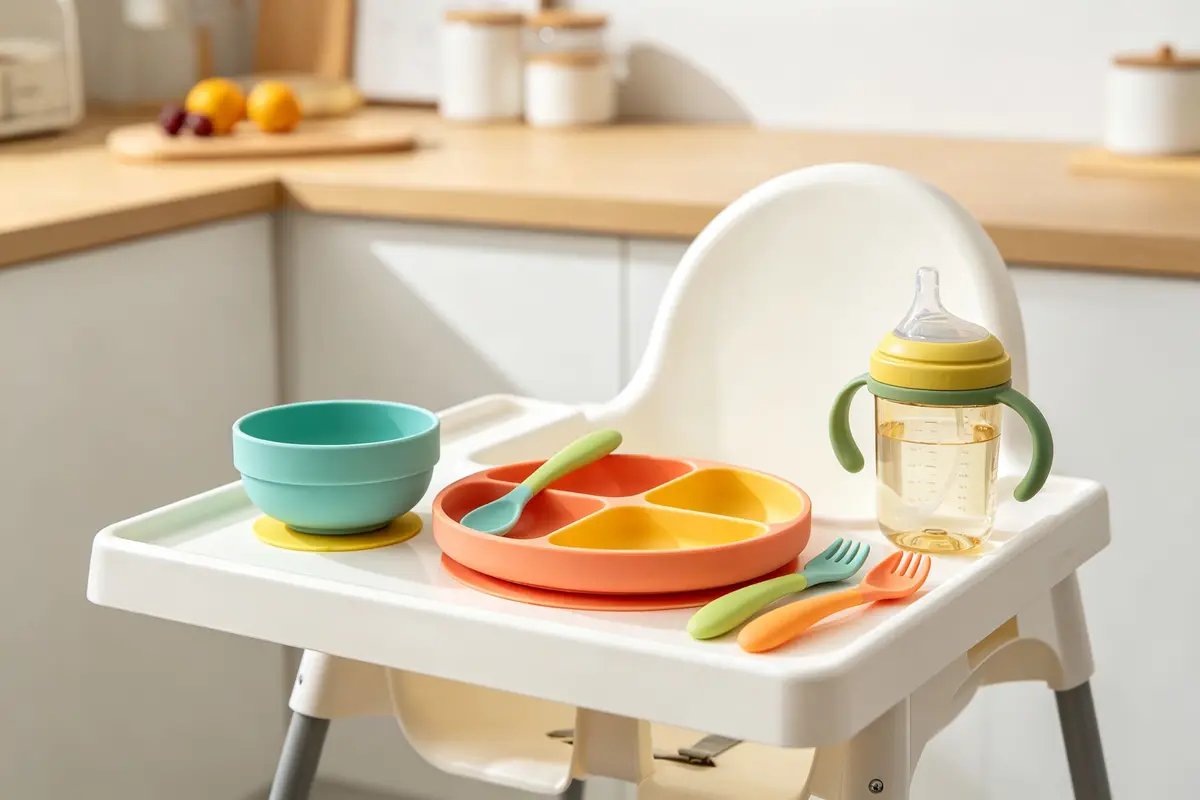
As babies transition from purees to finger foods and self-feeding, the right feeding set can make all the difference between a peaceful mealtime and a food-flinging disaster. The global baby feeding products market is projected to grow at a CAGR of 7.1% through 2026, driven by increasing awareness of infant nutrition, the growing popularity of baby-led weaning, and the demand for safe, non-toxic feeding products. This article examines the baby feeding set market landscape, product types, key features, leading brands, and what parents should consider when looking to buy a baby feeding set online in 2026.
Market Overview: The Growing Demand for Baby Feeding Sets
The baby feeding products market has experienced significant growth in recent years, driven by several key factors. First, the global trend toward baby-led weaning (BLW) has increased demand for feeding products that support self-feeding, such as suction bowls, divided plates, and easy-grip utensils. Parents are increasingly recognizing the benefits of allowing babies to feed themselves, including improved fine motor skills, better food acceptance, and a more positive relationship with food. Second, increasing awareness of the importance of safe, non-toxic feeding products has driven demand for BPA-free, phthalate-free, and food-grade silicone products. Parents are more educated about the potential risks of certain plastics and are willing to pay a premium for safer alternatives. Third, the growing popularity of silicone feeding products has transformed the market. Silicone is soft, flexible, non-toxic, heat-resistant, and easy to clean, making it an ideal material for baby feeding products. Silicone suction bowls and plates, in particular, have become extremely popular because they stick to the high chair tray and prevent toddlers from launching their meals across the room. The market is also being shaped by the trend toward eco-friendly and sustainable products, with more brands offering biodegradable, compostable, or recyclable feeding products. In Southeast Asia, where the middle class is growing and parents are increasingly investing in quality baby products, the demand for feeding sets is rising rapidly. E-commerce platforms like Shopee and Lazada offer a wide range of options from budget basic sets to premium branded collections. The market is expected to continue growing as more parents recognize the benefits of dedicated feeding sets and as manufacturers innovate with new materials, designs, and features.
Product Types: Silicone Sets, Stainless Steel, Bamboo, and All-in-One Kits
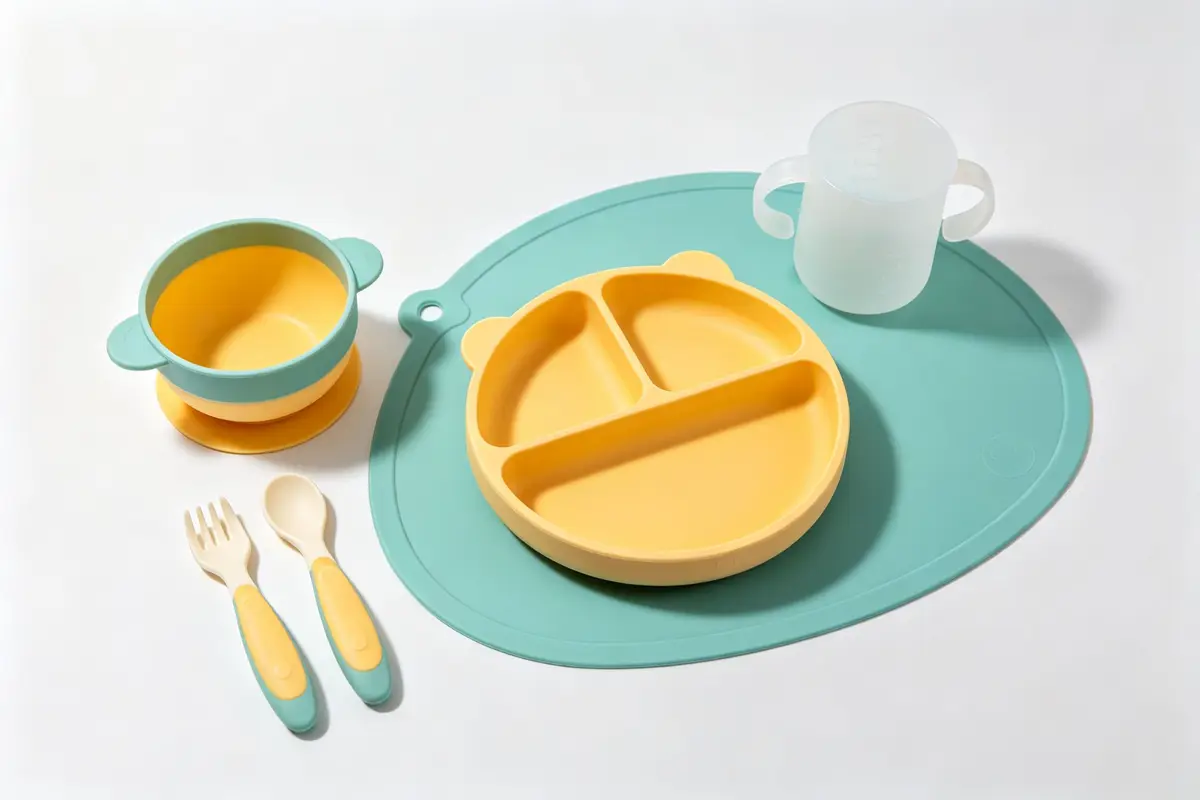
The baby feeding set market includes four main product types. Silicone feeding sets are the most popular and fastest-growing segment, with year-over-year growth of approximately 16%. These sets typically include a suction bowl, a suction plate (often divided), a soft silicone spoon, a fork, and sometimes a silicone bib or placemat. Silicone is soft, flexible, non-toxic, heat-resistant (safe for dishwasher and microwave), and easy to clean. The suction base on bowls and plates prevents them from being lifted or thrown by toddlers. Prices range from $15-40 for a set. The main drawback is that silicone can retain odors and stains from strongly colored foods (like tomato sauce or turmeric), and some parents find that the suction does not work well on all surfaces (it works best on smooth, non-porous surfaces like plastic high chair trays). Stainless steel feeding sets are known for their durability, longevity, and non-toxic properties. Stainless steel does not leach chemicals, does not retain odors or stains, and can last for years (even into adulthood). Sets typically include a stainless steel bowl, plate, cup, and utensils, often with silicone sleeves or grips for heat insulation and easier handling. Prices range from $20-50. The main drawbacks are that stainless steel can be heavy for small hands, can get hot (if used with hot food), and does not have suction (though some models come with a silicone suction base). They are also noisier than silicone when dropped or banged on the high chair tray. Bamboo and wooden feeding sets are popular among eco-conscious parents. Bamboo is a sustainable, biodegradable, and renewable material that is lightweight and naturally antibacterial. Sets typically include a bamboo bowl, plate, and utensils, often with silicone tips on the utensils for gentleness. Prices range from $15-35. However, bamboo is not as durable as silicone or stainless steel — it can crack, warp, or develop mold if not properly dried. Bamboo products should be hand-washed (not dishwasher-safe) and dried thoroughly after each use. They also do not have suction. All-in-one feeding kits are comprehensive sets that include everything a parent needs for feeding, often including bowls, plates, utensils, cups, bibs, placemats, food storage containers, and even a food feeder or teething toy. These kits are ideal for first-time parents who want to purchase everything at once, and they often come in a gift box, making them popular for baby showers. Prices range from $30-80 depending on the number of pieces and the brand. When choosing a feeding set type, consider: your baby's age and feeding stage (purees vs. finger foods vs. self-feeding), your priorities (safety, durability, eco-friendliness, ease of cleaning), whether you need suction (important for self-feeding toddlers), your budget, and whether you prefer a dedicated set or individual pieces. Many parents end up with a combination — silicone for everyday use (suction, soft), stainless steel for durability and long-term use, and bamboo for occasional use or as a gift.
Key Features, Brands, and Buying Guide
Key features to look for when buying a baby feeding set include: Material safety — This is the most important factor. Look for products made from food-grade silicone, 304 or 316 stainless steel, or bamboo that is free from BPA, BPS, phthalates, PVC, and lead. Check for third-party testing and certifications (like FDA approval, LFGB certification, or CPSIA compliance). Avoid products with strong chemical odors, which may indicate low-quality materials. Suction base — For bowls and plates, a strong suction base is essential for self-feeding toddlers. Look for a suction base that covers a large area of the bottom of the bowl/plate and creates a strong seal on smooth surfaces. Some suction bases have a release tab for easy removal by adults. Test the suction on your specific high chair tray before purchasing, as suction works best on smooth, non-porous surfaces. Divided plate design — A divided plate with separate compartments is useful for serving different foods without them touching (some toddlers are very particular about this). Look for plates with 2-3 compartments of appropriate size. Some divided plates also have a section for dipping sauces. Easy-grip utensils — Look for utensils with short, thick, ergonomic handles that are easy for small hands to grip. Silicone-tipped spoons are gentle on gums and teeth, while stainless steel tips are more durable and effective for scooping. Some utensils have a curved or angled design that makes it easier to get food to the mouth. Avoid utensils with sharp edges or small parts that could be a choking hazard. Easy to clean — Feeding products get messy, so easy cleaning is essential. Look for products that are dishwasher-safe (top rack), have smooth surfaces with no crevices where food can get trapped, and are easy to rinse. Silicone is generally the easiest to clean (just wipe or rinse), while bamboo requires hand-washing and thorough drying. Heat resistance — If you plan to use the feeding set with hot food or in the microwave/dishwasher, check the heat resistance. Food-grade silicone is typically heat-resistant up to 400-450°F (200-230°C), making it safe for microwave and dishwasher use. Stainless steel is also heat-resistant but can get hot to the touch. Age appropriateness — Check the manufacturer's age recommendations. Some sets are designed for younger babies (6+ months) with softer utensils and smaller bowls, while others are designed for older toddlers (12+ months) with larger plates and more robust utensils. Design and aesthetics — While not the most important factor, many parents prefer feeding sets in attractive colors and designs that make mealtime more fun. Look for sets in colors that appeal to your toddler (bright colors, animal shapes, etc.) and that coordinate with your kitchen or high chair. Additional pieces — Some sets include additional pieces like a training cup, a silicone bib with a food catcher, a placemat, food storage containers, or a travel case. These can add value and convenience, especially for first-time parents. Leading brands include: ezpz (known for its popular silicone suction mats and plates, a pioneer in the suction feeding category), Avanchy (known for its bamboo and silicone feeding sets, popular for their eco-friendly design), Bumkins (known for its silicone feeding sets and bibs, popular for their affordability and durability), Grabease (known for its ergonomic self-feeding utensils designed for small hands), Olababy (known for its silicone feeding products including the popular steam bowl and training spoon), and Munchkin (known for its wide range of affordable feeding products including the suction bowl and divided plate). In Southeast Asia, ezpz and Avanchy are available on Shopee and Lazada, while budget silicone sets are available for $10-20. For parents looking to buy a baby feeding set online, prioritize material safety (food-grade silicone, BPA-free), a strong suction base, easy-grip utensils, and easy cleaning. For a complete range of baby care products that support healthy feeding and development, parents can also explore Moni Happy's product range, and businesses interested in distribution can learn more at Moni Happy's partner page.