
2026-09-06 · Moni Happy Editorial Team
Buy Baby Play Mat Online 2026: Southeast Asia Market Guide & Safety Analysis
The baby play mat market in Southeast Asia is experiencing steady growth as parents increasingly recognize the importance of safe, dedicated play spaces for infant development, and as urban living creates demand for floor-based play solutions. For parents looking to buy baby play mat online, the market offers a diverse range of options — from foam puzzle tiles to premium cushioned mats to foldable and portable designs. This analysis examines the current market landscape, key product categories, safety considerations, and purchasing channels across Southeast Asia.
Market Overview: Developmental Benefits Drive Play Mat Demand
Key Play Mat Categories
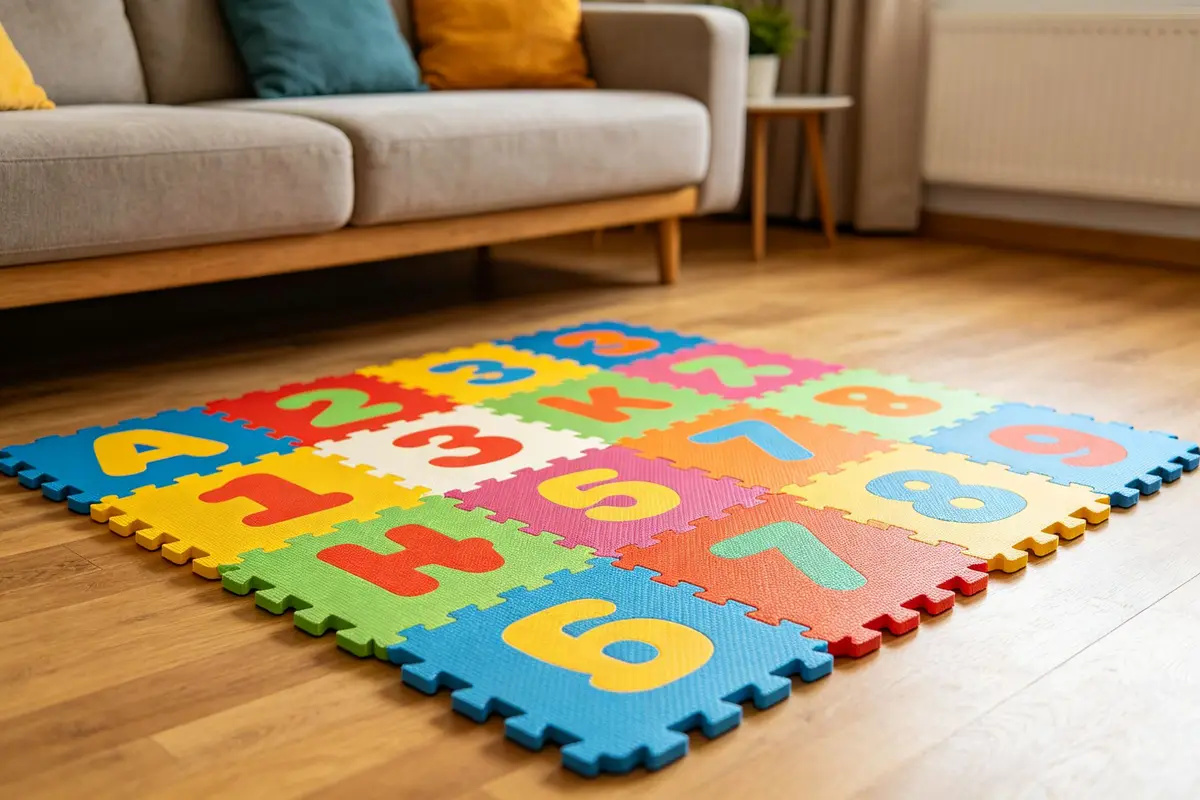
Foam Puzzle Mats (Interlocking Tiles): These are the most popular and affordable type — they consist of interlocking foam tiles (usually 60x60 cm or 50x50 cm) that can be arranged in various shapes and sizes to fit any space. They're lightweight, portable, and easy to clean (just wipe with a damp cloth). Many come with edge pieces for a finished look, and some have educational designs (letters, numbers, animals). Leading brands include Skip Hop, Baby Care, and various local and Chinese brands. However, some cheap foam puzzle mats have been found to contain harmful chemicals (like formamide, a toxic compound used in foam production), so it's important to choose mats that are certified non-toxic (like EVA foam that meets EN71 or ASTM safety standards).
One-Piece Cushioned Mats: These are large, one-piece mats (usually 1.5x2 meters or larger) made from thick, soft foam (usually PVC or PE foam) with a protective surface layer. They offer more cushioning than puzzle mats (important for protecting babies from falls as they learn to sit, crawl, and walk), and they have a smooth, seamless surface that's easy to clean. Leading brands include Baby Care, Dwinguler, and Skip Hop. Premium one-piece mats are often reversible (with different designs on each side) and come in a variety of colors and patterns to match nursery decor. They're more expensive than puzzle mats, but they offer better cushioning and a more finished look.
Foldable Mats: These are designed to fold up compactly for storage or travel — they're made from hinged foam panels that fold like an accordion or a book. Foldable mats are ideal for small spaces (they can be folded up and stored in a closet or under a bed when not in use) and for travel (they fold to a compact size that fits in a car trunk or large diaper bag). Leading brands include Regalo, Skip Hop, and Baby Care. Foldable mats usually have a carrying handle or strap for easy transport, and many are reversible with different designs on each side. They're a popular choice for families who travel frequently or who have limited storage space.
Activity Gyms and Play Mats with Attached Toys: These combine a play mat with an activity gym (an arch or frame with hanging toys) for younger babies (0-6 months). They're designed for tummy time and sensory play, with features like mirrors, crinkle toys, teething toys, and music. Leading brands include Fisher-Price, Skip Hop, and Baby Einstein. Activity gyms are popular for newborns and young babies, but they have a shorter usable life (usually until the baby is 6-8 months old and starts crawling). Many activity gyms have a removable mat that can be used separately after the baby outgrows the gym.
Safety Considerations and What to Look For
When choosing a play mat, safety is the top priority — babies spend a lot of time on these mats, and they often put their mouths on the surface. Here's what industry experts recommend:
- Non-toxic materials. This is the most important safety consideration. Look for mats made from non-toxic materials that are free from harmful chemicals like formamide, phthalates, BPA, PVC, and heavy metals (lead, cadmium). Check for safety certifications like EN71 (European toy safety standard), ASTM F963 (US toy safety standard), or OEKO-TEX (textile safety standard). Some premium brands also offer third-party testing reports. I always checked the material and certifications before buying — I avoided cheap, unbranded foam mats, as they've been found to contain high levels of formamide in independent testing.
- Adequate cushioning and thickness. The mat should be thick enough to cushion falls and protect your baby from hard floors. Look for mats that are at least 1 cm thick (1.5-2 cm is better for babies who are learning to sit, crawl, and walk). However, mats that are too thick can be unstable for babies who are learning to stand and walk (their feet can sink into the foam). I found that 1.5 cm was a good balance — enough cushioning for falls, but stable enough for standing and walking.
- Non-slip surface. The mat should have a non-slip bottom (to prevent it from sliding on hard floors) and a non-slip top surface (to prevent babies from slipping when they're crawling or walking). Some mats have a textured surface for better grip, while others use a non-slip backing. I always checked that the mat stayed in place on my tile floors — a sliding mat can be a tripping hazard for both babies and adults.
- Easy to clean. Babies make messes — spit-up, food, drool, and accidents. Look for mats with a smooth, waterproof surface that can be wiped clean with a damp cloth and mild soap. Avoid mats with fabric covers (unless they're removable and machine-washable), as they can absorb spills and harbor bacteria. I preferred mats with a smooth, seamless surface — I could wipe them down quickly after meals or playtime, and there were no crevices for food or dirt to get trapped.
- Appropriate size. Measure your space before buying — the mat should fit in your play area without being too cramped or too large. For tummy time and young babies, a smaller mat (1x1.5 meters) is sufficient. For crawling and walking babies, a larger mat (1.5x2 meters or larger) gives them more room to move. I started with a small mat for tummy time, then upgraded to a larger mat when my babies started crawling. Puzzle tiles are great for customizable sizing — you can add or remove tiles as needed.
Where to Buy Baby Play Mats in Southeast Asia
E-commerce platforms: Shopee and Lazada offer the widest selection, with both international and local brands across all price points. These platforms often offer competitive pricing, frequent promotions, and detailed customer reviews. TikTok Shop has also emerged as a popular channel, particularly for parents who discover play mats through influencer reviews and home tour videos. However, buyers should be cautious about cheap, unbranded foam mats that may contain harmful chemicals — look for safety certifications and buy from reputable sellers.
Specialty baby stores and home goods stores: Chains like Mothercare, Pupsik Studio, and Baby Company offer curated selections of premium play mats. Home goods stores like IKEA (with their popular foam puzzle mats) and Crate & Barrel also carry play mats. I always bought my play mats from specialty stores or reputable brands — I wanted to be sure the materials were non-toxic and safe for my babies, who spent hours on the mat every day.
Brand direct-to-consumer: Premium brands like Dwinguler, Baby Care, and Skip Hop sell directly through their own websites and authorized retailers. Buying direct ensures authenticity, full warranty coverage, and access to customer support. Some brands also offer customization options (like choosing the size, color, or pattern).
For retailers and distributors looking to enter this growing market, partnering with established baby care brands can provide access to proven products, safety certifications, and marketing support. The play mat segment is expected to continue growing as awareness of infant development and floor play increases across Southeast Asia.
Future Outlook
The baby play mat market in Southeast Asia is poised for continued growth, driven by growing awareness of infant development, increasing urbanization, and rising disposable incomes. Premium non-toxic cushioned mats are expected to be the fastest-growing segment, as parents increasingly prioritize safety and quality over price. Eco-friendly and sustainable materials (like natural rubber, organic cotton, and recycled foam) represent an emerging trend, as environmentally conscious parents seek greener alternatives. Smart play mats (with interactive features like built-in sensors, LED lights, or app-connected activities) are also emerging, though they remain a niche segment. For parents, the key is to choose a play mat that is non-toxic, adequately cushioned, easy to clean, and the right size for your space — and remember that the best play mat is one that your baby actually uses and enjoys.