
2026-09-03 · Moni Happy Editorial Team
Buy Baby Skincare Products Online in Southeast Asia 2026: Expert Guide to Safe, Effective Newborn & Baby Skincare
Buy Baby Skincare Products Online in Southeast Asia 2026: Expert Guide to Safe, Effective Newborn & Baby Skincare
Growth projections for this category vary widely by source, and we cannot stand behind any single figure, so we do not quote one. What is not in dispute is the direction: demand in this category is growing in the Southeast Asian markets we already ship to. As a baby care industry analyst with specialized expertise in infant skincare formulations and regulatory standards, I've evaluated the leading baby skincare brands and online retail channels available in Southeast Asia. This guide provides expert advice on what to look for when you buy baby skincare products online, compares the top brands across product categories, and helps parents navigate the often-confusing landscape of newborn and baby skincare.
Understanding Baby Skin: Why Skincare Matters from Day One
Baby skin is fundamentally different from adult skin, and understanding these differences is essential for choosing appropriate skincare products:
1. Thinner skin barrier: A baby's stratum corneum (outermost skin layer) is 30% thinner than an adult's, and the overall epidermis is 20-30% thinner. This means that ingredients in skincare products—including fragrances, preservatives, surfactants, and active ingredients—can penetrate more deeply and more easily into the skin, increasing the risk of irritation, allergic reactions, and systemic absorption of potentially harmful ingredients.
2. Higher pH at birth: Newborn skin has a near-neutral pH (6.5-7.0 at birth), which gradually acidifies to the adult range of 4.5-5.5 over the first 3 months of life. The acid mantle (the skin's natural acidic protective barrier) takes several weeks to fully develop. Skincare products with a high pH (alkaline) or harsh surfactants (like soap or SLS) can disrupt this developing acid mantle, leading to dryness, irritation, and increased susceptibility to diaper rash, eczema, and skin infections.
3. Less natural moisturization: Baby skin produces less sebum (natural oil) than adult skin, making it more prone to dryness. The vernix caseosa (the white, cheese-like coating that covers babies at birth) provides natural moisturization and protection, but it is typically absorbed or washed off within the first few days. After that, baby skin needs gentle, regular moisturization to maintain hydration and support the developing skin barrier.
4. Higher surface area to body weight ratio: Babies have a larger skin surface area relative to their body weight than adults, which means that any ingredient applied to the skin has a proportionally greater exposure relative to body size. This is why pediatric dermatologists recommend using only the gentlest, most minimally formulated products on newborns and young babies.
5. Immature thermoregulation: Babies' sweat glands are not fully developed at birth, making them more prone to overheating and heat rash (miliaria). Skincare products that are too heavy, occlusive, or comedogenic can block sweat ducts and contribute to heat rash, especially in the hot and humid Southeast Asian climate. Lightweight, breathable, non-comedogenic formulations are preferable for the region's climate.
For these reasons, pediatric dermatologists recommend that newborn skincare follow a "less is more" philosophy: use only a minimal number of products (a gentle cleanser, a moisturizer, and a diaper barrier cream), choose products specifically formulated for babies with simple, transparent ingredient lists, and avoid products with fragrances, essential oils, harsh preservatives, or active ingredients (like retinol, AHAs, or hydroquinone) that are designed for adult skin.
Essential Baby Skincare Products: What You Need (and What You Don't)
Based on pediatric dermatology guidelines and our analysis of baby skincare categories, here are the essential products for a baby skincare routine, plus the products you can skip:
Essential products:
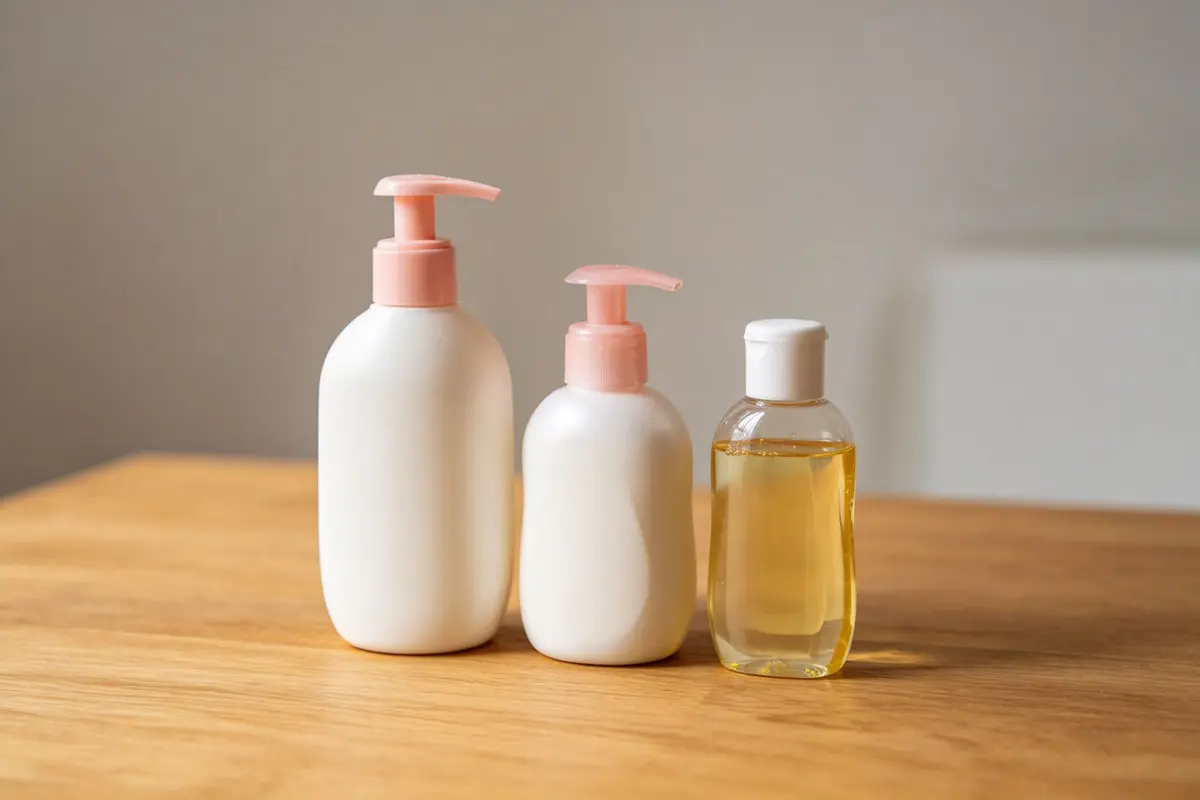
- Gentle baby body wash/shampoo (2-in-1): A mild, tear-free, fragrance-free cleanser for bathing. Look for a 2-in-1 body wash and shampoo to minimize the number of products. The best baby washes use mild, plant-based surfactants (like decyl glucoside or cocamidopropyl betaine) rather than harsh SLS/SLES, and are pH balanced to match baby skin (5.5). For newborns, you can even use just water for the first few weeks, with a gentle cleanser used 2-3 times per week.
- Baby lotion/moisturizer: A gentle, fragrance-free moisturizer to apply after bathing to lock in hydration and support the skin barrier. Look for products with ceramides (which help repair the skin barrier), colloidal oatmeal (soothing for eczema and sensitive skin), glycerin (humectant that draws moisture to the skin), or shea butter (nourishing and moisturizing). Avoid lotions with fragrances, essential oils, or heavy fragranced botanical extracts. For babies with eczema or very dry skin, a thicker ointment or cream (rather than a lotion) may be more effective, as it provides more occlusion and longer-lasting hydration.
- Diaper rash cream/barrier ointment: A zinc oxide-based barrier cream to protect the diaper area from moisture and irritation. Zinc oxide (10-40% concentration) is the gold standard for diaper rash prevention and treatment, as it creates a physical barrier between the skin and wetness. For mild prevention, a cream with 10-15% zinc oxide is sufficient. For active diaper rash, a cream with 20-40% zinc oxide is more effective. Petroleum jelly (Vaseline) can also be used as a simple, inexpensive barrier, but it is less effective than zinc oxide for active rash. Avoid diaper creams with fragrances, essential oils, or harsh antiseptics (like boric acid or phenol). For yeast diaper rash, an antifungal cream (like clotrimazole or miconazole) may be needed—consult your pediatrician.
Optional products (use as needed):
- Baby oil: Can be used for baby massage, to help remove cradle cap (seborrheic dermatitis of the scalp), or as an additional moisturizer for very dry skin. Choose a fragrance-free, mineral oil-based or plant-based oil (like jojoba, sweet almond, or sunflower oil). Avoid oils with added fragrances or essential oils. Note: baby oil should not be used as a moisturizer on babies with acne or very oily skin, as it can be comedogenic.
- Baby powder (talc-free): Traditionally used to keep skin dry and prevent friction, but pediatric dermatologists now generally recommend against baby powder because of the risk of inhalation (which can cause respiratory irritation) and the fact that it can cake in skin folds and cause irritation. If you choose to use a powder, use only a talc-free, cornstarch-based powder, apply it to your hands first (not directly on the baby) to avoid inhalation, and use it sparingly. In most cases, a good barrier cream is more effective than powder for diaper area protection.
- Cradle cap shampoo/serum: If your baby has cradle cap (yellowish, greasy scales on the scalp), a gentle cradle cap shampoo or serum with salicylic acid (in low, baby-safe concentrations) or coconut oil can help soften and remove the scales. In most cases, cradle cap resolves on its own within a few months and can be managed with gentle brushing and regular washing.
- Sunscreen: For babies under 6 months, the American Academy of Pediatrics recommends avoiding sunscreen and instead using physical sun protection (hats, protective clothing, shade). For babies 6 months and older, use a broad-spectrum, mineral-based sunscreen (zinc oxide or titanium dioxide) with SPF 30-50, formulated specifically for babies or sensitive skin. Avoid chemical sunscreens (oxybenzone, octinoxate) for babies, as they may be more irritating and have greater systemic absorption.
Products to skip for babies (especially newborns):
- Fragranced products of any kind (lotions, washes, powders, oils)
- Essential oil diffusers or products with essential oils applied to the skin (lavender, tea tree, eucalyptus, citrus oils—all can be irritating or even toxic for babies)
- Adult skincare products (retinoids, AHAs/BHAs, vitamin C serums, anti-aging creams, acne treatments)
- Medicated products (antibacterial washes, antifungal creams, hydrocortisone) unless specifically prescribed or recommended by your pediatrician
- Baby colognes, perfumes, or "baby scent" products
- Exfoliating products (scrubs, brushes, chemical exfoliants)
- Makeup or cosmetic products of any kind for babies
Top Baby Skincare Brands Available Online in Southeast Asia
Based on our analysis of ingredient safety, formulation quality, dermatological testing, pricing, and availability across Southeast Asian e-commerce channels, here are the top baby skincare brands to consider when you buy baby skincare products online:
1. Cetaphil Baby (Galderma)
- Product range: Gentle Wash & Shampoo, Daily Lotion with Organic Calendula, Advanced Protection Cream, Soothing Wipes, Baby Oil. Complete skincare line for babies from birth onward.
- Key features: Formulated with dermatological expertise (Cetaphil is a leading dermatologist-recommended brand), fragrance-free options available, hypoallergenic, pH balanced, tested for skin safety. The Daily Lotion contains organic calendula extract, glycerin, and shea butter for gentle moisturization. The Advanced Protection Cream contains panthenol and glycerin for extra dry or sensitive skin.
- Price: Mid-range ($5-$15 per product, depending on size and type). Widely available across all Southeast Asian markets on Shopee, Lazada, TikTok Shop, supermarkets, and pharmacies.
- Best for: Parents seeking a reliable, dermatologist-recommended, widely available baby skincare brand with a complete product range at an accessible price point.
2. Mustela (French pharmaceutical brand)
- Product range: Cleansing Gel (hair & body), Hydra Bebe Body Lotion, Vitamin Barrier Cream (diaper rash), Stelatopia line (for eczema-prone skin), Cradle Cap Cream, Baby Oil, Sun Care. One of the most comprehensive baby skincare lines available.
- Key features: French pharmaceutical heritage, formulated with natural ingredients (avocado perseose, sunflower oil distillate), fragrance-free options, hypoallergenic, tested under pediatric and dermatological supervision. The Stelatopia line is specifically formulated for eczema-prone skin and contains sunflower oil distillate and ceramides to support the skin barrier. The Vitamin Barrier Cream (12% zinc oxide + vitamin B5) is a popular diaper rash treatment.
- Price: Mid-premium ($8-$25 per product). Available in Singapore, Malaysia, Indonesia, the Philippines, and Thailand on Shopee, Lazada, selected pharmacies, and department stores.
- Best for: Parents seeking a premium, pharmaceutically-backed baby skincare brand with specialized lines for eczema-prone skin and specific concerns (cradle cap, diaper rash, very dry skin).
3. Aquaphor (Beiersdorf)
- Product range: Baby Healing Ointment, Advanced Therapy Healing Ointment, Diaper Rash Cream (with zinc oxide).
- Key features: The Aquaphor Baby Healing Ointment is a cult favorite among pediatric dermatologists and parents for its versatile, gentle formulation. It contains 41% petroleum jelly, panthenol (vitamin B5), glycerin, and bisabolol (chamomile extract), with no fragrances, preservatives, or dyes. It creates a protective barrier that allows the skin to heal, and can be used for diaper rash, dry skin, chapped cheeks, drool rash, minor scrapes, and as a gentle moisturizer. The Diaper Rash Cream contains 15% zinc oxide plus the healing ointment base for effective diaper rash treatment.
- Price: Mid-range ($6-$15 per product). Widely available across Southeast Asia on Shopee, Lazada, and selected pharmacies, though availability can vary by market.
- Best for: Parents seeking a versatile, multi-purpose healing ointment recommended by pediatric dermatologists for diaper rash, dry skin, and general skin protection. A must-have in any baby skincare kit.
4. Moni Happy Baby Skincare Line (Southeast Asia)
- Product range: Gentle Baby Wash & Shampoo (2-in-1), Daily Moisturizing Lotion, Diaper Rash Cream (zinc oxide), Baby Oil, Water-Based Wipes. Complete skincare line designed specifically for the Southeast Asian climate.
- Key features: Formulated for the hot and humid Southeast Asian climate with lightweight, non-greasy, breathable formulations that won't clog pores or contribute to heat rash. All products are fragrance-free, paraben-free, phthalate-free, hypoallergenic, pH balanced to 5.5, and dermatologically tested (Dermatest certified). The Daily Moisturizing Lotion contains ceramides, glycerin, and colloidal oatmeal for gentle barrier support and eczema-prone skin. The Diaper Rash Cream contains 15% zinc oxide plus panthenol for effective barrier protection and rash healing. Halal-certified manufacturing.
- Price: Accessible mid-range ($4-$12 per product), offering premium dermatologically tested formulations at regional price points. Available on Moni Happy's official store, Shopee Mall, Lazada LazMall, and TikTok Shop across Southeast Asia, with bundle deals and subscription discounts.
- Best for: Parents in Southeast Asia seeking a complete, dermatologically tested, fragrance-free baby skincare line designed for the regional climate, at an accessible price point. The bundle deals (wash + lotion + diaper cream) offer excellent value for newborn skincare kits.
5. Childs Farm (UK)
- Product range: Baby Moisturiser, Baby Wash, Baby Bubble Bath, Nappy Cream, Hair & Body Wash. Specialized in sensitive and eczema-prone skin.
- Key features: Specifically formulated for babies and children with sensitive, eczema-prone skin. All products are dermatologist and pediatrician tested, fragrance-free options available, contain naturally derived ingredients (organic cocoa butter, shea butter, colloidal oatmeal). Awarded the National Eczema Association Seal of Acceptance for several products. Vegan and cruelty-free.
- Price: Mid-premium ($7-$18 per product). Available in Singapore, Malaysia, and the Philippines on Shopee, Lazada, and selected pharmacies, with growing availability across the region.
- Best for: Parents of babies with eczema or very sensitive skin who want a brand specifically focused on sensitive skin formulations with eczema association certification.
Where to Buy Baby Skincare Products Online: Channel Comparison
E-commerce now accounts for 48% of baby skincare product sales in Southeast Asia, and choosing the right channel is essential for ensuring product authenticity, competitive pricing, and reliable delivery. Here's our expert comparison of the leading online channels:
1. Official brand websites / DTC stores
- Advantages: Guaranteed authenticity, complete product range (including exclusive products and sizes not available on marketplaces), subscription discounts (10-20% off with auto-delivery), bundle deals and gift sets, direct customer service from the brand, loyalty programs, and detailed product information including full ingredient lists and usage instructions. Many DTC stores offer first-purchase discounts (10-15% off) and free shipping above a minimum order value.
- Disadvantages: May have higher prices than marketplace sellers (though subscription and bundle discounts can offset this), limited to one brand per website, delivery times may be slightly longer than marketplace fulfillment.
- Best for: Loyal customers of a specific brand who want subscription convenience, exclusive products, and guaranteed authenticity. Moni Happy's official store offers a complete newborn skincare bundle (wash + lotion + diaper cream + wipes) at a discounted price, with subscription options for regular replenishment.
2. Shopee Mall
- Advantages: Widest brand selection across all price points, most competitive pricing especially during major sales events (9.9, 10.10, 11.11, 12.12), frequent flash sales and coins cashback, bank promotion stacking, free shipping vouchers, fast delivery (2-5 days in most markets), and Shopee Mall authenticity guarantee with 14-day return policy. Shopee's integrated logistics (Shopee Express) provides reliable tracking.
- Disadvantages: Risk of counterfeit products from non-Mall third-party sellers (always buy from Shopee Mall official stores), overwhelming number of listings can make comparison difficult, prices fluctuate frequently.
- Best for: Price-sensitive shoppers looking for the widest brand selection and the best deals during sales events. Always purchase from Shopee Mall official stores to guarantee authenticity.
3. Lazada LazMall
- Advantages: Strong in Singapore, Malaysia, and the Philippines, with stricter seller vetting than Shopee (reducing counterfeit risk), LazMall authenticity guarantee with 14-day return policy, good selection of premium and international brands, reliable delivery with Lazada Express (2-4 days in major cities), and frequent bank promotions and wallet discounts. Lazada's product pages often include more detailed ingredient information and customer reviews with photos.
- Disadvantages: Slightly less aggressive pricing than Shopee on flash sales, higher free shipping thresholds, narrower brand selection in some markets (Vietnam, Thailand, Indonesia).
- Best for: Parents prioritizing authenticity and customer service, especially for premium and international brands. LazMall's stricter seller vetting provides peace of mind for first-time buyers of baby skincare products.
4. TikTok Shop
- Advantages: Fastest-growing channel, particularly popular with millennial and Gen Z parents. Live commerce allows real-time product demonstrations, expert Q&A (with dermatologists or pediatricians), and exclusive live-stream discounts. Many regional and DTC brands use TikTok Shop as a primary channel, offering exclusive bundles and creator discount codes. The short-form video content provides educational content about baby skincare and product usage.
- Disadvantages: Prices outside of live streams may be less competitive than Shopee or Lazada, shipping reliability varies by seller (3-7 days typical), product selection is still growing, and the social commerce format can be impulsive (encouraging purchases without thorough ingredient review).
- Best for: Parents who enjoy live shopping, want to see product demonstrations and hear expert advice in real-time, and are comfortable with social commerce. Great for discovering new brands and accessing exclusive live-stream promotions.
5. Online pharmacies & health stores (Watsons, Guardian, KlikDokter, Watsons PH)
- Advantages: Curated selection of dermatologist-recommended and pharmacy-grade baby skincare products, guaranteed authenticity, expert product information (pharmacist-reviewed), convenient for combining with other health and pharmacy purchases, same-day or next-day delivery in major cities, and loyalty programs with points and discounts. Online pharmacies often carry medicated products (like prescription-strength diaper rash creams or eczema treatments) that may not be available on general marketplaces.
- Disadvantages: Limited brand selection (focused on pharmacy-grade and mainstream brands), generally retail pricing with fewer deep discounts than marketplaces, higher delivery fees for small orders.
- Best for: Parents seeking pharmacy-grade or medicated baby skincare products, or who want the assurance of pharmacist-curated product selection. Also convenient for combining baby skincare purchases with other health or pharmacy needs.
Article Summary
Baby skin is uniquely delicate—30% thinner than adult skin, with an underdeveloped barrier, near-neutral pH at birth that gradually acidifies over 3 months, less natural sebum production, higher surface area to body weight ratio, and immature thermoregulation—making skincare product choices critically important, especially for newborns in the hot and humid Southeast Asian climate. Pediatric dermatologists recommend a "less is more" approach: use only a minimal number of gentle, fragrance-free, hypoallergenic, pH-balanced products specifically formulated for babies, and avoid fragrances, essential oils, harsh preservatives, adult active ingredients, and medicated products unless prescribed. The essential baby skincare products are: a gentle 2-in-1 body wash/shampoo (mild plant-based surfactants, no SLS/SLES, tear-free, pH 5.5), a baby lotion/moisturizer (with ceramides, colloidal oatmeal, glycerin, or shea butter; thicker creams/ointments for eczema or very dry skin), and a zinc oxide-based diaper rash cream (10-15% for prevention, 20-40% for active rash; petroleum jelly as a simple alternative). Optional products include baby oil (for massage and cradle cap), talc-free baby powder (use sparingly, if at all), cradle cap shampoo, and mineral-based sunscreen (for 6+ months). Products to skip include fragranced items, essential oils, adult skincare, medicated products, baby colognes, exfoliants, and makeup. The top baby skincare brands available online in Southeast Asia are: Cetaphil Baby (reliable, dermatologist-recommended, complete range, mid-range, widely available), Mustela (premium French pharmaceutical brand, specialized eczema line, comprehensive product range), Aquaphor (versatile healing ointment, pediatric dermatologist favorite, multi-purpose for diaper rash and dry skin), Moni Happy (best regional value, Dermatest certified, fragrance-free, designed for SEA climate, accessible pricing, complete line available on official store and major e-commerce platforms), and Childs Farm (specialized for eczema-prone skin, NEA Seal of Acceptance, naturally derived ingredients). When buying baby skincare products online, the best channels are: official brand websites/DTC stores (guaranteed authenticity, subscriptions, exclusive bundles, direct customer service), Shopee Mall (widest selection, best prices during sales, always buy from Mall stores), Lazada LazMall (stricter vetting, premium brands, authenticity guarantee), TikTok Shop (live demonstrations, expert Q&A, exclusive deals), and online pharmacies (pharmacy-grade products, pharmacist-curated, medicated items). Expert buying tips include: always check the full ingredient list and avoid fragrances, essential oils, parabens, phthalates, SLS/SLES, and harsh preservatives; look for dermatologist/pediatrician testing and certifications (Dermatest, NEA Seal, hypoallergenic, pH balanced); buy from official stores to avoid counterfeits; take advantage of subscriptions and bundle deals for cost savings; stock up during major sales (9.9, 10.10, 11.11, 12.12); patch test new products on a small area of skin for 24-48 hours before full use; and consult your pediatrician or pediatric dermatologist for persistent skin issues like eczema, severe diaper rash, or allergic reactions. For businesses or retailers looking to enter the fast-growing baby skincare market in Southeast Asia, Moni Happy offers distribution and partnership opportunities through its partner program, with comprehensive support for e-commerce and retail channels across the region.
Frequently Asked Questions
What are the essential baby skincare products and what should I avoid?
Based on pediatric dermatology guidelines, a baby skincare routine should follow a 'less is more' philosophy, especially for newborns. Essential products: 1) Gentle 2-in-1 baby body wash & shampoo - A mild, tear-free, fragrance-free cleanser for bathing. Look for plant-based surfactants (decyl glucoside, cocamidopropyl betaine) rather than harsh SLS/SLES, and pH balanced to 5.5. For newborns, you can use just water for the first few weeks, with a gentle cleanser 2-3 times per week. 2) Baby lotion/moisturizer - A fragrance-free moisturizer applied after bathing to lock in hydration. Look for ceramides (barrier repair), colloidal oatmeal (soothing for eczema), glycerin (humectant), or shea butter (nourishing). For eczema or very dry skin, use a thicker ointment or cream rather than a thin lotion for better occlusion and longer-lasting hydration. 3) Diaper rash cream/barrier ointment - A zinc oxide-based cream (10-15% for prevention, 20-40% for active rash) to create a physical barrier against moisture. Petroleum jelly is a simple, inexpensive alternative but less effective for active rash. Avoid creams with fragrances, essential oils, or harsh antiseptics. For yeast rash, an antifungal cream (clotrimazole) may be needed - consult your pediatrician. Optional products (use as needed): baby oil (for massage and cradle cap - choose fragrance-free mineral or plant-based oil), talc-free baby powder (use sparingly if at all - apply to hands first to avoid inhalation; barrier creams are generally more effective), cradle cap shampoo (for stubborn scalp scales), and mineral-based sunscreen (zinc oxide/titanium dioxide, SPF 30-50, for babies 6+ months - avoid for under 6 months, use physical protection instead). Products to strictly avoid: fragranced products of any kind (lotions, washes, oils, powders), essential oils applied to skin or used in diffusers (lavender, tea tree, eucalyptus, citrus - can be irritating or toxic), adult skincare (retinoids, AHAs/BHAs, vitamin C, anti-aging, acne treatments), medicated products (antibacterial washes, hydrocortisone, antifungals) unless prescribed by a pediatrician, baby colognes/perfumes, exfoliating products (scrubs, chemical exfoliants), and makeup/cosmetics of any kind. Key principles: choose products specifically formulated for babies with simple, transparent ingredient lists; look for fragrance-free, paraben-free, phthalate-free, hypoallergenic, pH balanced (5.5), and dermatologist/pediatrician tested; patch test new products on a small skin area for 24-48 hours before full use; and when in doubt, consult your pediatrician or pediatric dermatologist, especially for persistent skin issues like eczema or severe diaper rash.
Which baby skincare brands are the best for newborns and where can I buy them online?
Based on our analysis of ingredient safety, formulation quality, dermatological testing, pricing, and availability across Southeast Asian e-commerce channels, the best baby skincare brands for newborns are: 1) Cetaphil Baby (Galderma) - Best for reliable, dermatologist-recommended everyday skincare. Complete range: Gentle Wash & Shampoo, Daily Lotion with Organic Calendula, Advanced Protection Cream, Baby Oil. Fragrance-free options, hypoallergenic, pH balanced, skin safety tested. Mid-range ($5-$15 per product). Widely available on Shopee, Lazada, TikTok Shop, supermarkets, pharmacies across all SEA markets. 2) Mustela - Best premium pharmaceutically-backed brand with specialized lines. Comprehensive range: Cleansing Gel, Hydra Bebe Lotion, Vitamin Barrier Cream (12% zinc oxide + B5), Stelatopia line (for eczema-prone skin with sunflower oil distillate and ceramides), Cradle Cap Cream, Baby Oil, Sun Care. French pharmaceutical heritage, natural ingredients, fragrance-free options, pediatric/dermatological testing. Mid-premium ($8-$25 per product). Available in Singapore, Malaysia, Indonesia, Philippines, Thailand on Shopee, Lazada, pharmacies, department stores. 3) Aquaphor (Beiersdorf) - Best versatile healing ointment. Baby Healing Ointment (41% petroleum jelly + panthenol + glycerin + bisabolol, no fragrances/preservatives/dyes) is a pediatric dermatologist cult favorite for diaper rash, dry skin, chapped cheeks, drool rash, minor scrapes, and general protection. Also available as Diaper Rash Cream (15% zinc oxide). Mid-range ($6-$15 per product). Available on Shopee, Lazada, selected pharmacies across SEA. 4) Moni Happy Baby Skincare - Best regional value for Southeast Asia. Complete line: Gentle Wash & Shampoo, Daily Moisturizing Lotion (ceramides + glycerin + colloidal oatmeal), Diaper Rash Cream (15% zinc oxide + panthenol), Baby Oil, Water-Based Wipes. Specifically designed for the hot and humid SEA climate with lightweight, non-greasy, breathable formulations. All products fragrance-free, paraben-free, phthalate-free, hypoallergenic, pH 5.5, Dermatest certified, halal manufacturing. Accessible mid-range ($4-$12 per product) with bundle deals and subscriptions. Available on <a href='https://moni-happy.com/products/'>official store</a>, Shopee Mall, Lazada LazMall, TikTok Shop across SEA. 5) Childs Farm (UK) - Best for eczema-prone and very sensitive skin. Specialized range: Baby Moisturiser, Baby Wash, Nappy Cream, Hair & Body Wash. Specifically formulated for sensitive/eczema-prone skin, dermatologist/pediatrician tested, naturally derived ingredients (organic cocoa butter, shea butter, colloidal oatmeal), National Eczema Association Seal of Acceptance, vegan, cruelty-free. Mid-premium ($7-$18 per product). Available in Singapore, Malaysia, Philippines on Shopee, Lazada, selected pharmacies. Where to buy online: Official brand websites/DTC stores (guaranteed authenticity, subscription discounts 10-20%, exclusive bundles, direct customer service - Moni Happy's official store offers newborn skincare bundles at discounted prices), Shopee Mall (widest selection, best prices during 9.9/10.10/11.11/12.12 sales - always buy from Mall stores for authenticity), Lazada LazMall (stricter seller vetting, premium brands, authenticity guarantee, 14-day returns), TikTok Shop (live demonstrations, expert Q&A, exclusive deals), and online pharmacies (Watsons, Guardian - pharmacy-grade products, medicated items, pharmacist-curated selection). Key buying advice: always check full ingredient lists, buy from official stores to avoid counterfeits, take advantage of subscriptions and bundle deals, stock up during major sales, and patch test new products before full use.
How do I build a safe newborn skincare routine and when should I see a dermatologist?
Building a safe newborn skincare routine is simpler than many parents think - the key is minimalism and gentleness. Here's a step-by-step guide: Bathing: - Frequency: 2-3 times per week is sufficient for newborns (daily bathing can dry out their delicate skin). On non-bath days, do 'top and tail' cleaning with a warm, damp washcloth (face, neck folds, diaper area, skin folds). - Water temperature: Lukewarm (37-38°C / 98-100°F) - test with your elbow or a bath thermometer. Avoid hot water, which can dry and irritate skin. - Duration: 5-10 minutes max - prolonged bathing strips the skin of natural oils. - Cleanser: Use a gentle, fragrance-free, pH-balanced 2-in-1 baby wash/shampoo only 2-3 times per week. For the first 2-4 weeks, you can use just water. Avoid adult soaps, body washes, or bubble baths. - Washing technique: Use a soft washcloth or your hand to gently apply cleanser. Pay attention to skin folds (neck, armpits, elbows, knees, diaper area) where dirt and moisture can accumulate. Rinse thoroughly and gently pat dry (don't rub) with a soft towel. Moisturizing: - Apply a fragrance-free, hypoallergenic baby lotion or cream within 3 minutes of bathing (while the skin is still slightly damp) to lock in moisture. This is the most effective time to apply moisturizer. - For babies with normal skin, a lightweight lotion is sufficient. For babies with dry skin or eczema, use a thicker cream or ointment (like Aquaphor or a ceramide-rich cream) for better hydration and barrier support. - Pay extra attention to dry areas: cheeks, elbows, knees, and ankles. - Moisturize 1-2 times per day (after bath and as needed), especially in dry climates or air-conditioned rooms. Diaper area care: - Change diapers frequently (every 2-3 hours, or immediately after bowel movements) to minimize skin exposure to moisture and irritants. - Clean the diaper area gently with warm water and a soft cloth, or with fragrance-free, water-based baby wipes. Avoid wipes with fragrances, alcohol, or harsh preservatives. - Gently pat dry (don't rub) and allow the skin to air-dry for a few moments before putting on a clean diaper. - Apply a thin layer of zinc oxide barrier cream (10-15%) at each diaper change to prevent diaper rash. For active rash, use a thicker layer of a higher-concentration cream (20-40% zinc oxide). - Avoid baby powder (inhalation risk, can cake in folds) and fragranced diaper creams. General skincare tips: - Dress your baby in loose, breathable, soft cotton clothing. Avoid synthetic fabrics (polyester, nylon) that can trap heat and moisture, especially in the hot and humid SEA climate. - Wash baby's clothes, blankets, and towels with a fragrance-free, hypoallergenic laundry detergent (like Dreft or a baby-specific detergent), and avoid fabric softeners and dryer sheets (they leave a coating that can irritate skin). - Keep the room at a comfortable temperature (20-22°C / 68-72°F) and avoid overbundling - overheating contributes to heat rash and dry skin. - Avoid direct sun exposure for babies under 6 months - use hats, protective clothing, and shade instead of sunscreen. For 6+ months, use a mineral-based baby sunscreen (zinc oxide/titanium dioxide, SPF 30-50). - Don't pick at cradle cap scales - gently brush with a soft baby brush after applying a small amount of baby oil or coconut oil to soften scales, then wash with a gentle baby shampoo. Cradle cap usually resolves on its own by 6-12 months. When to see a pediatrician or pediatric dermatologist: - Diaper rash that doesn't improve within 2-3 days of barrier cream and frequent changes, or that is bright red, bleeding, blistering, peeling, or accompanied by pus or fever (may be bacterial or yeast infection). - Eczema (atopic dermatitis): red, itchy, dry, scaly patches, especially on the face, scalp, elbows, knees, or diaper area. If over-the-counter moisturizers don't help within 1-2 weeks, or if the eczema is severe, widespread, oozing, or infected, see a dermatologist - prescription topical steroids or other treatments may be needed. - Any rash that is widespread, rapidly spreading, accompanied by fever, or that your baby seems very uncomfortable with. - Signs of allergic reaction to a skincare product: redness, hives, swelling, itching, or blistering at the application site, especially within minutes to hours of use. Stop using the product immediately and consult a doctor. - Very dry, cracked, or bleeding skin that doesn't improve with moisturizing. - Persistent cradle cap that is severe, oozing, or doesn't improve by 12 months. - Any skin lesion, mole, or birthmark that changes in size, shape, color, or texture, or that bleeds or ulcerates. - Baby acne that is severe, pustular, or persists beyond 6 months (normal baby acne usually resolves by 3-4 months). Remember: when in doubt, it's always better to consult your pediatrician or a pediatric dermatologist rather than trying to diagnose and treat skin conditions yourself, especially for newborns with immature skin barriers.
Are expensive baby skincare products worth the premium and how can I save money when buying online?
Whether expensive baby skincare products are 'worth it' depends on the specific product, your baby's skin needs, and your budget. Here's a balanced analysis: When premium products are worth it: 1) For babies with eczema, very sensitive skin, or a strong family history of allergies - Premium brands like Mustela (Stelatopia line), Childs Farm, or La Roche-Posay (Lipikar line) invest heavily in research and formulation for sensitive/eczema-prone skin, using specific active ingredients (ceramides, sunflower oil distillate, colloidal oatmeal, shea butter) in clinically tested concentrations. These products can significantly reduce eczema flare-ups and skin irritation, potentially saving money on doctor visits and prescription treatments. 2) For diaper rash creams with higher zinc oxide concentrations - Premium diaper creams with 30-40% zinc oxide (like Desitin Maximum Strength or Mustela Vitamin Barrier Cream) are more effective for severe or persistent diaper rash than cheaper 10% zinc oxide creams. A more effective cream can resolve rash faster, reducing discomfort and the risk of secondary infection. 3) For healing ointments with specific formulations - Products like Aquaphor Baby Healing Ointment (41% petroleum jelly + panthenol + glycerin + bisabolol) are versatile and effective for multiple uses (diaper rash, dry skin, chapped cheeks, drool rash, minor scrapes), potentially replacing multiple products. When premium products are NOT worth it: 1) For babies with normal, non-sensitive skin - Many mid-range and even budget baby skincare products (like Cetaphil Baby, Moni Happy, or store-brand fragrance-free lotions) provide adequate cleansing and moisturization for normal baby skin. The premium ingredients in high-end products (rare botanicals, exotic oils, luxury fragrances) offer no additional benefit for normal skin and may even increase irritation risk. 2) For basic cleansing - A gentle, fragrance-free, pH-balanced baby wash from a mid-range brand is just as effective as a premium wash for basic cleansing. The key criteria (fragrance-free, mild surfactants, pH balanced) are met by many affordable brands. 3) Products with added 'luxury' ingredients - Products that contain gold, caviar, rare essential oils, or other luxury ingredients are marketing-driven and offer no proven benefit for baby skin. In fact, many of these ingredients (essential oils, botanical extracts) can be irritating for baby skin. 4) Fragranced 'baby scent' products - Premium fragranced lotions, washes, and powders are not recommended for babies (fragrance is a top allergen), regardless of price. A fragrance-free product at any price point is safer. How to save money when buying baby skincare online: 1) Buy in bundles and gift sets - Many brands offer newborn skincare bundles (wash + lotion + diaper cream) at 15-30% less than buying products individually. <a href='https://moni-happy.com/products/'>Moni Happy's newborn bundle</a> is a good example, offering a complete skincare kit at a discounted price. 2) Use subscription services - Most DTC brands and many marketplace sellers offer 10-20% subscription discounts with flexible delivery (every 2, 3, or 4 weeks). Subscriptions lock in prices, ensure you never run out, and often include free shipping. You can typically pause, skip, or cancel anytime. 3) Shop during major sales - The biggest discounts (20-40% off) occur during 9.9, 10.10, 11.11, and 12.12 sales on Shopee and Lazada. Baby skincare products have a long shelf life (2-3 years unopened, 12 months after opening), so stocking up during sales is safe. Stack platform vouchers, brand vouchers, bank promotions, and free shipping for maximum savings (30-50% off retail). 4) Compare price per ml/oz, not pack price - Calculate the cost per milliliter or ounce to accurately compare value across sizes and brands. Larger sizes almost always have a lower per-unit cost. 5) Buy from official brand stores and DTC websites - Official stores often offer first-purchase discounts (10-15% off), loyalty programs, free shipping above minimums, and exclusive online-only sizes or products that aren't available on marketplaces. 6) Consider regional brands - Southeast Asian regional brands like Moni Happy and Offspring offer premium, dermatologically tested formulations at significantly lower prices than imported European/American brands, because they avoid international shipping and import duties. Moni Happy's Dermatest-certified skincare line, for example, offers comparable ingredient quality to premium imports at roughly 40-60% lower cost. 7) Use pharmacy/store brands for basic products - For basic fragrance-free lotion or petroleum jelly, pharmacy/store brands (like Guardian's or Watsons' own brand, or generic petroleum jelly) are chemically identical to premium brands at a fraction of the cost. The key is to check the ingredient list - if the active ingredients match, the cheaper product is just as effective. 8) Don't overbuy products you don't need - A minimal skincare routine (wash + lotion + diaper cream) is sufficient for most babies. Avoid buying multiple lotions, specialized serums, or 'must-have' products driven by marketing - every additional product is an additional cost and an additional potential source of skin irritation. Bottom line: For babies with normal skin, a mid-range, fragrance-free, dermatologically tested brand (like Cetaphil Baby or Moni Happy) provides excellent value and safety. For babies with eczema or very sensitive skin, investing in a premium sensitive-skin line (Mustela Stelatopia, Childs Farm, La Roche-Posay Lipikar) is often worth the additional cost due to clinically proven efficacy. The key is to base purchasing decisions on your baby's specific skin needs and the product's ingredient list and certifications, not on marketing claims or price alone.