
2026-10-09 · Moni Happy Editorial Team
Buy Baby Sleep Sack Online 2026: TOG Rating & Fabric Guide
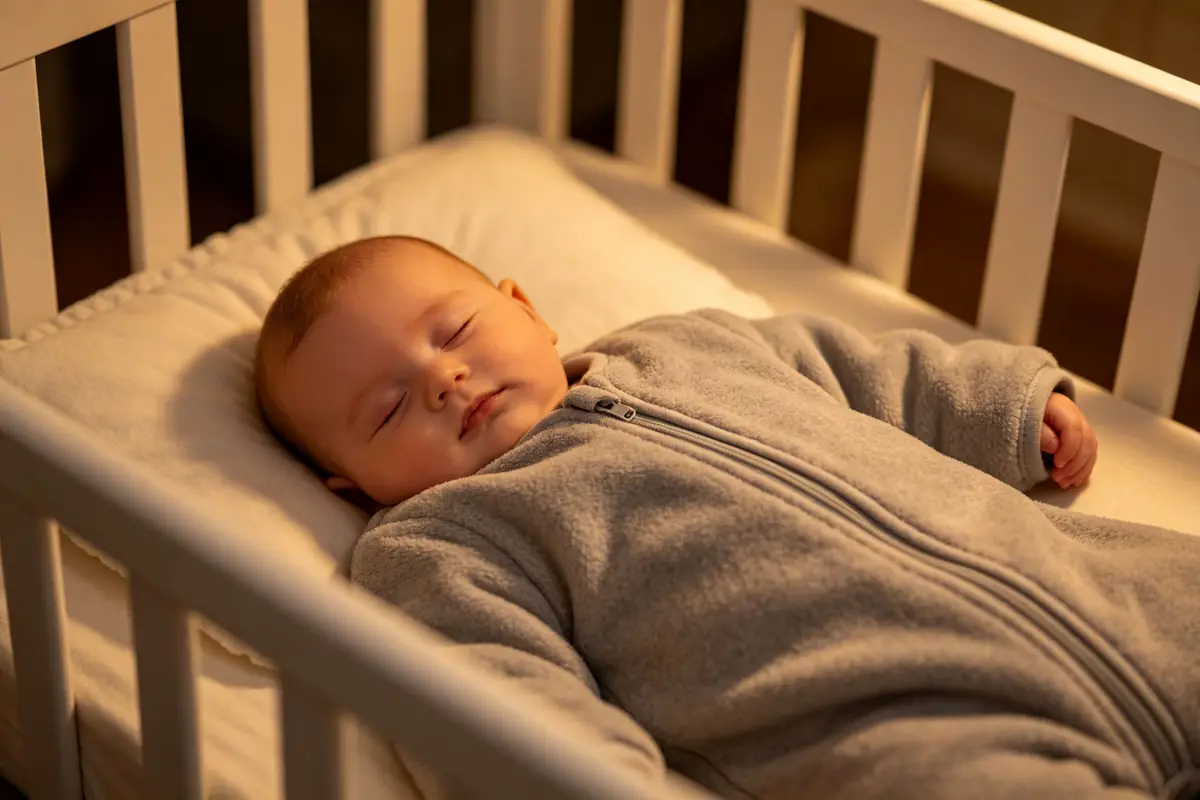
The baby sleep sack (also called wearable blanket or sleep bag) market is one of the fastest-growing segments in the baby bedding industry, driven by increasing awareness of safe sleep practices and the AAP recommendation against loose blankets in the crib.Public estimates for this market differ widely by source and by scope, so we do not quote a market size or a growth rate here. What we can speak to is the direction: demand for biodegradable and plastic-free wipe formats is rising across the region, and we would rather help you size one market from figures you can verify than publish a number we cannot source. In tropical climates, the availability of lightweight, breathable sleep sacks has made them a viable year-round option, replacing blankets that pose a suffocation risk. This article examines the market landscape, TOG ratings, fabric options, key features, leading brands, and what parents should consider when looking to buy a baby sleep sack online.
Market Overview: Safe Sleep Drives Sleep Sack Adoption
The American Academy of Pediatrics recommends that babies sleep on a firm, flat surface with no loose bedding, pillows, bumper pads, or stuffed animals — because these items increase the risk of suffocation and SIDS (sudden infant death syndrome). A sleep sack is a wearable blanket that replaces loose blankets in the crib, providing warmth without the risk of the fabric covering the baby's face. The market has grown rapidly as pediatricians and safe sleep organizations increasingly recommend sleep sacks as the safest way to keep babies warm while they sleep. Additional drivers include: the transition from swaddling (once babies start rolling, typically around 3-4 months, swaddling must stop, and sleep sacks are the natural next step); the popularity of sleep sacks as a sleep cue (the consistent bedtime routine of putting on a sleep sack signals to the baby that it is time to sleep); and the growing range of designs, fabrics, and TOG ratings that make sleep sacks suitable for all climates. In Southeast Asia, where air conditioning is common in urban homes but temperatures remain warm year-round, lightweight sleep sacks with low TOG ratings are particularly popular. The market also benefits from the fact that sleep sacks are practical for diaper changes — many designs have zippers that open from the bottom, allowing parents to change diapers without fully undressing the baby.
Understanding TOG Ratings for Different Climates
TOG (Thermal Overall Grade) is a unit of measurement that indicates the thermal insulation or warmth of a sleep sack. Understanding TOG ratings is essential for choosing the right sleep sack for your climate and nursery temperature. 0.5 TOG is the lightest rating, ideal for very warm rooms (24-27°C / 75-81°F) or summer use in tropical climates. These are typically made of single-layer muslin or lightweight cotton. 1.0 TOG is a light-to-medium weight, suitable for rooms around 20-24°C (68-75°F) — this is the most versatile rating for air-conditioned nurseries in Southeast Asia or spring/fall use in temperate climates. 2.5 TOG is a medium weight, suitable for cooler rooms (16-20°C / 61-68°F) or winter use. These are typically padded or made of thicker fabrics like fleece or quilted cotton. 3.5 TOG is the warmest rating, for cold rooms below 16°C (61°F) — rarely needed in tropical Southeast Asia but useful for high-altitude or heavily air-conditioned spaces. For parents in Southeast Asia, a 0.5 TOG or 1.0 TOG sleep sack is usually sufficient for most of the year, with a 2.5 TOG option for air-conditioned nurseries kept at very low temperatures or for travel to cooler destinations. It is important to dress your baby appropriately under the sleep sack based on the TOG rating and room temperature — a common guideline is: 0.5 TOG = short-sleeve onesie, 1.0 TOG = long-sleeve onesie, 2.5 TOG = long-sleeve pajamas or onesie with footed pants. Always check your baby's neck or chest to ensure they are not overheating — they should feel warm but not sweaty or hot to the touch.
Fabric Options: Cotton, Bamboo, Merino Wool, and Fleece
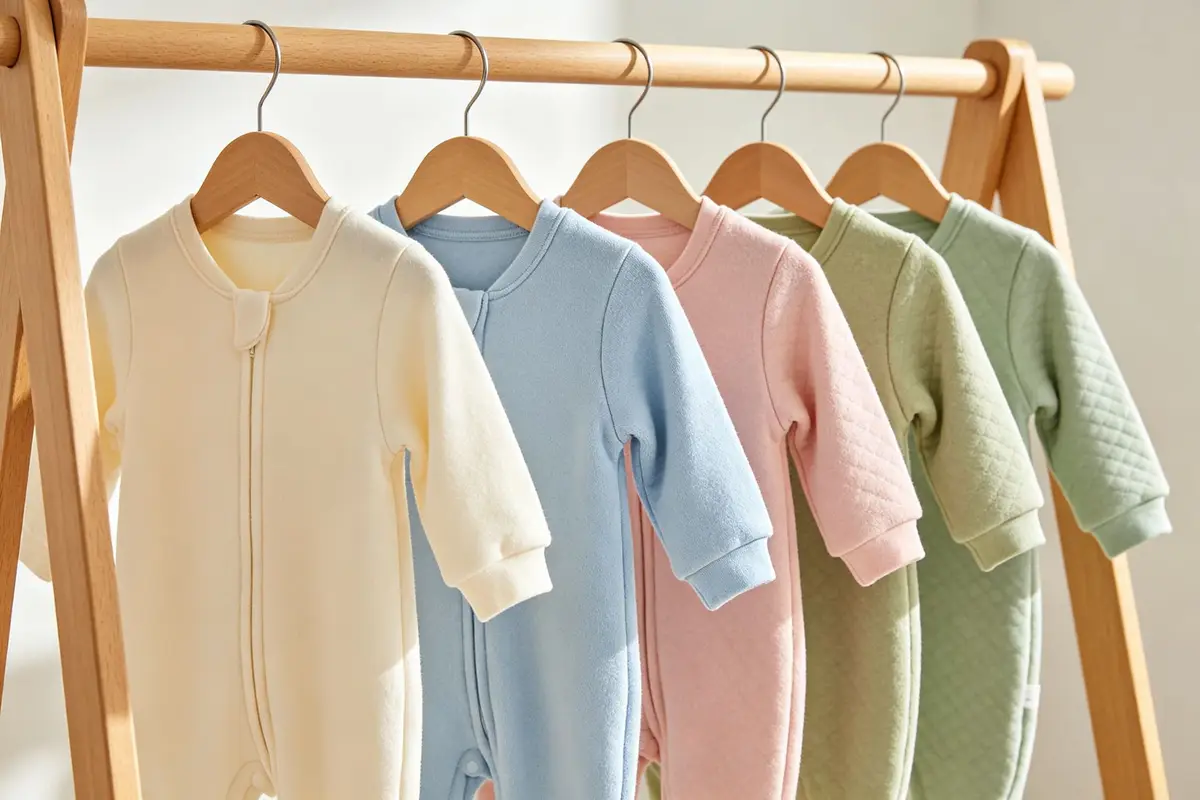
Sleep sacks are available in a variety of fabrics, each with different properties. Cotton is the most common and affordable fabric, valued for its breathability, softness, and ease of care. Organic cotton is increasingly popular for parents concerned about chemical exposure. Cotton sleep sacks are available in all TOG ratings, from lightweight muslin (0.5 TOG) to quilted (2.5 TOG). Bamboo rayon is the fastest-growing fabric option, valued for its exceptional softness (softer than cotton), natural antibacterial and hypoallergenic properties, moisture-wicking ability, and thermal regulation (cool in warm weather, warm in cool weather). Bamboo sleep sacks are particularly popular in tropical climates and for babies with sensitive skin or eczema. Merino wool is a premium option, valued for its natural temperature regulation (it keeps babies warm when cold and cool when hot), moisture-wicking, and flame-resistant properties (without chemical treatments). Merino wool sleep sacks are popular in cooler climates but can also work in air-conditioned environments. They are more expensive and require special care (hand wash or wool cycle). Fleece (polyester microfleece) is a warm, affordable option for cooler temperatures, valued for its softness and quick-drying properties. However, fleece is not as breathable as natural fibers and may cause overheating in warm climates — it is best reserved for 2.5 TOG+ ratings in cool rooms. For Southeast Asia, cotton muslin (0.5 TOG) and bamboo (0.5-1.0 TOG) are the most practical and comfortable options. Always look for OEKO-TEX Standard 100 or GOTS (Global Organic Textile Standard) certification to ensure the fabric is free of harmful chemicals.
Key Features, Brands, and Buying Guide
When buying a sleep sack, parents should consider: Zipper design — a two-way zipper (zippers from top and bottom) is ideal for easy diaper changes without fully undressing the baby. Some designs also have zipper covers at the chin to prevent irritation. Sleeve options — sleeveless sleep sacks are the most common and versatile, allowing parents to layer clothing underneath based on temperature. Long-sleeve options are available for cooler climates but reduce layering flexibility. Size and fit — sleep sacks should fit snugly around the chest and neck (with no risk of the baby slipping inside) but have plenty of room in the leg area for healthy hip development (look for the "hip healthy" designation from the International Hip Dysplasia Institute). Sizes are typically by age: 0-6 months, 6-12 months, 12-18 months, 18-24 months, and toddler sizes (2T-4T). Neck opening — should be snug enough that the baby cannot pull the sleep sack over their face, but not so tight that it restricts breathing. Ease of care — machine-washable and dryer-safe is essential for busy parents. Leading brands in the sleep sack market include Halo (the market leader, known for its SleepSack line with a wide range of TOG ratings and the SleepSack Swaddle for newborns), Kyte Baby (premium bamboo sleep sacks known for exceptional softness and stylish colors), Burt's Bees Baby (affordable organic cotton sleep sacks), Dreamland Baby (weighted sleep sacks for babies who need extra comfort), and Woolino (premium merino wool sleep sacks that work across a wide temperature range). Pricing ranges from $15-25 for basic cotton sleep sacks to $30-60 for premium bamboo or organic options, and $60-100+ for merino wool or designer brands. For parents in Southeast Asia looking to buy a baby sleep sack online, Shopee and Lazada offer a growing selection, with local and regional brands providing affordable options suited to tropical climates. Parents can also find premium baby care products at Moni Happy's online store. For distributors and retailers, the sleep sack category offers strong growth potential, with high repeat purchase rates as babies outgrow sizes and parents buy multiple for different temperatures. Businesses interested in premium baby product distribution can learn more at Moni Happy's partner page.