
2026-10-09 · Moni Happy Editorial Team
Buy Baby Swim Diapers Online: 2026 Southeast Asia Market Guide
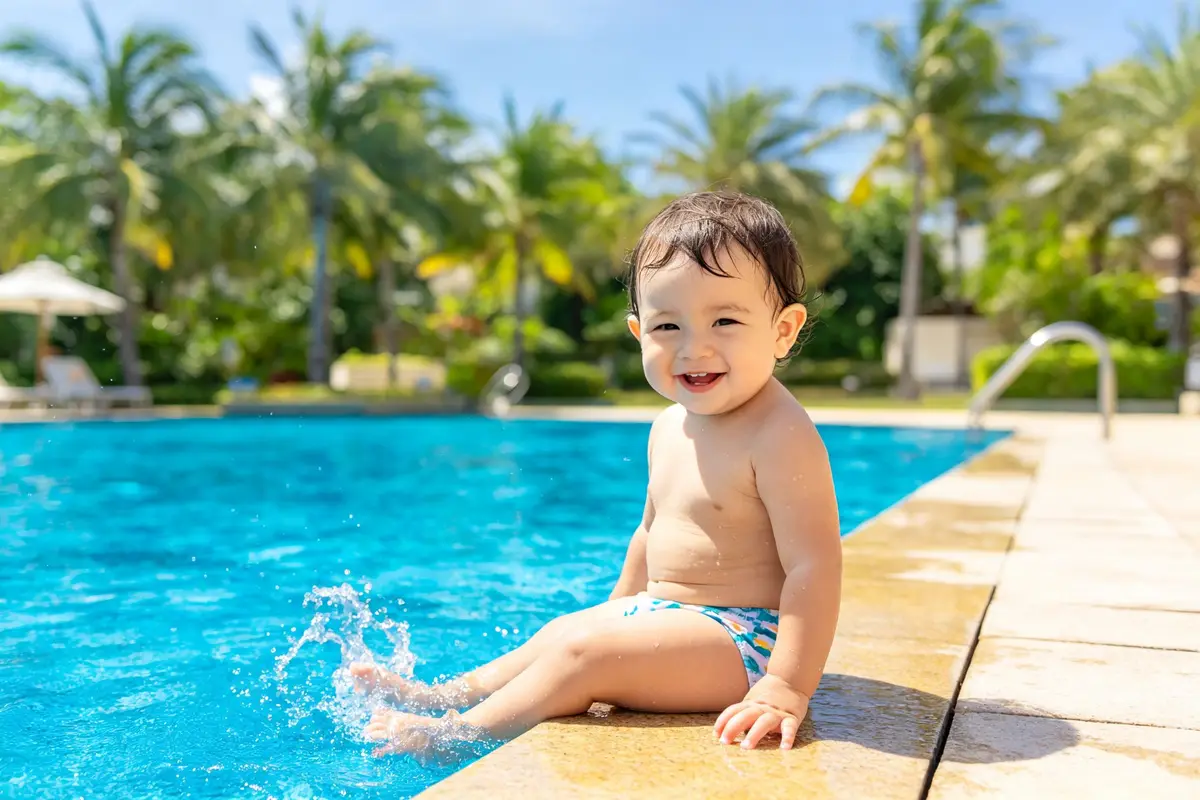
As swimming becomes an increasingly popular activity for families across Southeast Asia — driven by the region's tropical climate, growing resort culture, and rising participation in infant swimming programs — the demand for baby swim diapers has surged. For parents looking to buy baby swim diapers online, the 2026 market offers a diverse range of options, from disposable swim diapers designed for single-use convenience to reusable swim diapers made from eco-friendly, quick-drying materials. Growth projections for this category vary widely by source, and we cannot stand behind any single figure, so we do not quote one. What is not in dispute is the direction: demand in this category is growing in the Southeast Asian markets we already ship to.
Market Overview: Why Swim Diapers Are Essential
Baby swim diapers are specially designed diapers intended for use in swimming pools, beaches, water parks, and other aquatic environments. Unlike regular diapers, which are designed to absorb liquid and swell significantly when wet, swim diapers are designed to contain solid waste (feces) without absorbing large amounts of water — this prevents the diaper from becoming heavy, sagging, or leaking when submerged. Most public swimming pools and baby swimming programs require babies who are not yet toilet-trained to wear swim diapers, as they help maintain pool hygiene and prevent fecal contamination, which can lead to pool closures and the spread of waterborne illnesses. In Southeast Asia, where swimming is a popular family activity and infant swimming classes are increasingly common, swim diapers have become an essential baby care item for families with young children.
The baby swim diapers market is segmented by type: disposable swim diapers (accounting for approximately 60% of market share, valued for their convenience and single-use hygiene) and reusable swim diapers (the fastest-growing segment, with year-over-year growth exceeding 12%, driven by environmental concerns, cost savings, and improved product design). The market is also segmented by distribution channel, with online retail being the fastest-growing channel — e-commerce sales of baby swim diapers in Southeast Asia grew by approximately 28% in 2025, as parents increasingly turn to online platforms for the convenience of home delivery, access to a wider range of brands and styles, and the ability to compare prices and read customer reviews. For parents looking to buy baby care products online, swim diapers are a category where online shopping offers particular advantages, including access to specialized brands that may not be available in local retail stores.
Disposable vs Reusable Swim Diapers: A 2026 Comparison
The choice between disposable and reusable swim diapers is the first decision parents face, and each type has distinct advantages and disadvantages. Disposable swim diapers are designed for single use and are typically made from a combination of absorbent materials and a waterproof outer layer. Their key advantages include: convenience (no washing required — simply dispose after use, making them ideal for travel, vacations, and occasional swimming), hygiene (single-use eliminates the need to handle and clean soiled diapers), availability (disposable swim diapers are widely available in supermarkets, pharmacies, and online retailers throughout Southeast Asia), and leak protection (premium disposable swim diapers feature snug leg cuffs and waistbands that provide reliable containment of solid waste). The main disadvantages are the ongoing cost (disposable swim diapers typically cost $0.50-$1.50 each, which can add up for families who swim frequently), and the environmental impact of single-use products. It's also important to note that disposable swim diapers should NOT be worn under regular diapers or used as regular diapers — they are designed specifically for swimming and do not provide adequate absorbency for everyday use.
Reusable swim diapers, by contrast, are designed to be washed and reused multiple times, and are typically made from a combination of quick-drying, water-resistant materials such as nylon, polyester, or PUL (polyurethane laminate), with an inner mesh layer that helps contain solid waste. Their key advantages include: significant cost savings over time (a single reusable swim diaper can be used for an entire swimming season or longer, and many are adjustable to grow with the baby from 3 months to 3 years), environmental friendliness (no disposable waste), comfort and style (reusable swim diapers come in a wide range of colors, prints, and designs, and many feature UPF sun protection for outdoor swimming), and a snug, customizable fit (most reusable swim diapers feature adjustable snaps or Velcro closures that allow parents to achieve a secure, leak-proof fit for babies of different sizes). The main disadvantages are the need for washing (reusable swim diapers must be rinsed and washed after each use, which can be inconvenient, especially when traveling), and generally lower availability in local retail stores (though they are widely available online). For many parents, the best approach is to own 2-3 reusable swim diapers for regular use at home or local pools, and to keep a pack of disposable swim diapers on hand for travel, vacations, and occasions where washing facilities are not available. Parents looking for quality baby pants and swim products can find options designed for comfort, leak protection, and ease of use.
Key Features to Look for in 2026 Baby Swim Diapers
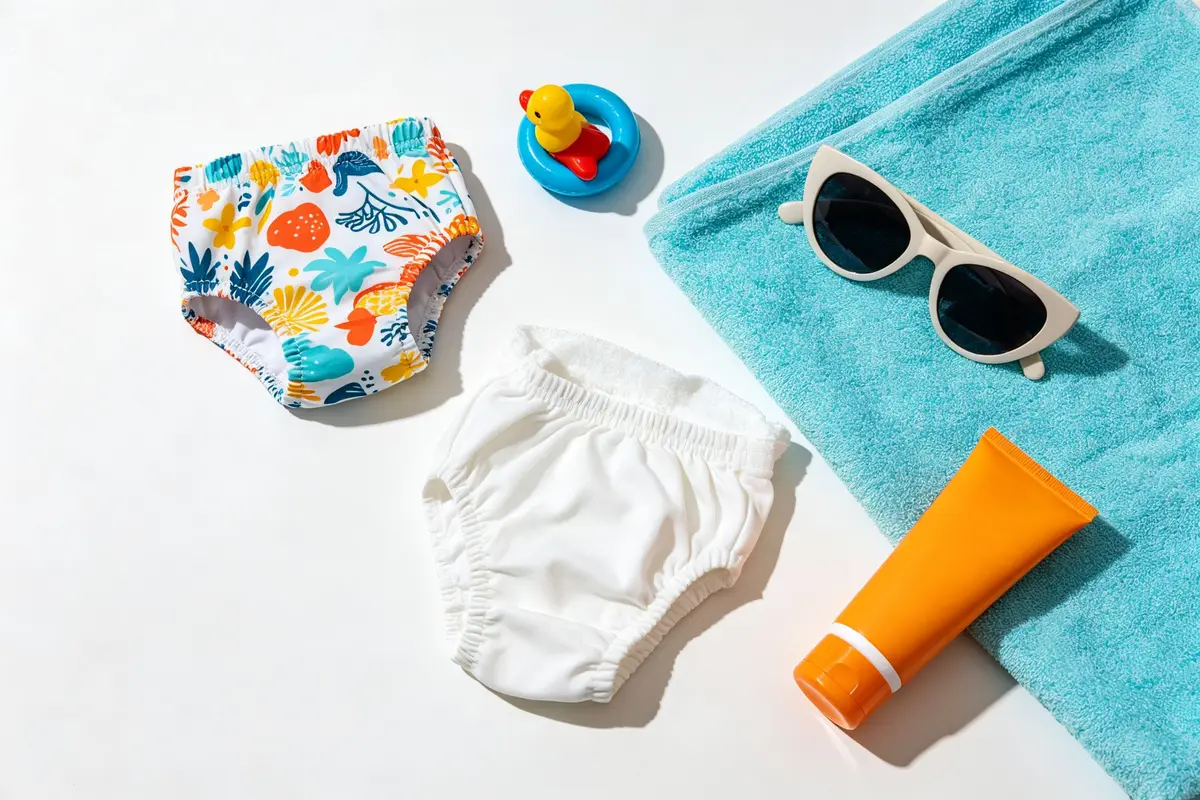
As the baby swim diapers market matures, manufacturers are differentiating their products with advanced features designed for comfort, safety, and performance in aquatic environments. The most sought-after features in 2026 models include: snug, stretchy leg cuffs and waistbands (the most important feature for leak protection — well-designed cuffs create a seal around the baby's legs and waist that prevents solid waste from escaping into the pool, while still allowing for comfortable movement), adjustable sizing (snaps or Velcro closures that allow the swim diaper to be adjusted for a custom fit as the baby grows — many reusable swim diapers are designed to fit babies from 3 months to 3 years with multiple size settings), quick-drying, water-resistant materials (nylon, polyester, or PUL outer layers that do not absorb water or become heavy when submerged, and that dry quickly after use), UPF sun protection (many 2026 swim diapers feature built-in UPF 50+ sun protection, which is particularly valuable for outdoor swimming, beach trips, and poolside activities in tropical Southeast Asia where sun protection is essential), and easy-clean design (reusable swim diapers with smooth, non-porous inner surfaces that are easy to rinse clean, and that are machine-washable for convenient care).
Another important trend in the 2026 baby swim diapers market is the integration of swim diapers with other swimwear components. Many brands now offer one-piece baby swimsuits with built-in swim diapers, which provide the convenience of a single garment that combines sun protection, coverage, and leak containment. These all-in-one swimsuits are particularly popular for infant swimming classes and beach trips, as they eliminate the need to layer a separate swim diaper under a swimsuit. Some brands also offer swim diapers with attached rash guard tops or swim skirts, creating coordinated swim outfits that provide full-body sun protection. For disposable swim diapers, key innovations include improved stretch panels for a more underwear-like fit, wetness indicators that change color when the diaper is soiled, and biodegradable materials that reduce environmental impact. For parents, the most important factors in choosing a swim diaper are: a secure, leak-proof fit (the primary function of a swim diaper is to contain solid waste), comfort and freedom of movement (babies should be able to kick and move their legs freely), ease of use (easy to put on and take off, especially when wet), and appropriate sizing (a swim diaper that is too loose may leak, while one that is too tight may be uncomfortable and leave red marks on the baby's skin). For retailers and distributors, offering a comprehensive range of swim diapers — including both disposable and reusable options, multiple sizes, and a variety of styles and designs — is key to meeting the diverse needs of families with young children. Businesses interested in carrying premium baby swim and water safety products should explore distribution partnership opportunities with established baby care brands.
Southeast Asia Market Trends and the Rise of Baby Swimming
The baby swim diapers market in Southeast Asia is being driven by several notable trends in family lifestyle and consumer behavior. First, infant swimming programs — also known as "baby swimming" or "parent-child swimming" classes — have experienced explosive growth across the region, particularly in urban centers like Singapore, Kuala Lumpur, Bangkok, Jakarta, and Manila. These classes, which typically begin when babies are 3-6 months old, focus on water safety, comfort in the water, and early swimming skills, and they require babies to wear swim diapers as a condition of participation. The growth of these programs has created a steady, recurring demand for swim diapers, as attending families typically need 1-2 swim diapers per class per week. Second, the expansion of water parks, family-friendly resorts, and beach tourism across Southeast Asia has increased the number of opportunities for families to swim with their babies, further driving demand for swim diapers. Third, growing awareness of water safety and drowning prevention — particularly in regions with abundant water resources and high rates of childhood drowning — has encouraged parents to introduce their babies to water at an early age, increasing the use of swim diapers.
Consumer behavior in the Southeast Asian baby swim diapers market is also evolving. E-commerce is the dominant and fastest-growing channel, with online platforms offering the convenience of home delivery, subscription replenishment options (for disposable swim diapers), and access to specialized international brands that may not be available locally. Live commerce and social media marketing are particularly effective for swim diapers, as parents can see the product's fit, coverage, and features demonstrated in real-time, and can ask questions of sellers and influencers. Price sensitivity varies across the region — in higher-income markets like Singapore, premium reusable swim diapers and branded disposable options are popular, while in lower-income markets like Indonesia, Vietnam, and the Philippines, value-priced disposable swim diapers and bulk packs are more common. Climate is another important factor — in tropical Southeast Asia, where swimming is a year-round activity (rather than a seasonal activity as in temperate climates), demand for swim diapers is consistent throughout the year, with peaks during school holidays and festive seasons when families are more likely to travel and visit water parks. For parents looking to buy baby swim diapers online in Southeast Asia, the key is to choose a swim diaper that fits well, provides reliable leak protection, is appropriate for the intended use (pool, beach, water park, or swimming class), and offers good value for money. Whether you opt for the convenience of disposable swim diapers or the sustainability and cost savings of reusable options, the most important thing is to ensure that your baby is comfortable, protected, and safe in the water.
Future Outlook and Growth Opportunities
Looking ahead, the baby swim diapers market is expected to continue its strong growth trajectory through 2026 and beyond. Several structural factors support this outlook: the growing popularity of infant swimming programs and water safety education across Southeast Asia and other emerging markets; the expansion of water parks, family resorts, and beach tourism, particularly in tropical regions; rising disposable incomes and urbanization, which increase participation in recreational activities and demand for specialized baby care products; growing awareness of pool hygiene and the importance of swim diapers in preventing fecal contamination; and continued product innovation, including improved materials, better fit and comfort, integrated UPF protection, and eco-friendly options. The reusable swim diapers segment is expected to grow particularly fast, driven by environmental concerns, cost savings, and improved product design that addresses historical limitations of reusable options. The all-in-one swimsuit-with-built-in-swim-diaper segment is also expected to grow, as parents seek convenient, coordinated swimwear solutions for their babies.
For brands, retailers, and distributors, the key opportunities in this market include: developing innovative swim diaper designs that address unmet needs (such as improved leak protection, better comfort for active babies, and integrated sun protection); leveraging digital marketing, social media, and live commerce to provide educational content about water safety, baby swimming, and swim diaper selection — content that builds trust and drives purchase decisions; offering subscription and auto-replenishment models for disposable swim diapers, which increase customer lifetime value and reduce the hassle of repeated purchasing; building partnerships with infant swimming schools, water parks, and family resorts to create distribution channels and build brand awareness; and ensuring product availability across multiple channels — including supermarkets, pharmacies, baby specialty stores, sports retailers, and e-commerce platforms — to meet parents wherever they prefer to shop. For parents, the growing market means there has never been a better time to find swim diapers that fit their baby well, suit their lifestyle and budget, and provide the protection and comfort needed for safe, enjoyable swimming experiences. Whether you're heading to the local pool for a baby swimming class, planning a beach vacation, or visiting a water park with the family, the right swim diaper is an essential item that helps keep your baby comfortable, the pool clean, and everyone safe in the water.