
2026-10-09 · Moni Happy Editorial Team
Buy Baby Wipes Bulk: Southeast Asia Market & Wholesale Guide
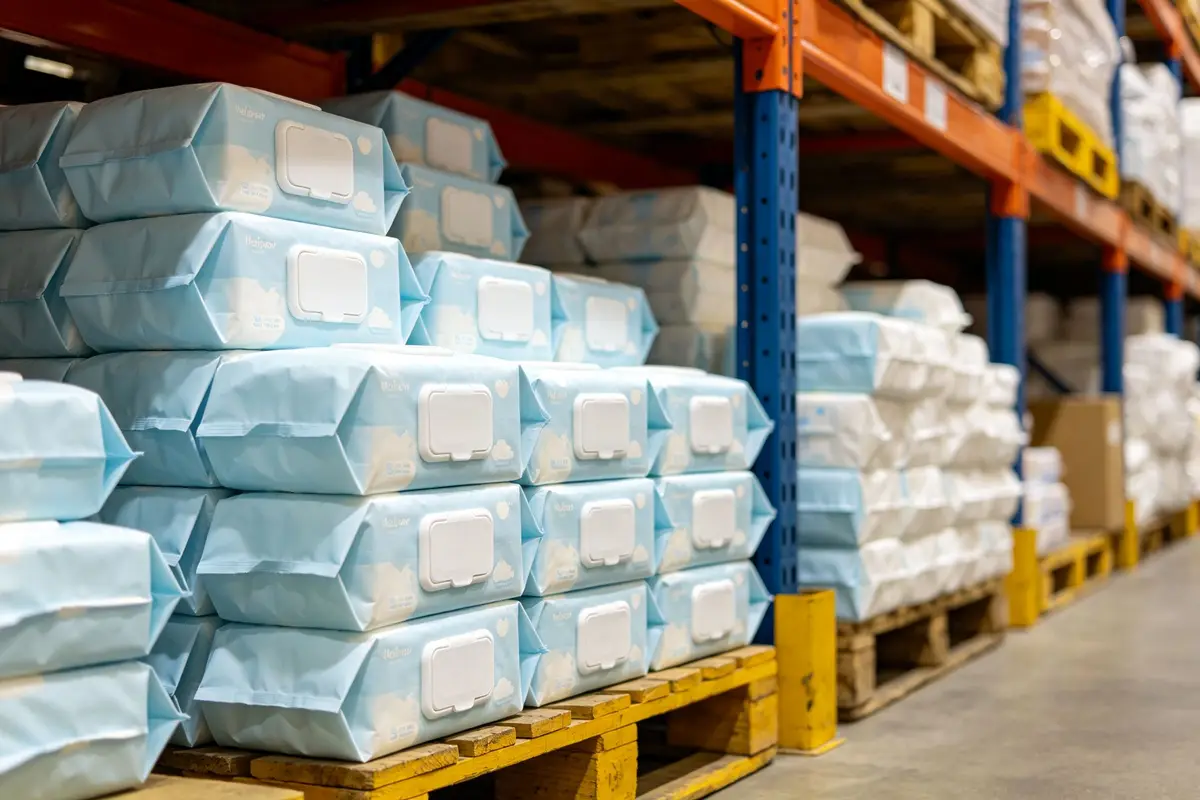
For parents of babies and toddlers, baby wipes are not just a convenience — they're an essential daily necessity, used for everything from diaper changes to messy hands to cleaning up spills on the go. With the average baby going through an estimated 2,000-3,000 wipes in the first year alone (and even more in the toddler years), it's no wonder that more and more parents are looking to buy baby wipes bulk to save money and ensure they never run out.We are not going to quote a market size or growth rate for this category: published estimates for this market differ by an order of magnitude depending on the source and on whether the scope is diapers only or all baby care, and we cannot stand behind any of them. What is not in dispute is the direction of travel — demand in this category is growing in the markets we already ship to. If you need a sized market for a specific country, we will help you build the estimate from figures you can verify rather than quote you one.
Market Overview: The Rise of Bulk and Value Purchasing
Several trends are driving the growth of the bulk baby wipes segment across Southeast Asia and globally. First, economic uncertainty and rising cost of living have made price-consciousness a top priority for many families, leading them to seek better value through bulk purchasing, warehouse club shopping, and comparison shopping. Baby wipes are a non-perishable (or rather, long-shelf-life) essential that parents know they will need continuously, making them an ideal candidate for bulk buying — unlike perishable goods, there's little risk of waste if stored properly.
Second, the growth of e-commerce has made bulk purchasing more accessible and convenient. In the past, buying bulk meant a trip to a warehouse club with a membership fee and a large car to transport bulky cases. Today, parents can buy baby wipes bulk online with just a few clicks, and have them delivered directly to their door — often with free shipping for orders above a certain threshold. E-commerce platforms like Shopee, Lazada, and TikTok Shop in Southeast Asia offer a wide range of bulk options, from multi-packs (3-6 packs bundled together) to full cases (8-12 packs), with frequent promotions and flash sales that drive prices even lower. COD (cash on delivery) remains the dominant payment method in Indonesia, Vietnam, and the Philippines, lowering the barrier to bulk purchasing for families without credit cards.
Third, the subscription economy has reached the baby wipes category, with many brands and retailers offering subscription services that deliver wipes regularly (monthly or bi-monthly) at a discounted price — typically 5-15% off the regular price, with the convenience of never running out. Subscription models also allow brands to build recurring revenue and customer loyalty, while offering consumers cost savings and convenience. Fourth, the COVID-19 pandemic accelerated the trend toward stockpiling essentials, as lockdowns and supply chain disruptions made parents wary of running out of daily necessities. While the panic-buying phase has passed, the habit of buying in bulk and keeping a stockpile of essentials has persisted for many families.
The Economics of Bulk: How Much Can You Actually Save?
The savings from buying baby wipes in bulk can be significant, but the actual amount depends on the brand, pack size, and where you buy. As a general rule, bulk packs or cases offer 20-40% savings per wipe compared to buying single packs at retail. To calculate the true value, always look at the per-wipe cost — divide the total price by the total number of wipes. For example, a single pack of 80 premium wipes might cost $2.50 ($0.031 per wipe), while a bulk case of 864 wipes (12 packs of 72) might cost $18.00 ($0.021 per wipe), representing a savings of about 32% — or roughly $0.01 per wipe. For a family using 50 wipes per day, that's $0.50 per day, $15 per month, or $180 per year in savings — enough to buy several months' worth of diapers or other baby essentials.
However, not all "bulk" or "value" packs are actually better value. Some manufacturers create special "value" packs that contain fewer wipes per pack or use thinner materials, and the per-wipe cost may not be significantly lower than regular packs. Always do the math: total price divided by total number of wipes. Also consider the quality — buying a large quantity of wipes that are too thin, too dry, or irritating to your baby's skin is false economy, as you'll end up using more wipes per change (because thin wipes tear or don't clean effectively) or dealing with skin irritation that requires additional products. It's always a good idea to try a single pack of a new brand before committing to a bulk purchase, and to read reviews from other parents to get a sense of the wipe quality, thickness, and moisture level.
Where to Buy Baby Wipes Bulk in Southeast Asia
In Southeast Asia, parents have several options for buying baby wipes in bulk, each with its own advantages:
- E-commerce platforms (Shopee, Lazada, TikTok Shop): Often offer the best prices, especially during flash sales and promotional events (9.9, 10.10, 11.11, 12.12). Official brand flagship stores offer authentic products and exclusive bulk packaging. COD is widely available. The main advantage is price and convenience — compare prices across sellers, use voucher codes, and have bulk orders delivered to your door.
- Hypermarkets and warehouse clubs: Stores like Giant, Tesco/Lotus's, Makro, and Costco (where available) offer good bulk prices, especially during sales, and allow you to see and feel the product before buying. The main advantage is immediacy — you can take the wipes home the same day — and the ability to compare products in person. Membership-based warehouse clubs may offer the lowest prices but require an annual membership fee.
- Pharmacy chains (Watsons, Guardian): Often offer multi-buy promotions (e.g., "buy 3 get 1 free" or "20% off when you buy 2+"), though their regular prices may be higher than hypermarkets or e-commerce. The advantage is convenience — pharmacies are widely available and often located in malls and residential areas — and the ability to earn loyalty points.
- Brand official stores and websites: Many brands offer exclusive bulk packaging and subscription discounts through their official online stores or websites. Buying directly from the brand ensures authenticity and may offer the best subscription pricing, though selection may be limited to the brand's own products.
- Social commerce and group buying: In some Southeast Asian markets, group buying platforms and community-based group buys (through WhatsApp groups, Facebook communities, or local neighborhood groups) can offer significant bulk discounts by pooling orders from multiple families. This is especially popular in Indonesia and Thailand, where community-based commerce is strong.
For the best value, experts recommend comparing prices across multiple platforms, timing purchases around major sales events, using voucher codes and cashback offers, and considering subscription services for regular delivery. For families looking to buy baby wipes bulk, Moni Happy's premium baby wipes are available in multi-pack and bulk options through the brand's official online channels across Southeast Asia, with COD support and frequent promotional offers. For families looking to shop baby care products Southeast Asia, the brand's complete range offers quality and value in every category.
Distribution and Brand Strategy for the Bulk Segment
For brands looking to capture the growing bulk baby wipes segment in Southeast Asia, several strategic considerations are critical. First, packaging and pricing architecture — brands should offer a tiered range of pack sizes (single, 3-pack, 6-pack, full case) with clear per-wipe savings at each tier, making the value proposition obvious to consumers. Bulk packs should feature resealable packaging or include a dispenser/tub for convenience. Second, e-commerce optimization — bulk packs perform exceptionally well on e-commerce platforms, so brands should optimize their listings with clear per-wipe pricing, comparison charts, bundle deals, and subscription options. Influencer partnerships with parenting content creators — particularly "baby budget tips" and "how I save money on baby essentials" content — are highly effective for driving bulk purchases. Third, retail channel strategy — while e-commerce dominates bulk sales, hypermarkets and warehouse clubs remain important for consumers who prefer to see and compare products in person, and for immediate needs. Brands should ensure their bulk packs are available in both online and offline channels, with consistent pricing and promotions. For brands and distributors interested in expanding their footprint, Moni Happy's distributor partnership program provides access to established retail channels, logistics infrastructure, and localized marketing support across the region.
Future Outlook
The bulk baby wipes segment is poised for continued growth, driven by economic uncertainty, e-commerce expansion, and the rise of subscription models. Innovation will focus on even larger and more convenient bulk packaging (like resealable refill pouches that reduce plastic waste), subscription models with flexible delivery schedules and personalized recommendations, eco-friendly bulk options (biodegradable wipes in compostable packaging), and smart packaging that tracks usage and alerts parents when it's time to reorder. As the market evolves, brands that combine genuine per-wipe value, consistent quality, compelling digital content, and omnichannel availability will lead the bulk segment. For parents, buying baby wipes bulk remains one of the simplest and most effective ways to save money on baby essentials — as long as they do the math, try before they buy in bulk, and store wipes properly to maintain quality. With the right approach, bulk buying can save families hundreds of dollars per year while ensuring they never run out of this essential baby product.
Frequently Asked Questions
Is it cheaper to buy baby wipes in bulk?
Yes, buying baby wipes in bulk is almost always cheaper per wipe than buying individual packs. The savings can be significant — bulk packs or cases of 8-12 packs typically cost 20-40% less per wipe than buying single packs at retail. For example, a single pack of 80 wipes might cost $2-3 ($0.025-0.038 per wipe), while a bulk case of 864 wipes might cost $15-20 ($0.017-0.023 per wipe), representing savings of 30-40%. For families using 6-10 wipes per diaper change and 6-10 changes per day (that's 36-100 wipes per day!), the savings add up quickly. However, it's important to calculate the per-wipe cost rather than just the total price, as some 'bulk' packs are not actually better value. Also consider storage space — bulk wipes take up significant room, and wipes have a shelf life (usually 2-3 years unopened, though the moisture can evaporate over time if not properly sealed).
Where is the best place to buy baby wipes in bulk in Southeast Asia?
In Southeast Asia, the best places to buy baby wipes in bulk depend on your location and preferences. E-commerce platforms like Shopee, Lazada, and TikTok Shop often offer the best bulk deals, with frequent promotions, flash sales, and voucher codes that can significantly reduce the price. Many brands also offer official flagship stores on these platforms with exclusive bulk packaging and subscription discounts. Hypermarkets and warehouse clubs (like Costco, Makro, or Giant in various Southeast Asian countries) often offer good bulk prices, especially during sales events, and allow you to see and compare products in person. Pharmacy chains (Watsons, Guardian) sometimes offer multi-buy promotions, though their regular prices may be higher. For the best value, compare prices across platforms, look for bundle deals and subscription options, and time your purchases around major sales events (like 9.9, 10.10, 11.11, 12.12 sales) when discounts are deepest. For families looking to buy baby wipes bulk, <a href='https://moni-happy.com/wipes/'>Moni Happy's premium baby wipes</a> are available in multi-pack and bulk options through the brand's official online channels across Southeast Asia.
What should I look for when buying baby wipes in bulk?
When buying baby wipes in bulk, there are several factors to consider beyond just price. First, check the per-wipe cost (divide total price by total number of wipes) to ensure you're actually getting a good deal — some 'value' packs are not better value per wipe. Second, consider the wipe quality — buying a large quantity of wipes that are too thin, too dry, or irritating to your baby's skin is false economy. Read reviews and, if possible, try a single pack first before committing to a bulk purchase. Third, check the expiration date or manufacturing date — wipes have a shelf life, and buying too large a quantity means they may dry out or expire before you use them. A good rule of thumb is to buy no more than a 2-3 month supply at a time. Fourth, consider storage — bulk wipes take up significant space, so make sure you have a cool, dry place to store them (avoid hot, humid areas that can cause mold or drying). Fifth, check the packaging — look for resealable packs or flip-top lids that keep wipes moist, and consider whether the bulk pack includes a tub or dispenser for convenience.
Are there any downsides to buying baby wipes in bulk?
While buying baby wipes in bulk offers significant cost savings, there are some potential downsides to consider. First, storage space — bulk wipes take up significant room, which can be a challenge in smaller homes or apartments. Second, expiration and drying — wipes have a shelf life of 2-3 years unopened, but once opened they should be used within a few months to prevent drying out. Buying too large a quantity means some packs may sit unused for long periods and may dry out or lose quality. Third, commitment — if you buy a large bulk quantity of a particular brand and your baby develops a sensitivity or you find you don't like the wipes, you're stuck with them. It's always best to try a single pack first before committing to bulk. Fourth, environmental impact — while this applies to all disposable wipes, buying in bulk means you're committing to a large quantity of single-use disposable products. If environmental impact is a concern, consider biodegradable wipes or cloth wipes as an alternative. Fifth, upfront cost — while bulk saves money long-term, the upfront cost is higher, which may be a barrier for some families. Many brands offer subscription services that spread the cost and deliver regularly, which can be a good middle ground.
Distributor resources
If you are evaluating suppliers for your market, these are the pages that answer the commercial questions — in the order buyers usually need them.