
2026-09-02 · Moni Happy Editorial Team
Buy Baby Wipes Bulk: Wholesale & Bulk Buying Guide for Parents & Businesses 2026
Buy Baby Wipes Bulk: Wholesale & Bulk Buying Guide for Parents & Businesses 2026
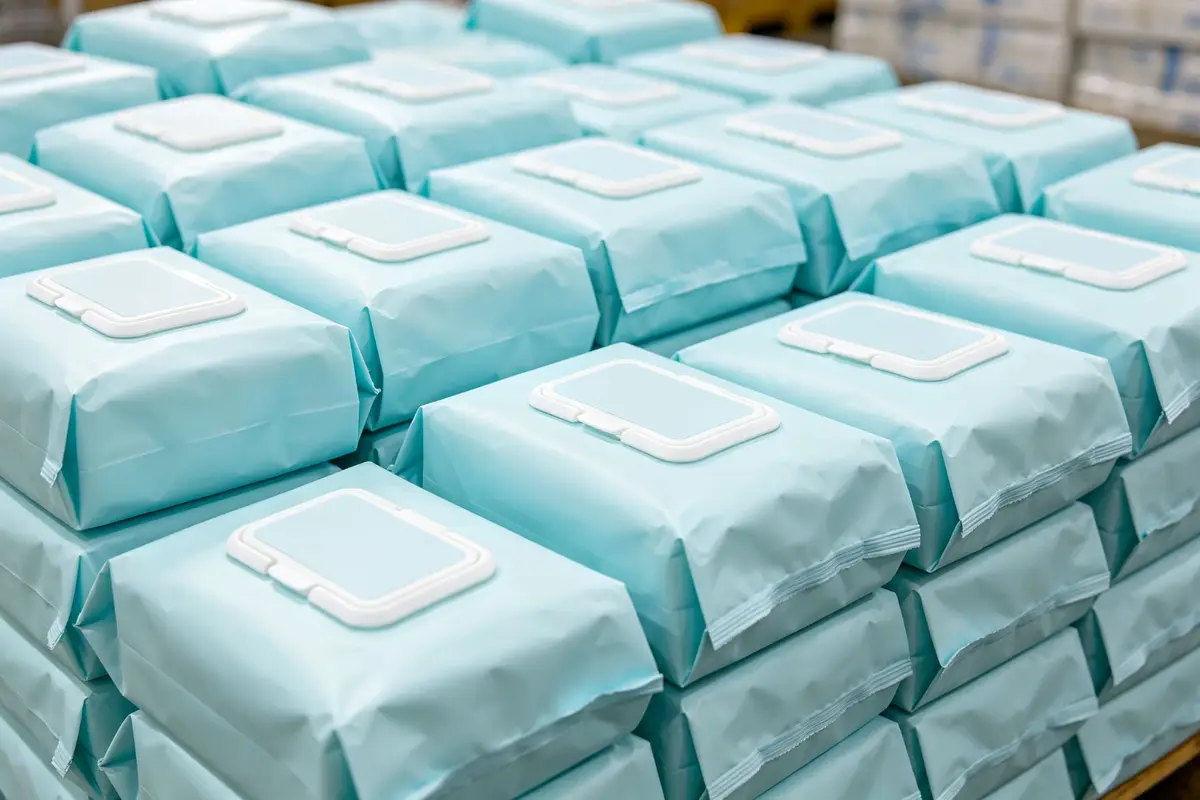
If there's one baby essential that parents never seem to have enough of, it's baby wipes. Between diaper changes, messy hands, sticky faces, spilled snacks, and unexpected messes on the go, the average baby goes through 2,000-3,000 wipes in their first year alone. That's why more and more parents across Southeast Asia are choosing to buy baby wipes bulk, saving money while ensuring they never run out. The bulk baby wipes market in Southeast Asia has grown 24% year-over-year in 2025, driven by rising awareness of cost savings, the growth of e-commerce bulk purchasing, and the increasing number of businesses (daycares, restaurants, hotels, and retailers) looking for wholesale baby wipe suppliers. This comprehensive guide covers everything you need to know about buying baby wipes in bulk, from choosing the right product to finding the best suppliers and calculating your savings.
The Bulk Baby Wipes Market in Southeast Asia
The Southeast Asian baby wipes market has experienced robust growth over the past five years, driven by increasing birth rates, rising disposable incomes, growing awareness of hygiene and sanitation, and the rapid expansion of modern retail and e-commerce channels.We are not going to quote a market size or growth rate for this category: published estimates for this market differ by an order of magnitude depending on the source and on whether the scope is diapers only or all baby care, and we cannot stand behind any of them. What is not in dispute is the direction of travel — demand in this category is growing in the markets we already ship to. If you need a sized market for a specific country, we will help you build the estimate from figures you can verify rather than quote you one.2%.Public estimates for this market differ widely by source and by scope, so we do not quote a market size or a growth rate here. What we can speak to is the direction: demand for biodegradable and plastic-free wipe formats is rising across the region, and we would rather help you size one market from figures you can verify than publish a number we cannot source. Several factors are driving this growth:
- Cost consciousness among parents: With the rising cost of living across Southeast Asia, parents are increasingly looking for ways to save on baby essentials. Buying wipes in bulk can save 20-40% compared to buying individual packs, making it an attractive option for budget-conscious families.
- E-commerce growth: Platforms like Shopee, Lazada, and TikTok Shop have made it easy for parents to buy wipes in bulk with free shipping, frequent promotions, and the convenience of doorstep delivery. Bulk packs that were once only available through wholesale clubs or B2B suppliers are now accessible to individual consumers online.
- Subscription models: The rise of subscription-based e-commerce has made bulk purchasing even more convenient, with brands offering regular deliveries of bulk wipe packs at discounted prices, with the flexibility to pause, skip, or cancel anytime.
- Commercial demand: Businesses such as daycare centers, kindergartens, restaurants, cafes, hotels, airports, shopping malls, and healthcare facilities are increasingly purchasing baby wipes in bulk to provide in their restrooms, family rooms, and dining areas. The growing number of family-friendly establishments across Southeast Asia has driven significant B2B demand for wholesale baby wipes.
- Retailer and reseller demand: Small retailers, online sellers, and mom-and-pop shops are buying baby wipes in bulk from manufacturers or distributors to resell at a profit, especially in suburban and rural areas where large supermarkets may not be easily accessible.
- Quality improvements: The quality of bulk and value-priced baby wipes has improved significantly in recent years, with many bulk options now offering premium features like thick, soft material, hypoallergenic formulations, and dermatological testing—features that were once only found in expensive premium brands.
Indonesia is the largest market for baby wipes in Southeast Asia, accounting for approximately 38% of regional sales, followed by the Philippines (22%), Vietnam (15%), Thailand (12%), and Malaysia (8%). Singapore, while a smaller market in absolute terms, has the highest per capita consumption and the highest penetration of premium and organic wipes.
Types of Baby Wipes: Which One to Buy in Bulk?
Before you buy baby wipes bulk, it's important to understand the different types available and choose the one that best fits your needs. Not all baby wipes are created equal, and the right choice depends on your baby's skin sensitivity, your intended use, and your budget.
By Material
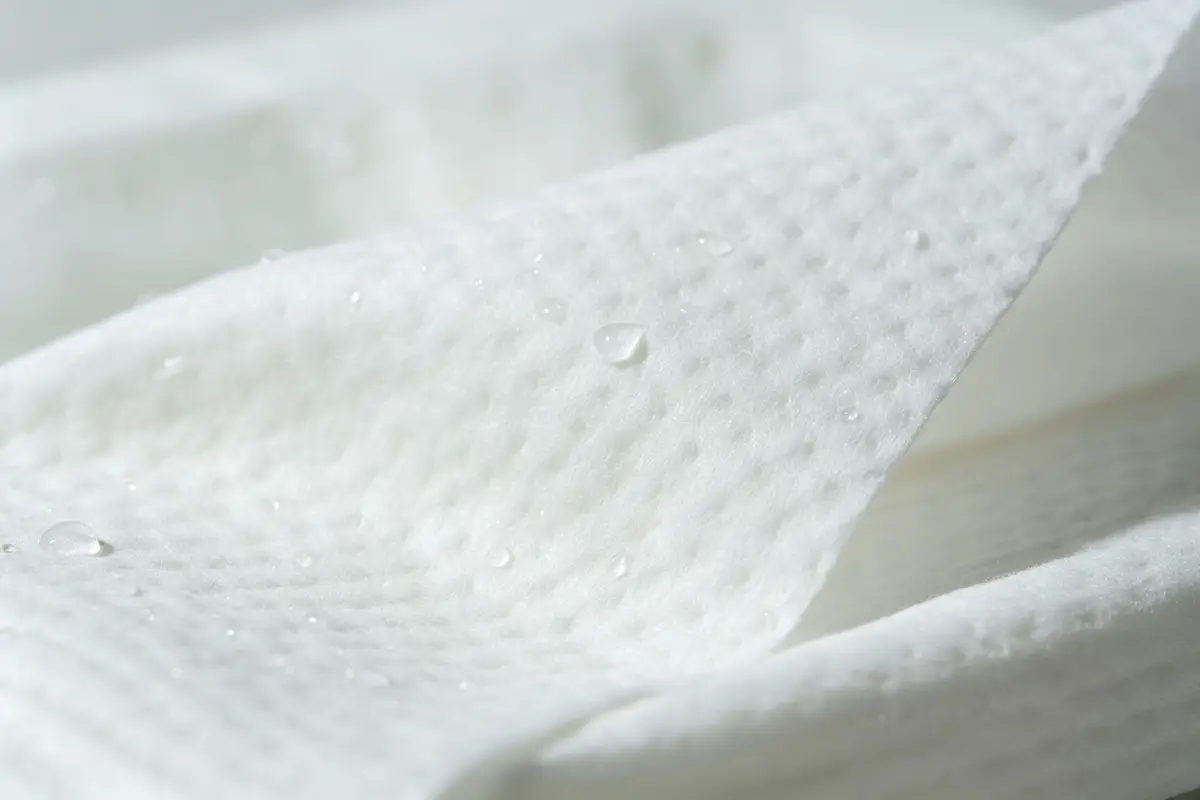
- Cotton/viscose blend wipes: The most common type of baby wipe, made from a blend of cotton and viscose (a plant-based fiber). These wipes are soft, absorbent, and affordable, making them a good all-purpose choice. They typically come in 40-80 GSM (grams per square meter), with higher GSM indicating a thicker, more durable wipe.
- 100% cotton wipes: Made from pure cotton, these wipes are extremely soft and gentle, making them ideal for babies with very sensitive skin or newborns. They are more expensive than cotton/viscose blends but offer superior softness and breathability. Look for wipes made from organic cotton if you want to avoid pesticides.
- Bamboo fiber wipes: Made from bamboo pulp, these wipes are naturally antibacterial, hypoallergenic, and biodegradable, making them a more sustainable choice. Bamboo wipes are soft and strong, though they can be slightly more expensive than cotton/viscose blends. They are a good choice for eco-conscious parents and businesses.
- Water-based wipes: These wipes are made with a high percentage of purified water (often 95-99%) and minimal additional ingredients, making them the gentlest option for sensitive skin. They are typically free from fragrances, alcohol, parabens, and other harsh chemicals. Water-based wipes are ideal for newborns, babies with eczema or sensitive skin, and for use on the face and hands. Moni Happy's water-based baby wipes are a popular choice, made with 99% purified water and dermatologically tested for sensitive skin.
- Flushable wipes: Designed to be flushed down the toilet, these wipes are made from materials that break down in water. However, many "flushable" wipes don't break down as quickly as claimed and can cause sewer blockages. They are generally not recommended for regular use, and many wastewater treatment plants advise against flushing any wipes. If you do use flushable wipes, look for ones that have been tested and certified to meet industry standards for flushability.
- Biodegradable/compostable wipes: Made from plant-based materials (cotton, bamboo, viscose) that can break down in composting conditions, these wipes are a more eco-friendly option. However, they require industrial composting facilities to break down properly and may not decompose in home compost or landfill. Look for certifications like OK compost HOME or OK compost INDUSTRIAL.
By Formulation
- Fragrance-free wipes: The safest choice for babies, especially newborns and those with sensitive skin. Fragrances (even "natural" ones) are a common cause of skin irritation and allergic reactions. Always choose fragrance-free wipes for use on the diaper area and face.
- Fragranced wipes: These wipes contain added fragrances to mask odors and leave a fresh scent. While some parents prefer them, they can cause skin irritation in sensitive babies. If you choose fragranced wipes, look for ones with mild, hypoallergenic fragrances and avoid using them on newborns or babies with sensitive skin.
- Alcohol-free wipes: All good quality baby wipes should be alcohol-free, as alcohol can dry out and irritate baby's delicate skin. Always check the ingredient list to ensure the wipes are free from alcohol (ethanol, isopropyl alcohol) and other harsh chemicals.
- Hypoallergenic wipes: Formulated to minimize the risk of allergic reactions, hypoallergenic wipes are free from common allergens like fragrances, parabens, phthalates, and certain preservatives. They are a good choice for all babies, especially those with sensitive skin or a family history of allergies.
- Dermatologically tested wipes: These wipes have been tested by dermatologists to ensure they are safe for use on baby's skin. Look for wipes with independent dermatological testing certifications, such as Dermatest (a German testing institute) or similar local certifications. Moni Happy wipes are Dermatest certified, ensuring they meet strict safety standards for baby's sensitive skin.
- Organic/natural wipes: Made with organic or natural ingredients, these wipes are free from synthetic chemicals, pesticides, and artificial fragrances. Look for third-party certifications like USDA Organic, ECOCERT, or COSMOS to ensure the "organic" claim is legitimate, as the term is not always regulated.
By Packaging
- Flip-top packs: The most common packaging for baby wipes, featuring a plastic flip-top lid that keeps wipes moist and allows for easy one-handed dispensing. Standard packs typically contain 60-100 wipes. Flip-top packs are convenient for home use and for keeping in a diaper bag.
- Refill packs: Larger packs of wipes (usually 150-300 wipes) designed to be used with a reusable wipe dispenser or tub. Refill packs are more cost-effective and generate less plastic waste than individual flip-top packs. They are ideal for bulk purchasing and home use.
- Tubs/dispensers: Reusable plastic or silicone tubs that hold a large quantity of wipes (usually 200-500 wipes) and keep them moist. Tubs are convenient for high-traffic areas like the nursery or changing table. Some tubs come with a weighted plate that keeps the next wipe ready for dispensing.
- Travel packs: Small, portable packs (usually 10-30 wipes) designed to fit in a diaper bag, purse, or pocket. Travel packs are convenient for on-the-go use but are more expensive per wipe than larger packs. Many parents buy bulk flip-top or refill packs and transfer a small number of wipes to a travel case for outings.
- Canister wipes: Wipes packaged in a cylindrical canister with a pop-up dispenser on top. Canister wipes are popular for commercial use (in restaurants, offices, and public restrooms) because they are durable, easy to dispense, and can be refilled.
- Individually wrapped wipes: Single wipes wrapped in individual foil packets, designed for maximum portability and hygiene. Individually wrapped wipes are more expensive per wipe but are convenient for travel, first aid kits, and for businesses to provide to customers.
Where to Buy Baby Wipes Bulk in Southeast Asia
There are several channels for buying baby wipes in bulk, each with its own advantages and considerations. The best channel for you depends on whether you're a parent buying for personal use or a business buying for commercial use, as well as the quantity you need and your budget.
For Parents (Personal Use)
- Brand DTC websites: Buying directly from the brand's website is often the best way to get the lowest prices on bulk wipes, especially with subscription discounts. Benefits include subscription savings (10-20% off), bundle deals, first-order discounts, free shipping, and direct customer service. For example, Moni Happy offers bulk packs of their water-based, Dermatest-certified baby wipes at competitive prices, with subscription discounts and free shipping across Southeast Asia. Buying directly from the brand also ensures you're getting authentic, fresh products.
- E-commerce marketplaces: Shopee, Lazada, and TikTok Shop offer a wide selection of bulk wipe packs from multiple brands, with the advantage of price comparison, customer reviews, frequent flash sales, and stackable vouchers. Many sellers offer free shipping with minimum purchase. Look for official brand stores or verified sellers with high ratings (4.8+ stars) to ensure authenticity. Major sale days (9.9, 10.10, 11.11, 12.12) are the best times to stock up, with discounts of 20-40% plus vouchers.
- Wholesale clubs (Costco, Sam's Club): In countries where they are available (Malaysia, Philippines, and recently Indonesia), wholesale clubs like Costco and Sam's Club offer bulk packs of baby wipes at discounted prices. Membership is required, but the savings on bulk purchases can quickly offset the membership fee for families.
- Supermarket bulk packs: Many large supermarkets (FairPrice, Aeon, Giant, Cold Storage) offer bulk or value packs of baby wipes at discounted prices, especially during promotions. Supermarket loyalty programs can also provide additional savings and points. While supermarket bulk packs may not be as cheap as online or wholesale options, they offer the advantage of immediate availability and the ability to inspect the product before buying.
- Group buys and community purchases: Some parent groups on Facebook, WhatsApp, and Telegram organize group buys of baby wipes directly from manufacturers or distributors, offering significant discounts by pooling orders. Group buys can be a great way to get wholesale prices as an individual consumer, but make sure you're buying from a trusted organizer and that the products are authentic and not expired.
For Businesses (B2B / Wholesale)
- Direct from manufacturer: For businesses that need large quantities (typically 500+ packs or 50,000+ wipes), buying directly from the manufacturer offers the lowest prices and the ability to customize products (private label, custom packaging, custom formulations). Many Southeast Asian manufacturers offer OEM/ODM services for businesses looking to create their own brand of baby wipes. Minimum order quantities (MOQs) vary by manufacturer, typically starting at 10,000-50,000 packs for custom orders.
- Brand wholesale/partner programs: Many established brands offer wholesale or partner programs for businesses, retailers, and distributors. These programs provide discounted wholesale pricing, marketing support, product training, and flexible ordering terms. For example, Moni Happy's partner program offers wholesale pricing and distribution opportunities for businesses across Southeast Asia, with low MOQs and comprehensive support for retailers, online sellers, and commercial buyers. Partner programs are a good option for businesses that want to sell established brands without the complexity of manufacturing their own products.
- Distributors and wholesalers: Regional distributors and wholesalers carry multiple brands of baby wipes and can supply businesses with a range of products at wholesale prices. Distributors often have lower MOQs than manufacturers and can provide faster delivery since they carry stock locally. They are a good option for small retailers, restaurants, and hotels that need a variety of products from different brands.
- B2B e-commerce platforms: Platforms like Alibaba, Global Sources, and TradeKey connect businesses with manufacturers and suppliers of baby wipes, primarily in China and Southeast Asia. These platforms offer a wide selection of suppliers, competitive pricing, and the ability to request custom quotes. However, buyers should be cautious about quality and authenticity, and should always request samples before placing large orders. Look for suppliers with verified accounts, good ratings, and trade assurance.
- Cash-and-carry wholesalers: In many Southeast Asian cities, cash-and-carry wholesalers (like Metro Wholesale, Econsave, and Tesco/Lotus's wholesale) offer bulk baby wipes at discounted prices for business customers. These wholesalers typically require a business registration to access wholesale pricing but offer the advantage of immediate pickup and no MOQ (you can buy as much or as little as you need).
How Much Can You Save by Buying Baby Wipes in Bulk?
The savings from buying baby wipes in bulk can be substantial, but the exact amount depends on the brand, the quantity, and where you buy. Here's a general breakdown of the savings you can expect:
- Individual packs (60-80 wipes): $1.50-$3.00 per pack = $0.025-$0.045 per wipe
- Multi-packs (3-4 packs, 180-320 wipes): $4.00-$7.00 per multi-pack = $0.020-$0.030 per wipe (savings of 15-30% vs individual packs)
- Bulk packs (6-12 packs, 500-1,000 wipes): $8.00-$18.00 per bulk pack = $0.015-$0.022 per wipe (savings of 30-50% vs individual packs)
- Wholesale/carton quantities (24-48 packs, 2,000-5,000 wipes): $20.00-$60.00 per carton = $0.010-$0.018 per wipe (savings of 45-65% vs individual packs)
For a typical baby using 2,500 wipes per year, the annual savings can be significant:
- Buying individual packs at $0.035 per wipe: $87.50 per year
- Buying bulk packs at $0.018 per wipe: $45.00 per year
- Annual savings: $42.50 (49% savings)
Over the 2-3 years that a baby typically uses wipes, the total savings can be $85-$125 or more. For businesses that use thousands of wipes per month, the savings can be in the hundreds or even thousands of dollars per year.
When calculating savings, don't forget to factor in:
- Shipping costs: Free shipping is essential for bulk purchases to be worthwhile. Always check the shipping cost before buying, as heavy bulk packs can have expensive shipping fees that eat into your savings.
- Storage space: Bulk packs take up significant storage space. Make sure you have a cool, dry place to store your wipes to prevent them from drying out or being damaged. Avoid storing wipes in direct sunlight or in hot, humid areas (like a car trunk) as this can cause the wipes to dry out or the packaging to degrade.
- Expiration dates: Baby wipes typically have a shelf life of 2-3 years from the manufacturing date, but once opened, they should be used within 2-3 months to prevent drying out and bacterial growth. When buying in bulk, check the expiration date and make sure you'll use the wipes before they expire. For most families, a 3-6 month supply is a good balance between savings and freshness.
- Quality differences: Cheaper bulk wipes may be thinner, less durable, or harsher on baby's skin than premium wipes. If you're switching to a cheaper bulk brand, buy a small pack first to test the quality before committing to a large bulk purchase. A wipe that falls apart during use or causes diaper rash is not a good deal, no matter how cheap it is.
What to Look for When Buying Baby Wipes Bulk
Whether you're a parent or a business, there are several key factors to consider when buying baby wipes in bulk to ensure you're getting a quality product at a good price:
- Material quality and thickness (GSM): The thickness of the wipe material, measured in GSM (grams per square meter), is a good indicator of quality and durability. Higher GSM wipes are thicker, softer, and more durable, and are less likely to tear or leave lint on baby's skin. Look for wipes with a GSM of at least 50-60 for everyday use, and 70+ GSM for premium quality. Avoid very thin wipes (below 40 GSM) as they may tear easily and require using multiple wipes per change, negating the cost savings.
- Ingredient list: Always check the ingredient list before buying baby wipes, especially if your baby has sensitive skin or allergies. Look for wipes that are free from alcohol, fragrances, parabens, phthalates, phenoxyethanol (in high concentrations), and other harsh chemicals. The fewer ingredients, the better. Water-based wipes with 95%+ purified water and minimal preservatives are the gentlest option. If you're buying for a business, choose hypoallergenic, fragrance-free wipes to minimize the risk of allergic reactions among your customers.
- Certifications: Look for wipes with independent certifications that verify their safety and quality. Common certifications include: Dermatest (German dermatological testing institute, with ratings from "Very Good" to "Unsatisfactory"), OEKO-TEX (tests for harmful substances in textiles), FSC (Forest Stewardship Council, for responsibly sourced wood-based fibers), and various organic certifications (USDA Organic, ECOCERT, COSMOS). Moni Happy baby wipes are Dermatest certified with a "Very Good" rating, ensuring they meet strict safety standards.
- Moisture content: Good quality baby wipes should be adequately moist but not dripping wet. Wipes that are too dry will be ineffective at cleaning and may irritate baby's skin, while wipes that are too wet may leave excess moisture on the skin (which can contribute to diaper rash) and may be messy to use. When buying in bulk, check that the packaging is well-sealed to prevent moisture loss during storage.
- Dispensing: Look for wipes that dispense one at a time (pop-up or interleaved design) to prevent wasting multiple wipes at once. This is especially important for bulk purchases, as wasted wipes can significantly reduce your cost savings. Flip-top lids and resealable packaging also help keep wipes moist and prevent contamination.
- Brand reputation and reviews: Before buying a large quantity of a brand you haven't tried before, read customer reviews on e-commerce platforms and parenting forums to get an idea of the quality, softness, durability, and any common issues (like wipes drying out, causing irritation, or being too thin). Look for brands with consistently positive reviews and a good reputation for customer service.
- Sample testing: If you're considering a large bulk purchase or switching brands, always buy a single pack first to test the quality. Use the wipes for a few days to assess softness, durability, moisture, and any skin reactions. Only commit to a bulk purchase once you're satisfied with the quality. For businesses, request samples from multiple suppliers before making a decision.
- Packaging and storage: Consider the packaging format when buying in bulk. Refill packs are more cost-effective and generate less plastic waste than individual flip-top packs, but you'll need a reusable dispenser. Flip-top packs are more convenient but more expensive per wipe. For long-term storage, make sure the packaging is well-sealed and store wipes in a cool, dry place away from direct sunlight.
- Price per wipe: Always calculate the price per wipe when comparing bulk options, as package sizes vary significantly between brands and sellers. The formula is simple: price per wipe = total price / number of wipes. Don't be fooled by a low total price if the pack contains fewer wipes—always do the math.
Article Summary
Buying baby wipes in bulk is one of the smartest ways for parents and businesses to save money on an essential baby care product. The Southeast Asian bulk baby wipes market is growing rapidly , driven by cost-conscious parents, e-commerce growth, subscription models, and increasing commercial demand from family-friendly businesses. When buying baby wipes bulk, it's important to choose the right type for your needs: consider the material (cotton/viscose blend, 100% cotton, bamboo, water-based, biodegradable), formulation (fragrance-free, hypoallergenic, dermatologically tested, alcohol-free), and packaging (flip-top packs, refill packs, tubs, travel packs, canister wipes). For parents, the best places to buy include brand DTC websites (for subscription discounts and bundle deals), e-commerce marketplaces like Shopee, Lazada, and TikTok Shop (for flash sales, vouchers, and price comparison), wholesale clubs, supermarket bulk packs, and community group buys. For businesses, options include buying direct from manufacturers (for the lowest prices and custom/private label options), brand wholesale/partner programs (like Moni Happy's partner program), distributors and wholesalers, B2B e-commerce platforms, and cash-and-carry wholesalers. The savings from bulk buying can be substantial—parents can save 30-50% per wipe compared to buying individual packs, totaling $85-$125 over the diapering years, while businesses can save even more. When calculating savings, factor in shipping costs, storage space, expiration dates, and quality differences. Key factors to consider when buying include material quality and thickness (GSM), ingredient list, certifications (Dermatest, OEKO-TEX, FSC, organic), moisture content, dispensing design, brand reputation and reviews, sample testing, packaging, and price per wipe. Always test a small pack before committing to a large bulk purchase, and choose fragrance-free, hypoallergenic, dermatologically tested wipes for the safest option for baby's sensitive skin. For high-quality, affordable bulk baby wipes, explore Moni Happy's water-based, Dermatest-certified baby wipes, available in bulk packs with subscription discounts and free shipping across Southeast Asia.
Frequently Asked Questions
Where is the best place to buy baby wipes in bulk?
The best place to buy baby wipes bulk depends on whether you're a parent or a business. For parents: 1) Brand direct-to-consumer (DTC) websites - often the lowest prices with subscription discounts (10-20% off), bundle deals, first-order discounts (15-25% off), and free shipping. Moni Happy offers bulk packs of water-based, Dermatest-certified wipes at competitive prices through their website. 2) E-commerce marketplaces - Shopee, Lazada, and TikTok Shop offer a wide selection with price comparison, customer reviews, frequent flash sales, stackable vouchers, and free shipping. Always buy from official brand stores or verified sellers with 4.8+ star ratings. Major sale days (9.9, 10.10, 11.11, 12.12) offer the best discounts (20-40% off). 3) Wholesale clubs - Costco and Sam's Club (available in Malaysia, Philippines, Indonesia) offer bulk packs at discounted prices with membership. 4) Supermarket bulk packs - FairPrice, Aeon, Giant offer value packs during promotions with loyalty program points. 5) Community group buys - parent groups on Facebook/WhatsApp/Telegram organize group buys directly from manufacturers for significant discounts. For businesses: 1) Direct from manufacturer - lowest prices and custom/private label options, with MOQs typically 10,000-50,000 packs. 2) Brand wholesale/partner programs - Moni Happy's partner program offers wholesale pricing with low MOQs and support for retailers, online sellers, and commercial buyers. 3) Distributors and wholesalers - carry multiple brands with lower MOQs and local stock for faster delivery. 4) B2B platforms - Alibaba, Global Sources connect businesses with manufacturers, but always request samples first. 5) Cash-and-carry wholesalers - Metro Wholesale, Econsave offer immediate pickup with no MOQ for business customers. Always calculate the price per wipe (total price / number of wipes) when comparing options, and factor in shipping costs.
How much money can I save by buying baby wipes in bulk?
The savings from buying baby wipes in bulk are substantial. Here's a typical price breakdown: Individual packs (60-80 wipes): $1.50-$3.00 = $0.025-$0.045 per wipe. Multi-packs (3-4 packs, 180-320 wipes): $4.00-$7.00 = $0.020-$0.030 per wipe (15-30% savings). Bulk packs (6-12 packs, 500-1,000 wipes): $8.00-$18.00 = $0.015-$0.022 per wipe (30-50% savings). Wholesale/carton quantities (24-48 packs, 2,000-5,000 wipes): $20.00-$60.00 = $0.010-$0.018 per wipe (45-65% savings). For a typical baby using 2,500 wipes per year: Buying individual packs at $0.035/wipe = $87.50/year. Buying bulk packs at $0.018/wipe = $45.00/year. Annual savings = $42.50 (49% savings). Over 2-3 years of diapering, total savings = $85-$125+. For businesses using thousands of wipes per month, savings can be hundreds or thousands of dollars per year. When calculating savings, factor in: 1) Shipping costs - free shipping is essential, as heavy bulk packs can have expensive shipping that eats into savings. 2) Storage space - bulk packs need cool, dry storage away from sunlight. 3) Expiration dates - wipes have a 2-3 year shelf life unopened, but should be used within 2-3 months of opening. A 3-6 month supply is a good balance for most families. 4) Quality differences - cheaper wipes may be thinner or harsher, requiring more wipes per change or causing diaper rash. Always test a small pack before buying in bulk. A wipe that falls apart or causes irritation is not a good deal no matter how cheap it is.
What should I look for when buying baby wipes in bulk?
Key factors to consider when buying baby wipes bulk: 1) Material quality and thickness (GSM) - GSM (grams per square meter) indicates thickness and durability. Look for at least 50-60 GSM for everyday use, 70+ GSM for premium. Avoid below 40 GSM as they tear easily and require multiple wipes per change. 2) Ingredient list - choose wipes free from alcohol, fragrances, parabens, phthalates, and harsh chemicals. Fewer ingredients is better. Water-based wipes with 95%+ purified water and minimal preservatives are gentlest. For businesses, choose fragrance-free, hypoallergenic wipes to minimize allergic reactions among customers. 3) Certifications - look for independent certifications: Dermatest (German dermatological testing, 'Very Good' rating is best), OEKO-TEX (harmful substance testing), FSC (responsibly sourced fibers), and organic certifications (USDA Organic, ECOCERT, COSMOS). Moni Happy wipes are Dermatest certified 'Very Good.' 4) Moisture content - wipes should be adequately moist but not dripping. Too dry = ineffective and irritating; too wet = leaves excess moisture (diaper rash risk) and messy. Check packaging is well-sealed. 5) Dispensing - look for pop-up/interleaved design that dispenses one wipe at a time to prevent waste. Flip-top lids and resealable packaging keep wipes moist. 6) Brand reputation and reviews - read customer reviews on e-commerce platforms and parenting forums for quality, softness, durability, and common issues (drying out, irritation, thinness). Look for 4.8+ star ratings. 7) Sample testing - always buy a single pack first to test quality for a few days before committing to bulk. For businesses, request samples from multiple suppliers. 8) Packaging and storage - refill packs are more cost-effective and generate less plastic waste than flip-top packs, but need a reusable dispenser. Store in cool, dry place away from sunlight. 9) Price per wipe - always calculate (total price / number of wipes) as package sizes vary. Don't be fooled by low total price if the pack has fewer wipes. 10) Expiration date - check the manufacturing/expiration date and ensure you'll use the wipes before they expire. For most families, a 3-6 month supply is ideal.
What types of baby wipes are best for bulk purchase?
The best type of baby wipes for bulk purchase depends on your needs, but here are the main categories: By material: 1) Cotton/viscose blend - most common, soft, absorbent, affordable, good all-purpose choice (40-80 GSM). 2) 100% cotton - extremely soft and gentle, ideal for newborns and very sensitive skin, more expensive. Look for organic cotton. 3) Bamboo fiber - naturally antibacterial, hypoallergenic, biodegradable, sustainable choice, soft and strong, slightly more expensive. 4) Water-based wipes - made with 95-99% purified water and minimal ingredients, the gentlest option for sensitive skin, free from fragrances/alcohol/parabens. Ideal for newborns, eczema, face/hands. Moni Happy's water-based wipes are a popular choice. 5) Flushable wipes - designed to be flushed, but many don't break down properly and cause sewer blockages. Generally not recommended. 6) Biodegradable/compostable - plant-based materials that break down in industrial composting. Look for OK compost certifications. By formulation: 1) Fragrance-free - safest choice, especially for newborns and sensitive skin. Fragrances are a common cause of irritation. 2) Fragranced - mask odors with fresh scent, but can irritate sensitive babies. If using, choose mild, hypoallergenic fragrances and avoid newborns. 3) Alcohol-free - all good wipes should be alcohol-free, as alcohol dries and irritates skin. 4) Hypoallergenic - formulated to minimize allergic reactions, free from common allergens. Good for all babies, especially sensitive skin or family allergy history. 5) Dermatologically tested - tested by dermatologists for skin safety. Look for independent certifications like Dermatest. 6) Organic/natural - made with organic/natural ingredients, free from synthetic chemicals. Look for third-party certifications as 'organic' is often unregulated. By packaging: 1) Flip-top packs (60-100 wipes) - convenient for home and diaper bag, but more expensive per wipe. 2) Refill packs (150-300 wipes) - most cost-effective, less plastic waste, need a reusable dispenser. Ideal for bulk. 3) Tubs/dispensers (200-500 wipes) - reusable, keep wipes moist, convenient for high-traffic areas. 4) Travel packs (10-30 wipes) - portable but expensive per wipe. Buy bulk and transfer to travel case. 5) Canister wipes - durable, easy dispense, popular for commercial use. 6) Individually wrapped - maximum portability and hygiene, most expensive per wipe. For most families, fragrance-free, hypoallergenic, water-based or cotton/viscose blend wipes in refill or bulk flip-top packs offer the best balance of quality, gentleness, and cost savings. For businesses, fragrance-free, hypoallergenic, dermatologically tested wipes in canister or refill formats are the most versatile and safe choice for a wide range of users.
Distributor resources
If you are evaluating suppliers for your market, these are the pages that answer the commercial questions — in the order buyers usually need them.