
2026-09-04 · Moni Happy Editorial Team
Buy Organic Baby Skincare Online 2026: Southeast Asia Market Guide
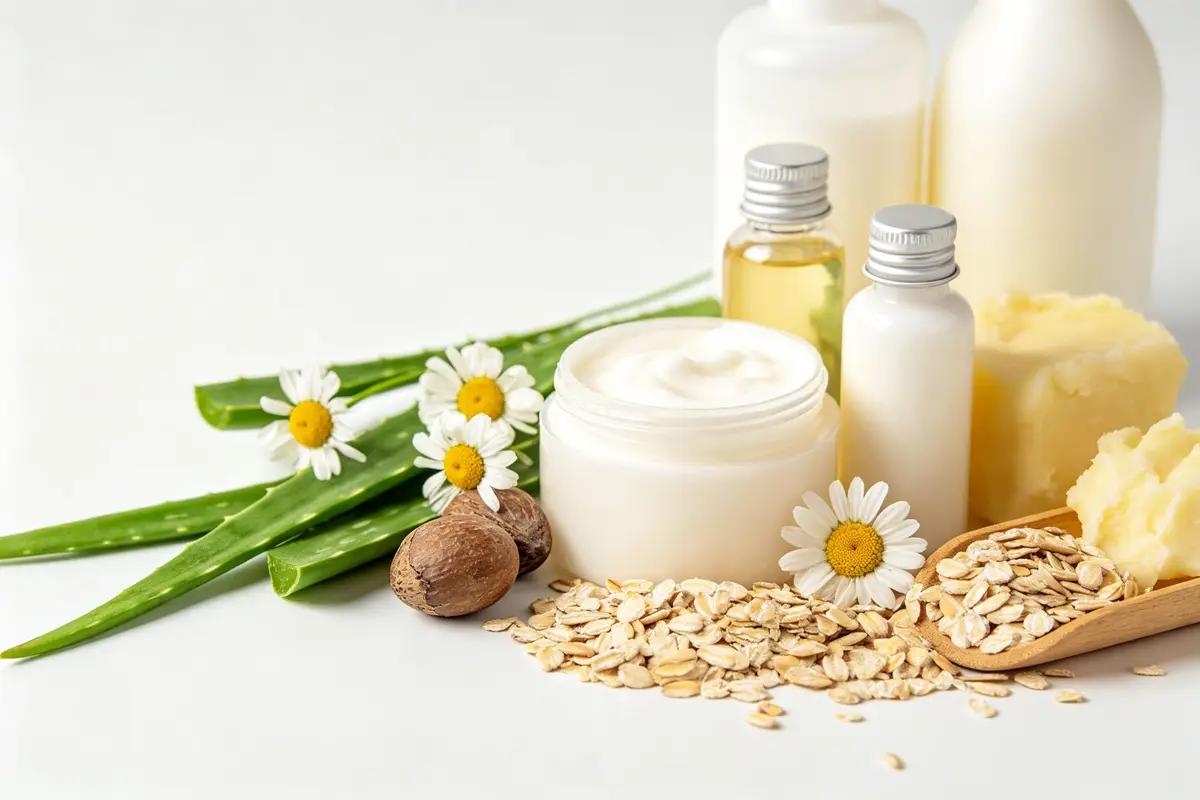
The global organic baby skincare market is experiencing unprecedented growth, and Southeast Asia is emerging as one of the fastest-growing regional markets. Driven by rising parental awareness about chemical exposure, increasing incidence of baby eczema and sensitive skin conditions, and a growing preference for clean-label products, demand to buy organic baby skincare online has surged across Indonesia, Vietnam, Thailand, the Philippines, and Malaysia.Public estimates for this market differ widely by source and by scope, so we do not quote a market size or a growth rate here. What we can speak to is the direction: demand for biodegradable and plastic-free wipe formats is rising across the region, and we would rather help you size one market from figures you can verify than publish a number we cannot source.2% growth rate.
Market Drivers: Why Organic Baby Skincare Is Booming
Several converging factors are fueling the rapid growth of organic baby skincare in Southeast Asia. First, parental awareness of chemical exposure has increased dramatically. A 2025 survey of 5,000 Southeast Asian parents found that 78% actively check ingredient labels before purchasing baby skincare products, up from 42% in 2020. Parents are increasingly concerned about ingredients like parabens, phthalates, sulfates (SLS/SLES), synthetic fragrances, formaldehyde releasers, and mineral oil—ingredients commonly found in conventional baby products but linked to skin irritation, hormone disruption, and long-term health concerns in various studies.
Second, the incidence of baby eczema (atopic dermatitis) has risen significantly across the region. Pediatric dermatologists estimate that 15-25% of babies in Southeast Asia develop eczema in their first year, with higher rates in urban areas due to pollution, hard water, and air conditioning. Eczema-prone skin requires gentle, fragrance-free, hypoallergenic skincare products, and many parents find that organic, plant-based formulations are better tolerated than conventional products with synthetic ingredients.
Third, the clean beauty movement has expanded from adult skincare into the baby category. As millennial and Gen Z parents—who themselves use clean beauty products—enter parenthood, they bring their ingredient-conscious shopping habits to baby care. This demographic shift is driving demand for transparency, certification, and natural sourcing across the entire baby care category.
Fourth, e-commerce has made organic baby skincare accessible to consumers across the region. Previously, organic baby products were primarily available in high-end department stores and specialty baby boutiques in major cities. Now, parents in tier-2 and tier-3 cities can shop baby care products in Southeast Asia through Shopee, Lazada, TikTok Shop, and direct-to-consumer brand websites, with next-day delivery in many markets. The convenience of online shopping, combined with detailed product descriptions, ingredient transparency, and user reviews, has accelerated adoption.
Key Ingredients and Certifications to Look For
For parents seeking the best organic baby products, industry experts recommend focusing on both ingredient quality and third-party certifications:
Beneficial organic ingredients:
- Shea butter: Rich in vitamins A and E, deeply moisturizing, helps repair the skin barrier. Ideal for dry and eczema-prone skin.
- Jojoba oil: Mimics the skin's natural sebum, easily absorbed, non-greasy, helps balance moisture.
- Calendula extract: Natural anti-inflammatory and antiseptic, soothes irritated skin, promotes healing. A staple in European baby skincare.
- Chamomile extract: Calming and soothing, reduces redness and inflammation, gentle enough for newborn skin.
- Aloe vera: Hydrating and cooling, soothes sunburn and irritation, contains vitamins and antioxidants.
- Colloidal oatmeal: FDA-recognized skin protectant, relieves itching and irritation from eczema and dry skin.
- Coconut oil: Natural antimicrobial, deeply moisturizing, rich in lauric acid (also found in breast milk).
- Sunflower seed oil: Rich in linoleic acid (omega-6), helps strengthen the skin barrier, non-comedogenic.
Important certifications:
- USDA Organic: The gold standard for organic certification in the US. Products with the USDA Organic seal contain at least 95% organic ingredients.
- Ecocert / Cosmos Organic: European organic certification, widely recognized globally. Cosmos Organic requires at least 95% organic ingredients and strict manufacturing standards.
- Dermatest / Dermatologist-tested: Indicates the product has been tested on human skin under dermatological supervision. The "5-star" Dermatest rating is the highest level.
- Hypoallergenic: Formulated to minimize the risk of allergic reactions. While not a regulated term in all countries, reputable brands conduct clinical testing to back this claim.
- EWG Verified: The Environmental Working Group's verification program ensures products meet strict health and transparency standards.
- Leaping Bunny / Cruelty-free: Indicates the product and its ingredients were not tested on animals.
Ingredients to avoid: parabens (methylparaben, propylparaben), phthalates (DBP, DEHP), sulfates (SLS, SLES), synthetic fragrances (listed as "parfum" or "fragrance"), formaldehyde releasers (DMDM hydantoin, quaternium-15), mineral oil / petrolatum (byproducts of petroleum), PEG compounds (potentially contaminated with 1,4-dioxane), and artificial colors/dyes.
Product Categories and Usage Guide
Organic baby skincare encompasses several product categories, each serving a specific purpose in a baby's daily routine:
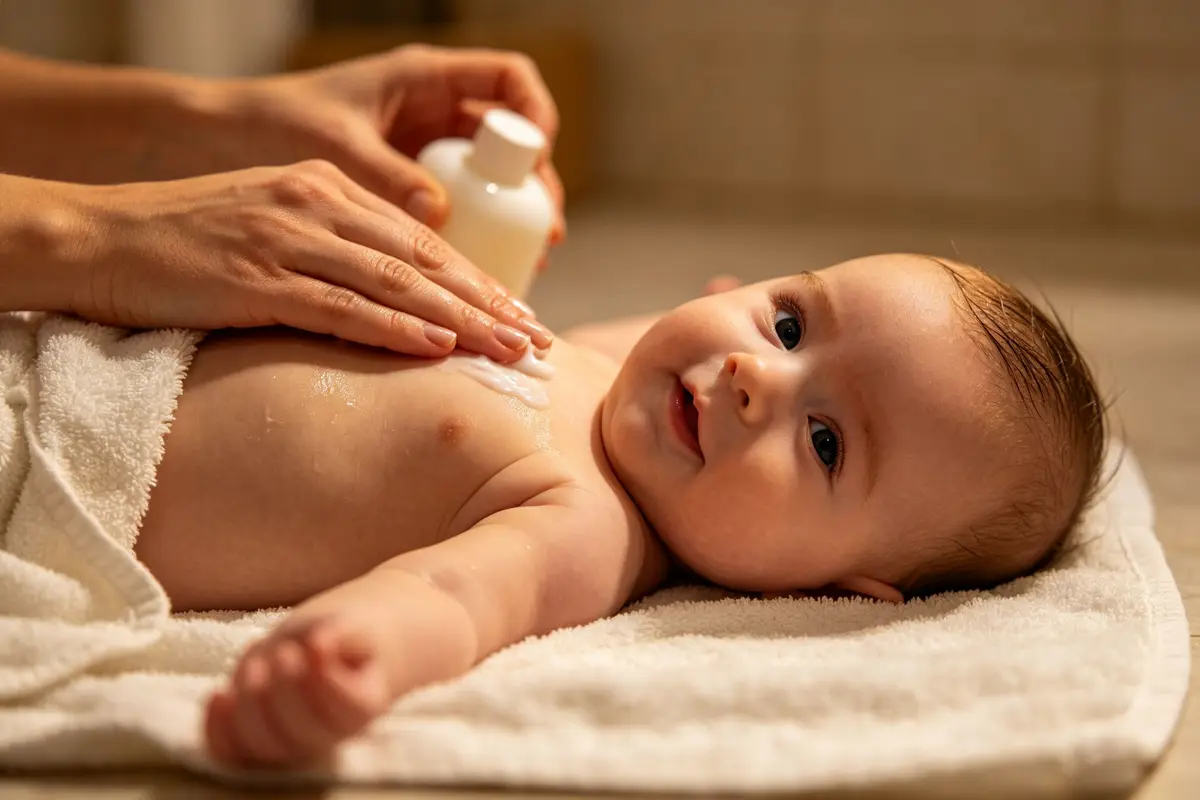
Baby lotion / moisturizer: The most essential product for daily skincare. Apply within 3 minutes after bathing to lock in moisture. For babies with eczema or very dry skin, apply 2-3 times per day. Look for thick, creamy formulations with shea butter, jojoba oil, or colloidal oatmeal.
Baby wash / shampoo: Used for bathing and hair washing. Look for tear-free, fragrance-free formulations with gentle, plant-based surfactants (like decyl glucoside or cocamidopropyl betaine) rather than harsh sulfates. Avoid products with "fragrance" listed high on the ingredient panel.
Baby oil: Used for baby massage, moisturizing very dry skin, and as a bath additive. Organic coconut oil, jojoba oil, or sunflower seed oil are excellent choices. Avoid mineral oil-based baby oils, which form a barrier on the skin but don't nourish it.
Diaper rash cream: Used to prevent and treat diaper rash. Look for formulations with zinc oxide (the gold standard for diaper rash protection), calendula, or shea balm. Organic diaper rash creams often use plant-based alternatives to petroleum jelly, like coconut oil or beeswax, as a barrier.
Baby sunscreen: For babies 6 months and older. Use mineral-based (zinc oxide / titanium dioxide) sunscreen with SPF 30-50, rather than chemical sunscreens. Look for fragrance-free, water-resistant formulations. For babies under 6 months, avoid direct sun and use protective clothing instead.
For parents building a complete organic baby skincare routine, Moni Happy offers a curated range of dermatologically tested baby care products, including gentle lotions, washes, and diaper care products formulated with plant-based ingredients. The brand also provides distribution partnership opportunities for retailers and distributors looking to enter the fast-growing organic baby skincare segment in Southeast Asia.
Market Outlook and Future Trends
The organic baby skincare market in Southeast Asia is poised for continued strong growth through 2030. Key trends shaping the market include:
Regulatory tightening: Several Southeast Asian governments are considering stricter regulations on baby product ingredients, including potential bans on certain parabens and phthalates in baby products. This regulatory shift will favor brands with clean, organic formulations.
Personalization: Brands are increasingly offering personalized skincare recommendations based on baby's age, skin type, and specific concerns (eczema, dryness, sensitivity). AI-powered skin analysis tools and subscription models with customized product regimens are emerging.
Waterless and concentrated formats: Waterless products (solid lotion bars, powder-to-foam washes) reduce packaging weight and environmental impact, while concentrated formulations reduce shipping costs and carbon footprint.
Probiotic and microbiome-friendly skincare: Emerging research on the skin microbiome is driving demand for products that support healthy skin bacteria rather than sterilizing the skin. Probiotic ingredients and prebiotic formulations are expected to gain market share.
Subscription and DTC models: Direct-to-consumer brands with subscription models are gaining traction, offering convenience, cost savings (10-20% discount for subscribers), and personalized product recommendations. The subscription model also provides predictable revenue and valuable customer data for brands.
For parents navigating this rapidly evolving market, the key is to focus on ingredient transparency, third-party certifications, and products that are appropriate for their baby's specific skin type. As the Southeast Asian market continues to mature, parents can expect greater innovation, better quality, and more accessible pricing in the organic baby skincare category.
Article Summary
The Southeast Asian organic baby skincare market is growing rapidly , driven by rising parental awareness of chemical exposure, increasing baby eczema incidence (15-25% of babies), the clean beauty movement among millennial/Gen Z parents, and e-commerce expansion making organic products accessible across the region. Key beneficial ingredients include shea butter, jojoba oil, calendula, chamomile, aloe vera, colloidal oatmeal, coconut oil, and sunflower seed oil. Important certifications include USDA Organic, Ecocert/Cosmos, Dermatest, hypoallergenic, EWG Verified, and cruelty-free. Ingredients to avoid include parabens, phthalates, sulfates, synthetic fragrances, formaldehyde releasers, mineral oil, PEG compounds, and artificial colors. Product categories include baby lotion/moisturizer, baby wash/shampoo, baby oil, diaper rash cream, and baby sunscreen (mineral-based for babies 6+ months). Future trends include regulatory tightening, personalized skincare, waterless/concentrated formats, probiotic/microbiome-friendly products, and subscription/DTC models. For parents seeking premium organic baby skincare, Moni Happy offers dermatologically tested products and distribution partnership opportunities for retailers entering this fast-growing market.
Frequently Asked Questions
What are the best organic baby skincare products for sensitive skin and eczema?
The best organic baby skincare products for sensitive skin and eczema feature gentle, plant-based ingredients with third-party certifications. Top recommendations include: organic baby lotion with shea butter, jojoba oil, and colloidal oatmeal (these ingredients help repair the skin barrier and relieve itching); fragrance-free baby wash with plant-based surfactants (decyl glucoside, cocamidopropyl betaine) rather than harsh sulfates; organic coconut oil or sunflower seed oil for baby massage and extra dry skin; and zinc oxide-based diaper rash cream with calendula or shea butter. Look for products with Dermatest or dermatologist-tested certification, hypoallergenic claims, and certifications like USDA Organic or Ecocert/Cosmos. Avoid products with parabens, phthalates, sulfates (SLS/SLES), synthetic fragrances ('parfum'), formaldehyde releasers, mineral oil, and artificial colors. For babies with moderate to severe eczema, consult a pediatric dermatologist for a personalized skincare regimen, as some babies may require prescription treatments alongside organic skincare products.
Where can I buy organic baby skincare products online in Southeast Asia?
Organic baby skincare products are widely available across Southeast Asia through multiple online channels. The most popular platforms include: Shopee and Lazada (official brand stores offer the widest selection, bundle discounts, and free shipping; look for 'Official Store' badges to ensure authenticity), TikTok Shop (live commerce has become a major channel with exclusive promotions and real-time product demonstrations from brand experts), direct-to-consumer brand websites (often offer the best subscription deals with 10-20% savings, loyalty rewards, and personalized product recommendations), and supermarket e-commerce platforms (FairPrice Online in Singapore, HappyFresh across the region, GrabMart/Gojek for same-day delivery). When buying online, always purchase from official brand stores or authorized sellers to avoid counterfeit products—check seller ratings, read customer reviews, and verify that product listings include full ingredient lists and certification information. For Japanese and European organic brands that may not be widely available in local retail stores, e-commerce platforms with cross-border shipping (Shopee International, Lazada Global) provide access to a wider range of products. Consider subscribing for regular deliveries to save money and ensure you never run out of essential products.
Are organic baby skincare products really better than conventional ones?
Organic baby skincare products offer several potential advantages over conventional products, but the answer depends on your baby's specific needs and the specific products being compared. Key advantages of organic baby skincare: they are formulated with plant-based, naturally derived ingredients rather than synthetic chemicals; they are free from many ingredients linked to skin irritation and potential health concerns (parabens, phthalates, sulfates, synthetic fragrances); they are often better tolerated by babies with sensitive skin, eczema, or allergies; they are produced with stricter environmental and agricultural standards (organic farming avoids synthetic pesticides and fertilizers); and they offer greater ingredient transparency through third-party certifications. However, 'organic' does not automatically mean 'better' or '100% safe'—some babies may still react to natural ingredients (like certain essential oils or plant extracts), and not all organic products are equally well-formulated. Conventional products from reputable brands can also be safe and effective, especially when they are fragrance-free, hypoallergenic, and dermatologist-tested. The most important factors are: the specific ingredient list (avoid known irritants regardless of 'organic' label), third-party testing and certification, your baby's individual skin tolerance, and whether the product is appropriate for your baby's age and skin condition. For babies with normal, healthy skin, a well-formulated conventional fragrance-free product may be perfectly fine. For babies with sensitive skin, eczema, or a family history of allergies, organic products with minimal, gentle ingredients may be a better choice.
What ingredients should I avoid in baby skincare products?
When choosing baby skincare products, pediatric dermatologists recommend avoiding the following ingredients, especially for babies with sensitive skin or eczema: Parabens (methylparaben, propylparaben, butylparaben) — preservatives linked to hormone disruption and skin irritation; Phthalates (DBP, DEHP, BzBP) — used to make fragrances last longer, linked to reproductive and developmental concerns; Sulfates (SLS/SLES — sodium lauryl sulfate, sodium laureth sulfate) — harsh surfactants that can strip the skin's natural oils and cause irritation; Synthetic fragrances (listed as 'parfum,' 'fragrance,' or 'perfume') — the single most common cause of allergic contact dermatitis in baby products; 'fragrance' can contain dozens of undisclosed chemicals; Formaldehyde releasers (DMDM hydantoin, quaternium-15, diazolidinyl urea, imidazolidinyl urea) — preservatives that slowly release formaldehyde, a known carcinogen and skin irritant; Mineral oil / petrolatum / paraffin — petroleum byproducts that form a barrier on the skin but don't nourish it; may be contaminated with polycyclic aromatic hydrocarbons (PAHs); PEG compounds (PEG-100 stearate, PEG-40, etc.) — can be contaminated with 1,4-dioxane, a possible carcinogen, and ethylene oxide; Artificial colors and dyes (FD&C Yellow No. 5, Red No. 40, etc.) — can cause skin irritation and allergic reactions; Essential oils (especially peppermint, rosemary, tea tree, citrus oils) — while natural, many essential oils are too strong for baby skin and can cause irritation or allergic reactions; avoid products with essential oils for babies under 3 months, and always use diluted formulations for older babies; Alcohol (denatured alcohol, SD alcohol, isopropyl alcohol) — can be drying and irritating to baby's delicate skin. Instead, look for products with plant-based ingredients (shea butter, jojoba oil, calendula, chamomile, aloe vera, colloidal oatmeal, coconut oil, sunflower seed oil), gentle preservatives (tocopherol/vitamin E, radish root extract, aspen bark extract), and plant-based surfactants (decyl glucoside, cocamidopropyl betaine, sodium cocoyl isethionate). Always check the full ingredient list, and when in doubt, consult your pediatrician or a pediatric dermatologist.