
2026-08-31 · Moni Happy Editorial Team
Eco-Friendly Baby Wipes Gain Traction in Thailand and Vietnam as Sustainability Concerns Rise
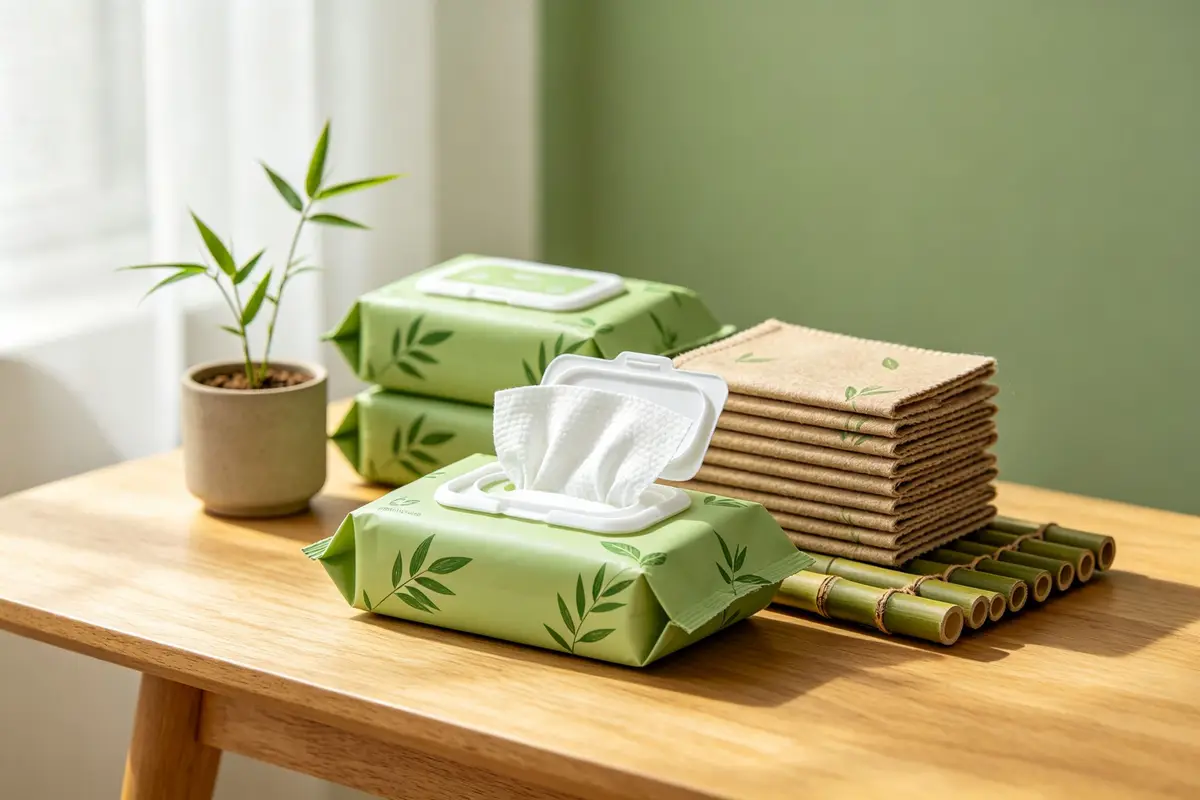
Eco-Friendly Baby Wipes Gain Traction in Thailand and Vietnam as Sustainability Concerns Rise
Bangkok and Ho Chi Minh City — A quiet revolution is underway in Southeast Asia's baby wipes market. As environmental awareness grows among urban parents, demand for eco-friendly, biodegradable, and plastic-free baby wipes is accelerating in Thailand and Vietnam, two of the region's most dynamic consumer markets.
The Sustainability Shift
Traditional baby wipes, typically made from polyester (plastic) fibers and packaged in plastic, have long been an environmental concern. A single baby can go through thousands of wipes in their first two years, and most end up in landfills or, worse, flushed down toilets where they contribute to sewer blockages and ocean pollution.
In Thailand and Vietnam, urban parents are increasingly aware of these issues. A 2025 consumer survey found that 62% of urban parents in Bangkok and 58% in Ho Chi Minh City said they would pay 10-20% more for eco-friendly baby wipes, up from 41% and 37% respectively just two years earlier.
What Makes Wipes Eco-Friendly?
The eco-friendly baby wipes segment encompasses several product attributes:
- Biodegradable fibers: Plant-based fibers like bamboo, viscose, and cotton instead of polyester. Bamboo is particularly popular in Southeast Asia due to its sustainability and local availability.
- Plastic-free packaging: Compostable or recyclable packaging, including paper-based flip-top lids and compostable plastic alternatives.
- Natural formulations: Water-based formulas with plant-derived cleansers and moisturizers, free from parabens, phthalates, synthetic fragrances, and alcohol.
- Flushable and dispersible: Wipes designed to break down in water and sewer systems, though experts caution that even "flushable" wipes should be disposed of in the trash in most Southeast Asian sewer systems.
- Certifications: Independent certifications like FSC (Forest Stewardship Council), OK Compost, and dermatological certifications provide third-party validation of eco and safety claims.
Thailand: A Mature Market for Sustainable Products
Thailand has emerged as the regional leader in eco-friendly baby wipes adoption, driven by several factors:
- High environmental awareness: Thai urban consumers are among the most environmentally conscious in Southeast Asia, with strong demand for organic, natural, and sustainable products across categories.
- Premium retail infrastructure: Thailand's modern retail sector, including premium supermarkets like Tops, Gourmet Market, and Villa Market, as well as pharmacy chains like Watsons and Boots, provide ample shelf space for eco-friendly products.
- E-commerce growth: Platforms like Shopee, Lazada, and TikTok Shop have made eco-friendly brands accessible to consumers outside Bangkok, with live commerce demonstrations driving awareness.
- Government support: Thailand's government has been proactive in promoting circular economy initiatives and reducing single-use plastics, creating a favorable regulatory environment for eco-friendly products.
Vietnam: Fast Growth with Strong Potential
Vietnam's eco-friendly baby wipes market is smaller but growing faster than Thailand's, with several unique dynamics:
- Young, digitally native population: Vietnam has one of the youngest populations in Southeast Asia, with high social media usage and rapid adoption of e-commerce. Eco-friendly product trends spread quickly through platforms like TikTok and Facebook.
- Rising middle class: Vietnam's middle class is expanding rapidly, particularly in Hanoi and Ho Chi Minh City, creating a growing base of consumers willing to pay for premium, sustainable products.
- Japanese and Korean influence: Vietnamese consumers have strong affinity for Japanese and Korean baby care products, which are often perceived as higher quality and more innovative. Japanese brands like Moni Happy are well-positioned to introduce eco-friendly formulations.
- Local innovation: Vietnamese startups and local brands are also entering the eco-friendly wipes space, leveraging local bamboo resources and competitive pricing.
Challenges and Considerations
Despite the growth trajectory, the eco-friendly baby wipes segment faces several challenges in Southeast Asia:
- Price premium: Eco-friendly wipes typically cost 20-50% more than conventional wipes, which can be prohibitive for price-sensitive consumers. However, the premium is narrowing as production scales.
- Performance concerns: Some early eco-friendly wipes were less durable or less effective than conventional polyester wipes. Modern plant-based fibers have largely closed this performance gap, but consumer perceptions take time to change.
- Greenwashing: The lack of standardized eco-labeling in Southeast Asia means some products make unsubstantiated "natural" or "eco-friendly" claims. Parents should look for third-party certifications and transparent ingredient lists.
- Waste infrastructure: Even biodegradable wipes require proper composting facilities to break down efficiently. In many Southeast Asian cities, waste infrastructure is still developing, meaning biodegradable products may not decompose as intended in landfills.Public estimates for this market differ widely by source and by scope, so we do not quote a market size or a growth rate here. What we can speak to is the direction, and we would rather help you size one market from figures you can verify than publish a number we cannot source. As production costs decrease, performance improves, and consumer awareness grows, eco-friendly wipes are likely to move from a niche premium category to a mainstream option.
For parents looking to make more sustainable choices, the key is to look beyond marketing claims and examine the actual product: fiber composition, packaging materials, ingredient transparency, and third-party certifications. Moni Happy baby wipes are formulated with sensitive skin in mind, using gentle, dermatologically tested ingredients that are safe for daily use on baby's most delicate skin.
The shift toward eco-friendly baby care is not just a trend—it's a fundamental change in how parents think about the products they use on their babies and their impact on the planet. In Thailand and Vietnam, that change is happening faster than many expected.