
2026-10-09 · Moni Happy
FOB vs CIF vs EXW for Baby Diaper Imports: Which Term Is Best?
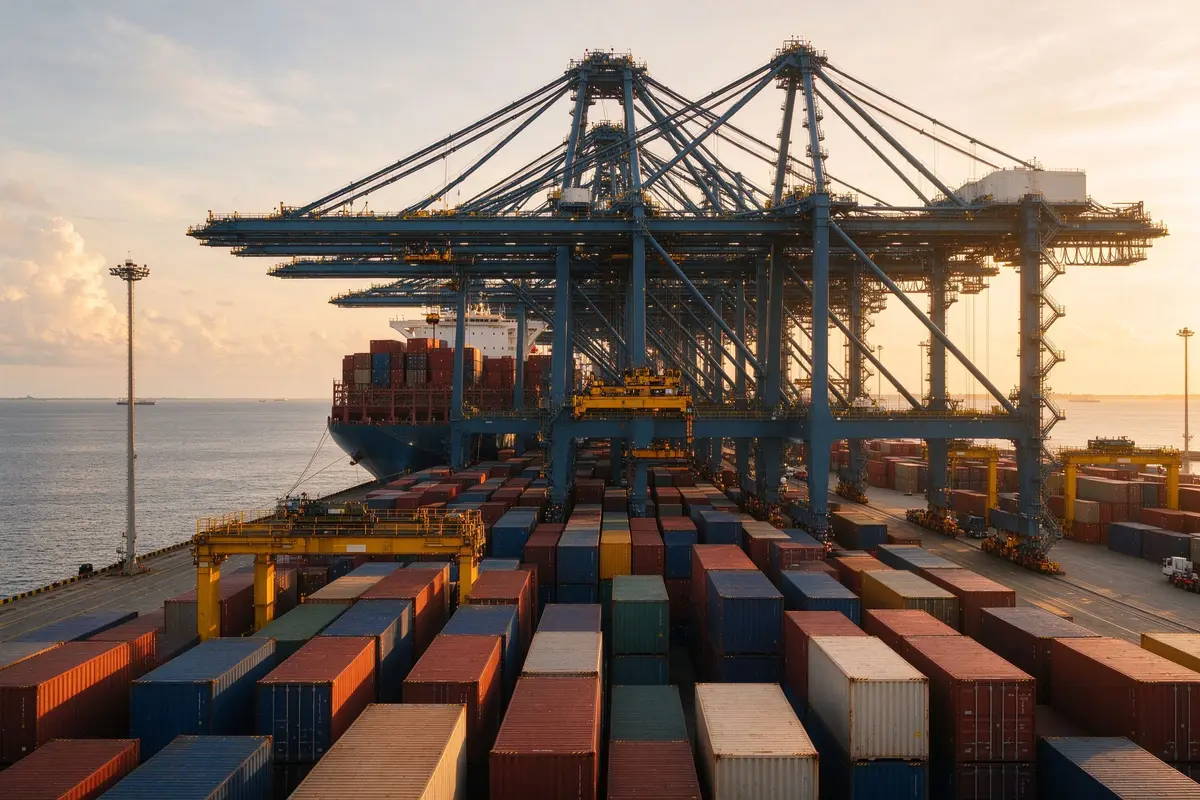
For a first-time baby diaper import, FOB is usually the best Incoterm: the supplier handles export clearance and loading at the named origin port while you choose the forwarder and pay ocean freight; pick CIF only if you want the supplier to arrange freight and minimum insurance through to your destination port, and avoid EXW until you have a reliable agent in the exporting country.
- EXW (Ex Works): the buyer handles loading, export clearance and all carriage from the seller's premises — maximum buyer responsibility.
- FOB (Free On Board): the seller clears export and loads goods onto the buyer-nominated vessel; risk transfers once goods are on board.
- CIF (Cost, Insurance and Freight): the seller pays ocean freight and minimum cargo insurance to the named destination port, but risk still transfers at the origin port.
- Indicative 20GP freight to Southeast Asia: about US$800-2,500; cargo insurance commonly about 0.3-0.5% of insured value; standard cover is 110% of CIF.
- Definitions and obligations follow ICC Incoterms 2020; always state the named port and the Incoterms version on every proforma invoice.
- Compare terms with a live quotation — request one at moni-happy.com/partner.

This is the trade-terms companion to the landed-cost breakdown and our payment terms guide; the total timeline behind each term is mapped in the factory-to-Southeast-Asia lead time guide.
What is the difference between EXW, FOB and CIF?
All three rules define who arranges carriage, who clears customs, where risk transfers and who must insure — they do not change the physical sailing time.
| Term | Seller handles | Buyer handles | Risk transfers |
|---|---|---|---|
| EXW | Goods available at premises | Loading, export clearance, all freight, insurance, import clearance | Goods placed at buyer's disposal |
| FOB | Export clearance, delivery onto the named vessel | Ocean freight, insurance, import clearance, on-carriage | Goods on board the vessel at origin |
| CIF | Export clearance, ocean freight to destination port, minimum insurance | Import clearance and on-carriage; claims under the policy | Goods on board the vessel at origin |
The obligations above are those of ICC Incoterms 2020.
Which Incoterm is best for a first-time baby diaper import?
FOB is the recommended default for a first-time baby diaper import. It removes the two jobs novice importers handle worst — export documentation and origin-port handling — while letting you compare forwarders, lock the freight rate yourself and keep control of routing, which matters because diapers are low-value-density cargo where every US$100 of freight changes per-piece landed cost.
Choose CIF if you have no forwarder relationship yet and want one all-in price for your baby diaper import; it is a legitimate learning-stage choice, but graduate to FOB once you can compare two or three freight quotes. Avoid EXW for a baby diaper import unless your nominated forwarder can perform export formalities in the producing country, because arranging export clearance from abroad is where first shipments get stuck.
Who pays freight and insurance under each term?
Under EXW and FOB, you (the buyer) contract and pay the ocean carrier and buy cargo insurance. Under CIF, the seller contracts the carrier and pays for minimum insurance — under ICC standard practice this is cover for at least 110% of the CIF value under minimum cargo clauses, which may not cover all risks, so experienced buyers buy supplemental cover. Indicative freight for a 20GP to Southeast Asia runs about US$800-2,500 depending on market conditions; track container freight indices such as the Freightos Baltic Index before negotiating.
Where does risk transfer under FOB and CIF?
This is the most misunderstood point of a baby diaper import: under both FOB and CIF, risk transfers when the diapers pass onto the vessel at the origin port. Paying CIF freight does not make the seller liable for a container crushed or flooded at sea — the buyer owns the risk and claims through cargo insurance. Under EXW, risk transfers even earlier, when goods are made available at the seller's premises.
How does the Incoterm change baby diaper import costs?
Using the indicative first-container figures from our landed-cost guide: 48,000 diapers at US$0.15 gives an FOB value of US$7,200; add about US$1,500 freight and US$35 insurance and the CIF value is about US$8,735. Under EXW you would additionally arrange and pay for origin inland transport, port handling and export documentation. Under CIF those origin-to-destination costs are bundled into the seller's invoice, but they are not free — compare the CIF quote against an FOB quote plus your own forwarder's rate to see the embedded markup. Duty, VAT and clearance on arrival are the buyer's responsibility under all three terms; see the landed-cost breakdown for the full calculation.
What mistakes should first-time diaper importers avoid?
- Agreeing a term verbally — always print the rule, named port and Incoterms 2020 version on the proforma invoice.
- Assuming CIF means the seller owns sea-transit risk (it does not).
- Shipping FOB or EXW with no cargo insurance bound before loading.
- Using EXW without a forwarder able to clear the exporting country.
- Not comparing at least two or three freight quotes, which turns FOB's main advantage into guesswork.
Moni Happy quotes diaper orders in writing with the agreed Incoterm, named port and payment schedule; request an FOB and CIF comparison for your destination port at moni-happy.com/partner, and review how terms sit inside the distribution agreement key terms before signing.
Frequently asked questions
Sources and further reading
- ICC — Incoterms 2020 rules (obligations, costs and risk transfer)
- Freightos Baltic Index — container freight market rates
- World Bank — Logistics Performance Index (port and customs reliability)
Commercial figures are indicative planning ranges and subject to a formal quotation; statutory rates must be confirmed with a licensed customs broker.
Bottom line: Use FOB for your first baby diaper import so the supplier handles export loading while you control freight and insurance costs; use CIF as a short-term convenience when you lack a forwarder, and avoid EXW until you have export-side representation. Put the term, port and Incoterms 2020 version in writing, and always insure cargo from the origin port because risk transfers there under both FOB and CIF.
Frequently Asked Questions
Which is better for first-time diaper importers, FOB or CIF?
FOB usually: the supplier clears export and loads the vessel while you choose the forwarder and freight rate. CIF suits buyers who want one arranged price to the destination port.
Does CIF mean the supplier is responsible for damage at sea?
No. Under CIF risk transfers when the goods board the origin vessel; the seller only pays freight and minimum insurance, so sea-transit claims follow the cargo insurance policy.
Why is EXW risky for a baby diaper import?
Under EXW the buyer handles loading and export clearance in the seller's country, which usually requires a local agent and can miss the vessel cutoff.
How much does cargo insurance cost for imported diapers?
Indicative market rates are about 0.3-0.5% of insured value, and cover is commonly arranged for 110% of CIF value; the exact premium depends on the route and insurer.