
2026-10-17 · Moni Happy
How Does Community Group Buying Move Baby Diaper Inventory?
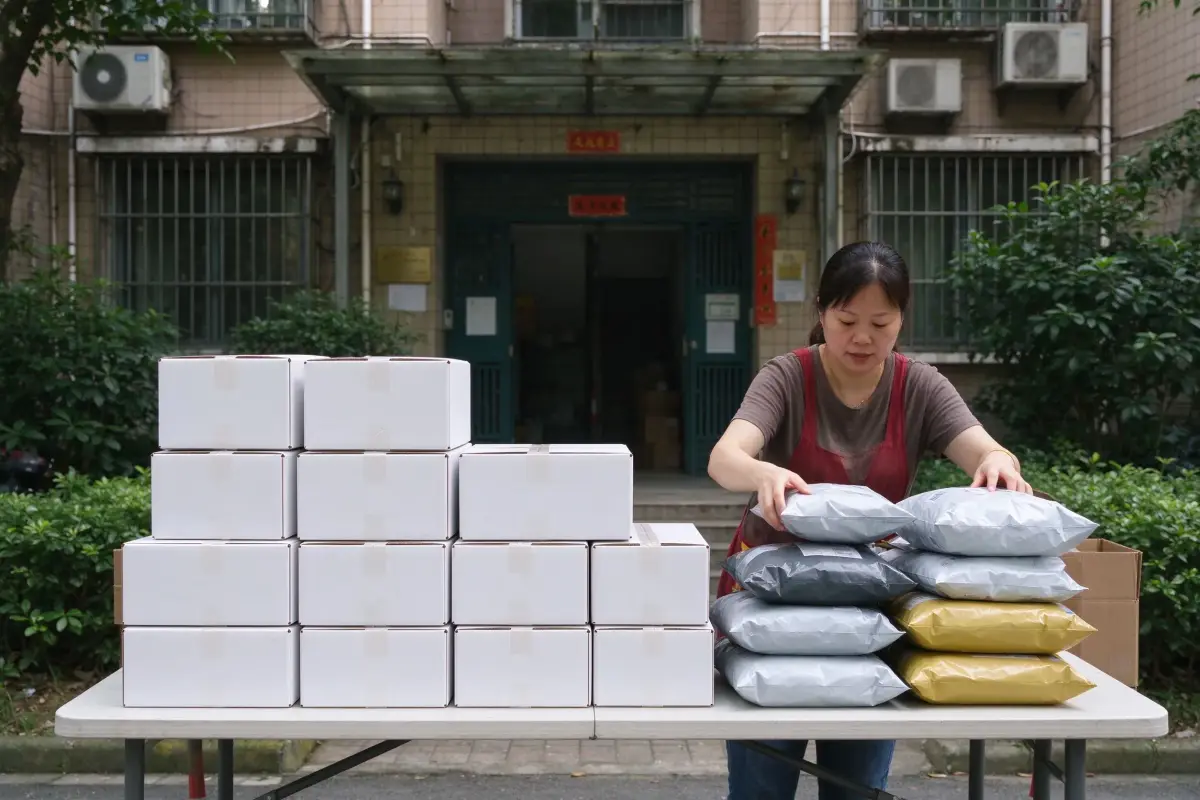
Community group buying moves baby diaper inventory by letting a neighborhood leader collect bulk orders and distribute from a single pickup point. It is a low-cost, high-trust channel that works especially well for bulky, repeat-purchase products like diapers and wipes. Distributors use community group buying to clear slow stock, test new sizes and reach areas without retail stores.
- Model: group leader collects orders, distributor delivers bulk to one pickup point.
- Group leader commission: typically 5-15% of the order value.
- Best for bulky repeat products: diapers, wipes, tissue, cotton towels.
- Low customer acquisition cost; trust comes from the community leader.
- Request community group buying pricing and starter packs.
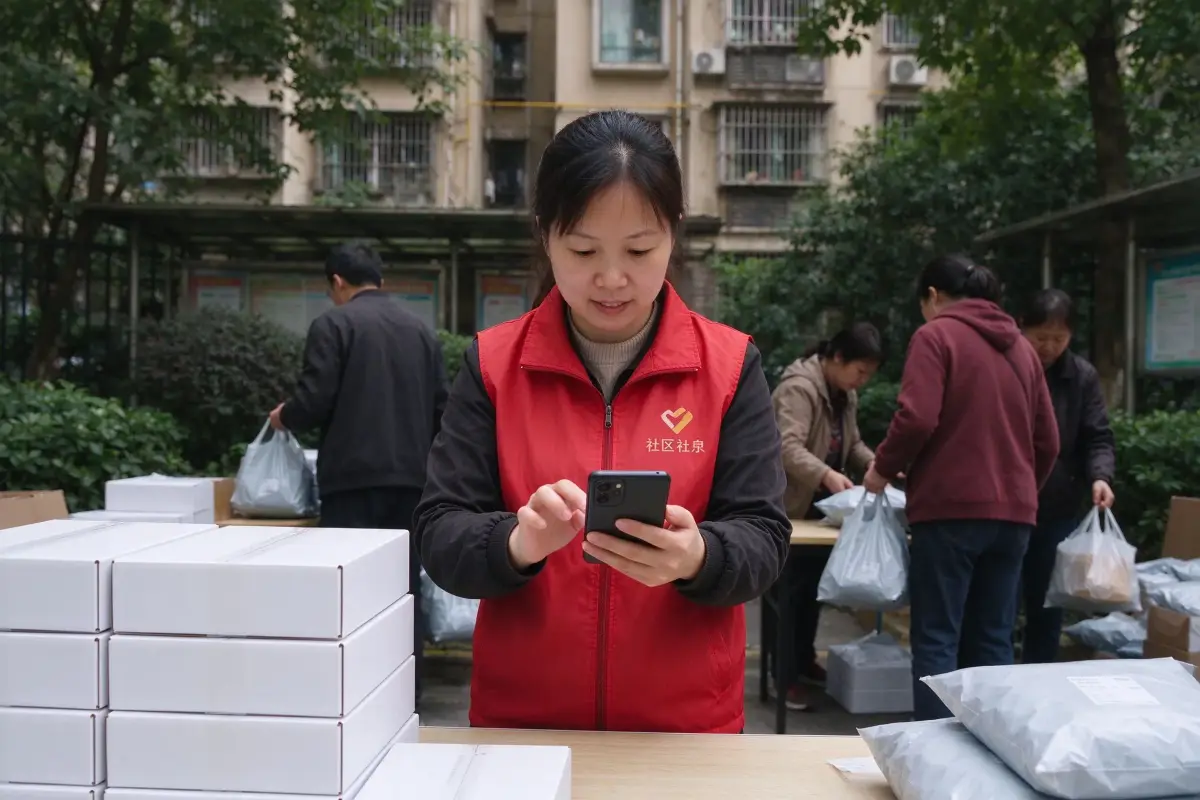
Community group buying grew rapidly across Southeast Asia because it solves two problems at once: parents get a lower price on bulky essentials, and distributors move volume without paying for shelf space. For diapers, the model is particularly efficient because the product is heavy to ship individually but cheap to deliver in bulk to one address.
How does community group buying work for diapers?
A group leader in a residential area or parent group announces a bulk order with a deadline. Parents place orders and pay the leader, who consolidates them into one large order. The distributor delivers the whole batch to the leader's home or a pickup point, and parents collect their orders. The leader earns a commission of roughly 5-15% for organizing and distributing.
Why is community group buying good for diaper inventory?
Diapers are bulky and repeat-purchased, which makes them ideal for community group buying. A single group order can move 50-200 packs at once, clearing slow-moving sizes or end-of-line stock quickly. It also lets a distributor test a new size or product in a specific neighborhood before committing to retail listings. The pickup-point model cuts last-mile delivery cost to near zero.
How do I find group leaders?
Approach active parents in Facebook groups, WhatsApp communities, neighborhood committees and local parent forums. Look for people who already organize shared purchases or run small home-based businesses. Provide them with a starter kit of samples, a simple price list and a commission structure. The best group leaders are trusted, organized and responsive, and they can run repeat orders every 2-4 weeks.
What are the risks of community group buying?
The main risk is price erosion: if group prices are too low, they can undercut your retail partners and cause channel conflict. Set a minimum group size and a price that is below retail but above your wholesale floor. Logistics to multiple pickup points can also add cost, so consolidate deliveries by area. Track which leaders produce consistent volume and drop the inactive ones.
How do I combine group buying with retail?
Use community group buying for slow-moving sizes, new product trials and neighborhoods without retail coverage. Keep your core sizes and premium ranges in retail stores to protect margin and brand visibility. Read the distribution channels guide for the full channel mix, and request group-buy pricing at https://moni-happy.com/partner/.
Frequently asked questions
What is community group buying?
A neighborhood leader collects bulk orders; the distributor delivers to one pickup point; parents collect individually.
How much commission does a group leader earn?
Typically 5-15% of the order value, depending on volume and frequency.
Why does it work for diapers?
Diapers are bulky, heavy and repeat-purchased, so bulk delivery to one point cuts last-mile cost.
What is the main risk?
Price erosion that undercuts retail partners; set a minimum group size and protect your wholesale floor.
Bottom line: Community group buying moves diaper inventory in bulk through trusted neighborhood leaders, with 5-15% commission and low last-mile cost. It is ideal for slow-moving sizes, new product trials and areas without retail. Set a minimum group size to protect retail margin, and request group-buy pricing through the partner program.
Sources and further reading
Commercial figures are indicative planning ranges and subject to a formal quotation; statutory rates must be confirmed with a licensed customs broker.
Frequently Asked Questions
What is community group buying?
A neighborhood leader collects bulk orders; the distributor delivers to one pickup point; parents collect individually.
How much commission does a group leader earn?
Typically 5-15% of the order value, depending on volume and frequency.
Why does it work for diapers?
Diapers are bulky, heavy and repeat-purchased, so bulk delivery to one point cuts last-mile cost.
What is the main risk?
Price erosion that undercuts retail partners; set a minimum group size and protect your wholesale floor.
Distributor resources
If you are evaluating suppliers for your market, these are the pages that answer the commercial questions — in the order buyers usually need them.