
2026-10-13 · Moni Happy
How Do I Sell Baby Diapers in Independent Baby Stores?
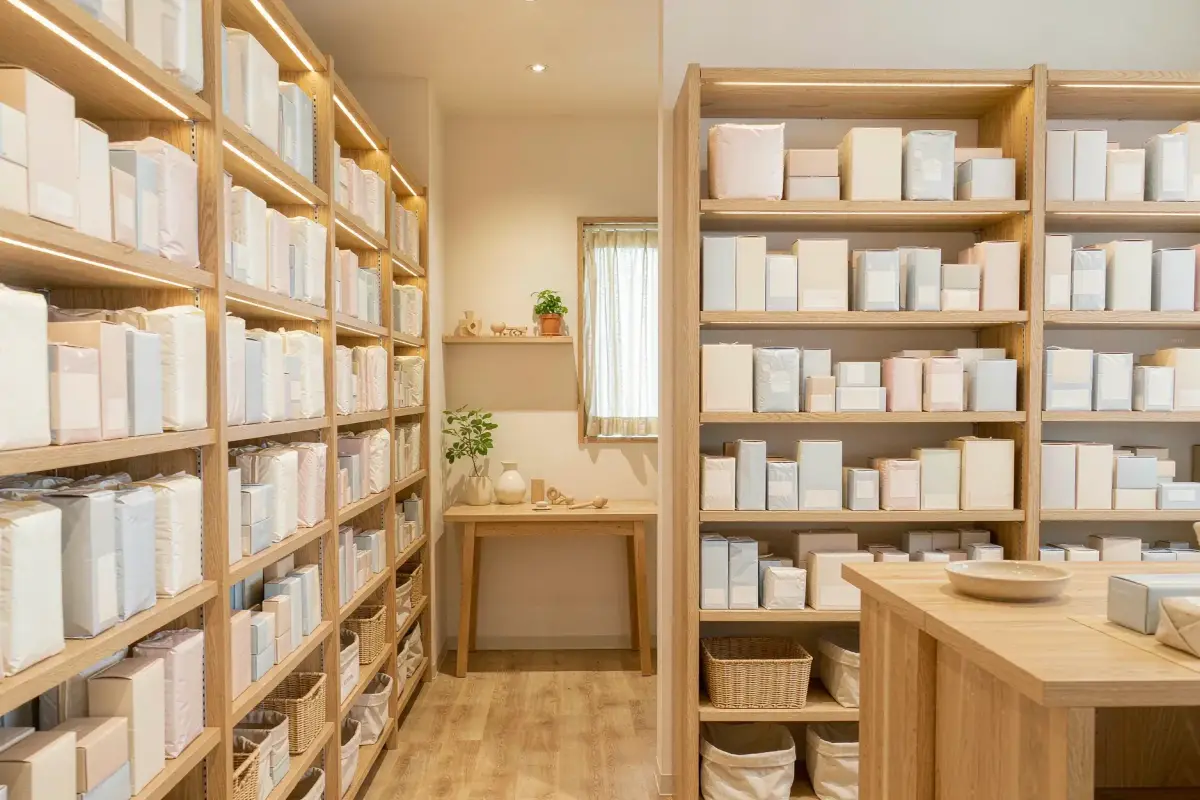
Independent baby stores are the fastest channel for a new diaper distributor: there is no buying committee, no slotting fee and no tender calendar - the owner decides, often in the first conversation. Win the owner with three things: a per-pack margin story you can compute together, a starter assortment of 8-12 SKUs across tape diapers, pull-up pants and wipes, and a fixed weekly or biweekly reorder routine. Expect cash-on-delivery terms, hands-on shelf management and pricing discipline so your modern-trade and marketplace prices never undercut the shops that took the risk on you.
- Decision-maker: the owner or head buyer - one person, one conversation, no listing fee.
- Margin math, not margin quotes - shops buy per-pack gross profit; compute it with the owner from landed cost instead of quoting an average that does not transfer between markets.
- Starter assortment: 8-12 SKUs - tape diapers NB-M, pull-up pants L-XL, one wipes line, optional tissue or towels.
- Reorder cadence: weekly or biweekly visits beat monthly drops; small, frequent orders keep stock fresh and cash moving.
- Channel strategy, pricing and anti-crossover rules are mapped in the distribution channels hub; apply at moni-happy.com/partner.
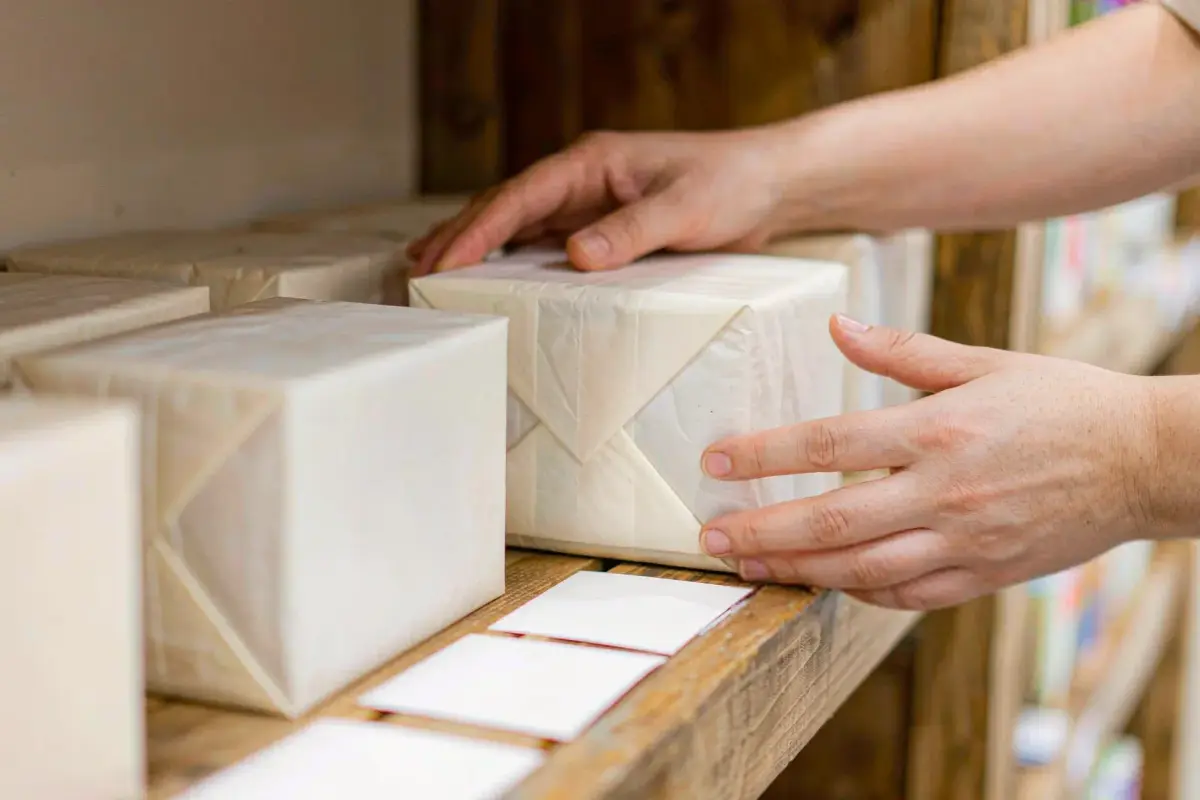
Why are independent baby stores worth the effort?
Three reasons. First, advice: shop staff recommend brands, and a recommended diaper sells at full margin without promotion. Second, premium space: independent stores carry ranges and pack sizes that mass channels skip, which is where pull-up pants and premium tape diapers earn their margin. Third, speed: you can be on shelf within days of the first conversation, which makes these stores the natural launch pad before approaching modern trade. The channel-by-channel economics are compared in the channels hub.
Who do I need to convince, and what do they care about?
The owner. Their questions, in order, are: how much do I make per pack, will it sell before it expires, and what happens when a customer complains. Prepare a one-page answer to each: the margin math, a sell-through plan anchored in local birth numbers and competitor gaps, and the claim process. Bring a sample pack the owner can open and test - absorbency, softness and waistband feel decide the conversation faster than any brochure. The sample checklist doubles as your demo script.
What starter assortment should I pitch?
Keep the first order tight - a broad, shallow range is the most common new-distributor mistake. A practical starter set:
- Tape diapers in NB, S and M - the newborn core that drives repeat visits; add L and XL on the second order.
- Pull-up pants in L and XL - the higher-margin trend category for active toddlers; see the pants line.
- One wipes line - 99% purified-water wipes attach to nearly every diaper sale.
- Optional trial lines - a small quantity of facial tissue or cotton towels to test attach rate without committing shelf space.
Use the size-mix guide to convert that SKU list into cartons, and the pull-up pants wholesale guide for the pants economics.
What margin conversation makes a store say yes?
Shops think in gross profit per pack, not percentages: their retail price minus the price you charge them, multiplied by packs sold per month. There is no average figure to quote - as the retail markup guide explains, margin belongs to the seller rather than the category, and a number borrowed from another market plans a business that does not work. Do the math with the owner on one page: the indicative landed-cost band (roughly US$0.18-0.28 per piece after freight, duty and VAT, country-dependent), the distributor gross-margin band the brand quotes in its formal offer (commonly 15-25% after landed cost in the region), and the shop's own markup on top. Then compare against what nearby shops charge for comparable packs - that gap is the real negotiation. The profit-per-pack guide and wholesale price guide provide the worked method.
How do I handle payment, credit and reorders?
Independent stores usually trade on cash-on-delivery or short terms, which protects your working capital but demands discipline: a fixed delivery day, a printed order sheet and a simple running account. Start COD, and only extend short credit to stores with a proven payment record. Keep reorder quantities small and frequent - a store selling, for example, 40-60 packs a week should reorder weekly rather than monthly - and count stock with the owner on each visit to catch slow movers early. The inventory guide sets out reorder points.
How do I keep other channels from undercutting my stores?
Price conflict kills independent-channel trust faster than anything else. Keep pack sizes or bundles channel-specific where possible, hold marketplace prices at or above shop retail, and give stores things online cannot copy: staff training, demo samples, loyalty cards and priority on new sizes. Modern trade needs a different playbook entirely - slotting fees, listing negotiations and promo calendars - as covered in the supermarket listing guide, while marketplace selling covers the online side.
What support should the brand provide?
A credible programme supplies the tools that make a small shop sell: POS materials and shelf talkers, staff training on the product range, launch co-investment for the first activity and a named contact for claims. Ask specifically what is included before signing - the brand support guide lists what a strong programme covers. Request territory availability, pricing and samples at /partner.
Frequently asked questions
How do I get an independent baby store to stock my diapers?
Lead with the per-pack margin math, bring a sample pack the owner can test, pitch a tight starter assortment of 8-12 SKUs, and promise a fixed weekly or biweekly reorder visit. Owners buy from people they trust, so the first conversation is about reliability, not price lists.
What margin do independent baby stores expect on diapers?
There is no single figure - margin belongs to the seller, not the category. The practical test is the shop's gross profit per pack (their price minus yours) and how fast the pack turns; regional distributor gross margins commonly sit in a 15-25% band after landed cost, with the shop's markup on top, subject to a formal quotation.
Do I need to pay slotting fees for independent stores?
No. Independent stores rarely charge listing fees; the investment is your time, samples and POS materials. Modern-trade slotting fees are a different game, covered in the supermarket listing guide.
How do I stop e-commerce prices from undercutting my stores?
Keep pack sizes or bundles channel-specific, hold marketplace prices at or above shop retail, and give stores exclusive trial packs or services - such as staff training - that online cannot copy.
Bottom line: Independent baby stores are the lowest-friction entry channel for a new diaper distributor: no slotting fees, one decision-maker and shelf space within days. Win the owner with a per-pack margin story computed from landed cost, a tight 8-12 SKU starter range and a fixed reorder routine - then protect those shops with channel-specific pricing and real brand support.
Sources and further reading
Commercial figures are indicative planning ranges and subject to a formal quotation; statutory rates must be confirmed with a licensed customs broker.
Frequently Asked Questions
How do I get an independent baby store to stock my diapers?
Lead with the per-pack margin math, bring a sample pack the owner can test, pitch a tight starter assortment of 8-12 SKUs, and promise a fixed weekly or biweekly reorder visit. Owners buy from people they trust, so the first conversation is about reliability, not price lists.
What margin do independent baby stores expect on diapers?
There is no single figure - margin belongs to the seller, not the category. The practical test is the shop's gross profit per pack (their price minus yours) and how fast the pack turns; regional distributor gross margins commonly sit in a 15-25% band after landed cost, with the shop's markup on top, subject to a formal quotation.
Do I need to pay slotting fees for independent stores?
No. Independent stores rarely charge listing fees; the investment is your time, samples and POS materials. Modern-trade slotting fees are a different game, covered in the supermarket listing guide.
How do I stop e-commerce prices from undercutting my stores?
Keep pack sizes or bundles channel-specific, hold marketplace prices at or above shop retail, and give stores exclusive trial packs or services - such as staff training - that online cannot copy.
