2026-10-07 · Moni Happy Editorial Team
How Do You Verify a Genuine Japanese Baby Diaper Wholesale Supplier?
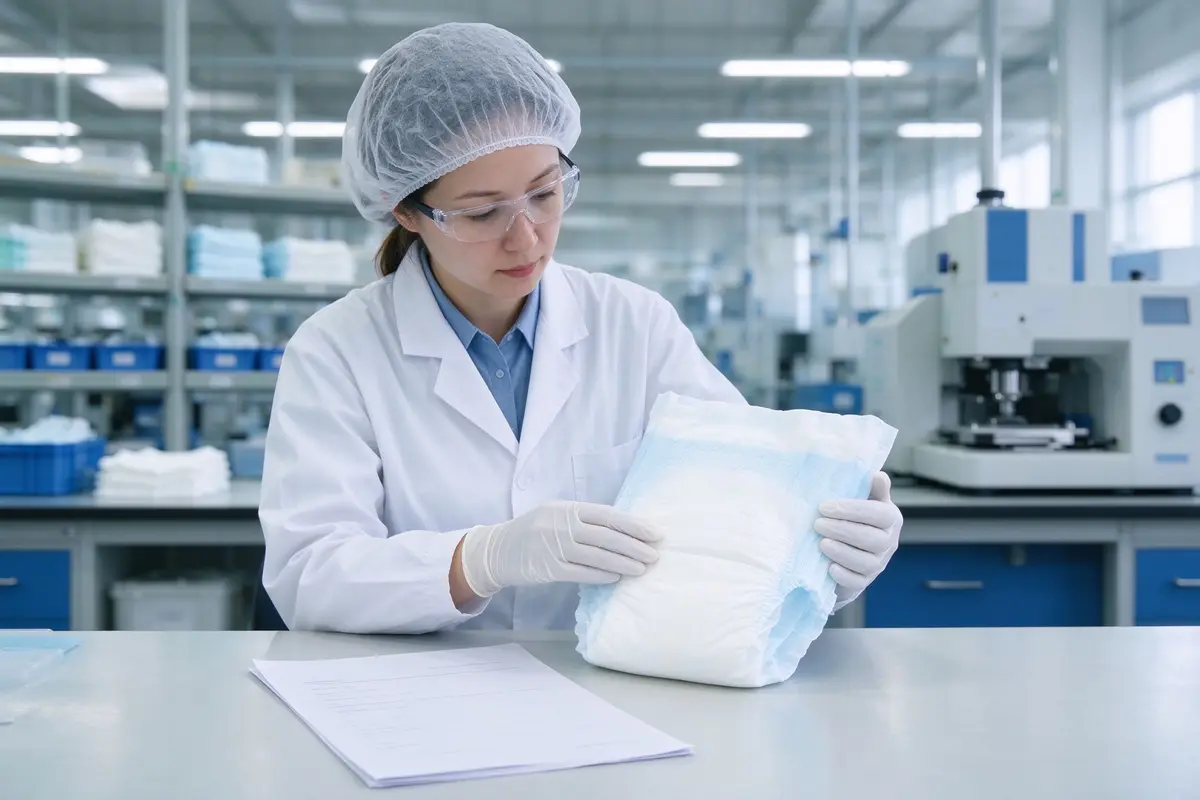
To verify a genuine Japanese diaper supplier, cross-check five things before paying any deposit: the registered company and export licence, a live factory or video audit, original safety and quality certificates issued to that exact legal entity, verifiable market references, and a paid sample or small trial order. Because premium Japanese diapers command a price premium, they also attract traders and counterfeiters posing as manufacturers, so document verification is not optional.
- Verify five layers: registered company/export licence, factory audit, original certificates (Dermatest, ISO), references, and a paid trial order.
- Dermatest's 5-Star 'Excellent' rating is a strong skin-safety signal; confirm the certificate number and legal entity with Dermatest directly.
- ISO 9001 quality-management certification should name the manufacturing entity, not a generic trading office.
- Bank beneficiary details must match the contracted Japanese diaper supplier exactly.
- Use the official brand partner channel at moni-happy.com/partner for documented onboarding.
Verification is the step that protects every other number in your plan, from the wholesale price and MOQ to the payment terms. A genuine Japanese diaper supplier will welcome these checks; a fraudulent one will resist them.
How can you tell a genuine Japanese diaper supplier from a trader?
A manufacturer controls the production line, quality records and the brand's export paperwork; a trader resells between you and the factory. Trading companies are legitimate, but they must disclose their role. Ask directly whether the contact is the factory or an agent, request the factory's registered name and address, and compare it with the entity on certificates and the bank account.
Be cautious when the website shows only staged product renders, the address is a virtual office, the salesperson uses a free personal email, or the same images appear under several brand names. A real Japanese diaper supplier can show consistent branding, production capacity and named contacts.
Which company and factory documents should you request?
- Business registration and, where applicable, the manufacturer's export/import licence.
- Factory address, production-line photos and a live video walk-through on a normal production day.
- Product technical data sheet, materials declaration and carton packing list.
- Certificate of origin and the entity authorised to issue it.
- At least two verifiable distributor or retail references in other export markets.
For a first container, an independent third-party inspection before shipment is inexpensive insurance; a confident Japanese diaper supplier will agree to it.
How do you verify Dermatest and ISO certificates?
Premium Japanese diaper brands increasingly publish third-party skin-safety results. Dermatest, founded in Germany in 1978, awards a 5-Star 'Excellent' seal only after stringent dermatological testing; verify any certificate by its number and the exact tested entity directly with Dermatest, because a logo image alone can be copied.
Likewise, an ISO 9001 quality-management certificate should name the manufacturing site; check the certificate number with the issuing certification body and confirm the scope covers baby-hygiene production. Mismatched company names, expired dates or certificates issued to an unrelated office are red flags.
What should a factory audit or video inspection cover?
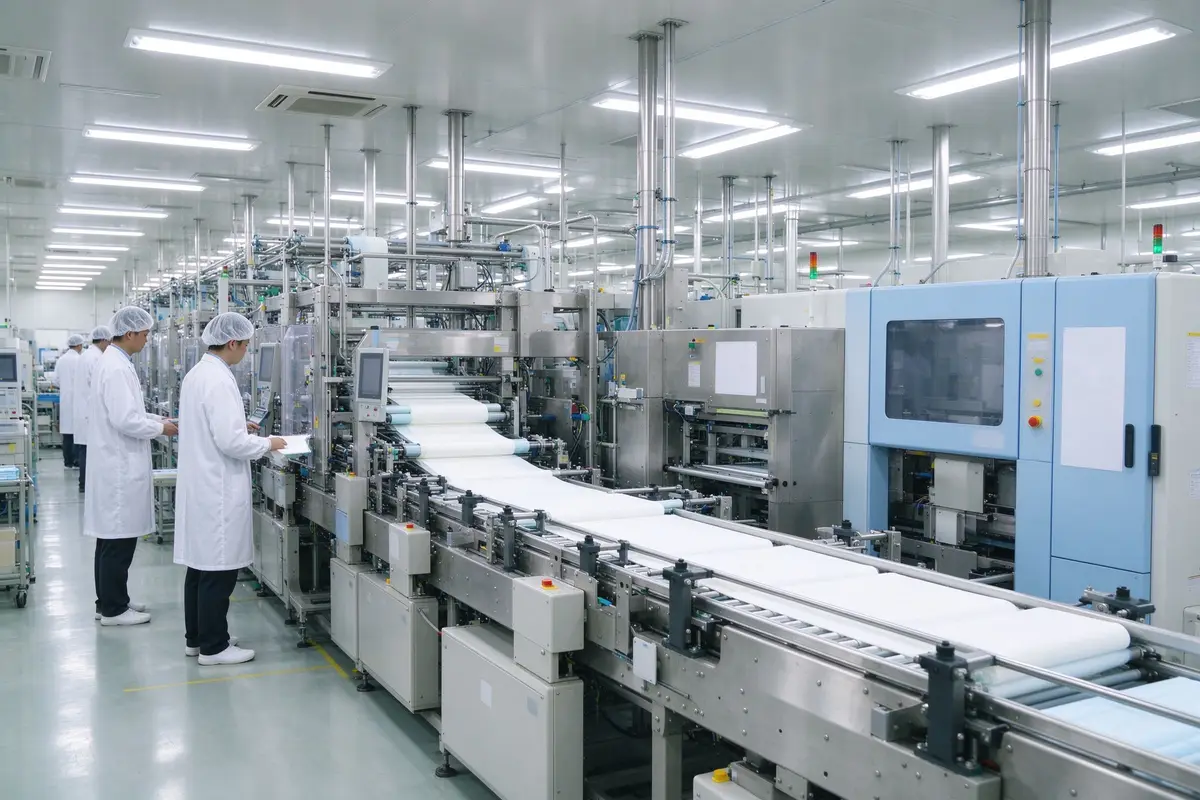
Whether on-site or by guided video, inspect raw-material storage, the forming and sealing line, metal-detection and weight checks, the laboratory, finished-goods warehousing and how traceability codes are printed. Ask to see the specific tape diaper and pull-up-pants lines you intend to buy, not a generic showroom. Note hygiene standards, automation and whether staff wear hairnets and gloves, all visible quality signals of a serious Japanese diaper supplier.
Should you order samples before a full container?
Yes, always. Pay for a sample carton or a small trial order and test absorbency, leakage, fit across sizes, lotion or fragrance content, packaging integrity and labelling consistency. Sampling costs a few hundred dollars but prevents a US$10,000-plus mistake; it also reveals how the Japanese diaper supplier handles communication, documentation and deadlines.
What warning signs indicate a fake diaper supplier?
- Refusal of video tours, audits or third-party inspection.
- Certificates that cannot be independently verified or name a different entity.
- Bank beneficiary that differs from the contracted company, or a last-minute account change.
- Prices far below the indicative premium FOB range of about US$0.10-0.22 per piece.
- Pressure to pay 100% immediately or via personal accounts or cryptocurrency.
For the destination side, confirm the HS 9619 duty on the ASEAN Tariff Finder and follow the structured onboarding in our become a distributor guide. Moni Happy provides registration, certificates and a formal quotation through its partner program so distributors can verify the brand directly.
Frequently asked questions
Sources and further reading
- Dermatest GmbH — 5-Star Excellent certification and certificate verification
- ISO — ISO 9001:2015 quality management systems standard
- ASEAN Tariff Finder — applied and preferential tariffs for HS 9619
Commercial figures are indicative planning ranges and subject to a formal quotation; statutory rates must be confirmed with a licensed customs broker.
Bottom line: A genuine Japanese diaper supplier passes company, factory, certificate, reference and trial-order checks without hesitation and uses bank details that match the contracted entity. Verify certificates with their issuers directly, never rely on emailed logos, and only pay a deposit once every layer lines up.
Frequently Asked Questions
How do I know if a Japanese diaper supplier is a real factory?
Cross-check the registered company and export licence, then take a live video factory tour or book an in-person or third-party audit.
How can I check a Dermatest certificate?
Ask for the certificate number and the exact legal entity, then verify it with Dermatest directly rather than trusting an emailed image.
Should I order samples before a full container?
Yes. A paid sample or small trial order tests product quality, packaging, absorbency and the supplier's communication before any deposit.
Is a trading company always a bad Japanese diaper supplier?
Not always, but a trader must disclose that role, name the factory, and let you verify certificates and the export entity yourself.
Distributor resources
If you are evaluating suppliers for your market, these are the pages that answer the commercial questions — in the order buyers usually need them.