
2026-10-09 · Moni Happy Editorial Team
Is Selling Baby Diapers in the Philippines Profitable in 2026?
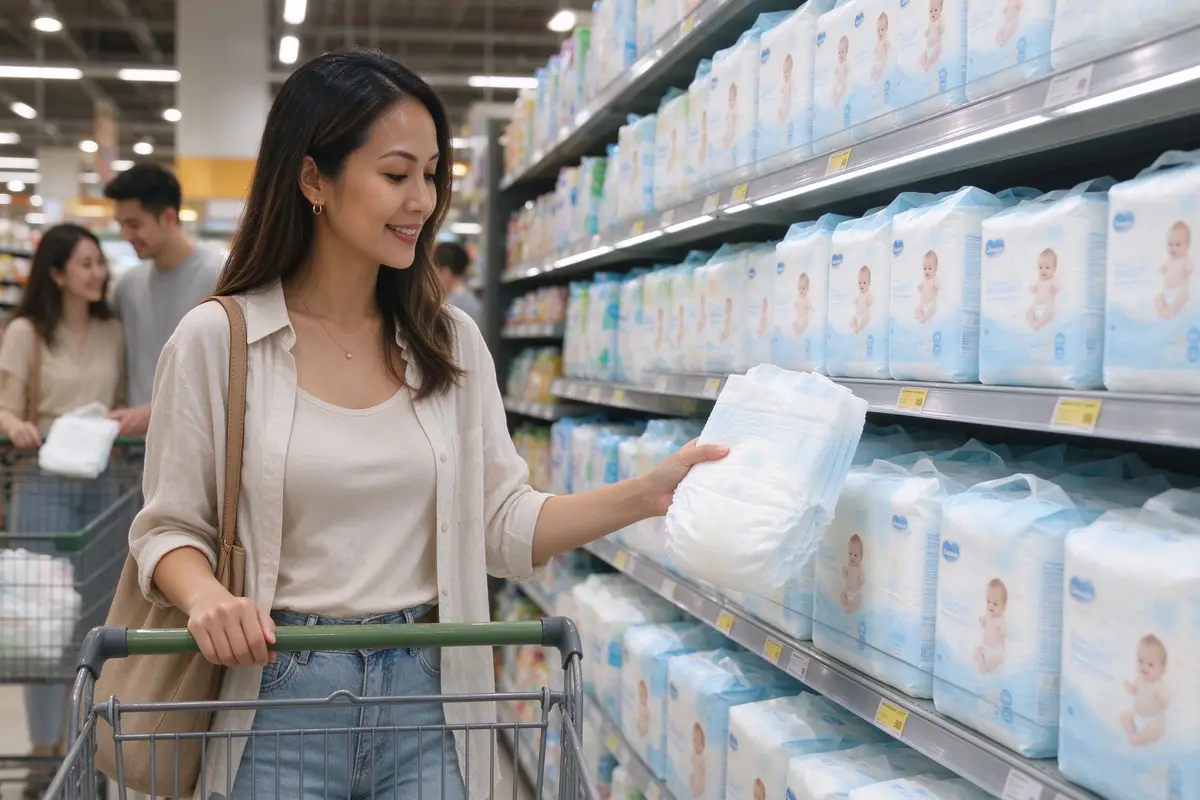
Yes, selling baby diapers in the Philippines can be profitable: diapers are a daily repeat purchase, distributors commonly target 15-25% gross margin, and the World Bank puts total fertility near 1.9 births per woman. The catch is that 12% VAT, HS 9619 duty, logistics to the islands and strong local and multinational brands mean a diaper distributor Philippines operation only earns that margin with disciplined landed cost and channel coverage.
- Total fertility: about 1.9 births per woman (World Bank), sustaining repeat diaper demand.
- Distributor gross margin commonly 15-25%; net margin after costs is far thinner.
- Imported goods generally face 12% VAT plus duty under HS 9619.
- Key channels: supermarkets and baby chains, online marketplaces, and the nationwide sari-sari store network.
- Country allocation for a diaper distributor Philippines: moni-happy.com/partner.
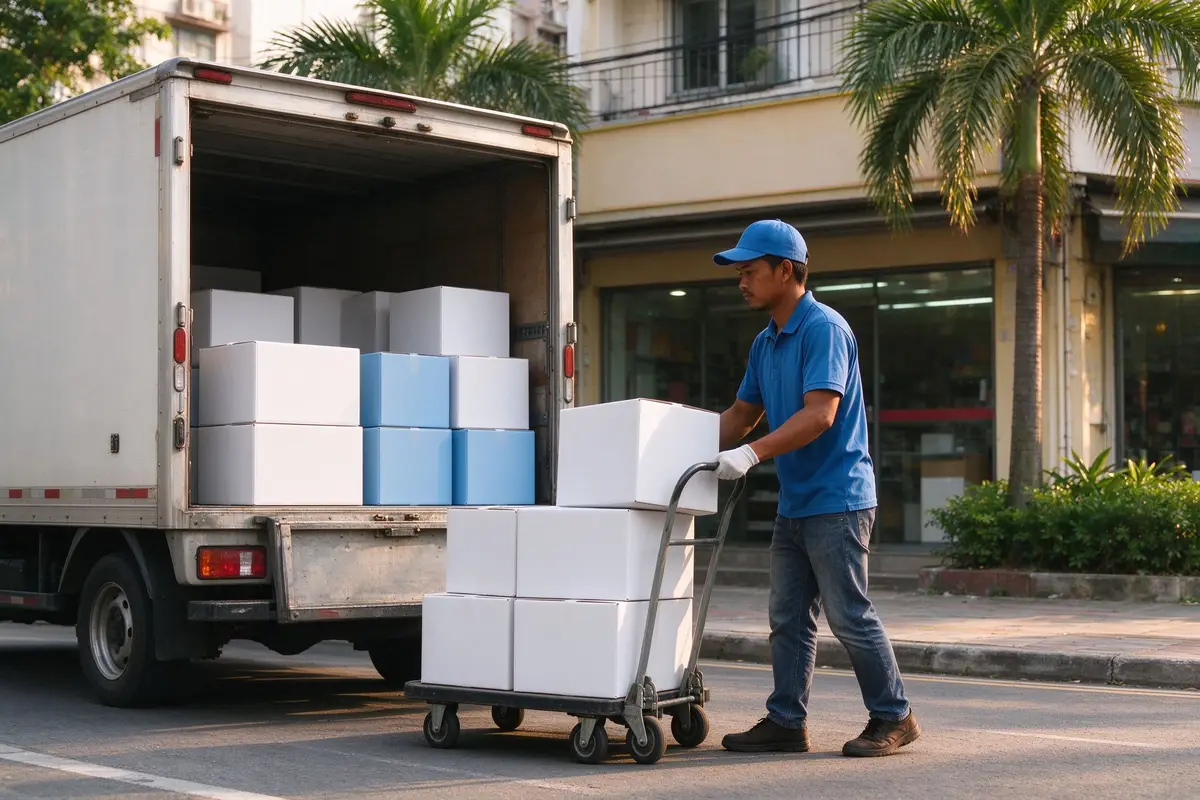
This country page is part of our Southeast Asia distribution channel overview; compare it with the Indonesia profitability country page before choosing your first market, and use the landed-cost breakdown to convert FOB price into a Philippine shelf price.
Is the baby diaper business profitable in the Philippines?
It can be, for the same reason diapers work across Southeast Asia: every baby uses several diapers a day for roughly two to three years, so demand is frequent and predictable rather than seasonal. A focused diaper distributor Philippines territory that wins consistent reorders can recover setup costs quickly, but profitability is decided by the gap between landed cost and the wholesale price the market will bear.
Gross margin of 15-25% is a common planning range; net margin after warehousing, delivery staff, credit, returns and spoilage is typically much smaller, so volume and sell-through matter more than a high headline markup. The worked per-container math is in the per-pack and per-carton margin analysis.
How big is demand for diapers in the Philippines?
The country combines a large, young population with World Bank total fertility of about 1.9, which supports a steady stream of newborns moving into diapers each year. Diaper penetration also rises as more parents switch from cloth to disposable and trade up from tape to pull-up pants for active toddlers, which keeps reorders steady for a diaper distributor Philippines operation. We have not relied on a single market-size forecast here; treat any quoted peso market value as a figure to verify against a licensed research source before using it in a business plan.
What taxes and duties apply to imported diapers?
Imported diapers are classified under HS 9619 and generally attract customs duty plus 12% value-added tax. Preferential certificates of origin can reduce duty where a trade agreement applies. Verify the exact applied rate for your origin and product on the official ASEAN Tariff Finder and follow import procedures published by the Philippine Bureau of Customs. Demographic inputs come from World Bank fertility data.
Which channels sell the most diapers in the Philippines?
- Modern trade: supermarkets, hypermarkets and national baby chains, which need consistent supply, barcodes and listing documents.
- Traditional trade: the dense network of neighborhood sari-sari stores, which reach everyday purchases but need small packs and frequent top-ups.
- Online: Shopee, Lazada and TikTok Shop, where bundle packs and subscriptions grow fast.
- Institutional: hospitals, maternity clinics and daycare buyers for newborn stages.
Many successful distributors start with modern trade for volume and use traditional trade and online to clear the full size range, including slower sizes.
How do you become a diaper distributor in the Philippines?
To become a diaper distributor Philippines-wide, start by registering the importing entity, then secure a supplier that provides clean import documents and credible quality certification, model landed cost including duty and 12% VAT, and place a first 20GP of fast-moving sizes. Use how to verify a genuine Japanese supplier before paying any deposit, and follow the step-by-step how to become a baby diaper distributor. Premium, dermatologically tested lines such as tape diapers and water wipes give smaller distributors a quality story to compete against low-price local brands.
Every diaper distributor Philippines partner receives the current country allocation, MOQ and indicative FOB pricing through the moni-happy.com/partner; the startup capital guide shows how much capital to reserve for duty, VAT and two months of working capital.
Frequently asked questions
Sources and further reading
- World Bank — Fertility rate, total (births per woman), indicator SP.DYN.TFRT.IN
- Philippines Bureau of Customs — official import procedures and customs information
- ASEAN Tariff Finder — applied and preferential tariffs for HS 9619
Commercial figures are indicative planning ranges and subject to a formal quotation; statutory rates must be confirmed with a licensed customs broker.
Bottom line: For a diaper distributor Philippines launch, the market offers real, repeat diaper demand at typical 15-25% distributor gross margins, but profit is earned after 12% VAT, HS 9619 duty and intense local competition. Verify duty and import procedures with the Bureau of Customs, model landed cost carefully, and cover both modern trade and sari-sari stores before scaling.
Frequently Asked Questions
Is the baby diaper business profitable in the Philippines?
It can be: diapers are a repeat daily purchase and distributors commonly target 15-25% gross margin, but 12% VAT, duty and strong local competition compress net profit.
What is the fertility rate driving diaper demand in the Philippines?
The World Bank reports total fertility near 1.9 births per woman, supporting a large, continuous base of infants and toddlers.
What tax applies to imported diapers in the Philippines?
Imported goods are generally subject to 12% VAT plus applicable customs duty under HS 9619; confirm the applied rate with the Bureau of Customs and a broker.
How do I become a diaper distributor Philippines-wide?
Secure a supplier with import documents and quality certificates, register the business, model landed cost, and start with one container serving supermarkets, baby chains and sari-sari stores.
Distributor resources
If you are evaluating suppliers for your market, these are the pages that answer the commercial questions — in the order buyers usually need them.