
2026-09-04 · Moni Happy Editorial Team
Southeast Asia Facial Tissue Market 2026: Premiumization & Eco-Friendly Trends
The Southeast Asian facial tissue market is undergoing a significant transformation as consumers across the region increasingly prioritize quality, sustainability, and skin-friendliness over pure price competition. Long viewed as a commodity category dominated by low-cost local brands, facial tissue is now experiencing a premiumization wave driven by rising middle-class incomes, growing health consciousness, and the proliferation of e-commerce channels that make premium products accessible to a broader consumer base. For brands and investors seeking to understand where to buy premium facial tissue and how the market is evolving, this analysis provides a comprehensive overview of the Southeast Asian facial tissue landscape, its growth drivers, and emerging trends.
Market Size and Growth Trajectory
Several structural factors underpin this growth.Public estimates for this market differ widely by source and by scope, so we do not quote a market size or a growth rate here. What we can speak to is the direction, and we would rather help you size one market from figures you can verify than publish a number we cannot source. Second, urbanization—currently at 52% and rising—increases consumption of packaged tissue products as consumers move away from traditional alternatives like handkerchiefs and reusable cloth. Third, the post-pandemic period has permanently elevated hygiene consciousness, with consumers using facial tissue more frequently for personal hygiene, surface cleaning, and mask-related skincare. Fourth, the growth of the hospitality and commercial sectors—hotels, restaurants, offices, and healthcare facilities—drives robust B2B demand for facial tissue in bulk formats.
Premiumization: The Defining Trend
The most significant shift in the Southeast Asian facial tissue market is the accelerating premiumization of the category. Historically, the market was polarized between low-cost local brands (priced at $0.30-0.60 per box) and imported premium brands (priced at $1.50-3.00 per box), with little in between. In recent years, however, a vibrant mid-premium segment has emerged, offering enhanced quality features at accessible price points ($0.80-1.50 per box). This mid-premium segment is growing at approximately 12-15% annually—nearly double the overall market growth rate.
Premium facial tissue products differentiate themselves through several key features:
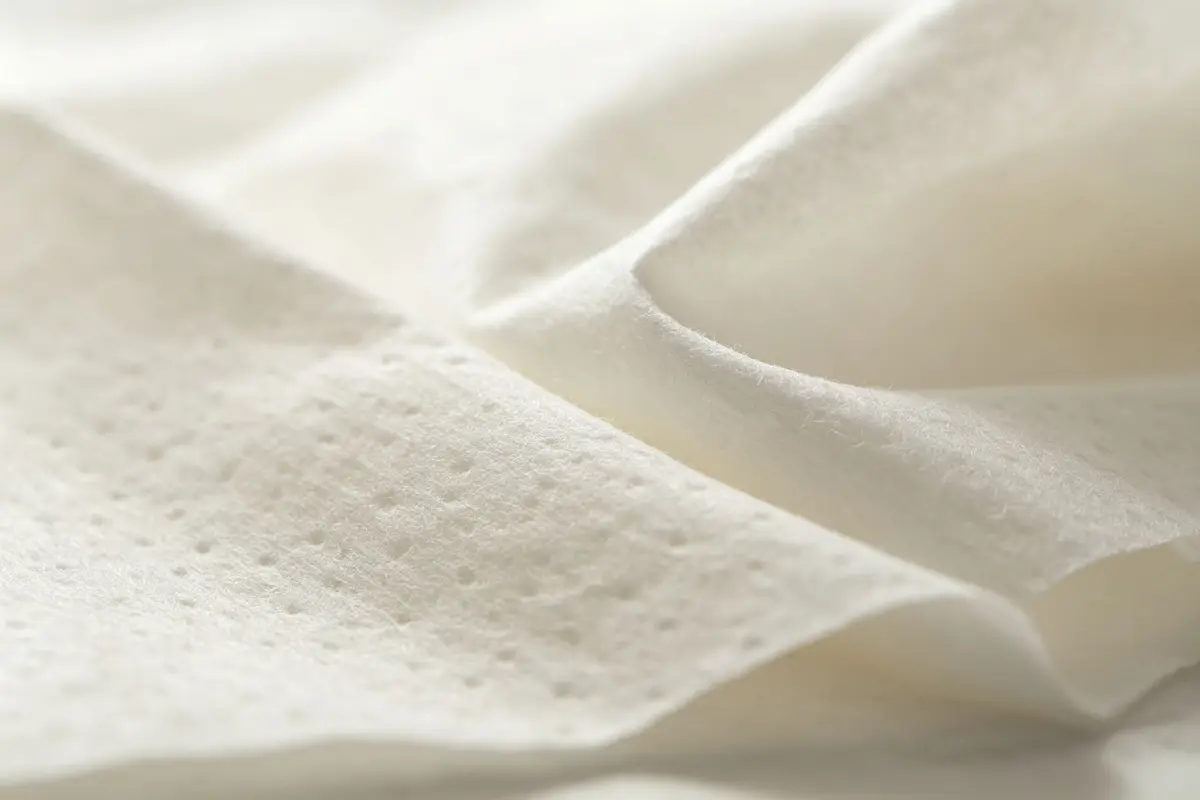
- Softness and smoothness: Premium tissues use longer fiber pulp, higher basis weight (typically 30-40 gsm vs. 20-25 gsm for economy), and additional plies (3-4 ply vs. 2 ply) for a luxuriously soft feel. Many premium brands use lotion or aloe vera coating for extra smoothness, which is particularly valued by consumers with sensitive skin or those who use tissue frequently for nose-blowing during cold and allergy season.
- Strength and durability: Premium tissues are engineered to be strong when wet, resisting tearing or leaving lint residue. This is achieved through fiber bonding technology, wet strength resins, and higher quality pulp. Consumers increasingly value "no lint" tissues, especially for use on the face, around the eyes, and for applying/removing skincare products.
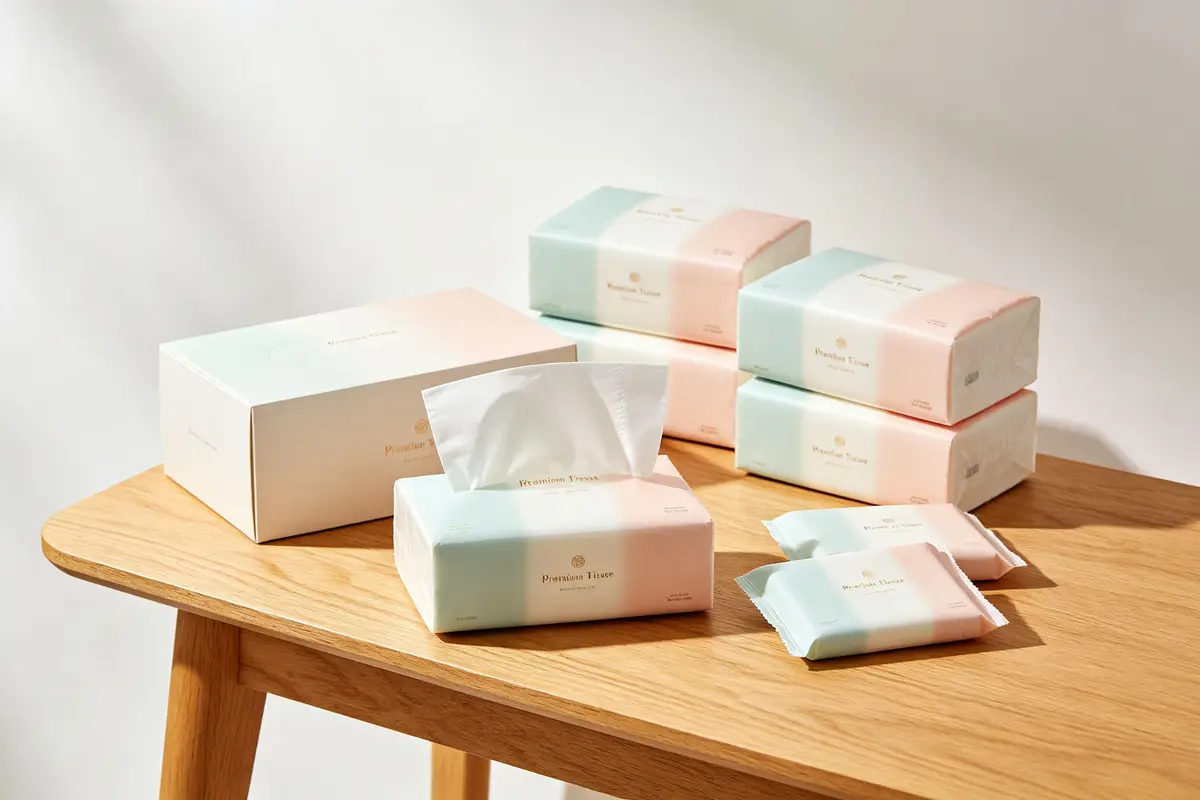
- Packaging design: Premium tissue brands invest heavily in packaging aesthetics, offering elegant box designs, pastel color palettes, minimalist branding, and decorative tissue boxes that complement modern home and office interiors. Some brands offer limited-edition designer collaborations or customizable box designs. This "lifestyle" positioning transforms facial tissue from a purely functional item into a home decor accessory—a trend particularly strong in Singapore, Malaysia, and urban Indonesia.
- Scent and skincare infusion: Premium tissues increasingly feature subtle, sophisticated scents (green tea, lavender, citrus) or skincare ingredients (aloe vera, vitamin E, chamomile, hyaluronic acid) that provide added skincare benefits. These "skincare tissues" are particularly popular among female consumers and in markets like Thailand and the Philippines where beauty-consciousness is high.
Eco-Friendly and Sustainable Materials
Sustainability has emerged as a major driver of innovation and purchasing decisions in the Southeast Asian facial tissue market. As environmental awareness grows across the region—particularly among millennial and Gen Z consumers—demand for eco-friendly tissue products is accelerating. Three material trends are reshaping the market:
1. Bamboo pulp: Bamboo is rapidly gaining popularity as a sustainable alternative to traditional wood pulp. Bamboo grows 3-5 times faster than trees, requires no pesticides or fertilizers, absorbs more carbon dioxide, and produces more oxygen than equivalent tree plantations. Bamboo fibers are also naturally longer and stronger, producing soft, durable tissue. Several Southeast Asian brands have launched bamboo facial tissue lines, positioning them as premium eco-friendly alternatives. Indonesia and Vietnam, with abundant bamboo resources, are well-positioned to become major bamboo pulp producers.
2. Recycled pulp: Tissue made from 100% recycled paper reduces reliance on virgin wood pulp and diverts waste from landfills. While recycled tissue was historically perceived as lower quality (rougher texture, grayish color), modern deinking and bleaching technology has significantly improved quality, making recycled tissue comparable to virgin pulp products in softness and appearance. Premium recycled tissue brands are gaining traction in Singapore and Malaysia, where environmental consciousness is highest.
3. Virgin pulp certification: For brands that continue to use virgin wood pulp, certification by the Forest Stewardship Council (FSC) or Programme for the Endorsement of Forest Certification (PEFC) is becoming a baseline requirement for premium positioning. These certifications ensure that the pulp comes from responsibly managed forests. Consumers increasingly check for FSC/PEFC labels when purchasing tissue products, and major retailers and commercial buyers often require certification as a condition of stocking.
Beyond materials, sustainability initiatives include plastic-free packaging (paper wraps instead of plastic), carbon-neutral manufacturing, water recycling in production, and tree-planting programs. Brands that can authentically communicate their sustainability credentials—through third-party certifications, transparent supply chains, and measurable environmental impact—are capturing disproportionate market share among eco-conscious consumers.
Distribution Landscape and Channel Dynamics
The Southeast Asian facial tissue distribution landscape mirrors the broader FMCG pattern of traditional trade dominance, with modern retail and e-commerce gaining share. Traditional trade—neighborhood stores, sari-sari stores, warung, and local minimarts—accounts for approximately 55-65% of facial tissue sales, particularly for economy and mid-tier products. However, the premium segment is disproportionately concentrated in modern retail and e-commerce channels.
Modern retail—supermarkets (FairPrice, Giant, Lotus's, Indomaret, Alfamart), hypermarkets (SM Supermarkets, AEON), and convenience stores (7-Eleven, Circle K)—accounts for approximately 25-30% of facial tissue sales and is the primary channel for premium brands. These channels provide the shelf space, merchandising support, and promotional environment necessary to build premium brand equity. Endcap displays, promotional bundles (buy 3 get 1 free), and in-store sampling are common tactics for driving premium tissue trial.
E-commerce—Shopee, Lazada, Tokopedia, and TikTok Shop—is the fastest-growing channel for facial tissue, growing at approximately 25-30% annually. E-commerce is particularly important for premium and niche brands that may not have broad retail distribution, as it allows direct-to-consumer access to consumers across the region. Bundle packs and subscription models (auto-replenishment with 10-15% discounts) are popular e-commerce formats for facial tissue, as the product is a recurring purchase with predictable consumption patterns. TikTok Shop's live commerce format has also proven effective for facial tissue, with brands demonstrating product softness, strength, and absorbency in real-time during live streams.
B2B/commercial channels—hotels, restaurants, offices, hospitals, schools, and airlines—represent a significant and growing segment, accounting for approximately 15-20% of total facial tissue volume. Commercial buyers prioritize consistent quality, bulk pricing, reliable supply, and branding options (custom-printed tissue boxes for hotels and restaurants). For premium facial tissue brands, the B2B channel offers an opportunity to build brand visibility in high-traffic environments and establish long-term contracts with stable revenue. For businesses seeking to partner with premium tissue suppliers in Southeast Asia, platforms like Moni Happy offer established distribution networks and B2B procurement solutions across the region's key markets.
Future Outlook and Strategic Implications
Looking ahead to 2028-2030, the Southeast Asian facial tissue market will continue to evolve along three key trajectories. First, premiumization will accelerate, with the mid-premium and premium segments growing at 2-3 times the rate of the economy segment. Brands that can deliver tangible quality differentiation—through superior softness, strength, skincare infusion, or packaging design—will capture disproportionate value. Second, sustainability will move from a "nice-to-have" to a "must-have" feature, with bamboo, recycled, and FSC-certified products becoming mainstream. Brands that fail to address sustainability will face increasing consumer and retailer pressure. Third, e-commerce and DTC models will continue to disrupt traditional distribution, enabling new brands to enter the market and allowing consumers to access a wider range of products than ever before.
For brands entering or expanding in the Southeast Asian facial tissue market, success will require a nuanced strategy that balances premium positioning with accessible pricing, leverages e-commerce for brand building while maintaining modern retail presence, authentically communicates sustainability credentials, and addresses the specific needs of each national market. The region's facial tissue market is no longer a commodity category—it is a dynamic, innovation-driven sector where quality, sustainability, and brand story drive consumer choice and market success.
Article Summary
The Southeast Asian facial tissue market ($2.8B in 2024, projected $3.Public estimates for this market differ widely by source and by scope, so we do not quote a market size or a growth rate here. What we can speak to is the direction, and we would rather help you size one market from figures you can verify than publish a number we cannot source. Indonesia is the largest market (35% share), followed by the Philippines, Thailand, Vietnam, and Malaysia. Premiumization is the defining trend, with the mid-premium segment growing at 12-15% annually, driven by demand for softer (3-4 ply, lotion-coated), stronger (wet-strength), better-packaged, and skincare-infused tissues. Sustainability trends include bamboo pulp (fast-growing, strong fibers), recycled pulp (improved quality via modern technology), and FSC/PEFC certification for virgin pulp. Distribution is dominated by traditional trade (55-65%), but modern retail (25-30%) and fast-growing e-commerce (25-30% growth) dominate the premium segment. B2B/commercial channels (hotels, offices, hospitals) represent 15-20% of volume. Future trends include continued premiumization, sustainability mainstreaming, and e-commerce/DTC disruption. For premium facial tissue brands and B2B buyers, Moni Happy offers product access and distribution partnership opportunities across Southeast Asia.
Frequently Asked Questions
What is the current size and growth rate of the Southeast Asian facial tissue market?
Public estimates for this market differ widely by source and by scope, so we do not quote a market size or a growth rate here. What we can speak to is the direction, and we would rather help you size one market from figures you can verify than publish a number we cannot source.Public estimates for this market differ widely by source and by scope, so we do not quote a market size or a growth rate here. What we can speak to is the direction, and we would rather help you size one market from figures you can verify than publish a number we cannot source.Public estimates for this market differ widely by source and by scope, so we do not quote a market size or a growth rate here. What we can speak to is the direction, and we would rather help you size one market from figures you can verify than publish a number we cannot source.8%. This growth rate significantly outpaces the global average of 4.2%, reflecting the region's favorable demographic and economic fundamentals. Indonesia is the largest market, accounting for approximately 35% of total facial tissue consumption, followed by the Philippines (18%), Thailand (16%), Vietnam (14%), and Malaysia (12%). Singapore, while smaller in absolute volume, has the highest per-capita consumption and the most mature premium segment.Public estimates for this market differ widely by source and by scope, so we do not quote a market size or a growth rate here. What we can speak to is the direction, and we would rather help you size one market from figures you can verify than publish a number we cannot source. The market is expected to continue its strong growth trajectory through 2030, with premium and eco-friendly segments growing at 2-3 times the overall market rate.
What is driving the premiumization trend in the Southeast Asian facial tissue market?
The premiumization of the Southeast Asian facial tissue market is being driven by several converging factors. First, rising middle-class incomes have increased consumers' willingness to pay for quality everyday products, with the mid-premium segment ($0.80-1.50 per box) growing at 12-15% annually—nearly double the overall market growth rate. Second, consumers increasingly value tangible quality features: softer tissues (3-4 ply, higher basis weight of 30-40 gsm vs. 20-25 gsm for economy, lotion/aloe coating for extra smoothness), stronger and more durable tissues (wet strength, no lint residue), and more aesthetically pleasing packaging (elegant box designs, pastel colors, limited-edition designer collaborations that position tissue as a home decor accessory). Third, skincare-infused tissues (aloe vera, vitamin E, chamomile, hyaluronic acid) and subtly scented tissues (green tea, lavender, citrus) are gaining popularity, particularly among beauty-conscious female consumers in Thailand and the Philippines. Fourth, e-commerce has made premium products accessible to a broader consumer base, enabling direct comparison shopping and exposing consumers to premium brands they may not find in local retail stores. Fifth, the post-pandemic hygiene focus has increased usage frequency, making quality and skin-friendliness more important as consumers use tissue more frequently for personal hygiene and skincare. For brands, premiumization offers higher margins and stronger brand loyalty, but requires investment in product quality, packaging design, and brand building.
What are the eco-friendly material trends in facial tissue and how do they compare?
Three major eco-friendly material trends are reshaping the Southeast Asian facial tissue market: (1) Bamboo pulp — Bamboo grows 3-5 times faster than trees, requires no pesticides or fertilizers, absorbs more CO2, and produces more oxygen than tree plantations. Bamboo fibers are naturally longer and stronger, producing soft, durable tissue. Indonesia and Vietnam have abundant bamboo resources and are well-positioned to become major producers. Bamboo tissue is positioned as a premium eco-friendly alternative. (2) Recycled pulp — Tissue made from 100% recycled paper reduces reliance on virgin wood pulp and diverts waste from landfills. Historically perceived as lower quality (rougher, grayish), modern deinking and bleaching technology has significantly improved quality, making recycled tissue comparable to virgin pulp in softness and appearance. Premium recycled tissue is gaining traction in Singapore and Malaysia where environmental consciousness is highest. (3) FSC/PEFC certified virgin pulp — For brands using virgin wood pulp, Forest Stewardship Council (FSC) or Programme for the Endorsement of Forest Certification (PEFC) certification is becoming a baseline premium requirement, ensuring pulp comes from responsibly managed forests. Consumers increasingly check for these labels, and major retailers often require certification. Comparison: Bamboo offers the best sustainability profile with premium quality, but supply chain is still developing. Recycled pulp is the most environmentally efficient (circular economy) but faces lingering quality perceptions. FSC-certified virgin pulp offers the most consistent premium quality but has a higher environmental footprint than bamboo or recycled. Beyond materials, brands are also adopting plastic-free packaging, carbon-neutral manufacturing, water recycling, and tree-planting programs. Brands that authentically communicate sustainability through third-party certifications and measurable impact are capturing market share among eco-conscious millennial and Gen Z consumers.
Where can businesses buy premium facial tissue in bulk in Southeast Asia?
Businesses seeking to buy premium facial tissue in bulk in Southeast Asia have several channel options depending on their volume, location, and specific requirements: (1) Direct from manufacturers/brand owners — For large-volume buyers (hotels, hospitals, large office chains, distributors), purchasing directly from premium tissue manufacturers or brand owners offers the best pricing and customization options (custom-printed tissue boxes, private label, tailored specifications). Many premium brands have dedicated B2B sales teams across Southeast Asia. (2) Distributors and wholesalers — Regional and national distributors carry multiple premium tissue brands and offer consolidated ordering, flexible delivery schedules, and localized support. This is ideal for medium-volume buyers or those needing multiple product categories. (3) E-commerce B2B platforms — Shopee Business, Lazada Business, and Tokopedia Mitra offer bulk purchasing with competitive pricing, convenient online ordering, and delivery across the region. These platforms are particularly useful for small and medium businesses, startups, and one-time bulk purchases. TikTok Shop also offers bulk deals during live commerce sessions. (4) Cash-and-carry and wholesale clubs — Makro, Costco (in select markets), and local cash-and-carry outlets offer bulk packaging at wholesale prices, ideal for businesses that prefer to physically inspect products before purchasing. (5) Platforms like Moni Happy — For businesses seeking premium facial tissue with established quality standards and distribution support, <a href='https://moni-happy.com/tissue/'>Moni Happy's facial tissue collection</a> offers premium products suitable for both retail and B2B use, and the <a href='https://moni-happy.com/partner/'>partnership program</a> provides distribution and procurement solutions across Southeast Asia's key markets. When selecting a bulk supplier, businesses should consider: product quality consistency (softness, strength, lint-free), certification (FSC, ISO, dermatologically tested), packaging customization options, minimum order quantities, delivery reliability and lead times, payment terms, and after-sales support. For commercial buyers (hotels, restaurants, offices), custom-branded tissue boxes can serve as a subtle marketing touchpoint and should be discussed with the supplier. Establishing long-term supplier relationships often yields better pricing, priority delivery, and collaborative product development opportunities.