
2026-11-21 · Moni Happy
What breaks an ACFTA Form E claim on a diaper wholesale container?

Most ACFTA Form E claims fail on paper, not on origin. A declared description that does not match the carton print, a third-party invoice without the box ticked, or a transit through a third country with no Movement Certificate will lose the preference even when every gram of pulp in the diaper is Chinese.
That matters because the preference is not small change. On the 8-digit line for diapers, HS 9619.00, several ASEAN members apply a double-digit MFN rate and zero under ACFTA, so a 20GP carrying 48,000 pieces at a FOB of 0.10 to 0.22 dollars per piece is exposed to duty on a value of 4,800 to 10,560 dollars. A refused certificate hands that back at the counter, and the argument happens after the goods are already on the quay.
What does a Form E actually change on a diaper wholesale container?
It changes one line of the tax computation, the import duty, and it leaves the rest of the landed cost untouched.
An ACFTA certificate of origin, universally called Form E, tells the importing customs authority that the goods qualify as Chinese origin and should be assessed at the preferential rate instead of the MFN rate. It does not touch import VAT, which is calculated on the customs value plus duty and is charged whether or not the certificate exists. It does not touch freight, terminal handling or the forwarder's charges. Check the exact rate on the specific 8-digit line in the ASEAN Tariff Finder before you build a landed cost, because the gap between MFN and preferential moves by country and by tariff line, and in Singapore it is zero on both sides of the comparison.
The commercial value of the document therefore depends on where the container lands. The import duty saving is the only thing the certificate buys, so a diaper wholesale buyer shipping into a market where the MFN line is already zero gets nothing except paperwork. The same buyer routing the same load into a market with a high MFN line gets the whole preference, which is usually the difference between a viable retail price and one that sits above the shelf.
Which boxes get a certificate rejected at the counter?
Three do most of the damage: the origin criterion, the goods description, and the declarations in the final box.
- Origin criterion. The box that states which rule the goods met, and the ACFTA value content percentage where that rule applies. Left blank or filled with a rule the product cannot meet, it is the first thing a verification officer attacks.
- Goods description. It has to be specific enough for an officer to match it to the carton in front of him. Baby diapers, pull-up pants, wet wipes and facial tissue are four different lines with four different duty treatments, and one container often carries three of them.
- The declarations. Retroactive issuance, third-party invoicing and exhibition consignments all live in the same place. A certificate that was issued after shipment but does not carry the retroactive mark reads as a document created to order.
None of these is a factory problem. They are all decided by whoever prepares the export documents, which is why the checklist belongs in the purchase order and not in the forwarder's inbox three days before the vessel sails.
Why must the description match the carton, not the invoice?
Because the officer compares the paper against the physical cargo, and the cargo is the carton.
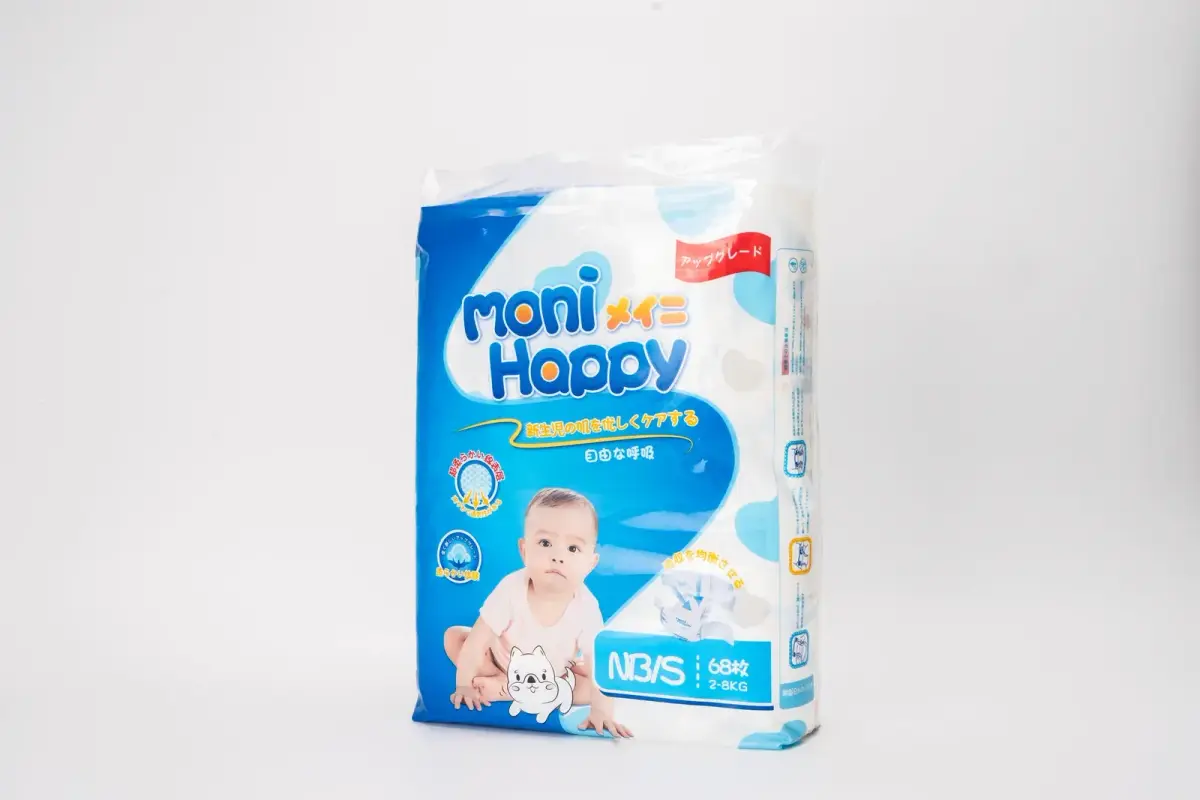
A container of diapers is rarely one product. A typical first order runs four size bands, one pull-up pants line and two wet wipes SKUs, each with its own piece count and its own carton artwork. If the certificate says baby diapers while the invoice lists three sizes of pull-up pants, the officer has a legitimate reason to hold the line. The fix costs nothing at the drafting stage: describe each line the way the carton prints it, including the size band and the piece count, and keep the invoice wording identical.
What happens when the container transits a third country before arrival?
The preference survives, but only if the transit is documented as transit and not as a new export.
Laos is the clearest case in this region. Cargo routinely moves through a Thai port and then overland, and the rules allow a Movement Certificate to be issued by the intermediate party so the preference follows the goods. Four conditions apply. The importer in the middle country and the exporter applying for the certificate must be the same party. A valid original Form E has to be presented. The quantity on the Movement Certificate cannot exceed the quantity on the original. And the goods may not be processed in the middle country beyond repacking and logistics activity. The Movement Certificate expires on the same date as the original.
Where this breaks is at the handover. A Thai trader who buys the container outright and re-invoices a Lao buyer has performed a sale, not a transit, and the original certificate no longer describes the transaction. That is one reason Lao buyers still pay a middleman premium, and it is worth asking about early rather than discovering it at the border.
How long is the certificate valid, and what can still be fixed after sailing?
The certificate runs for one year from the date of issue, and the retroactive window runs for 12 months from the shipment date.
In principle the document is issued before or at the time of shipment, with a three-day grace period after the shipment date. Past that, the exporter can apply for retroactive issuance within 12 months, and the certificate then has to carry the retroactive mark. The importing authority is entitled to ask for the shipment documents before accepting it, and a post that is already suspicious of the origin will ask. If the certificate is lost, stolen or destroyed, a certified true copy can be issued within one year of the original date, and it keeps the original date rather than the reissue date.
Two practical consequences. First, a shipment that sails without a certificate is not automatically a duty loss; it is a duty deposit followed by a refund claim. Second, a buyer who receives a certificate that was issued three weeks after the vessel left should check the retroactive mark before filing, because an unmarked late certificate is the single most common reason a preferential claim is refused on the first pass.
What does a customs retroactive check cost in cash and time?
Time is 90 days for the answer and up to 60 more for a site visit, and cash is a deposit at the higher rate.
When the importing customs authority has doubts, it can suspend the preference and release the goods against a deposit equal to the duty at the applied MFN rate. The exporting authority then has 90 days from receipt of the request to reply, and if the reply is not convincing the importing side can request a verification visit, which has to be conducted within 60 days of the notification. Until the file closes, the deposit is money out of the importer's working capital, and the refund only follows a positive outcome.
For a mid-size importer running two containers a month, a single suspended preference can lock up more cash than the entire duty saving on the annual contract. That asymmetry is worth remembering the next time a supplier offers to sort the certificate out after the goods arrive.
How should a buyer split the certificate work with the supplier?
Split it in writing, before the proforma is signed, and assign each item to one party.
- Tariff line. The supplier confirms the 8-digit HS code per SKU, and the buyer checks it against the destination tariff schedule. Do this once per SKU and keep the table.
- Carton artwork. The buyer supplies the destination label requirements, and the supplier confirms the carton print matches the certificate wording.
- Invoice party. If a trading company sits between the factory and the importer, the certificate must declare third-party invoicing. Deciding this late is how perfectly good shipments lose their preference.
- Routing. Whoever books the freight states whether the cargo transits a third country, so a Movement Certificate can be requested at the same time as the original.
- Document custody. The triplicate copy stays with the exporter. If a claim is challenged a year later, that copy is the evidence.
Frequently asked questions
Does a Form E reduce import VAT as well as duty?
No. Import VAT is charged on the customs value plus duty, whatever certificate you present. The certificate moves the duty line only, and the VAT is paid at the border and recovered later against output tax by a registered importer.
Can a Form E be issued after the vessel has sailed?
Yes, within 12 months of the shipment date, provided the certificate is marked as issued retroactively. The importing customs authority still has to accept it, and it may ask for the shipment documents first.
What happens if one SKU in the container is misdescribed?
In principle only that line loses the preference. The rules say a problem with one item should not delay clearance of the rest, though a single mismatch usually triggers a full document check in practice.
Is a separate certificate needed for each container?
One certificate per consignment, covering one or more invoice lines. Consignments below 200 US dollars FOB are exempt and can travel on a simplified origin declaration.
Sources and further reading
- ASEAN Tariff Finder, checked November 2026 for HS 9619.00 MFN and ACFTA preferential lines.
- ASEAN Secretariat, Protocol to Amend the Framework Agreement on Comprehensive Economic Co-operation between ASEAN and China, Rules 11 to 18 on issuance, retroactive issue, Movement Certificates and verification.
- Thai Customs Department, guidance on preferential clearance and post-clearance audit, accessed November 2026.
- WTO tariff data, MFN bound rates for textile-based absorbent articles.
Bottom line. The certificate is cheap to get right at the drafting stage and expensive to repair at the border. Confirm the tariff line per SKU, print the carton and the certificate from the same wording, declare any intermediary invoice, and ask about transit routing before the booking is made. A diaper wholesale buyer who treats the certificate of origin as part of the order, rather than as paperwork that follows it, keeps the duty preference that the price was built on.
If you are costing a first container into Vietnam, Thailand, Malaysia, Singapore or Laos, our team can share the duty and landed cost worksheet we use for each market. Request pricing and free samples, or start with the wholesale price, MOQ and margin guide and the diaper range.
Frequently Asked Questions
Does a Form E reduce import VAT as well as duty?
No. Import VAT is charged on the customs value plus duty, whatever certificate you present. The Form E only moves the duty line, and the VAT is still paid at the border and recovered later against output tax if the importer is registered.
Can a Form E be issued after the vessel has sailed?
Yes, within 12 months of the shipment date, with the box marked issued retroactively. The importing customs authority still has to accept it, and some posts ask for the shipment documents before they will.
What if one SKU in the container is misdescribed?
Only that line loses the preference in principle. Under the ACFTA rules a problem with one item should not delay clearance of the others, though in practice a single mismatch often triggers a full document check.
Is a Form E needed for every container?
Yes, one certificate per consignment, and it can cover several invoice lines. Consignments under 200 US dollars FOB are exempt and can travel on a simplified origin declaration.
Distributor resources
If you are evaluating suppliers for your market, these are the pages that answer the commercial questions — in the order buyers usually need them.
