
2026-10-19 · Moni Happy
What Diaper Pack Sizes Should I Stock for Different Retail Channels?
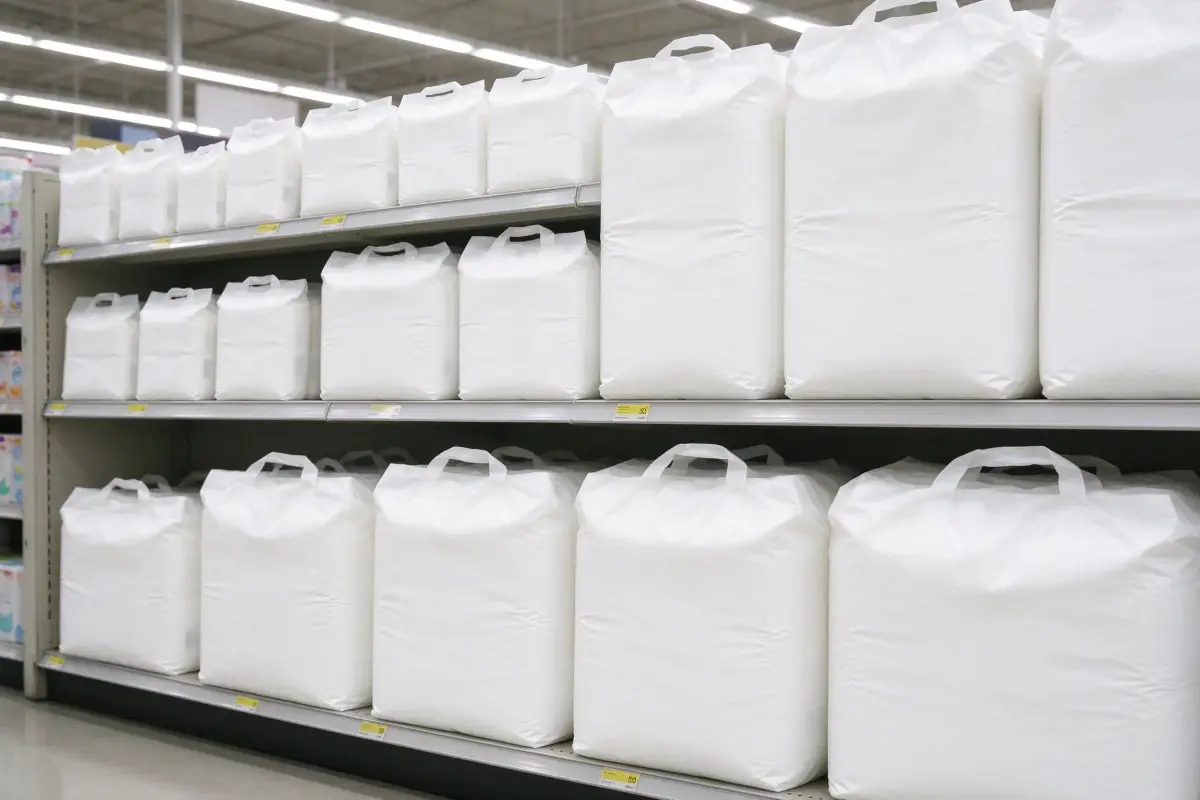
Diaper pack size should follow the channel: small packs of roughly 2-6 pieces fit neighborhood shops and street trade, medium packs of about 10-20 pieces suit pharmacies and baby stores, and large or value packs of 30-60+ pieces belong in supermarkets where the per-diaper price is the headline. A baby diaper distributor should order all three so the same product can sit at a low entry price in a small shop and a low unit price on a big shelf. Exact counts are confirmed per item on the formal quotation.
- Small packs (around 2-6 pieces): neighborhood shops, street trade, low entry price.
- Medium packs (around 10-20 pieces): pharmacies and baby stores, weekly top-up.
- Large/value packs (around 30-60+ pieces): supermarkets, lowest price per diaper.
- Travel packs support impulse and gifting sales at convenience and transit outlets.
- Confirm exact counts and carton ratios at the partner program.
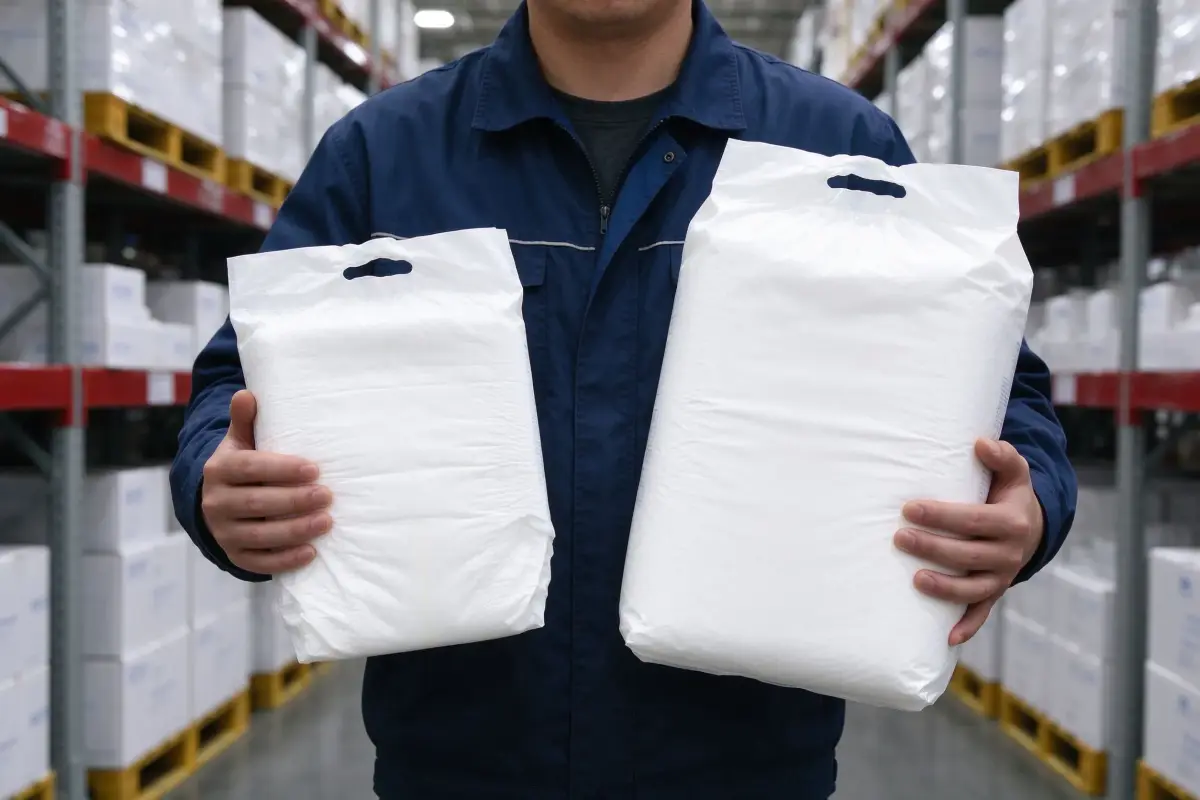
One wholesale diaper does not suit every shelf. Pack size controls three things at once: the price point a shopper sees, the shelf space a retailer must give, and the amount of cash a baby diaper distributor ties up per line. Get the pack sizes right and the same container can serve a street kiosk, a pharmacy, and a supermarket without discounting the product.
Why does pack size matter across retail channels?
A neighborhood shopper often buys a few diapers for the day, while a supermarket parent stocks up for the month. Small packs lower the entry price and the retailer's risk, but they cost more per diaper and need more frequent replenishment. Large packs offer the cheapest unit price and move efficiently through big outlets, but they take shelf space and require the buyer to commit more money. The pack is the bridge between the product and the customer a baby diaper distributor serves.
Which pack sizes sell in small neighborhood and street shops?
Small packs of roughly 2-6 pieces are the fastest movers in kiosks, wet-market stalls, sari-sari stores, and village grocers. They sit at a low cash price, turn over quickly, and let the shop try the brand without holding much stock. A baby diaper distributor should supply these in small, frequent drops and keep them near the counter; the margin per piece is slightly lower, but the turnover and low exposure are valuable.
What pack sizes work in pharmacies and independent baby stores?
Medium packs of around 10-20 pieces fit the weekly or two-weekly top-up cycle of pharmacy chains and baby specialty stores, where staff also advise on size and skin benefits. These packs balance a sensible price with enough diapers to feel like real value, and they display neatly on narrow shelves. Pair them with a counter-size small pack for new customers and a wipe bundle, following the channel guidance in the Southeast Asia distribution channels guide.
Which pack sizes belong in supermarkets and modern trade?
Large and value packs of around 30-60+ pieces are the supermarket staple. They are merchandised on the lowest per-diaper price and reward parents who buy in bulk. Jumbo packs need more shelf space and are heavier to handle, so they move through fewer, larger deliveries. A baby diaper distributor should expect 30-90 day payment terms here and plan cash accordingly, as covered in the wholesale price and margin hub. Travel packs also earn impulse space at convenience stores, petrol stations, and transit shops.
How do I order a balanced mix of pack sizes?
Build the mix from the channels you actually supply, not from a single average. A common starting point for a baby diaper distributor leans toward small and medium packs where neighborhood and pharmacy trade dominate, then adds large packs for any supermarket listings. Ask the brand for the carton ratios and size-mix sheet, and request the current pack list at https://moni-happy.com/partner/ before the first container is booked.
Frequently asked questions
What diaper pack size sells best in small shops?
Small packs of around 2-6 pieces, because they have a low entry price and turn over quickly.
What pack size do pharmacies prefer?
Medium packs of around 10-20 pieces that match a weekly or two-weekly top-up.
What size goes into supermarkets?
Large value packs of around 30-60+ pieces sold on the lowest price per diaper.
How should I split my first order by pack size?
Weight small and medium packs to your neighborhood and pharmacy sales, then add large packs for supermarket listings.
Sources and further reading
- GS1 standards for packaging and identification
- World Bank Logistics Performance Index
- ASEAN Tariff Finder
Commercial figures are indicative planning ranges and subject to a formal quotation; statutory rates must be confirmed with a licensed customs broker.
Bottom line: Match diaper pack size to the channel: small packs around 2-6 pieces for neighborhood shops, medium packs around 10-20 pieces for pharmacies and baby stores, and large packs around 30-60+ pieces for supermarkets. Ordering all three lets one container serve every shelf at the right price point. Confirm exact counts, carton ratios, and size mix through the partner program before booking.
Frequently Asked Questions
What diaper pack size sells best in small neighborhood shops?
Small packs of around 2-6 pieces, because they have a low entry price and turn over quickly.
What pack size do pharmacies and baby stores prefer?
Medium packs of around 10-20 pieces that match a weekly or two-weekly top-up cycle.
What diaper pack size belongs in supermarkets?
Large value packs of around 30-60+ pieces, merchandised on the lowest price per diaper.
How should I split my first order by pack size?
Lean toward small and medium packs for neighborhood and pharmacy sales, then add large packs for supermarket listings.
Distributor resources
If you are evaluating suppliers for your market, these are the pages that answer the commercial questions — in the order buyers usually need them.