
2026-11-20 · Moni Happy
What does a wipes wholesale line need before a Vietnamese maternity ward trials it?
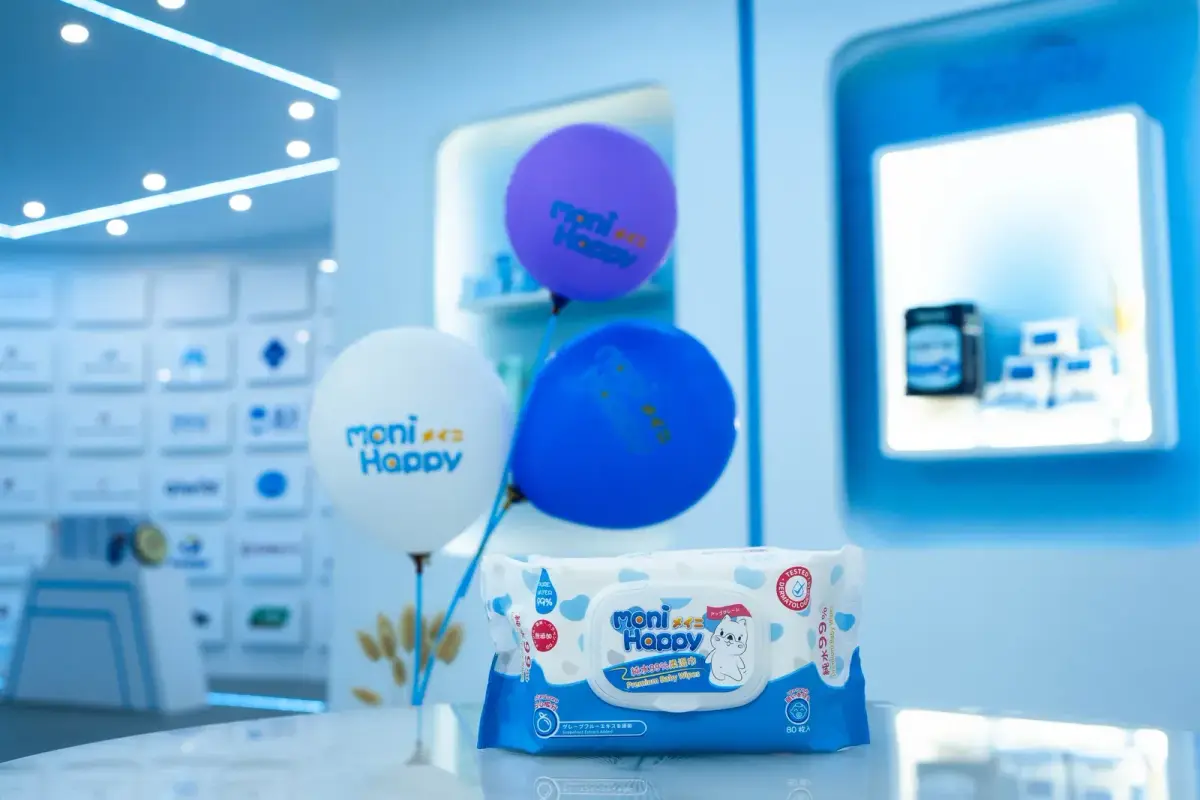
A Vietnamese maternity ward will trial a wipes line for two to four weeks across 20 to 40 beds, and the result usually turns on one thing: whether a midwife can pull a single sheet out of the pack with one wet hand while holding a newborn with the other. Everything else in the brief, from water content to grammage, is either a hygiene requirement or a price argument. A wipes wholesale supplier who arrives with a supermarket specification and a marketing deck loses to a competitor whose pack opens cleanly at 3am on a night shift.
A hospital trial is also the only stage where four different buyers inside one account look at the same pack: the procurement officer, the head midwife, the infection control nurse and the store keeper. Product registration clears the first desk. It clears none of the other three.
Which Vietnamese hospitals buy wipes directly?
Private groups buy fast and public hospitals buy slowly, and the two need different paperwork.
Private maternity and paediatric groups, along with the international clinics in Ho Chi Minh City and Hanoi, run their own purchasing and can move from sample to purchase order in six to ten weeks. Public hospitals and their maternity departments buy through competitive procurement against a published specification, which puts the product in a tender rather than in a buyer's hands. A maternity ward inside a public hospital therefore has two budgets and two routes, and the consumable one is the slower. The specification in that tender is often written by the clinical department that already uses something, which is the reason a trial matters: whoever is in the ward when the specification is drafted tends to be the product the specification describes.
Both routes need a Vietnamese entity or a distributor with one. Invoicing a ward from overseas is not a path that closes, it is a path that never opens.
What does a ward trial actually measure?
Four things, and three of them are about handling rather than about the wipe itself.
- Single-sheet dispensing. One hand, one pull, one sheet. A pack that gives two or three sheets at a time is wasting product on every change, and the ward notices within a day.
- Lid reseal after repeated opening. A ward pack is opened 30 to 60 times a shift. A lid that stops sticking by day three dries the top sheets and the pack gets thrown away half full.
- Liquid release. Enough to clean meconium without dripping, which is a balance between liquid ratio and substrate, not a grammage number on its own. A wipe at pH 5.5 close to skin pH is what most Vietnamese ward protocols now ask for, and 70 to 80 percent liquid by weight is the range where a 50 gsm spunlace still releases cleanly.
- Smell. Fragrance-free is standard in a newborn ward. A perfumed wipe in a room with six mothers is a complaint, and complaints end trials.
None of these show up in a specification sheet. They show up on a trolley, which is why the trial exists and why sending samples to the procurement office instead of the ward is a wasted shipment. A hospital trial that is not observed on the trolley measures nothing at all; it produces a thank-you note and a return to the incumbent pack.
Which registration does a wipes line need to enter a hospital?
The claim on the pack decides the class, and the class decides the paperwork.
A wipe that only cleans is handled as a cosmetic or a general consumer product and needs a product notification published through the national single window, with a Vietnamese label showing ingredients, batch, expiry and importer. Add a claim that reads as disinfection or antibacterial and the product moves into a different regulatory category with a different dossier, a longer timeline and a different set of permitted ingredients. Most suppliers who fail at this stage fail by writing one extra word on the front panel.
Product registration is not a formality that runs in parallel with selling; it has to be published before the first paid invoice, and a hospital trial that begins without it usually ends at that invoice. Keep the pack to cleansing, water content and material. Say 99 percent water if that is the formulation, name the substrate, and leave the clinical language to the hospital's own protocol. The label still has to be in Vietnamese, and the batch and expiry have to be legible at arm's length under ward lighting, not just compliant on paper.
How does procurement run in a public hospital?
Specification first, price second, and the specification is the only place a new product can enter.
Public procurement in Vietnam runs under a competitive process with published criteria, and for consumables the criteria are usually built from the specification the clinical department already works to. A supplier outside that specification cannot win on price, because a lower price on an unlisted specification is not a valid bid. That is why the ward trial carries commercial weight well beyond the 40 beds it covers: it is the only mechanism that puts a product into the conversation before the specification is fixed.
Timelines are long. A new specification cycle can run three to six months from drafting to award, and a hospital may run one cycle a year for consumables. A supplier who starts the trial in March is realistically supplying in the following budget year, which means the working capital plan has to carry the gap.
What pack format works on a ward trolley?
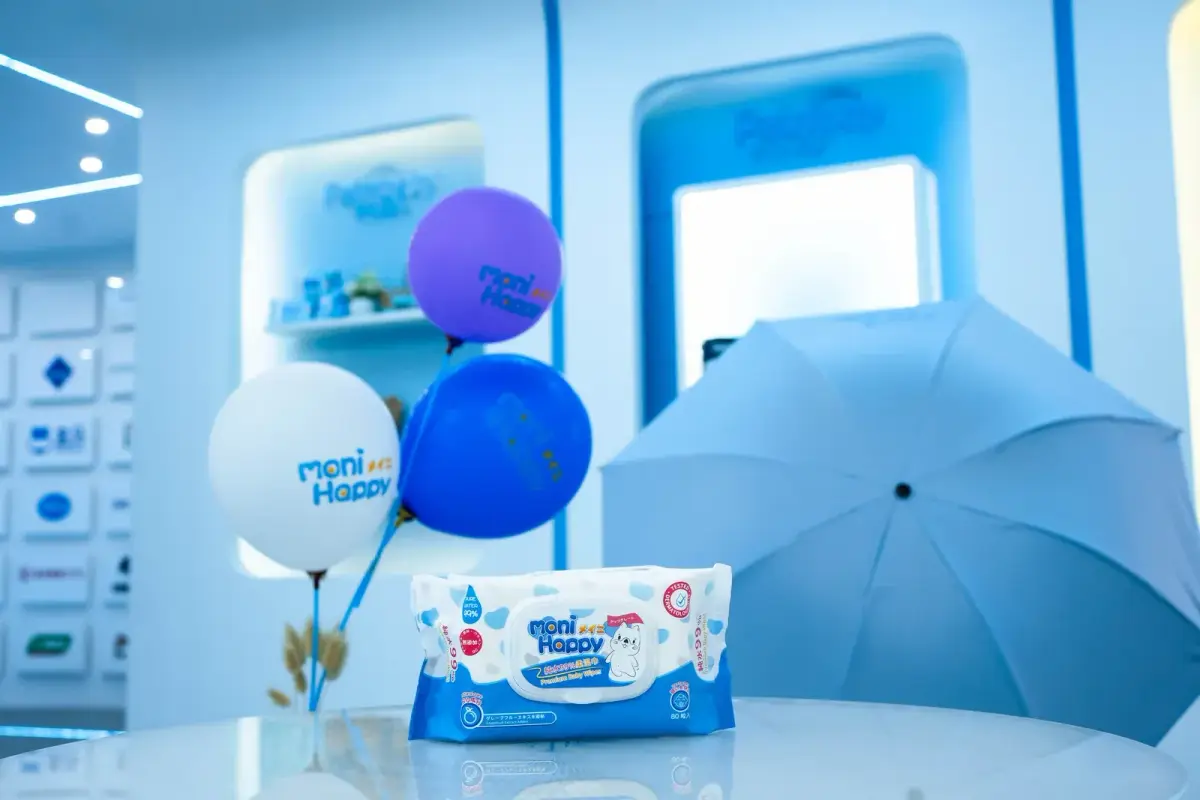
One 80-sheet soft pack for the trolley, one 20 to 30 sheet pack for the bedside, and nothing else.
A 40-bed maternity ward at 3 to 5 packs per bed per day gets through 120 to 200 packs a week, so the trolley pack is refilled twice a shift and the lid is opened 30 to 60 times in that window. A trolley pack has to stand upright in a wire basket and be openable without lifting it out. That rules out formats that only work lying flat, and it rules out tubs, which take both hands and a flat surface. The bedside pack exists for the mother who is changing a nappy at 2am without calling anyone, and it is the format that builds brand recognition with the person who will buy the product again at a pharmacy three weeks later.
Pack format also decides how the ward stores stock between deliveries. Two SKUs is the practical ceiling for a ward. A third size fragments the order and adds a carton configuration the distributor has to hold. Suppliers who try to place five formats in one hospital usually end up with one format that turns and four that expire on a shelf in the store room, which the ward then blames on the brand.
What does the trial cost the supplier?
Two to six cartons and a month of a local representative's time, which is cheap against a specification that then runs for years.
For a wipes wholesale supplier new to the channel, free goods are the small part. The real cost is the visit pattern: a trial that is not observed decays within a week, because the ward reverts to whatever was on the trolley before. Someone has to be in the corridor at shift change, watching how the pack is opened, how many sheets come out, and where the empty pack ends up. That observation is the only source of the feedback that turns a ward trial into a specification.
Budget for it as a marketing cost rather than a sample cost. A trial run by a distributor's sales rep who visits twice in four weeks produces a polite thank-you letter and no order.
How do you convert a trial into a supply contract?
By writing the specification while the trial is still running, not after it ends.
A hospital trial that ends with nothing in writing leaves the ward with an impression and the procurement office with no document. Take the four trial findings, turn them into measurable lines, and hand them to the clinical department as a draft specification: sheet count per pull, lid reseal cycles, liquid ratio, fragrance-free declaration, pack dimensions for the trolley basket. A department that has just finished a trial and has a draft in front of it will edit the draft. A department asked to write a specification from scratch will describe the incumbent.
Price comes after that, and it comes as a landed cost per sheet rather than per pack, because that is the unit a ward budget is managed on. Suppliers preparing a first hospital entry usually run it alongside a retail line to share the substrate order; the pack and channel options for that split sit in our wet wipes range, and a partner enquiry will get you the trial pack formats and the registration paperwork list.
Frequently asked questions
Can a distributor run the trial instead of the brand?
Yes, and it usually works better. The ward deals with a person who will still be there next year, which is the distributor.
Is a 99 percent water claim an advantage in a ward?
It is a useful differentiator with mothers, and a neutral one with procurement. Clinical staff care about residue and fragrance far more.
Do hospitals ask for a specific substrate?
Sometimes. More often they describe behaviour, such as no lint on a newborn's skin, and leave the material open.
What ends a trial early?
A lid that fails, a pack that dispenses multiple sheets, or a fragrance. Any one of the three removes the product from the trolley within days.
Sources and further reading
- Vietnam Customs — import documentation and tariff references for consumer goods.
- World Health Organization — hand hygiene and newborn care guidance that ward protocols reference.
- EDANA — nonwoven substrate specifications and test methods.
Bottom line
A Vietnamese maternity ward buys a handling experience, not a specification sheet. Two SKUs, a lid that reseals for a month, no fragrance, and a Vietnamese label that keeps the claim on cleansing. Win the trolley for four weeks, then write the specification while the ward still remembers the trial.
Frequently Asked Questions
Does a hospital trial need a registered product?
Yes. A product sold into a Vietnamese hospital needs a published product notification or registration depending on the claim, plus a Vietnamese label. A trial does not suspend that requirement.
How long does a ward trial run?
Two to four weeks on 20 to 40 beds is typical. Shorter trials measure nothing, because a midwife's shift pattern repeats weekly and one week catches only part of it.
Which claims are safe on a hospital pack?
Cleansing, water content and material. Anything that reads as disinfection moves the product into a different regulatory class with a different registration.
Can a trial start before the tender?
In a public hospital, product evaluation and procurement are separate processes. Evaluation informs the specification, but supply still runs through the procurement route.
Distributor resources
If you are evaluating suppliers for your market, these are the pages that answer the commercial questions — in the order buyers usually need them.
