
2026-09-04 · Moni Happy Editorial Team
Where to Buy Baby Diaper Rash Cream Online in Southeast Asia: 2026 Buying Guide
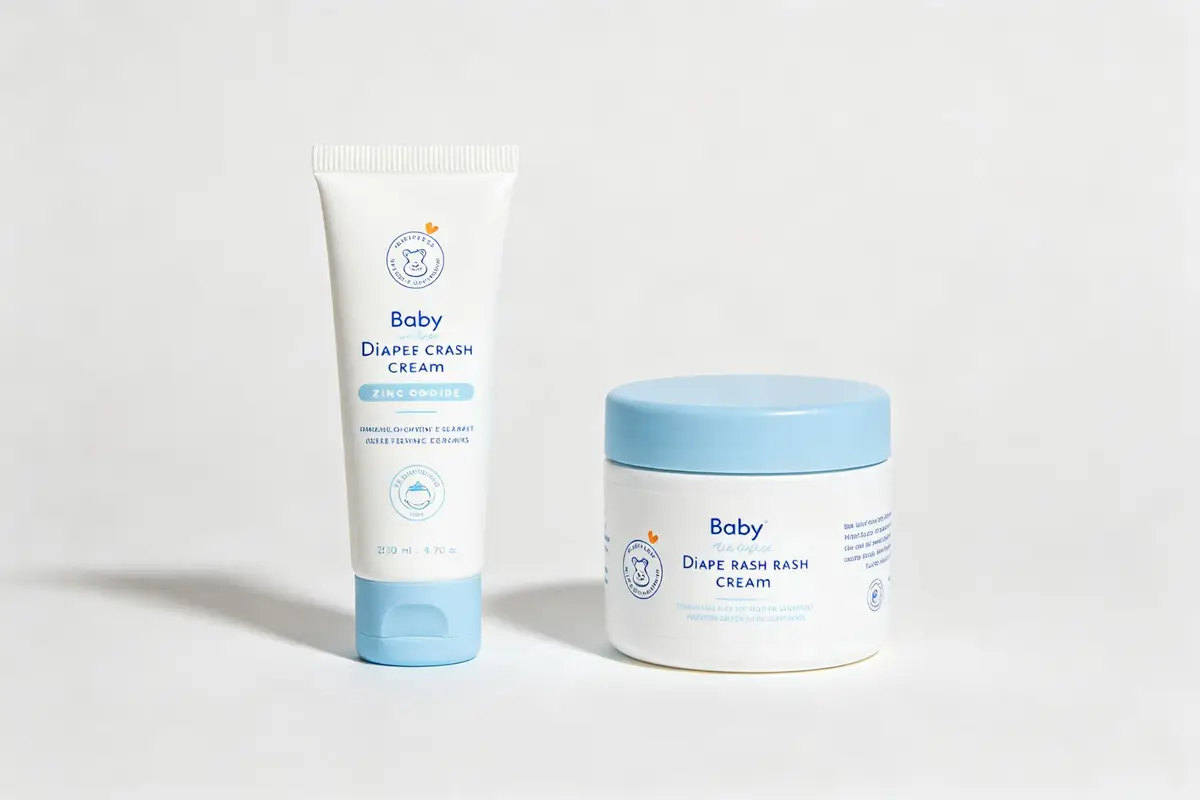
Where to Buy Baby Diaper Rash Cream Online in Southeast Asia: 2026 Buying Guide & Market Analysis
Diaper rash affects up to 50% of babies in their first year, making diaper rash cream one of the most essential items in any parent's baby care arsenal.Public estimates for this market differ widely by source and by scope, so we do not quote a market size or a growth rate here. What we can speak to is the direction, and we would rather help you size one market from figures you can verify than publish a number we cannot source.9 billion by 2028 with online sales accounting for 42% of total baby product purchases—parents increasingly search for where to buy baby diaper rash cream online. This comprehensive guide analyzes the Southeast Asian diaper rash cream market, compares leading products, and provides parents with expert guidance on choosing and purchasing the right cream online.
Market OPublic estimates for this market differ widely by source and by scope, so we do not quote a market size or a growth rate here. What we can speak to is the direction: demand for biodegradable and plastic-free wipe formats is rising across the region, and we would rather help you size one market from figures you can verify than publish a number we cannot source. Key market dynamics include:
- E-commerce dominance: Online sales of baby skincare products in Southeast Asia grew 38% year-over-year in 2025, with Shopee, Lazada, and TikTok Shop capturing 78% of the online baby care market. Parents prefer online purchasing for convenience, competitive pricing, subscription options, and access to product reviews and comparisons.Public estimates for this market differ widely by source and by scope, so we do not quote a market size or a growth rate here. What we can speak to is the direction, and we would rather help you size one market from figures you can verify than publish a number we cannot source. Parents are willing to pay more for products with natural ingredients, dermatological certifications (Dermatest, pediatrician-tested), and transparent formulations.
- Natural and organic demand: Products marketed as "natural," "organic," or "plant-based" now account for 34% of diaper rash cream sales in Southeast Asia, up from 22% in 2022. Parents increasingly avoid products with parabens, phthalates, synthetic fragrances, and petroleum-based ingredients.
- Regional brand growth: Southeast Asian baby skincare brands are gaining market share against global incumbents, driven by tropical-climate-specific formulations (higher humidity, heat, and fungal infection prevalence), competitive pricing, and strong e-commerce marketing. Regional brands captured 28% of the diaper rash cream market in 2025, up from 15% in 2022.
Understanding Diaper Rash: Types & Causes
Before choosing a diaper rash cream, it's important to understand the different types of diaper rash and their causes, as the appropriate treatment varies:
- Irritant diaper dermatitis (most common, ~70% of cases): Caused by prolonged exposure to urine and feces, which irritate the baby's delicate skin. Appears as red, inflamed skin in the diaper area (buttocks, thighs, genital area). Treated with barrier creams (zinc oxide, petroleum jelly) and frequent diaper changes.
- Candidal (yeast/fungal) diaper rash (~20% of cases): Caused by Candida albicans yeast overgrowth, often following antibiotic use or prolonged moisture. Appears as bright red, sharply demarcated rash with satellite pustules (small red bumps around the main rash area). Requires antifungal cream (clotrimazole, miconazole) in addition to barrier cream. More common in tropical Southeast Asian climates due to high heat and humidity.
- Allergic/contact dermatitis (~5% of cases): Caused by allergic reaction to diaper materials, wipes, detergents, or skincare products. Appears as red, itchy rash in areas contacting the allergen. Requires identifying and removing the allergen, plus topical treatment.
- Bacterial infection (impetigo, ~5% of cases): Caused by bacterial infection (Staphylococcus or Streptococcus). Appears as pus-filled blisters, honey-colored crusts, or rapidly spreading redness. Requires prescription antibiotic cream or oral antibiotics.
When to see a doctor: If the rash is bright red with satellite spots (possible yeast infection), has blisters or pus (possible bacterial infection), doesn't improve after 3-5 days of home treatment, is accompanied by fever, or if your baby seems in significant pain or is lethargic, consult a pediatrician. Fungal and bacterial infections require prescription treatment that over-the-counter barrier creams won't resolve.
Key Ingredients to Look For (and Avoid)
Effective active ingredients:
- Zinc oxide (10-40%): The gold standard barrier ingredient. Creates a protective barrier on the skin, repels moisture, and has mild antiseptic and anti-inflammatory properties. Higher concentrations (25-40%) are for moderate to severe rash; lower concentrations (10-15%) are for daily prevention. Zinc oxide is non-toxic, non-irritating, and safe for newborns.
- Petroleum jelly (white petrolatum): An occlusive barrier that locks in moisture and protects skin from irritants. Very affordable and effective for mild rash and daily prevention. Some parents prefer to avoid petroleum-based products for environmental reasons, but it is considered safe for baby skin by dermatologists.
- Calendula officinalis (marigold extract): A natural anti-inflammatory and wound-healing herb. Studies show calendula cream is effective for mild to moderate diaper rash and is well-tolerated by sensitive skin. Popular in natural and organic products.
- Panthenol (provitamin B5): Promotes skin healing and regeneration, has anti-inflammatory properties, and improves skin hydration. Often combined with zinc oxide in premium creams.
- Shea butter, cocoa butter, coconut oil: Natural emollients that moisturize and soothe irritated skin. Common in natural and organic formulations.
- Antifungal ingredients (for yeast rash): Clotrimazole 1%, miconazole 2%, or ketoconazole 2%—these require a prescription in some countries but are available over-the-counter in others. Used for confirmed or suspected candidal diaper rash.
Ingredients to avoid:
- Synthetic fragrances/perfume: Common skin irritants and allergens. The AAP and pediatric dermatologists recommend fragrance-free products for baby skin.
- Parabens (methylparaben, propylparaben): Preservatives with potential endocrine-disrupting properties. Many parents and experts recommend avoiding them for baby skin.
- Phthalates (DBP, DEHP): Often found in fragranced products; potential developmental toxins.
- SLS/SLES (sodium lauryl/laureth sulfate): Harsh surfactants that can strip natural skin oils and cause irritation. More common in washes than creams, but check labels.
- Boric acid: Sometimes found in older diaper rash formulations; can be toxic if absorbed through broken skin, especially in large amounts. Avoid for babies.
- Hydrocortisone (without doctor guidance): Over-the-counter 1% hydrocortisone can be used short-term for severe inflammatory diaper rash, but should only be used under pediatrician guidance, especially in the diaper area where absorption is higher. Never use stronger prescription steroids on the diaper area without explicit doctor instructions.
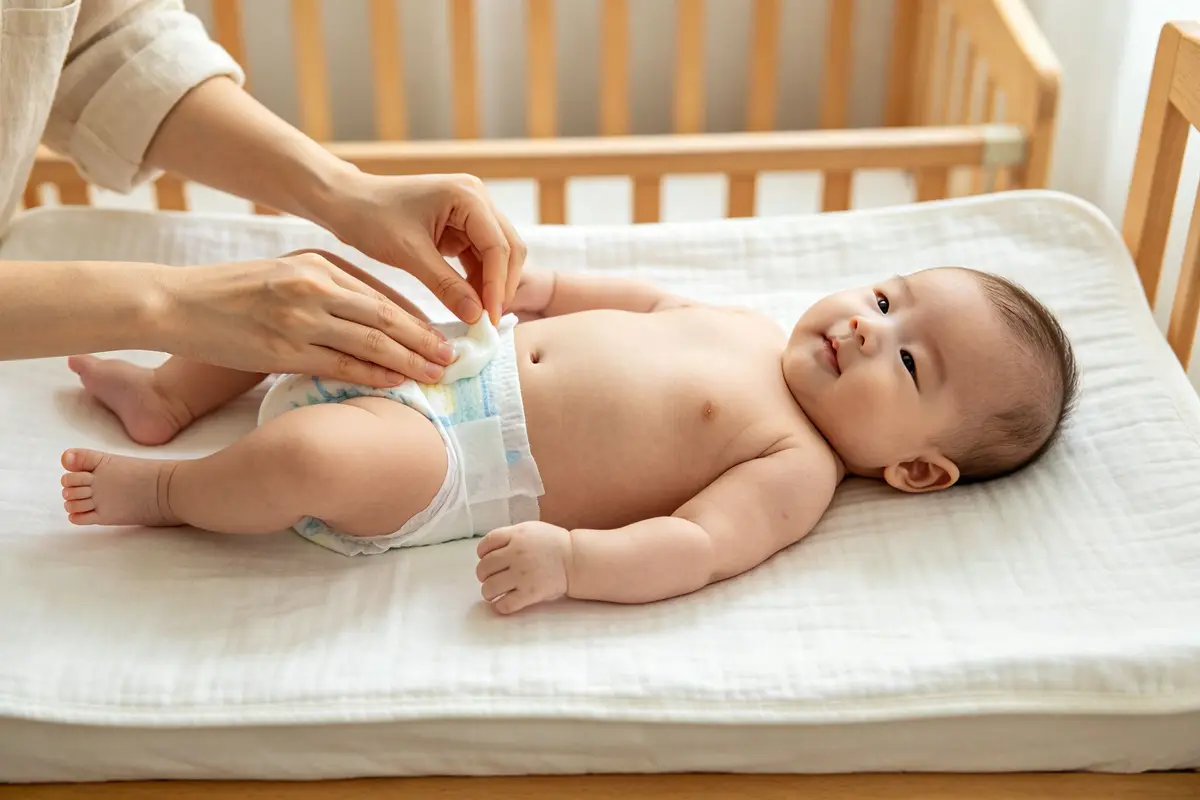
Top Diaper Rash Creams Available Online in Southeast Asia (2026)
1. Bepanthen Ointment (Bayer): Contains dexpanthenol (provitamin B5) to support skin regeneration. Mild formulation suitable for daily prevention and mild rash. Widely available across Southeast Asia. Price: USD 6-9 for 30g. Best for: daily prevention, mild rash, parents who prefer a lighter ointment (not as thick as zinc oxide pastes).
2. Sudocrem Antiseptic Healing Cream: Contains zinc oxide (15.25%), benzyl alcohol (mild anesthetic), benzyl benzoate, and benzyl cinnamate. Thick, effective barrier cream for moderate to severe rash. Very popular in Singapore, Malaysia, and Hong Kong. Price: USD 5-8 for 60g. Best for: moderate to severe irritant diaper rash, parents seeking an affordable, proven option. Note: contains benzyl alcohol—some very sensitive babies may react; not recommended for premature infants.
3. Desitin Maximum Strength Original Paste: Contains 40% zinc oxide—the highest over-the-counter concentration. Thick, long-lasting barrier for severe diaper rash. Fragrance-free, hypoallergenic. Price: USD 7-10 for 57g. Best for: severe diaper rash, babies prone to frequent rashes, overnight protection. Note: very thick and can be difficult to spread; some parents find it stains clothing.
4. Mustela Vitamin Barrier Cream: Contains zinc oxide (14%), sunflower oil distillate, and avocado peptides. Fragrance-free, hypoallergenic, dermatologist tested. Specifically formulated for newborns. Price: USD 10-14 for 50ml (premium). Best for: newborns and babies with very sensitive skin, parents seeking a premium, gentle formulation. Available at Watsons, Guardian, and e-commerce across the region.
5. Weleda Calendula Baby Diaper Rash Cream: Natural, organic formulation with calendula extract, zinc oxide, lanolin, and sesame seed oil. No synthetic fragrances, parabens, or preservatives. Certified natural (NATRUE). Price: USD 10-14 for 30ml (premium). Best for: parents preferring natural/organic products, mild to moderate rash, babies with sensitive skin. Available in Singapore, Malaysia, and through iHerb.
6. Moni Happy Baby Diaper Rash Cream: Regional brand formulated for Southeast Asian tropical climates. Contains zinc oxide (20%), calendula extract, panthenol, and shea butter. Fragrance-free, paraben-free, Dermatest certified, hypoallergenic, pH-balanced. Specifically designed for high-humidity environments with added antifungal-supporting ingredients (tea tree oil in safe, diluted concentration) to help prevent yeast overgrowth common in tropical climates. Price: USD 4-6 for 50g (excellent value—premium formulation at mass-market pricing). Best for: parents in tropical Southeast Asian climates, babies prone to frequent or fungal diaper rash, budget-conscious parents seeking premium quality. Available across the region through the Moni Happy official store, Shopee, Lazada, and TikTok Shop. For retailers and distributors interested in carrying this fast-growing regional brand, visit the Moni Happy partnership page.
7. Drapolene Cream: Contains cetrimide (antiseptic) and benzalkonium chloride. Popular in Malaysia, Singapore, and Hong Kong for both prevention and treatment of diaper rash. Price: USD 3-5 for 55g (budget). Best for: daily prevention, mild rash, budget-conscious parents. Note: contains antiseptic ingredients—some babies with very sensitive skin may find it drying.
8. Earth Mama Angel Baby Bottom Balm: Organic, natural formulation with organic olive oil, beeswax, shea butter, calendula, and tea tree oil. No zinc oxide (barrier from oils and beeswax). USDA Certified Organic. Price: USD 10-13 for 30ml (premium). Best for: parents preferring organic, plant-based products, mild rash, babies sensitive to zinc oxide. Available through iHerb and premium online retailers in Singapore and Malaysia.
Where to Buy Online: Platform Comparison
- Shopee: Widest selection across Southeast Asia, frequent promotions (9.9, 10.10, 11.11 sales with 30-50% discounts), free shipping vouchers, cashback. Best for: budget-conscious buyers, bulk purchases, regional brands. Look for official brand stores (Mall) to ensure authenticity.
- Lazada: Strong in Singapore, Malaysia, Thailand, Philippines, Indonesia. LazMall guarantees authenticity. Frequent promotions and subscription options. Best for: brand-name products, fast delivery in urban areas, Lazada Wallet discounts.
- TikTok Shop: Fastest-growing platform for baby products in Southeast Asia (200% growth in 2025). Live commerce demonstrations, influencer recommendations, exclusive discounts. Best for: discovering new brands, watching product demos, impulse purchases. Verify seller ratings and authenticity before purchasing.
- Brand official websites: Many brands (including Moni Happy) offer direct purchasing through their official websites with subscription discounts (10-15% off recurring orders), bundle deals, and loyalty programs. Best for: subscription/replenishment, exclusive products, direct brand support, ensuring authenticity.
- iHerb: International e-commerce platform specializing in natural and organic products. Ships to most Southeast Asian countries. Best for: natural/organic brands not widely available locally (Weleda, Earth Mama), competitive pricing on international brands. Note: shipping times may be longer (7-14 days) and customs duties may apply.
- Watsons/Guardian online stores: Pharmacy retailers with strong e-commerce presence in Singapore, Malaysia, Thailand, and the Philippines. Carry major brands (Bepanthen, Sudocrem, Mustela, Drapolene). Best for: trusted pharmacy brands, click-and-collect convenience, pharmacy advice.Public estimates for this market differ widely by source and by scope, so we do not quote a market size or a growth rate here. What we can speak to is the direction, and we would rather help you size one market from figures you can verify than publish a number we cannot source.Public estimates for this market differ widely by source and by scope, so we do not quote a market size or a growth rate here. What we can speak to is the direction, and we would rather help you size one market from figures you can verify than publish a number we cannot source. There are four main types of diaper rash: irritant dermatitis (70%, treated with zinc oxide barrier creams), candidal/yeast infection (20%, more common in tropical climates, requires antifungal cream), allergic/contact dermatitis (5%, remove allergen), and bacterial infection (5%, requires prescription antibiotics). Key effective ingredients include zinc oxide (10-40%, gold standard barrier), petroleum jelly (occlusive barrier), calendula (natural anti-inflammatory), panthenol (skin healing), and shea butter/coconut oil (natural emollients). Ingredients to avoid include synthetic fragrances, parabens, phthalates, SLS/SLES, boric acid, and hydrocortisone (without doctor guidance). Top products available online in Southeast Asia include: Bepanthen (dexpanthenol, mild, daily prevention), Sudocrem (15.25% zinc oxide + antiseptic, moderate-severe rash, affordable), Desitin Maximum Strength (40% zinc oxide, severe rash, overnight), Mustela Vitamin Barrier (14% zinc oxide + avocado, newborns, premium), Weleda Calendula (organic, natural, mild-moderate), Moni Happy Diaper Rash Cream (20% zinc oxide + calendula + panthenol, Dermatest certified, tropical-formulated with antifungal support, excellent value). Other options include Drapolene (antiseptic, budget, prevention) and Earth Mama Bottom Balm (USDA organic, plant-based, no zinc oxide). Parents can buy online through Shopee (widest selection, best promotions), Lazada (brand authenticity, fast delivery), TikTok Shop (live demos, new brand discovery), brand official websites (subscription discounts, authenticity—parents can explore Moni Happy products directly), iHerb (international natural brands), and Watsons/Guardian online (pharmacy trust, click-and-collect). Buying tips: always check ingredient lists, look for third-party certifications (Dermatest, pediatrician-tested), buy in bulk or subscribe for 15-25% savings, verify seller authenticity on marketplaces (look for official Mall stores), and consult a pediatrician if the rash doesn't improve in 3-5 days, has satellite spots (yeast), blisters/pus (bacterial), or is accompanied by fever. For businesses and retailers seeking to enter this high-growth market, regional brands like Moni Happy offer competitive wholesale pricing and distribution partnerships—visit the Moni Happy partnership page for more information.
Frequently Asked Questions
What is the best diaper rash cream and what ingredients should I look for?
The best diaper rash cream depends on the type and severity of the rash, your baby's skin sensitivity, and your ingredient preferences. Here's a comprehensive guide: KEY EFFECTIVE INGREDIENTS (look for these): 1) ZINC OXIDE (10-40%): The gold standard barrier ingredient. Creates a protective physical barrier on the skin that repels moisture (urine and feces) and allows the skin to heal. Also has mild antiseptic and anti-inflammatory properties. - 10-15% concentration: for daily prevention and mild rash - 20-25% concentration: for moderate rash - 30-40% concentration: for severe rash and overnight protection (Desitin Maximum Strength is 40%) - Non-toxic, non-irritating, safe for newborns - The single most studied and effective diaper rash ingredient 2) PETROLEUM JELLY (white petrolatum): An occlusive barrier that locks in moisture and protects skin from irritants. Very affordable and effective for mild rash and daily prevention. Considered safe by dermatologists, though some parents prefer plant-based alternatives for environmental reasons. 3) CALENDULA OFFICINALIS (marigold extract): A natural anti-inflammatory and wound-healing herb. Clinical studies show calendula cream is effective for mild to moderate diaper rash and well-tolerated by sensitive skin. Popular in natural/organic products (Weleda, Moni Happy). 4) PANTHENOL (provitamin B5): Promotes skin healing and regeneration, has anti-inflammatory properties, improves skin hydration. Often combined with zinc oxide in premium creams (Bepanthen uses dexpanthenol). 5) SHEA BUTTER, COCOA BUTTER, COCONUT OIL: Natural emollients that moisturize and soothe irritated skin. Common in natural formulations. 6) ANTIFUNGAL INGREDIENTS (for yeast rash): Clotrimazole 1%, miconazole 2%, ketoconazole 2%. Required for candidal (yeast) diaper rash, which is more common in tropical climates. May require prescription in some countries; consult a pediatrician. INGREDIENTS TO AVOID: 1) SYNTHETIC FRAGRANCES/PERFUME: Common skin irritants and allergens. The AAP and pediatric dermatologists recommend fragrance-free products for baby skin. 'Natural fragrance' can still contain dozens of synthetic compounds. 2) PARABENS (methylparaben, propylparaben, butylparaben): Preservatives with potential endocrine-disrupting properties. Many experts recommend avoiding for baby skin, especially in the diaper area where absorption is higher. 3) PHTHALATES (DBP, DEHP, BzBP): Often found in fragranced products; potential developmental toxins. Banned in children's products in some countries. 4) SLS/SLES (sodium lauryl/laureth sulfate): Harsh surfactants that strip natural skin oils and cause irritation. More common in washes than creams but check labels. 5) BORIC ACID: Found in some older formulations; can be toxic if absorbed through broken skin, especially in large amounts. Avoid for babies. 6) HYDROCORTISONE (without doctor guidance): OTC 1% hydrocortisone can be used short-term for severe inflammatory rash, but only under pediatrician guidance—especially in the diaper area where skin absorption is higher. Never use stronger prescription steroids on the diaper area without explicit doctor instructions. 7) FORMALDEHYDE-RELEASING PRESERVATIVES (DMDM hydantoin, quaternium-15, diazolidinyl urea): Can release small amounts of formaldehyde (a known carcinogen and skin irritant). Avoid for baby skin. RECOMMENDATIONS BY RASH TYPE AND SEVERITY: - Daily prevention (no active rash): Zinc oxide 10-15%, petroleum jelly, or calendula cream. Apply at every diaper change. - Mild irritant rash (slight redness): Zinc oxide 15-20% or calendula cream. Apply thickly at each change. - Moderate to severe irritant rash (bright red, inflamed, possibly broken skin): Zinc oxide 30-40% (Desitin Maximum Strength) or Sudocrem. Apply very thickly (like frosting a cake) at each change. - Suspected yeast/fungal rash (bright red with satellite pustules, doesn't improve with zinc oxide): Antifungal cream (clotrimazole 1%) + zinc oxide barrier. Consult pediatrician for confirmation and prescription if needed. More common in tropical Southeast Asian climates. - Allergic/contact dermatitis (itchy rash in specific areas): Identify and remove the allergen (new diaper brand, wipes, detergent), plus zinc oxide barrier and possibly hydrocortisone (doctor guidance). - Bacterial infection (blisters, pus, honey-colored crusts): Prescription antibiotic cream or oral antibiotics. See a doctor immediately. - Newborns/very sensitive skin: Mustela Vitamin Barrier (14% zinc oxide, avocado peptides, fragrance-free, hypoallergenic, specifically for newborns) or Moni Happy (20% zinc oxide, Dermatest certified, fragrance-free, paraben-free). - Natural/organic preference: Weleda Calendula (NATRUE certified natural) or Earth Mama Bottom Balm (USDA Certified Organic). - Budget-conscious: Drapolene (antiseptic, very affordable) or Sudocrem (proven, affordable). - Tropical climate/frequent rashes: Moni Happy Diaper Rash Cream (20% zinc oxide + calendula + panthenol, Dermatest certified, specifically formulated for high-humidity tropical climates with added antifungal-supporting ingredients, excellent value at USD 4-6 for 50g). IMPORTANT TIPS: - Apply cream THICKLY (like frosting) for active rash—thin application doesn't provide adequate barrier protection. - Don't rub it in completely; leave a visible white layer on the skin. - For zinc oxide creams that are hard to remove, use a baby wipe or warm washcloth gently—scrubbing irritates the rash further. Some parents use a thin layer of petroleum jelly on top of zinc oxide to make removal easier. - If the rash doesn't improve after 3-5 days of consistent treatment, or if it worsens, consult a pediatrician—you may need antifungal or antibiotic treatment. - Always do a patch test for new products: apply a small amount to the inner forearm, wait 24-48 hours, check for reaction before full use. The bottom line: Zinc oxide is the most proven and effective ingredient for most diaper rashes. Choose a concentration based on severity (10-15% prevention, 20-25% moderate, 30-40% severe). Avoid fragrances, parabens, and other harsh chemicals. For tropical climates, look for formulations with added antifungal support. And remember: frequent diaper changes (every 2-3 hours, immediately after bowel movements) and air-drying are just as important as the cream you use.
Where can I buy diaper rash cream online in Southeast Asia and is it safe to buy from marketplaces?
Buying diaper rash cream online in Southeast Asia is convenient, often more affordable than physical stores, and gives you access to a wider range of brands—including international and regional options that may not be available locally. Here's a comprehensive guide to online purchasing platforms and safety tips: MAJOR E-COMMERCE PLATFORMS IN SOUTHEAST ASIA: 1) SHOPEE: - Coverage: All major Southeast Asian markets (Singapore, Malaysia, Thailand, Indonesia, Philippines, Vietnam, Taiwan). - Selection: Widest selection of any platform—from budget (Drapolene, Sudocrem) to premium (Mustela, Weleda) to regional brands (Moni Happy). - Pricing: Often the most competitive, especially during major sales (9.9, 10.10, 11.11, 12.12) with discounts of 30-50%, free shipping vouchers, and cashback promotions. - Best for: Budget-conscious buyers, bulk purchases, discovering regional brands, frequent promotions. - Safety: Look for 'Shopee Mall' (official brand stores) for authenticity guarantees. Check seller ratings (aim for 4.8+ stars with 1000+ reviews). Avoid sellers with no reviews or suspiciously low prices. 2) LAZADA: - Coverage: Singapore, Malaysia, Thailand, Philippines, Indonesia, Vietnam. - Selection: Strong for major international brands (Bepanthen, Sudocrem, Desitin, Mustela) and some regional brands. - Pricing: Competitive, with frequent Lazada Wallet discounts, voucher codes, and subscription options (Lazada Subscriptions for 5-10% recurring discounts). - Best for: Brand-name products, fast delivery in urban areas (Lazada Express), authenticity guarantees (LazMall). - Safety: 'LazMall' stores are official brand stores with authenticity guarantees. Check seller ratings and reviews. Lazada has a buyer protection program for returns/refunds. 3) TIKTOK SHOP: - Coverage: All major Southeast Asian markets, with explosive growth (200% growth in baby products in 2025). - Selection: Great for discovering new and regional brands through live commerce demonstrations and influencer recommendations. Many brands launch exclusive products and discounts on TikTok Shop. - Pricing: Often has exclusive discounts, flash sales, and influencer promo codes. Live commerce may offer bundle deals. - Best for: Discovering new brands, watching product demos and usage tutorials, impulse purchases, exclusive promotions. - Safety: Verify seller ratings and authenticity carefully—TikTok Shop has more new and unestablished sellers. Look for official brand accounts (blue checkmark). Check product reviews and return policies. Be cautious of 'too good to be true' prices. 4) BRAND OFFICIAL WEBSITES: - Many brands offer direct purchasing through their official websites with: - Subscription/replenishment discounts (10-15% off recurring orders) - Bundle deals (buy 2+ save more) - Loyalty programs and points - Exclusive products not available on marketplaces - Direct customer support and product advice - Authenticity guaranteed (no risk of counterfeit products) - For example, Moni Happy offers direct purchasing through <a href='https://moni-happy.com/products/'>their official store</a> with subscription discounts and bundle deals, and provides detailed product information and usage guidance. - Best for: Subscription/replenishment (you never run out), ensuring authenticity, exclusive products, direct brand support, loyalty rewards. 5) IHERB: - International e-commerce platform specializing in natural, organic, and wellness products. - Ships to most Southeast Asian countries (Singapore, Malaysia, Thailand, Philippines, Indonesia, Vietnam) with tracked shipping. - Selection: Excellent for natural/organic brands not widely available locally—Weleda, Earth Mama Angel Baby, Burt's Bees Baby, California Baby, and many others. - Pricing: Competitive on international brands, with frequent promotions and loyalty rewards (10% back in rewards). - Best for: Natural/organic and international brands, hard-to-find products, bulk orders to justify shipping costs. - Considerations: Shipping times are longer (7-14 days depending on country), customs duties and taxes may apply (especially for orders above certain thresholds—check your country's de minimis limit), and returns are more difficult. Factor shipping costs into the total price comparison. 6) WATSONS / GUARDIAN ONLINE STORES: - Major pharmacy retailers with strong e-commerce presence in Singapore, Malaysia, Thailand, and the Philippines. - Selection: Carry major trusted brands (Bepanthen, Sudocrem, Mustela, Drapolene, QV) and some premium natural brands. - Pricing: Competitive with frequent pharmacy promotions, member discounts, and buy-2-get-1 offers. - Best for: Trusted pharmacy brands, click-and-collect convenience (order online, pick up at nearby store), access to pharmacist advice, combination shopping (diapers, wipes, skincare in one order). - Safety: Pharmacy retailers guarantee authenticity—no risk of counterfeit products. Pharmacist advice available via online chat or in-store. SAFETY TIPS FOR BUYING BABY PRODUCTS ONLINE: 1) VERIFY AUTHENTICITY: - Buy from official brand stores (Shopee Mall, LazMall, TikTok verified accounts) or brand websites whenever possible. - Check seller ratings: aim for 4.8+ stars with 1000+ completed orders and positive reviews mentioning authenticity. - Avoid sellers with no reviews, newly created accounts, or prices significantly below market (counterfeit risk). - Look for authenticity seals, QR codes, or holograms on packaging (many premium brands include these). - If a product arrives with damaged packaging, missing seals, or suspicious labeling, contact the seller and platform for a refund/replacement. 2) CHECK EXPIRATION DATES: - Baby skincare products have expiration dates (usually 2-3 years from manufacture, or 12 months after opening—check the PAO symbol on packaging). - Ask the seller for expiration dates before purchasing, especially for less popular products that may sit in inventory. - Avoid products with less than 6 months until expiration (you want enough time to use them). 3) READ PRODUCT LABELS AND INGREDIENTS: - Product listings should include full ingredient lists. If a listing doesn't show ingredients, check the brand's website or ask the seller. - Verify the product matches what you're looking for (correct concentration of zinc oxide, no fragrances/parabens, etc.). - Be aware that product formulations may vary by region—what's sold in Southeast Asia may differ from the US/EU version. 4) UNDERSTAND RETURN AND REFUND POLICIES: - Check the platform's return policy before purchasing. Most major platforms (Shopee, Lazada) offer return/refund within 7-15 days for defective or misrepresented products. - For hygiene products (like diaper rash cream), returns may be restricted once opened—check the specific policy. - Keep packaging and order confirmation until you've verified the product. 5) BE CAUTIOUS WITH CROSS-BORDER ORDERS: - Orders from international sellers (China, US, Korea) may take longer to arrive and may be subject to customs duties. - Check the seller's location and estimated delivery time. - For cross-border orders, factor in potential customs delays and additional costs. 6) USE SECURE PAYMENT METHODS: - Use the platform's built-in payment system (ShopeePay, Lazada Wallet, credit card through the platform) rather than direct bank transfers to sellers. - Platform payment systems offer buyer protection—if the product doesn't arrive or is misrepresented, you can file a dispute. - Avoid paying via direct bank transfer, cryptocurrency, or other non-protected methods to individual sellers. RECOMMENDED PURCHASING STRATEGY: - For everyday/trusted brands: Shopee Mall or LazMall (best prices, authenticity guaranteed, fast delivery). - For subscription/replenishment: Brand official website (subscription discounts, never run out, authenticity). - For new/regional brand discovery: TikTok Shop (live demos, exclusive discounts) or brand website. - For natural/organic international brands: iHerb (best selection) or Watsons/Guardian (if available locally). - For bulk purchases: Shopee (best bulk discounts) or brand website (bundle deals). - If you're a retailer or business looking to stock diaper rash cream: Regional brands like Moni Happy offer competitive wholesale pricing and distribution partnerships across Southeast Asia—visit the <a href='https://moni-happy.com/partner/'>Moni Happy partnership page</a> for more information. The bottom line: Buying diaper rash cream online in Southeast Asia is safe and convenient when you buy from reputable sellers (official brand stores, verified marketplaces, brand websites, pharmacies). Verify authenticity, check expiration dates, read ingredient lists, understand return policies, and use secure payment methods. With these precautions, online shopping offers better prices, wider selection, and greater convenience than physical stores.
How do I know if my baby's diaper rash is a yeast infection that needs antifungal cream?
Distinguishing between a regular irritant diaper rash and a yeast (fungal/candidal) diaper rash is important because they require different treatments—regular barrier creams (zinc oxide) won't resolve a yeast infection, and antifungal cream is needed. Yeast diaper rashes are particularly common in tropical Southeast Asian climates due to high heat and humidity, which promote fungal overgrowth. Here's how to tell the difference: CHARACTERISTICS OF REGULAR IRRITANT DIAPER RASH (most common, ~70% of cases): - Cause: Prolonged exposure to urine and feces, which irritate the skin. - Appearance: Red, inflamed skin that's generally uniform in color. The rash is typically in the areas that contact the diaper most directly—the buttocks, upper thighs, and genital area. - Skin texture: May be slightly raised or bumpy, but generally no distinct satellite lesions. The skin may look chapped or scalded. - Borders: The edges of the rash are usually not sharply defined—it fades gradually into normal skin. - Pustules/blisters: Usually no pus-filled blisters (if present, may indicate bacterial infection). - Response to treatment: Improves within 2-3 days with frequent diaper changes and zinc oxide barrier cream. - Associated factors: Often follows a period of infrequent diaper changes, diarrhea, or introduction of new foods. CHARACTERISTICS OF YEAST (CANDIDAL) DIAPER RASH (~20% of cases, more common in tropical climates): - Cause: Overgrowth of Candida albicans yeast in the warm, moist diaper environment. Often follows antibiotic use (antibiotics kill beneficial bacteria, allowing yeast to overgrow), or can occur when a regular irritant rash becomes secondarily infected with yeast. - Appearance: BRIGHT, BEACON RED color—often described as 'fire-engine red' or 'beefy red.' The redness is intense and uniform. - SATELLITE LESIONS: The hallmark sign! Small, distinct red bumps or pustules (like tiny pimples) scattered around the edges of the main rash area. These satellite spots may be filled with pus. They look like separate little red dots surrounding the larger rash area. - Borders: The edges of the main rash are SHARPLY DEMARCATED—there's a clear, distinct border between the red rash and normal skin, unlike irritant rash which fades gradually. - Location: Often involves the skin folds (creases) of the diaper area—groin folds, thigh folds, between the buttocks—because yeast thrives in warm, moist, airless folds. Irritant rash is usually worse on the prominent surfaces (buttocks) rather than in folds. - Skin texture: May have slightly raised edges, and the satellite pustules may rupture and leave small scaly areas. - Pustules: The satellite lesions are often pus-filled (pustules). - Response to treatment: Does NOT improve with regular zinc oxide barrier cream alone. In fact, it may worsen or persist despite frequent changes and barrier cream. Requires antifungal treatment. - Associated factors: Recent antibiotic use (baby or breastfeeding mother), frequent or prolonged diaper rash, high heat and humidity (tropical climates), immune system issues, or use of steroid creams (which can promote yeast overgrowth). - May also have oral thrush (white patches in the baby's mouth that don't wipe away)—if baby has both diaper rash and oral thrush, it's almost certainly a yeast infection that needs systemic or coordinated treatment. OTHER TYPES TO CONSIDER: - BACTERIAL INFECTION (impetigo, ~5%): Pus-filled blisters that rupture and form honey-colored crusts, rapidly spreading redness, or areas of broken skin with oozing. May be accompanied by fever. Requires prescription antibiotic cream or oral antibiotics. See a doctor promptly. - ALLERGIC/CONTACT DERMATITIS (~5%): Itchy red rash in areas contacting a specific allergen (new diaper brand, wipes, laundry detergent, bath products). The rash pattern may match the contact area (e.g., elastic bands of diapers). Remove the suspected allergen and use barrier cream; may need short-term hydrocortisone (doctor guidance). WHAT TO DO IF YOU SUSPECT A YEAST INFECTION: 1) Confirm with a pediatrician: A doctor can visually diagnose a yeast diaper rash (the satellite lesions and beefy red appearance are usually distinctive). In some cases, they may take a skin scraping to examine under a microscope (KOH test) to confirm yeast. 2) Antifungal treatment: The doctor will likely prescribe or recommend an over-the-counter antifungal cream such as: - Clotrimazole 1% cream (e.g., Canesten, Lotrimin) - Miconazole 2% cream - Ketoconazole 2% cream - Nystatin cream (prescription) - Apply the antifungal cream thinly to the affected area 2-3 times per day (or as directed), usually for 7-14 days. Continue for 1-2 days after the rash appears resolved to prevent recurrence. 3) Combine with barrier cream: Apply the antifungal cream FIRST (thin layer), let it absorb for a few minutes, then apply a THICK layer of zinc oxide barrier cream on top to protect the skin from moisture. The zinc oxide also helps prevent the antifungal cream from being wiped away with urine. 4) Frequent diaper changes: Change diapers immediately after wetting or soiling—at least every 2 hours during the day. Yeast thrives in moisture, so keeping the area dry is critical. 5) Air-drying: Let the baby go diaper-free for 10-15 minutes a few times a day to allow air to reach the skin. Lay baby on a towel or waterproof pad. 6) Gentle cleaning: Use warm water and a soft cloth or fragrance-free wipes (avoid wipes with alcohol or fragrance, which can irritate). Pat dry gently—don't rub. 7) Treat oral thrush if present: If baby has oral thrush (white patches in mouth), both the diaper rash and oral thrush need to be treated simultaneously, otherwise they'll keep reinfecting each other. The doctor may prescribe oral antifungal (nystatin suspension or fluconazole) for the baby, and antifungal cream for the mother's nipples if breastfeeding. 8) Wash everything: Yeast can survive on fabrics. Wash diapers, cloth wipes, and changing pad covers in hot water (60°C/140°F+) with detergent. Avoid using fabric softeners (they can leave a residue that irritates skin). Dry on high heat or in direct sunlight (sunlight has natural antifungal properties). 9) Consider tropical climate factors: In high-humidity Southeast Asian climates, yeast diaper rashes are more common and may be more persistent. Look for diaper rash creams specifically formulated for tropical climates with added antifungal-supporting ingredients (such as Moni Happy Diaper Rash Cream, which includes tea tree oil in a safe, diluted concentration to help prevent yeast overgrowth). PREVENTION OF YEAST DIAPER RASH: - Change diapers frequently (every 2 hours, immediately after bowel movements). - Allow diaper-free time for air circulation. - Use breathable diapers (avoid plastic pants or tight, non-breathable covers). - Avoid using scented wipes, powders, or harsh soaps in the diaper area. - If baby or breastfeeding mother takes antibiotics, consider using a probiotic (consult pediatrician) and be extra vigilant about diaper changes to prevent yeast overgrowth. - In tropical climates, use fans or air conditioning to keep the baby cool and reduce sweating in the diaper area. WHEN TO SEE A DOCTOR IMMEDIATELY: - The rash is bright red with satellite pustules (suspected yeast) and doesn't improve after 2-3 days of antifungal treatment. - The rash has blisters, pus, or honey-colored crusts (suspected bacterial infection). - The rash is accompanied by fever (38°C/100.4°F+). - The baby seems lethargic, very irritable, or in significant pain. - The rash spreads beyond the diaper area or rapidly worsens. - The baby has oral thrush along with diaper rash. - The rash doesn't improve after 5-7 days of any treatment. - The baby has a weakened immune system or other medical conditions. The bottom line: If the rash is bright 'beefy' red with satellite pustules, has sharply defined borders, involves skin folds, doesn't improve with zinc oxide cream, or follows antibiotic use, it's likely a yeast infection that needs antifungal cream. Yeast infections are more common in tropical Southeast Asian climates. See a pediatrician for confirmation and prescription if needed, and combine antifungal cream with zinc oxide barrier cream, frequent changes, and air-drying for fastest resolution.
How do I apply diaper rash cream correctly and how often should I change diapers?
Proper application of diaper rash cream and frequent diaper changes are the two most important factors in treating and preventing diaper rash. Even the best cream won't work if applied incorrectly or if the baby sits in a wet/dirty diaper for too long. Here's the complete guide: HOW TO APPLY DIAPER RASH CREAM CORRECTLY: 1) PREPARE THE SKIN FIRST: - Before applying cream, the skin must be clean and completely dry. Moisture trapped under the cream can worsen the rash. - Gently clean the diaper area with warm water and a soft cloth, or fragrance-free, alcohol-free baby wipes. Avoid wipes with fragrance, alcohol, or harsh chemicals—they can irritate already-sensitive skin. - Pat the skin dry gently with a soft towel or cloth. DO NOT RUB—rubbing irritates the rash and can cause further skin damage. Patting is much gentler. - Allow the skin to air-dry for a minute or two before applying cream. You can fan the area gently or use a cool (not hot) hair dryer on the lowest setting held at least 30cm away (be very careful with heat—test on your own skin first). Air-drying is especially important for active rashes. 2) APPLY THE CREAM THICKLY: - For ACTIVE diaper rash (red, inflamed skin): Apply a THICK, VISIBLE layer of cream—like frosting a cake or spreading butter on toast. You should be able to see a white/colored layer on the skin after application. - A thin layer doesn't provide adequate barrier protection—it gets wiped away with the next wet diaper and doesn't create enough of a barrier between the skin and urine/feces. - For zinc oxide creams (the most common barrier creams), the thick white layer is intentional and therapeutic. Don't rub it in completely—leave a visible layer on the surface. - For PREVENTION (no active rash, just protecting healthy skin): A thinner layer is sufficient—about the thickness of a moisturizer. Apply at every diaper change to create a protective barrier. 3) APPLICATION TECHNIQUE: - Use clean hands (wash with soap and water before diaper changes, especially for active rashes where skin may be broken). - Take a generous amount of cream on your fingertip (about the size of a dime to a quarter, depending on the area). - Gently dab or spread the cream over the entire affected area and the surrounding skin. Cover the buttocks, genital area, upper thighs, and skin folds—all areas that contact the diaper. - For baby girls: wipe from front to back (to prevent urinary tract infections), and apply cream to the outer genital area and buttocks. Avoid getting cream inside the vagina. - For baby boys: apply cream to the penis, scrotum, and buttocks. You may want to point the penis downward before putting on the diaper to prevent leaks up the front. - For skin folds (groin, thigh creases): apply cream gently but thoroughly—yeast and irritation often start in these warm, moist folds. Be gentle as fold skin is delicate. - Don't forget the areas where the diaper elastic rubs (waistband, leg bands)—these are common irritation spots. 4) WHAT NOT TO DO: - DON'T apply cream to wet or damp skin—moisture trapped under the barrier cream can macerate (soften and break down) the skin and worsen the rash. Always ensure skin is completely dry. - DON'T use baby powder (talcum powder or cornstarch) with barrier cream—powder can cake when mixed with cream and moisture, creating an abrasive paste that irritates the skin. The AAP also warns against talcum powder due to inhalation risk. If you use powder, use it sparingly and away from the baby's face, and don't combine with thick barrier creams. - DON'T scrub the cream off at the next change—zinc oxide creams are designed to stick to the skin. Gently wipe away what comes off easily with a warm wipe or cloth. The remaining layer is still providing protection. Scrubbing to remove every trace will irritate the rash. - If you want to make zinc oxide removal easier, apply a thin layer of petroleum jelly on top of the zinc oxide—the petroleum jelly creates a slippery layer that makes the zinc oxide easier to wipe off at the next change. - DON'T use expired cream—check the expiration date and the PAO (period after opening) symbol on the packaging (usually 12M = 12 months after opening). Expired creams may have degraded active ingredients and could harbor bacteria. - DON'T mix multiple creams without doctor guidance—if using antifungal cream + zinc oxide, apply antifungal first (thin layer), wait a few minutes, then apply zinc oxide on top (thick layer). Don't mix them together in your hand. If using hydrocortisone, apply it first, then barrier cream on top. HOW OFTEN TO CHANGE DIAPERS: - NEWBORNS (0-1 month): Every 1-2 hours, or immediately after every bowel movement. Newborns have very frequent bowel movements (up to 10 per day for breastfed babies) and urinate frequently. Their skin is especially delicate. - INFANTS (1-6 months): Every 2-3 hours during the day, and immediately after every bowel movement. At night, change if the baby wakes for a feed or if the diaper is heavily soiled—you don't need to wake a sleeping baby just to change a wet diaper (unless they have an active rash). - OLDER BABIES (6-12 months): Every 2-4 hours during the day, and immediately after bowel movements. As babies start solids, bowel movements may become less frequent but more substantial. - TODDLERS (12+ months): Every 3-4 hours, or as needed. May start showing signs of readiness for toilet training. - GENERAL RULE: Check the diaper at least every 2 hours during waking hours. Change immediately if: the diaper is heavily wet, there's a bowel movement, the baby is fussing/uncomfortable, or the baby has an active diaper rash (more frequent changes help the rash heal faster). - FOR ACTIVE DIAPER RASH: Increase change frequency to every 1-2 hours during the day. The less time the skin spends in contact with urine and feces, the faster the rash heals. Consider using a highly absorbent diaper or adding a diaper liner to keep moisture away from the skin. NIGHTTIME DIAPER CHANGES: - For babies without active rash: You generally don't need to wake a sleeping baby just to change a wet diaper at night—modern highly absorbent diapers can hold urine for 8-12 hours. Change only if the baby wakes for a feed, if there's a bowel movement, or if the diaper is leaking. - For babies with active rash: You may need to do one nighttime change (around the middle of the night) to apply fresh cream and reduce contact time. Use a dim light, keep the change quick and calm, and avoid play or stimulation to help the baby get back to sleep easily. Some parents use a thicker layer of barrier cream at night (40% zinc oxide) for longer-lasting protection. ADDITIONAL TIPS FOR DIAPER RASH PREVENTION: 1) AIR-DRYING: Let the baby go diaper-free for 10-15 minutes, 2-3 times per day, to allow air to circulate and the skin to dry completely. Lay baby on a waterproof pad or towel. This is one of the most effective (and free!) treatments for diaper rash. 2) CHOOSE THE RIGHT DIAPER: - Use highly absorbent diapers that keep moisture away from the skin (look for 'wetness indicator' and '12-hour protection' features). - Consider diaper size—if the diaper is too tight, it can cause friction and reduce air circulation. If too loose, it may leak and rub. - Some babies are sensitive to specific diaper brands or materials (dyes, fragrances, certain absorbent gels). If rash persists, try switching to a hypoallergenic, fragrance-free diaper brand. - Cloth diapers can be a good option for some babies (more breathable, no chemical gels), but require more frequent changes and proper laundering. 3) AVOID IRRITANTS: - Use fragrance-free, alcohol-free, hypoallergenic baby wipes. Or use warm water and a soft cloth (the most gentle option). - Avoid wipes with 'soothing' additives like aloe or chamomile if your baby has sensitive skin—these can sometimes cause allergic reactions. - Wash cloth diapers with fragrance-free, dye-free detergent, and avoid fabric softeners and dryer sheets (they leave a residue that can irritate skin and reduce absorbency). - Avoid using baby powder in the diaper area (inhalation risk, and it can cake with cream). 4) DIAPER-FREE TIME: As mentioned above, regular diaper-free time is excellent for prevention and treatment. Even 5-10 minutes after each diaper change (before putting on a fresh diaper) can help. 5) MONITOR FOR FOOD-RELATED RASHES: When introducing new solid foods (especially acidic foods like tomatoes, citrus, strawberries, pineapple), the baby's stool may become more irritating and cause diaper rash. If you notice a rash after introducing a new food, it may be temporary as the baby's digestive system adjusts. 6) PROBIOTICS: Some studies suggest that probiotics (for baby or breastfeeding mother) may help reduce the frequency of diaper rash, especially after antibiotic use. Consult your pediatrician before giving probiotics to a baby. The bottom line: Apply diaper rash cream THICKLY (like frosting) to clean, completely dry skin at every diaper change—don't rub it in completely, leave a visible layer. Change diapers every 2-3 hours during the day (more frequently for active rash), immediately after bowel movements, and let the skin air-dry before applying cream and putting on a fresh diaper. For active rashes, increase change frequency, add diaper-free time, and use a higher concentration of zinc oxide (30-40%) or antifungal cream if yeast is suspected. With proper application and frequent changes, most diaper rashes resolve within 3-5 days.