
2026-09-04 · Moni Happy Editorial Team
Where to Buy Baby Swim Diapers 2026: Southeast Asia Guide
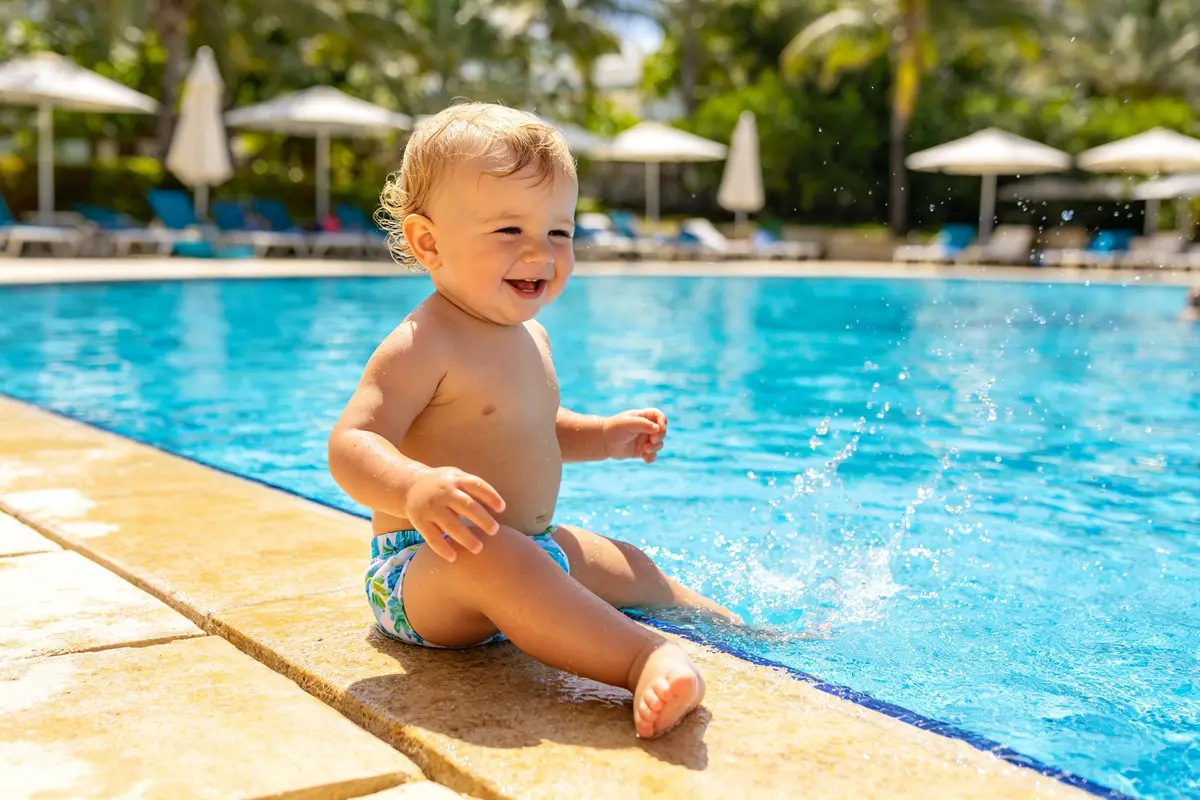
With Southeast Asia's tropical climate, abundant beaches, water parks, and growing popularity of baby swimming lessons, the market for baby swim diapers has expanded significantly across the region. Parents across Indonesia, Thailand, Vietnam, the Philippines, and Malaysia are increasingly seeking reliable swim diaper solutions for pool visits, beach trips, and infant swimming classes.Public estimates for this market differ widely by source and by scope, so we do not quote a market size or a growth rate here. What we can speak to is the direction: demand for biodegradable and plastic-free wipe formats is rising across the region, and we would rather help you size one market from figures you can verify than publish a number we cannot source.
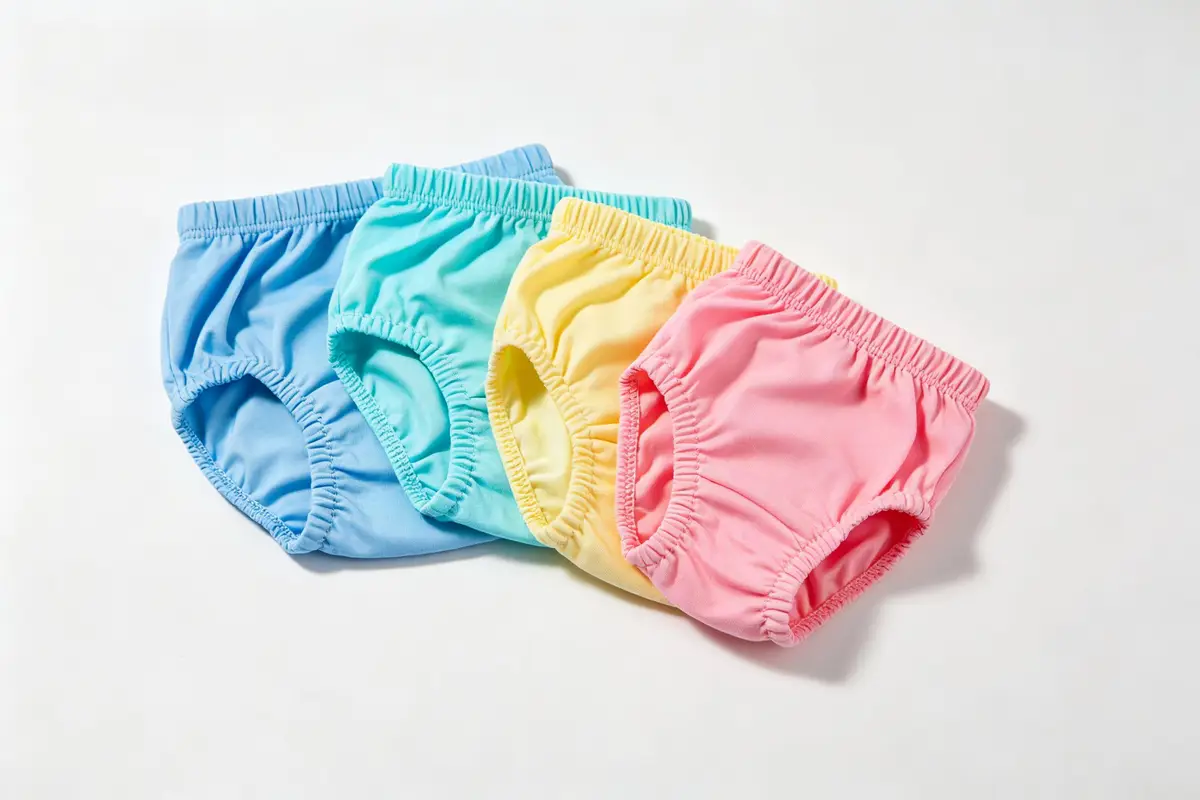
Why Swim Diapers Are Essential (Not Optional)
Many parents new to baby swimming wonder if regular diapers work in the pool. The answer is a definitive no. Regular disposable diapers are designed to absorb liquid, and when submerged in water, they quickly become waterlogged, swollen, and heavy—often sagging and leaking. More importantly, regular diapers are not designed to contain solid waste in water, and a fecal accident in a public pool can lead to pool closures, health code violations, and significant inconvenience for everyone.
Swim diapers are specifically designed to:
- Not absorb water: They have minimal absorbency, so they don't swell or become heavy in water.
- Contain solid waste: They feature snug leg cuffs and waistbands designed to hold in stool, preventing pool contamination.
- Stay in place: They have secure closures or pull-on designs that don't come loose during active swimming and play.
- Be comfortable: They use stretchy, water-friendly materials that don't chafe or irritate baby's skin during extended water play.
Most public pools, water parks, and baby swimming facilities in Southeast Asia require babies and toddlers who are not toilet-trained to wear swim diapers. Many facilities specifically require both a reusable swim diaper AND a disposable swim diaper (double diapering) for maximum protection. It's always best to check the specific requirements of your pool or facility before visiting.
Disposable vs. Reusable Swim Diapers: Which Is Better?
Parents choosing the best swim diapers for babies face a primary decision: disposable or reusable. Each has distinct advantages and use cases:
Disposable swim diapers:
- Pros: Convenient (no washing required), easy to use while traveling, available at most supermarkets and pharmacies, effective at containing waste, some brands have leak guards, easy to dispose of after use.
- Cons: Ongoing cost (each diaper costs $0.30-0.80), environmental impact (single-use plastic), may not fit as snugly as reusable, some brands can be bulky, not always available in all sizes.
- Best for: Occasional pool visits, travel, beach trips, backup to reusable diapers, parents who prefer convenience.
Reusable swim diapers:
- Pros: Cost-effective over time (one diaper costs $8-20 and lasts through multiple sizes or seasons), environmentally friendly, often more stylish and available in cute designs, snugger fit for better waste containment, adjustable snaps or waistbands for growing babies, can be used as a cover over disposable swim diapers.
- Cons: Requires washing after each use (rinse immediately, then machine wash), less convenient while traveling, need at least 2-3 diapers for rotation, some materials can be slow to dry.
- Best for: Regular pool visits, baby swimming lessons, eco-conscious parents, parents who want a snugger fit, frequent water park visits.
Many parents find the best approach is a combination: use a reusable swim diaper as the primary layer (for the snug fit and style), with a disposable swim diaper underneath for easy cleanup (the "double diapering" method many pools require). This provides maximum protection and convenience.
Key Features to Look for in Swim Diapers
When evaluating swim diapers, industry experts and experienced parents recommend focusing on the following features:
1. Snug leg cuffs: This is the most important feature for containing solid waste. Look for thick, stretchy leg cuffs that create a seal around the baby's thighs. Avoid swim diapers with loose or thin leg openings, as they are more likely to leak.
2. Secure waistband: A stretchy, snug waistband keeps the diaper in place during active swimming and play. Look for elastic waistbands (for pull-on styles) or adjustable snap closures (for reusable diapers) that allow you to customize the fit.
3. Minimal absorbency: Swim diapers should NOT be highly absorbent—they are designed to let water pass through while containing solid waste. If a swim diaper feels thick or highly absorbent, it will swell in water and become heavy and uncomfortable.
4. UPF sun protection: Many reusable swim diapers offer UPF 50+ sun protection, which is valuable for beach and outdoor pool use. This is especially important in Southeast Asia's strong UV environment.
5. Easy on/off design: Pull-on styles are easy for babies who can stand, while snap-side or tear-away styles are easier for messy changes (you don't have to pull a soiled diaper down the baby's legs). Look for tear-away sides on disposable diapers and snap closures on reusable ones.
6. Correct sizing: Swim diapers should fit snugly but not tightly. Most brands size by weight (S: 3-6 kg, M: 6-9 kg, L: 9-13 kg, XL: 13+ kg). A too-loose diaper will leak; a too-tight diaper will be uncomfortable and leave red marks.
7. Chlorine/saltwater resistance: Reusable swim diapers should be made from materials that withstand repeated exposure to chlorine (pools) and saltwater (beaches) without breaking down or losing elasticity. Look for polyester/nylon blends with spandex for stretch.
Top Brands and Where to Buy in Southeast Asia
The baby swim diaper market in Southeast Asia features a mix of international and regional brands:
Disposable swim diapers: Huggies Little Swimmers (the most widely available brand, with leak guards and tear-away sides, available in sizes S/M/L), Pampers Splashers (available in some Southeast Asian markets, with 360-degree stretch waistband), MamyPoko Swim Pants (popular in Japan and Southeast Asia, with soft stretchy material), and local store brands (available at major supermarkets).
Reusable swim diapers: Splash About (UK brand, widely available online, with adjustable snaps and UPF 50+ protection, popular for baby swimming lessons), i play. by green sprouts (US brand, with snap closures and built-in absorbent liner, available through cross-border e-commerce), Charlie Banana (popular cloth diaper brand that makes reusable swim diapers with adjustable snaps), and local/regional brands (available on Shopee and Lazada, often at lower price points).
For parents looking to buy baby swim diapers online in Southeast Asia, the most reliable channels include: official brand stores on Shopee and Lazada (offering the widest selection, bundle deals, and free shipping), TikTok Shop (with live product demonstrations and exclusive promotions), supermarket e-commerce platforms (FairPrice Online in Singapore, Giant/ Tesco/Lotus's online in Malaysia/Thailand, HappyFresh for on-demand delivery), baby specialty stores (Mothercare, Pupsik Studio, which offer curated selections and expert advice), and direct-to-consumer brand websites (for international brands like Splash About and i play.).
For parents seeking a complete range of baby care products for water activities and beyond, Moni Happy offers a curated range of premium baby care products, including gentle skincare for after-swim use, soft towels, and hypoallergenic wipes. The brand also provides distribution partnership opportunities for retailers and distributors looking to enter the fast-growing baby care market in Southeast Asia.
Article Summary
The baby swim diaper market in Southeast Asia is growing rapidly , driven by the tropical climate, abundant water attractions, rising disposable incomes, and growing popularity of baby swimming lessons. Regular diapers are not suitable for swimming—they absorb water, swell, and fail to contain solid waste, potentially causing pool closures. Swim diapers are specifically designed to not absorb water, contain solid waste with snug leg cuffs and waistbands, stay in place during active play, and be comfortable in water. Most public pools and baby swimming facilities require swim diapers, and many mandate double diapering (reusable + disposable). Parents can choose between disposable swim diapers (convenient for travel and occasional use, $0.30-0.80 each) and reusable swim diapers (cost-effective over time, eco-friendly, snugger fit, $8-20 each, UPF 50+ protection available). Many parents use both for maximum protection. Key features to evaluate include snug leg cuffs (most important for waste containment), secure waistband, minimal absorbency, UPF sun protection, easy on/off design (tear-away sides or snaps), correct sizing by weight, and chlorine/saltwater resistance. Top brands include Huggies Little Swimmers and Pampers Splashers (disposable), and Splash About, i play., and Charlie Banana (reusable). Swim diapers are available online through Shopee, Lazada, TikTok Shop, supermarket e-commerce, and baby specialty stores. For parents seeking complete baby care solutions, Moni Happy offers premium products and distribution partnership opportunities.
Frequently Asked Questions
What are the best baby swim diapers for pools and beaches in 2026?
The best baby swim diapers for 2026 depend on whether you prefer disposable or reusable, and your specific use case. For disposable swim diapers, top-rated options include: Huggies Little Swimmers (the most widely available and trusted brand, with leak guards, tear-away sides for easy cleanup, and sizes S/M/L; consistently rated highly by parents for waste containment), Pampers Splashers (with a 360-degree stretch waistband that stays in place during active swimming, available in select Southeast Asian markets), and MamyPoko Swim Pants (popular in Japan and Southeast Asia, with soft stretchy material and cute designs). For reusable swim diapers, top-rated options include: Splash About (UK brand, the gold standard for baby swimming lessons, with adjustable snap closures for a customized fit, UPF 50+ sun protection, and snug leg cuffs; available in a wide range of sizes and designs), i play. by green sprouts (US brand, with snap-side closures for easy changes, a built-in absorbent liner, and UPF 50+ protection; available through cross-border e-commerce), and Charlie Banana (popular cloth diaper brand known for high-quality reusable swim diapers with adjustable snaps and durable materials). For the best overall protection, many parents and swimming instructors recommend the 'double diapering' method: a disposable swim diaper underneath for easy cleanup, with a reusable swim diaper over the top for a snugger fit and extra protection. This method is required by many public pools and baby swimming facilities. Always check your pool's specific requirements before visiting, and ensure the swim diaper fits snugly around the legs and waist to prevent leaks.
Can I use a regular diaper in the pool or do I need special swim diapers?
No—you should NOT use a regular disposable or cloth diaper in the pool, and here's why: Regular diapers are designed to absorb liquid, and when submerged in water, they quickly absorb water and become swollen, heavy, and saggy. A waterlogged regular diaper can weigh several times its original weight, sagging down the baby's legs, restricting movement, and potentially falling off. More importantly, regular diapers are NOT designed to contain solid waste in water. The absorbent core swells and breaks down in water, losing its ability to hold stool. A fecal accident in a public pool can lead to immediate pool closure (often for 24-48 hours for proper disinfection), health code violations, and significant inconvenience and cost for the pool operator and other patrons. Swim diapers are specifically engineered for water use: they have minimal absorbency so they don't swell in water, they feature snug elastic leg cuffs and waistbands designed to contain solid waste, they use water-friendly materials that don't break down in chlorine or saltwater, and they stay securely in place during active swimming and play. Most public pools, water parks, hotels, and baby swimming facilities in Southeast Asia REQUIRE babies and toddlers who are not toilet-trained to wear proper swim diapers. Many facilities specifically require double diapering (a disposable swim diaper AND a reusable swim diaper) for maximum protection. Using a regular diaper may result in being denied entry to the pool or asked to leave. Invest in proper swim diapers—they're affordable, widely available, and essential for any water activity with your baby.
Where can I buy baby swim diapers online in Southeast Asia?
Baby swim diapers are widely available across Southeast Asia through multiple online channels. The most popular and reliable platforms include: Shopee and Lazada (official brand stores for Huggies, Pampers, MamyPoko, Splash About, i play., and Charlie Banana; these stores offer the widest selection, bundle deals (multi-packs with 15-25% savings), free shipping promotions, and customer reviews; always look for 'Official Store' or 'Mall' badges to ensure authenticity), TikTok Shop (live commerce has become a major channel for baby products, with brand representatives demonstrating swim diaper features, answering questions in real-time, and offering exclusive live-only promotions and flash sales), supermarket and pharmacy e-commerce platforms (FairPrice Online in Singapore, Guardian and Watsons across the region, Lotus's/Tesco online in Thailand/ Malaysia, HappyFresh for on-demand delivery from multiple stores, GrabMart/Gojek for same-day delivery when you need swim diapers urgently for an upcoming pool visit), baby specialty stores (Mothercare, Pupsik Studio, and other baby boutiques offer curated selections with expert advice, often carrying premium reusable brands not available in supermarkets), and direct-to-consumer brand websites (Splash About, i play., and other international brands have regional e-commerce sites or ship to Southeast Asia through cross-border programs; these often offer the full product range, subscription discounts, and loyalty rewards). For disposable swim diapers, supermarkets and pharmacies typically offer the best prices and most convenient access. For reusable swim diapers, baby specialty stores and online marketplaces offer the widest brand selection and expert guidance. Important tips: always check the size chart (swim diapers are sized by weight, not age), consider buying at least 2-3 reusable diapers for rotation (one in the wash, one in use, one backup), and for disposable diapers, buy in bulk during sales for the best per-unit pricing. Avoid third-party sellers with suspiciously low prices—counterfeit baby products have been found in some Southeast Asian markets.
How do I choose the right size swim diaper for my baby?
Choosing the right size swim diaper is critical for both comfort and effective waste containment. Swim diapers are sized by weight (not age), and the sizing varies by brand, so always check the specific brand's size chart. Common size ranges include: Small (3-6 kg / 7-13 lbs) for younger babies, Medium (6-9 kg / 13-20 lbs) for most 6-12 month olds, Large (9-13 kg / 20-29 lbs) for 12-24 month olds, and Extra Large (13+ kg / 29+ lbs) for toddlers 2 years and up. To determine if the fit is correct, check the following: The leg cuffs should create a snug seal around the baby's thighs without leaving deep red marks—you should be able to fit one finger between the cuff and the baby's leg. The waistband should be snug but comfortable—again, one finger should fit between the waistband and the baby's stomach. The diaper should not gap or sag at the back or sides—if you can see gaps, the diaper is too loose and will likely leak. The diaper should cover the baby's bottom completely without riding up or shifting during movement. Signs that the swim diaper is TOO SMALL: red marks or indentations on the baby's thighs or waist, the diaper feels tight or restrictive, the baby seems uncomfortable or fussy while wearing it, the leg cuffs are stretched to their maximum, the diaper doesn't fully cover the bottom. Signs that the swim diaper is TOO LOOSE: gaps at the legs or waist, the diaper sags or shifts during movement, you can easily fit more than one finger under the cuffs or waistband, the diaper rides up the baby's back, the baby can pull the diaper off easily. For reusable swim diapers with adjustable snap closures, you can customize the fit by adjusting the waist and rise snaps as your baby grows—this is one of the advantages of reusable diapers, as they can often fit through multiple size ranges. When in doubt between two sizes, choose the smaller size for a snugger fit (better waste containment), especially if your baby is between sizes or has a lean build. Always do a dry fit test before going to the pool to ensure the diaper fits correctly and your baby is comfortable wearing it.