2026-09-04 · Moni Happy Editorial Team
Where to Buy Baby Wipes in Bulk: Commercial & Wholesale Distribution SEA 2026
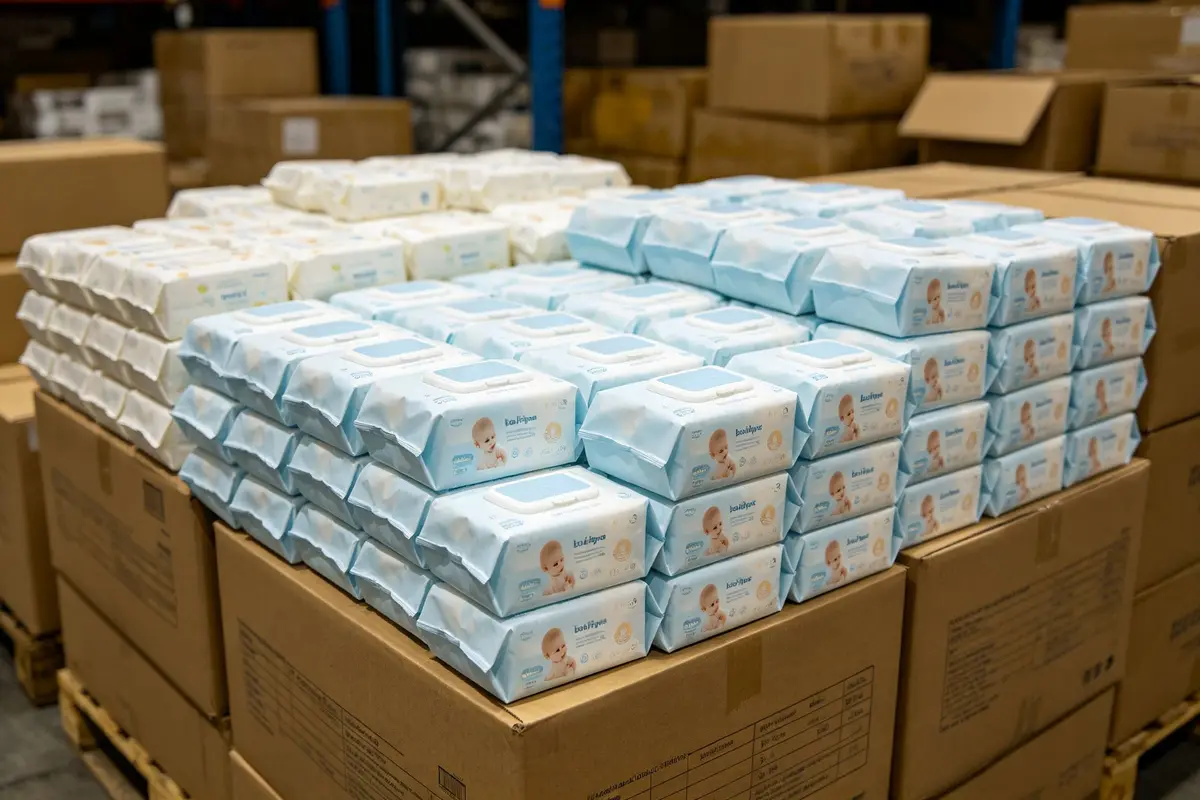
For commercial buyers across Southeast Asia—daycare centers, hotels, restaurants, hospitals, clinics, coworking spaces, and office buildings—sourcing baby wipes in bulk is a critical procurement decision that impacts both operational costs and the quality of care provided to customers, guests, and employees. The ability to buy baby wipes bulk at competitive prices while maintaining consistent quality, safety, and supply reliability is a key priority for B2B buyers. However, the Southeast Asian bulk baby wipes market is fragmented, with diverse suppliers, varying quality and safety standards, and complex distribution networks. This comprehensive guide provides an overview of the bulk baby wipes market, key procurement channels, quality and safety considerations, pricing benchmarks, and strategic recommendations for commercial buyers across the region.
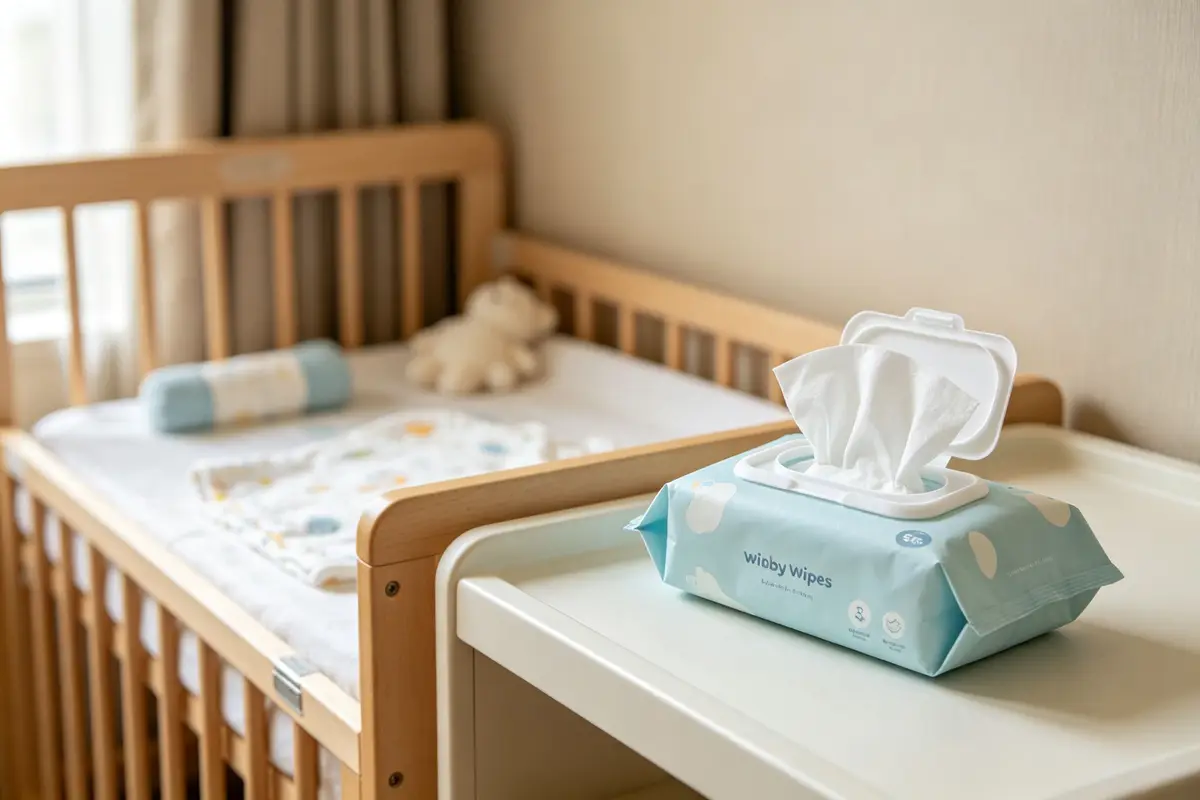
The Bulk Baby Wipes Market: Scale and Buyer Segments
The B2B/commercial segment of the Southeast Asian baby wipes market represents approximately 12-18% of total baby wipes volume, with an estimated market value of $75-110 million in 2024. This segment encompasses a diverse range of buyers with distinct requirements, each with unique quality, volume, and pricing needs:
- Childcare and daycare centers: The largest B2B segment for baby wipes, accounting for approximately 25-30% of commercial volume. Daycare centers, preschools, and kindergartens use baby wipes extensively for diaper changes, hand cleaning, and face wiping throughout the day. These buyers prioritize safety (non-toxic, hypoallergenic), softness (gentle on children's skin), and cost efficiency (high volume usage). Quality consistency is critical, as parents often inspect and approve the products used in their children's daycare facilities.
- Hospitality (hotels, resorts, serviced apartments): Accounting for approximately 20-25% of commercial volume, hospitality buyers provide baby wipes in family rooms, kids' clubs, and hotel amenities. Premium hotels and family resorts prioritize high-quality, gentle wipes that enhance the guest experience for families traveling with babies and young children. Custom branding (hotel logo on packaging) is often desired for premium properties.
- Healthcare (hospitals, clinics, dental practices, pediatric centers): Representing approximately 15-20% of commercial volume, healthcare buyers have the most stringent quality and safety requirements. Hospitals and clinics require wipes that are hypoallergenic, fragrance-free, dermatologically tested, and compliant with medical-grade sanitation standards. Pediatric clinics and children's hospitals are particularly high-volume users of baby wipes.
- Offices and coworking spaces: Accounting for approximately 10-15% of commercial volume, offices and coworking spaces provide baby wipes in parent's rooms, nursing rooms, and childcare facilities. The growth of family-friendly workplaces and coworking spaces with childcare amenities across Southeast Asia's major cities has driven increased demand for baby wipes in commercial office environments.
- Foodservice and restaurants: Representing approximately 5-10% of commercial volume, family-friendly restaurants, fast food chains with play areas, and cafes provide baby wipes in high chairs, kids' meal areas, and restrooms. These buyers prioritize cost efficiency and convenience, with quality being a secondary consideration.
- Retailers and resellers: Accounting for approximately 10-15% of commercial volume, small retailers, convenience stores, and online resellers purchase baby wipes in bulk for resale to end consumers. These buyers prioritize wholesale pricing, margin potential, and product variety.
The bulk baby wipes supply chain in Southeast Asia typically involves: manufacturers → national/regional distributors → wholesalers/sub-distributors → end business buyers. Larger buyers (hospital chains, daycare franchises, hotel groups) often purchase directly from manufacturers or exclusive distributors for better pricing and quality control.
Key Procurement Channels for Bulk Baby Wipes
Commercial buyers in Southeast Asia have several procurement channels to choose from, each with distinct advantages, pricing structures, and minimum order requirements:
1. Direct from manufacturers: Purchasing directly from baby wipes manufacturers offers the best pricing (15-30% lower than distributor pricing) and maximum control over product specifications, including custom formulation, packaging design, and private label/white label options. However, direct purchasing typically requires large minimum order quantities (MOQs)—often one full container load (FCL) or 500-1,000+ cartons—and may require longer lead times (4-8 weeks for production and delivery). This channel is best suited for large national/regional chains, major distributors, and buyers with significant storage capacity. Major Southeast Asian baby wipes manufacturers include local producers in Indonesia, Thailand, Vietnam, and Malaysia, as well as regional operations of multinational brands.
2. National/regional distributors: Distributors offer the advantage of lower MOQs (typically 30-100 cartons), faster delivery (1-7 days), consolidated ordering (multiple product categories from one supplier), and localized support (credit terms, delivery coordination, returns handling, merchandising support). Distributors typically carry multiple brands and product tiers, allowing buyers to compare and select based on their specific quality and budget requirements. For most medium-sized businesses (single daycare centers, mid-size hotels, clinic chains with 5-20 locations), distributors offer the best balance of price, convenience, and flexibility. Many distributors also offer value-added services such as staff training, product demonstrations, and marketing support.
3. Cash-and-carry/wholesale clubs: Makro, Costco (in select markets), and local cash-and-carry outlets offer bulk packaging at wholesale prices with no membership requirements (or low-cost membership). This channel is ideal for small businesses, startups, and one-time bulk purchases. Buyers can physically inspect product quality before purchasing and take immediate delivery. However, cash-and-carry pricing is typically 5-15% higher than distributor pricing, and product selection may be limited to in-stock items. Cash-and-carry is also a good option for buyers who want to try different brands before committing to larger orders.
4. E-commerce B2B platforms: Shopee Business, Lazada Business, Tokopedia Mitra, and TikTok Shop offer bulk purchasing with competitive pricing, convenient online ordering, and delivery across the region. These platforms are particularly useful for small and medium businesses, startups, and buyers in areas with limited distributor coverage. E-commerce platforms often feature bundle deals, flash sales, and subscription/auto-replenishment models with 5-15% discounts. TikTok Shop's live commerce format allows buyers to see product demonstrations (softness, ingredient reviews, sensitivity tests) in real-time before purchasing, which is particularly valuable for baby wipes where quality and safety are paramount.
5. Platform-based procurement solutions: For businesses seeking a streamlined, one-stop procurement solution with guaranteed quality, competitive pricing, and reliable supply, platforms like Moni Happy offer premium baby wipe products suitable for both retail and B2B use, with partnership and distribution programs that provide bulk pricing, flexible terms, custom branding options, and reliable supply across Southeast Asia's key markets. This model is particularly attractive for buyers who value consistent quality, transparent pricing, long-term supplier relationships, and the convenience of a single platform for multiple baby care product categories.
Quality and Safety Considerations for Bulk Purchasing
When purchasing baby wipes in bulk for commercial use, quality consistency and safety are paramount—especially for buyers in childcare, healthcare, and hospitality where wipes come into contact with babies' and children's delicate skin. Key quality and safety parameters to evaluate include:
- Ingredient safety: The most critical quality parameter for baby wipes. For commercial use, especially in childcare and healthcare settings, choose wipes that are fragrance-free, alcohol-free, paraben-free, phthalate-free, and free from harsh preservatives (formaldehyde releasers, MIT/MCIT). Look for wipes with gentle, natural ingredients (aloe vera, chamomile, vitamin E) and 99%+ purified water formulations. Always request a full ingredient list and Certificate of Analysis (COA) from the supplier.
- Hypoallergenic and dermatological testing: For commercial buyers serving babies with sensitive skin (childcare, healthcare, hospitality), choose wipes that are clinically tested hypoallergenic and dermatologically tested. Look for third-party certifications such as Dermatest, which provides independent verification of skin compatibility. Hypoallergenic wipes reduce the risk of allergic reactions and skin irritation, which is critical for commercial settings where liability and customer satisfaction are concerns.
- Wipe material and softness: The wipe fabric itself is a key quality parameter. For commercial use, choose soft, thick, plush wipes made from 100% plant-based fibers (bamboo, viscose, cotton) rather than polyester-heavy blends that can cause friction irritation. The wipe should be strong enough not to tear during use but soft enough for gentle cleaning. For high-volume commercial settings, also consider wipe size—larger wipes (20x18cm or larger) are more efficient and require fewer wipes per change, reducing overall consumption and cost.
- Moisture content: Wipes should be adequately moist but not dripping wet. Under-moistened wipes are less effective for cleaning and may cause friction irritation, while over-moistened wipes can be messy and may leave residue. For bulk storage, also consider how well the wipes retain moisture over time—poorly sealed packaging can lead to dried-out wipes, especially in hot, humid Southeast Asian climates. Look for packaging with secure flip-top lids or resealable labels.
- Microbial safety and preservative efficacy: Baby wipes are moist products that require effective preservation to prevent bacterial and fungal growth. For commercial buyers, especially in healthcare settings, verify that the wipes have undergone microbial limit testing (MLT) and preservative efficacy testing (PET) to ensure they meet safety standards. Request documentation of quality control testing, including batch-specific microbial testing results. Contaminated wipes can cause serious infections, especially in healthcare and newborn settings.
- Regulatory compliance: Ensure that the wipes comply with the cosmetic regulations of the target market (BPOM in Indonesia, FDA in Thailand/Philippines, DAV in Vietnam, NPRA in Malaysia, HSA in Singapore). For commercial buyers operating across multiple markets, choose products that are registered or notified in all target markets to avoid regulatory issues. Request copies of product registration certificates or notification numbers from the supplier.
- Packaging integrity and shelf life: For bulk purchases, packaging integrity is critical to prevent damage during transit and storage. Look for moisture-resistant outer cartons, secure inner packaging, and clear labeling (product name, size, quantity, batch number, manufacturing/expiry dates, ingredient list, registration number). Verify the product shelf life (typically 2-3 years from manufacturing) and ensure that the received stock has sufficient remaining shelf life for your consumption rate.
- Certifications: Look for third-party certifications that provide independent verification of quality and safety: Dermatest or hypoallergenic certification (skin compatibility), organic certification (Ecocert, COSMOS, USDA Organic) for natural/organic products, FSC/PEFC certification for sustainable packaging, halal certification (for Indonesia and Malaysia markets), ISO 9001 (quality management) and ISO 14001 (environmental management) for manufacturing facilities, and GMP (Good Manufacturing Practice) certification.
Pricing Benchmarks and Cost Optimization
Bulk baby wipes pricing in Southeast Asia varies significantly by quality tier, volume, and channel. The following benchmarks provide a general reference (prices per carton of 6-12 packs, each pack containing 60-100 wipes):
- Economy/basic tier: $12-22 per carton ($0.15-0.30 per pack). Typically 2-ply or basic non-woven fabric, standard formulation with fragrances and preservatives, basic packaging. Suitable for high-volume, cost-sensitive environments (foodservice, budget office restrooms, general cleaning). Not recommended for direct baby skin contact in childcare/healthcare settings.
- Mid-premium tier: $22-40 per carton ($0.30-0.55 per pack). Typically thicker, softer non-woven fabric (30-40 gsm), hypoallergenic and fragrance-free formulation with natural soothing ingredients (aloe, chamomile), better packaging with flip-top lids. Suitable for daycare centers, mid-range hotels, offices, and general commercial use. This is the most popular tier for B2B buyers.
- Premium tier: $40-70+ per carton ($0.55-1.00+ per pack). Typically 100% plant-based fibers (bamboo, viscose, cotton), 99%+ water-based or organic formulation, dermatologically tested, luxury packaging, FSC/PEFC certified. Suitable for premium hotels, high-end childcare centers, pediatric clinics, hospitals, and buyers prioritizing maximum quality and safety.
Cost optimization strategies for bulk baby wipes buyers include:
- Volume commitments and annual contracts: Committing to larger annual volumes or multi-year contracts can yield 10-20% price reductions from manufacturers or distributors. Many suppliers offer tiered pricing with significant discounts at higher volume thresholds.
- Consolidated purchasing: Consolidating baby wipes purchases with other baby care or hygiene categories (diapers, tissue, hand sanitizer, surface wipes) from a single distributor can yield better overall pricing and reduce delivery costs. Many distributors offer category management programs with consolidated billing and delivery.
- Direct import for very large buyers: For buyers with significant volume (multiple locations, regional chains), importing directly from manufacturers in Indonesia, Thailand, or China can offer the lowest pricing, but requires handling logistics, customs clearance, regulatory registration, and quality inspection. Consider using a sourcing agent or importer if direct import is too complex.
- Subscription/auto-replenishment: E-commerce platforms and distributors often offer 5-15% discounts for subscription/auto-replenishment orders, which also ensure consistent supply and reduce procurement administrative burden. This is particularly valuable for daycare centers and healthcare facilities with predictable, high-volume consumption.
- Private label/white label: For buyers with sufficient volume (typically 5,000+ cartons per year), private label or white label baby wipes can offer significant cost savings (20-40% lower than branded products) while maintaining quality. This is popular among large daycare chains, hotel groups, and retailers who want to build their own brand.
- Seasonal and promotional purchasing: Purchasing during promotional periods (e-commerce sales events like 11.11, 12.12, back-to-school season) can yield significant discounts. However, ensure that the purchased stock has sufficient shelf life for your consumption rate.
- Optimize wipe usage: Beyond unit pricing, consider total cost of use. Larger, thicker wipes may require fewer wipes per change, reducing overall consumption. Training staff on efficient wipe usage (using the right number of wipes, not wasting) can also reduce costs. For high-volume settings, consider wipe dispensers that control portion size and reduce waste.
Article Summary
The bulk baby wipes market in Southeast Asia represents $75-110 million (12-18% of total baby wipes volume), with key buyer segments including childcare/daycare (25-30%), hospitality (20-25%), healthcare (15-20%), offices/coworking (10-15%), foodservice (5-10%), and retailers/resellers (10-15%). Five procurement channels are available: direct from manufacturers (best pricing 15-30% lower, high MOQ 500-1000+ cartons, custom/private label), national/regional distributors (lower MOQ 30-100 cartons, fast delivery, consolidated ordering, best for medium businesses), cash-and-carry (immediate purchase, physical inspection, 5-15% higher pricing), e-commerce B2B platforms (Shopee Business, Lazada Business, TikTok Shop—convenient, bundle deals, subscriptions, live demos), and platform-based solutions like Moni Happy (premium quality, partnership programs, reliable supply). Key quality/safety parameters for bulk purchasing include: ingredient safety (fragrance-free, alcohol-free, paraben-free, 99%+ water), hypoallergenic/dermatological testing (Dermatest certification), wipe material/softness (100% plant-based fibers, adequate size), moisture content, microbial safety (MLT/PET testing), regulatory compliance (BPOM/FDA/DAV/NPRA/HSA), packaging integrity/shelf life, and certifications (organic, FSC, halal, ISO, GMP). Pricing benchmarks range from $12-22/carton (economy) to $22-40/carton (mid-premium, most popular B2B tier) to $40-70+/carton (premium). Cost optimization strategies include volume commitments/annual contracts (10-20% discounts), consolidated purchasing, direct import for large buyers, subscription/auto-replenishment (5-15% discounts), private label (20-40% savings), seasonal/promotional purchasing, and optimizing wipe usage. For premium baby wipes with reliable bulk supply and distribution partnerships across Southeast Asia, Moni Happy offers product access and B2B procurement support.
Frequently Asked Questions
What is the minimum order quantity for bulk baby wipes purchases in Southeast Asia?
Minimum order quantities (MOQs) for bulk baby wipes in Southeast Asia vary significantly by procurement channel, supplier, and product type. Direct from manufacturers typically requires the largest MOQ—often one full container load (FCL), which is approximately 500-1,000 cartons depending on carton size, pack configuration, and product specifications. Some manufacturers may accept LCL (less than container load) orders for standard products, but pricing will be higher and lead times longer. For private label or custom formulation orders, MOQs are typically even higher (1,000-5,000 cartons) due to setup costs and minimum production runs. National/regional distributors typically have MOQs of 30-100 cartons, with some distributors offering lower minimums (10-30 cartons) for established customers, trial orders, or for products in high demand. Many distributors also offer mixed-carton orders (combining multiple products or brands in one order) which can help buyers meet MOQs while maintaining product variety. Cash-and-carry/wholesale clubs like Makro have no formal MOQ—buyers can purchase as few as 1-5 cartons, though per-unit pricing is higher for smaller quantities. Some cash-and-carry stores offer tiered pricing that rewards larger purchases (e.g., 5% off for 10+ cartons, 10% off for 25+ cartons). E-commerce B2B platforms (Shopee Business, Lazada Business, Tokopedia Mitra) typically offer bundle packs starting from 3-12 cartons, with tiered pricing that rewards larger purchases. Many e-commerce platforms also offer 'mix and match' bundles that allow buyers to combine different products or brands to meet volume thresholds. Subscription/auto-replenishment models often have lower effective MOQs and may offer additional discounts. Platform-based procurement solutions like Moni Happy offer flexible MOQs tailored to business needs, with partnership programs that provide competitive bulk pricing for regular orders, and can accommodate both small trial orders and large volume commitments. For first-time buyers, it is recommended to start with a smaller trial order (10-30 cartons from a distributor, or 3-12 cartons from e-commerce) to evaluate product quality, delivery reliability, and supplier responsiveness before committing to larger volumes. For ongoing regular purchases, establishing a standing order or subscription with a trusted distributor or platform can ensure consistent supply and often yields volume discounts of 5-15%. For very large buyers (regional chains, hospital networks, daycare franchises), negotiating annual contracts with manufacturers or major distributors can yield the best pricing (10-20% discounts) but requires volume commitments and may involve contractual obligations.
How do I evaluate and verify baby wipe quality and safety when purchasing in bulk?
Evaluating and verifying baby wipe quality and safety for bulk commercial purchasing requires a systematic approach that goes beyond marketing claims and packaging aesthetics. Here is a comprehensive evaluation framework: (1) Ingredient analysis — Obtain the full ingredient list (INCI nomenclature) from the supplier and review it for potentially harmful or irritating ingredients. For commercial use (especially childcare, healthcare), avoid wipes containing: synthetic fragrances/parfum (the #1 cause of allergic contact dermatitis from wipes), alcohol (ethanol, isopropyl), parabens (methylparaben, propylparaben), phthalates, formaldehyde releasers (DMDM hydantoin, imidazolidinyl urea, diazolidinyl urea, quaternium-15), SLS/SLES, MIT/MCIT (methylisothiazolinone, methylchloroisothiazolinone), and artificial colorants. Look for wipes with 99%+ purified water, natural soothing ingredients (aloe vera, chamomile, calendula, vitamin E), and gentle preservative systems. (2) Third-party certifications — Verify that the product carries relevant third-party certifications: Dermatest or equivalent dermatological testing (for hypoallergenic claims), organic certification (Ecocert, COSMOS, USDA Organic) for organic/natural claims, FSC/PEFC certification for sustainable packaging/fibers, halal certification (for Indonesia/Malaysia markets), ISO 9001 (quality management) and ISO 14001 (environmental management) for the manufacturing facility, and GMP (Good Manufacturing Practice) certification. Request copies of valid certificates and verify their authenticity with the issuing bodies if possible. (3) Regulatory compliance — Verify that the product is properly registered or notified in your target market(s): BPOM registration in Indonesia, FDA notification in Thailand/Philippines, DAV cosmetic declaration in Vietnam, NPRA notification in Malaysia, HSA notification in Singapore. Request copies of product registration certificates or notification numbers. For cross-border commercial use, ensure the product is registered in all markets where it will be used or sold. (4) Microbial safety testing — Request documentation of quality control testing, including: Microbial Limit Test (MLT) results showing total aerobic microbial count (TAMC), total combined yeasts and molds count (TYMC), and absence of specified pathogens (E. coli, Salmonella, Pseudomonas aeruginosa, Staphylococcus aureus). Preservative Efficacy Test (PET) results demonstrating that the preservative system effectively controls microbial growth over the product's shelf life. Batch-specific CoA (Certificate of Analysis) for the actual batches being purchased, not just generic test results. (5) Physical quality evaluation — Request samples and conduct physical testing: Softness test (feel the wipe texture, test on inner forearm for gentleness), strength test (pull the wipe gently when dry and moist to assess tear resistance), absorbency test (place a drop of water and observe absorption), lint test (rub the wipe on a dark surface and check for fiber residue), size measurement (verify actual wipe dimensions vs. claimed), moisture assessment (wipe should be moist but not dripping, and should retain moisture after package opening), and packaging integrity (check flip-top lid seal, resealability, and carton durability). (6) Shelf life and batch dating — Verify the product's stated shelf life (typically 2-3 years from manufacturing) and check that the received stock has manufacturing dates and expiry dates clearly marked. Ensure that the remaining shelf life is sufficient for your consumption rate—avoid purchasing stock with less than 6-12 months remaining shelf life unless you will consume it quickly. (7) Supplier audit — For large or ongoing purchases, consider auditing the supplier's manufacturing facility (or requesting a third-party audit report) to verify GMP compliance, quality control processes, sanitation standards, and traceability systems. Reputable suppliers should be transparent about their manufacturing practices and willing to provide audit reports. (8) Trial period and monitoring — Before committing to large volumes, conduct a trial period (2-4 weeks) with the product in your actual use setting. Monitor for: any skin reactions or complaints from users, product performance (cleaning efficacy, softness, strength), packaging durability in your storage environment, and staff/customer satisfaction. Collect feedback before making a larger commitment. By following this systematic evaluation framework, commercial buyers can ensure that the baby wipes they purchase in bulk meet the highest standards of quality, safety, and performance, reducing the risk of skin irritation, product failures, and regulatory issues.
What are the typical bulk pricing ranges for baby wipes in Southeast Asia and how can I get the best price?
Bulk baby wipes pricing in Southeast Asia varies significantly by quality tier, volume, procurement channel, and country. The following benchmarks provide a general reference (prices per carton, where a standard carton contains 6-12 packs, each pack containing 60-100 wipes): Economy/basic tier: $12-22 per carton ($0.15-0.30 per pack, approximately $0.002-0.004 per wipe). Typically basic non-woven fabric (20-30 gsm), standard formulation with fragrances and conventional preservatives, basic packaging (soft packs with adhesive seals, no flip-top lids). Suitable for high-volume, cost-sensitive environments (foodservice, general cleaning, budget office restrooms). Not recommended for direct baby skin contact in childcare/healthcare settings due to higher irritation risk. Mid-premium tier: $22-40 per carton ($0.30-0.55 per pack, approximately $0.004-0.007 per wipe). Typically thicker, softer non-woven fabric (30-45 gsm), hypoallergenic and fragrance-free formulation with natural soothing ingredients (aloe vera, chamomile, vitamin E), better packaging with flip-top lids or resealable labels, often dermatologically tested. This is the most popular tier for B2B buyers, suitable for daycare centers, mid-range hotels, offices, clinics, and general commercial use. Premium tier: $40-70+ per carton ($0.55-1.00+ per pack, approximately $0.007-0.015+ per wipe). Typically 100% plant-based fibers (bamboo, viscose, cotton, lyocell), 99%+ water-based or organic/certified natural formulation, dermatologically tested and hypoallergenic, luxury packaging (premium flip-top tubs or designer soft packs), FSC/PEFC certified, often with organic certification (Ecocert, COSMOS). Suitable for premium hotels, high-end childcare centers, pediatric clinics, hospitals, and buyers prioritizing maximum quality and safety. Pricing also varies by country: Indonesia and Thailand generally have the lowest pricing due to local manufacturing and abundant raw materials, while Singapore, Malaysia, and the Philippines have slightly higher pricing due to import costs, higher distribution costs, and regulatory compliance costs. Volume discounts typically range from 5-10% for medium orders (30-100 cartons) to 10-20% for large orders (500+ cartons or annual contracts). Direct from manufacturer pricing is typically 15-30% lower than distributor pricing but requires much larger MOQs. Strategies to get the best pricing: (1) Negotiate annual contracts or volume commitments — This is the most effective way to secure 10-20% discounts. Be prepared to commit to a minimum annual volume and provide a forecast. (2) Consolidate purchasing — Combine baby wipes with other categories (diapers, tissue, sanitizer) from a single distributor to increase your total spend and negotiating power. Many distributors offer category management programs with consolidated pricing. (3) Compare multiple suppliers — Obtain quotes from at least 3-5 suppliers (manufacturers, distributors, e-commerce platforms) and use competitive pricing to negotiate. Don't just compare unit price—consider total cost including delivery, payment terms, quality, and reliability. (4) Explore private label — For buyers with sufficient volume (5,000+ cartons/year), private label/white label wipes can offer 20-40% savings compared to branded products while maintaining equivalent quality. (5) Use subscription/auto-replenishment — E-commerce platforms and distributors often offer 5-15% discounts for recurring subscription orders. This also ensures consistent supply and reduces administrative burden. (6) Time purchases with promotions — E-commerce sales events (11.11, 12.12, 6.6, back-to-school) and distributor promotional periods can offer significant discounts. However, ensure stock has sufficient shelf life. (7) Optimize total cost of use — Consider not just unit price but total cost: larger/thicker wipes may require fewer wipes per use, reducing consumption. Training staff on efficient usage reduces waste. Wipe dispensers control portion size. (8) Consider direct import — For very large buyers, importing directly from manufacturers in Indonesia, Thailand, or China can offer the lowest pricing, but requires handling logistics, customs, regulatory registration, and quality control. For businesses seeking competitive bulk pricing with premium quality and reliable supply across Southeast Asia, Moni Happy's partnership program offers transparent pricing, flexible terms, and customized solutions for B2B buyers.
Can I get custom-branded or private label baby wipes for my business and what is the process?
Yes, custom-branded and private label baby wipes are available from many manufacturers and suppliers in Southeast Asia, and they offer significant benefits for businesses including cost savings (20-40% lower than branded products), brand building, and product differentiation. There are two main models: (1) Custom branding / co-branding — This involves applying your brand logo, colors, or design elements to an existing manufacturer's product and packaging. The formulation, wipe material, and base packaging are the manufacturer's standard specifications, but the outer packaging features your branding. This is a lower-cost, faster option with lower MOQs (typically 500-2,000 cartons) and shorter lead times (4-8 weeks). Custom branding is popular for hotels (hotel-logo wipes in guest rooms), daycare chains, and retailers who want to build brand presence without the complexity of full private label. (2) Private label / white label — This involves creating a fully customized product under your brand name, with control over formulation (ingredients, fragrance, pH level), wipe material (fiber type, weight, size, texture), packaging design (shape, materials, printing, finishes), and quality specifications. Private label offers maximum customization and brand ownership but requires larger MOQs (typically 3,000-10,000+ cartons depending on customization complexity) and longer lead times (8-16 weeks including formulation development, testing, and production). The custom branding / private label process typically involves the following steps: Step 1: Define product specifications — Work with the supplier to determine: product type (standard, sensitive skin, 99% water, organic), formulation (ingredients, preservative system, pH, fragrance), wipe material (fiber type: bamboo/viscose/cotton/polyester blend; weight: gsm; size: dimensions; plies; texture: embossed/flat), pack configuration (wipes per pack: 60/80/100; packs per carton: 6/8/12), packaging type (soft pack with flip-top lid, tub, refill), and target quality certifications (Dermatest, organic, FSC, halal). Step 2: Design and artwork — Provide your brand assets (logo, brand colors, fonts, design elements) and work with the supplier's design team or your own designer to create packaging artwork. The design should include: brand name/logo, product name, key benefits (hypoallergenic, fragrance-free, etc.), ingredient list, usage instructions, warnings, manufacturer information, batch/expiry date fields, regulatory information (registration number, country of origin), and any certifications. For custom branding, the supplier may provide design templates. For private label, you have full creative control. Step 3: Sample and prototype development — The supplier will create physical samples (prototypes) of the product and packaging for your review and approval. This typically takes 2-4 weeks. Evaluate the samples for: wipe quality (softness, strength, moisture, cleaning efficacy), formulation (ingredient safety, pH, fragrance if applicable), packaging design (printing quality, color accuracy, structural integrity, flip-top lid functionality), and labeling compliance (all required information present and accurate). Request multiple rounds of revisions if needed. Step 4: Testing and certification — Once the prototype is approved, the product may need to undergo testing and certification: stability testing (to verify shelf life), microbial testing (MLT, PET), dermatological testing (if claiming hypoallergenic), organic certification (if claiming organic), and regulatory registration/notification in target markets. This step can take 4-12 weeks depending on the certifications required. Some suppliers offer pre-tested base formulations that can speed up this process. Step 5: Production and quality inspection — After all approvals and testing, mass production begins. For large orders, consider conducting a pre-production inspection (to verify the first production run matches approved samples) and a pre-shipment inspection (to verify quality, quantity, and packaging of the finished goods before shipment). Many suppliers offer third-party inspection services (SGS, Bureau Veritas, Intertek) for an additional fee. Step 6: Shipping and delivery — The finished goods are packaged for shipping (master cartons, pallets) and delivered to your specified location(s). Shipping options include: sea freight (most economical for large volumes, 2-6 weeks transit), air freight (faster, 3-10 days, more expensive), and local delivery (for domestic orders, 1-7 days). Consider customs clearance, import duties, and taxes for cross-border shipments. Step 7: Launch and reorder — Once the product is received, launch it in your business (hotel amenities, daycare supplies, retail shelves, etc.). Monitor customer feedback, product performance, and consumption rates. Establish a reorder schedule based on your consumption rate, and maintain adequate safety stock to avoid stockouts. Key considerations for custom branding/private label: MOQ requirements (ensure you can consume the minimum order within the product's shelf life), total cost (include setup fees, design fees, testing/certification costs, tooling fees, and shipping in your cost calculation, not just unit price), lead times (plan ahead—private label projects can take 3-4 months from concept to delivery), regulatory compliance (ensure the product is properly registered in all markets where it will be used or sold), quality consistency (establish clear quality standards and inspection protocols to ensure consistency across batches), and intellectual property (ensure your brand name and logo are properly trademarked, and that the supplier agrees not to use your custom design for other clients). For businesses interested in custom-branded or private label baby wipes with premium quality and reliable manufacturing across Southeast Asia, Moni Happy's partnership program can connect you with manufacturing and branding support tailored to your business needs and volume requirements.
Distributor resources
If you are evaluating suppliers for your market, these are the pages that answer the commercial questions — in the order buyers usually need them.