2026-09-05 · Moni Happy Editorial Team
Where to Buy Japanese Baby Products in Southeast Asia 2026: Brand & Channel Guide
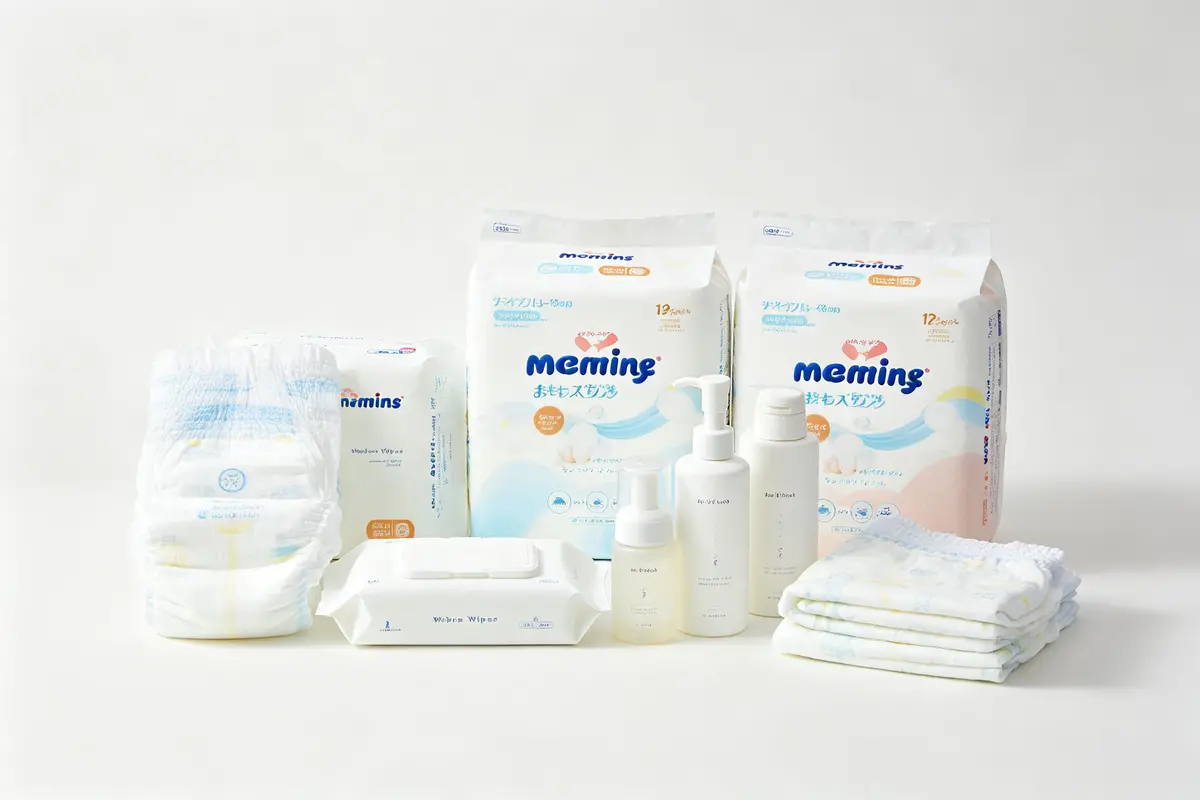
Japanese baby products have long held a reputation for exceptional quality, safety, and innovation—and demand is surging across Southeast Asia as parents increasingly seek premium, reliable baby care. For parents wondering where to buy Japanese baby products in the region, the market has expanded dramatically: from limited availability through personal shoppers and travel retail, Japanese baby products are now widely accessible via e-commerce platforms, official brand stores, specialty baby retailers, and D2C channels. This analysis examines the growth of Japanese baby products in Southeast Asia, the key brands and categories, distribution channels, consumer trends, and what parents should know when purchasing.
Why Japanese Baby Products Are Dominating Southeast Asia's Premium Segment
1. Reputation for safety and quality. Japanese baby products are synonymous with rigorous safety standards, meticulous quality control, and hypoallergenic formulations. Japanese regulatory standards (e.g., Ministry of Health, Labour and Welfare guidelines, JIS standards) are among the strictest in the world. For Southeast Asian parents—many of whom are first-time parents willing to pay a premium for products they trust—this safety reputation is a powerful purchase driver. In markets where counterfeit baby products are a concern (especially in Indonesia, the Philippines, and Vietnam), the authenticity and reliability of Japanese brands provide peace of mind.
2. Technological innovation. Japanese brands consistently lead in baby care innovation. Examples include: ultra-thin, high-absorbency diaper cores (Moony's Air Fit technology, Merries' Breathable Cotton technology), pH-balanced and fragrance-free baby wipes, skin-soothing formulations using traditional Japanese ingredients (rice bran, camellia oil, yuzu), and smart packaging features (wetness indicators, easy-tear packaging, resealable wipes lids). These innovations resonate with tech-savvy Southeast Asian parents who research products extensively online before purchasing.
3. Cultural affinity and soft power. Japanese culture—anime, J-pop, Japanese cuisine, fashion, and lifestyle—enjoys immense popularity across Southeast Asia, particularly among millennial and Gen Z parents. This cultural affinity extends to baby products: parents perceive Japanese brands as modern, stylish, and trustworthy. Japanese packaging design (minimalist, clean, often featuring cute characters) also appeals to design-conscious parents who share baby product photos on social media (Instagram, TikTok, Xiaohongshu/RED).
4. Word-of-mouth and influencer marketing. Japanese baby products have benefited from strong word-of-mouth in Southeast Asian mom communities (Facebook groups, WhatsApp/Telegram groups, parenting forums, and TikTok/Instagram mom influencers). Many parents first learn about Japanese brands through recommendations from friends, family, or trusted influencers who review and recommend products. The "Japanese quality" narrative is frequently reinforced in these communities.
5. Rising disposable income and premiumization.Public estimates for this market differ widely by source and by scope, so we do not quote a market size or a growth rate here. What we can speak to is the direction, and we would rather help you size one market from figures you can verify than publish a number we cannot source. While value brands still dominate the mass market, the premium segment (where Japanese brands compete) is growing faster than the overall market. In Singapore, Malaysia, and urban Thailand/Indonesia/Philippines, premium baby products are becoming mainstream.
Key Japanese Baby Brands and Categories in Southeast Asia
Diapers (the largest category): Japanese diapers are the most popular and widely available Japanese baby product category in Southeast Asia. Key brands include: Unicharm Moony (one of the best-selling premium diaper brands in the region, known for Air Fit technology and softness; available in tape and pants styles), Kao Merries (known for Breathable Cotton technology and wetness indicators; popular for newborns and sensitive skin), Oji Nepia (known for softness and absorbency), Goon (known for value and quality, especially in the pants style), and Pampers Premium Care (manufactured by P&G but using Japanese technology and formulations for the Asian market). Japanese diapers are available in both Japan-domestic versions (imported, often considered higher quality) and Southeast Asia-manufactured versions (produced locally or regionally, more affordable). Some parents specifically seek the Japan-domestic versions, believing they offer superior quality.
Baby wipes: Japanese baby wipes are known for being extra soft, thick, moisturizing, and gentle on sensitive skin. Key brands include: Kao Merries Baby Wipes (thick, soft, with moisturizing ingredients), Unicharm Moony Wipes (soft, fragrance-free, with natural moisturizers), Nepia Baby Wipes (known for softness), and Pigeon Baby Wipes (a popular Japanese baby care brand with a wide range of wipes). Japanese wipes often use purified water, natural moisturizers (like hyaluronic acid, collagen, or plant extracts), and are free from alcohol, fragrance, and parabens.
Baby skincare and bath products: Japanese baby skincare products are known for gentle, hypoallergenic formulations using traditional Japanese ingredients. Key brands include: Pigeon (a leading Japanese baby care brand with a full range of skincare, bath, and feeding products), Kao (baby body wash, shampoo, and lotion under the Merries and Kao Baby brands), Shiseido (baby skincare line with gentle formulations), Mama&Kids (premium Japanese maternity and baby skincare brand, popular for sensitive skin and eczema-prone babies), and Aishodo (traditional Japanese baby skincare using camellia oil and rice bran). Popular products include baby body wash, shampoo, lotion, cream, massage oil, and diaper rash cream.
Feeding products: Japanese feeding products are known for safety, ergonomic design, and anti-colic technology. Key brands include: Pigeon (baby bottles, nipples, breast pumps, and feeding accessories—one of the most popular feeding brands in Southeast Asia), Combi (baby bottles, tableware, and feeding accessories), Richell (baby cups, tableware, and feeding products), and Baby Smile (electric nasal aspirators and other baby health products). Pigeon's SofTouch baby bottles and nipples are particularly popular for their natural latch design and anti-colic ventilation.
Other categories: Japanese baby products also include: baby laundry detergent (Kao, Pigeon—gentle, fragrance-free, for baby clothes), baby fabric softener, baby toothpaste and oral care (Pigeon, Kao—fluoride-free for babies), baby sunscreen (Kao, Shiseido—gentle, mineral-based), baby thermometers and health monitors (Omron, Pigeon), and baby safety products (Pigeon, Combi).
For parents seeking to buy Japanese baby products online with authentic product guarantees and reliable delivery across Southeast Asia, platforms like Moni Happy offer a curated selection of premium Japanese and international baby care brands, with distribution partnership opportunities for retailers and resellers.
Distribution Channels: Where to Buy Japanese Baby Products in SEA
1. E-commerce platforms (largest channel). Shopee and Lazada are the primary channels for purchasing Japanese baby products in Southeast Asia. Both platforms host official brand stores (Pigeon Official Store, Moony Official Store, Merries Official Store) and authorized sellers, offering a wide range of products with competitive prices, frequent promotions (11.11, 12.12, payday sales), and reliable delivery. TikTok Shop is emerging as a fast-growing channel, with Japanese baby products sold through live commerce sessions and influencer collaborations. Amazon Singapore also offers Japanese baby products with international shipping to some SEA markets.
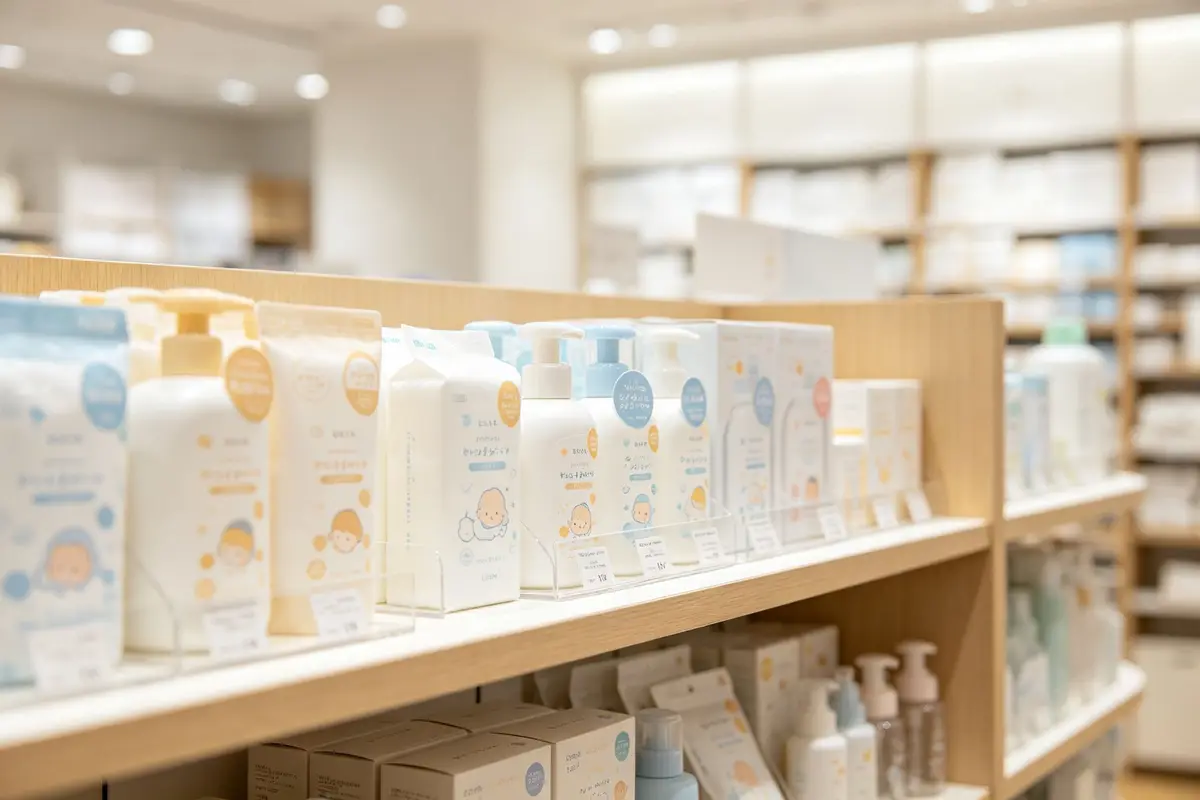
2. Specialty baby retailers. Physical and online baby specialty stores carry a curated selection of Japanese baby products. Examples include: Mothercare (international baby retailer with stores across SEA, carries some Japanese brands), Kiddy Palace (Singapore-based baby retailer), Toys R Us / Babies R Us (carries some Japanese feeding and toy brands), and local baby boutiques (especially in Singapore, Kuala Lumpur, Bangkok, and Jakarta, which carry premium Japanese skincare and feeding products). These retailers often provide expert advice and product demonstrations.
3. Japanese retail chains and convenience stores. In markets with significant Japanese retail presence (Singapore, Malaysia, Thailand, Indonesia), Japanese retail chains like Don Quijote (Don Don Donki), Daiso, and Japanese supermarkets (Isetan, Takashimaya, Meidi-Ya) carry a selection of Japanese baby products, especially snacks, skincare, and small accessories. Don Don Donki, in particular, has become a popular destination for Japanese baby products in Singapore, Malaysia, and Thailand, offering a wide range of imported Japanese baby snacks, skincare, and household products.
4. D2C brand websites. Some Japanese brands have launched D2C e-commerce websites targeting Southeast Asian consumers, offering direct sales with authentic product guarantees and sometimes exclusive products or promotions. Pigeon, for example, has regional e-commerce sites in several SEA markets. D2C sites may offer subscription options, loyalty programs, and personalized recommendations.
5. Personal shoppers and proxy services. For hard-to-find or Japan-exclusive products, some parents use personal shoppers (often based in Japan) or proxy buying services (Buyee, Neokyo, FromJapan) to purchase directly from Japanese e-commerce sites (Amazon Japan, Rakuten, Yahoo Shopping) and have them shipped internationally. While this offers access to the widest range of Japanese products, it can be more expensive (international shipping, proxy fees) and slower (1-3 weeks delivery). This channel is most popular for premium or niche products not officially distributed in SEA.
6. Travel retail and cross-border shopping. Before the pandemic, many Southeast Asian parents purchased Japanese baby products during trips to Japan (especially Tokyo, Osaka, and Okinawa, which are popular tourist destinations). While travel has recovered, e-commerce has largely replaced travel retail as the primary channel. Some parents still ask friends or family traveling to Japan to bring back products, especially for premium or Japan-exclusive items.
Consumer Trends and Future Outlook
Key trends shaping the Japanese baby products market in Southeast Asia: (1) Growing demand for premium and niche products — As disposable incomes rise, parents are seeking higher-end Japanese products (Mama&Kids skincare, premium diaper lines, organic baby food) beyond the mainstream brands. (2) Authenticity concerns — Counterfeit Japanese baby products (especially diapers and wipes) are a growing concern on third-party marketplace stores. Parents increasingly seek official stores, authorized sellers, or authenticity guarantees. This benefits D2C channels and official brand stores. (3) Sustainability and eco-friendly products — Japanese brands are responding to growing consumer demand for eco-friendly products (biodegradable diapers, plant-based skincare, recyclable packaging). While still a niche segment in SEA, demand is growing among urban, environmentally conscious parents. (4) Social commerce and influencer marketing — TikTok Shop and Instagram are becoming increasingly important channels for Japanese baby products, with mom influencers reviewing and recommending products to their followers. Live commerce sessions (especially on TikTok Shop and Shopee Live) drive significant sales, with Japanese brands frequently featured. (5) Expansion to suburban and rural markets — As e-commerce logistics improve, Japanese baby products are becoming more accessible beyond major cities. This is driving growth in suburban and rural areas of Indonesia, the Philippines, Vietnam, and Thailand. (6) Localization — Some Japanese brands are developing SEA-specific products (e.g., diapers formulated for the region's hot, humid climate, or packaging in local languages) to better serve regional consumers. The future outlook for Japanese baby products in Southeast Asia remains strongly positive, with continued premiumization, e-commerce growth, and cultural affinity driving sustained demand over the next 5+ years.
Article Summary
Japanese baby products are experiencing surging demand across Southeast Asia, driven by reputation for safety/quality, technological innovation, cultural affinity/soft power, word-of-mouth/influencer marketing, and rising disposable income/premiumization.Public estimates for this market differ widely by source and by scope, so we do not quote a market size or a growth rate here. What we can speak to is the direction, and we would rather help you size one market from figures you can verify than publish a number we cannot source. Key categories: Diapers (largest—Moony, Merries, Nepia, Goon, available in Japan-domestic and SEA-manufactured versions), baby wipes (Merries, Moony, Nepia, Pigeon—soft, thick, moisturizing, fragrance-free), baby skincare/bath (Pigeon, Kao, Shiseido, Mama&Kids, Aishodo—gentle hypoallergenic with traditional Japanese ingredients), feeding products (Pigeon SofTouch bottles, Combi, Richell, Baby Smile—anti-colic, ergonomic), and other categories (laundry detergent, oral care, sunscreen, health monitors, safety products). Distribution channels: e-commerce platforms (Shopee, Lazada, TikTok Shop—largest channel with official brand stores), specialty baby retailers (Mothercare, Kiddy Palace, local boutiques), Japanese retail chains (Don Don Donki, Daiso, Isetan, Meidi-Ya), D2C brand websites, personal shoppers/proxy services (Buyee, Neokyo—for Japan-exclusive products), and travel retail/cross-border. Consumer trends: growing premium/niche demand, authenticity concerns (counterfeit risk on third-party stores), sustainability/eco-friendly products, social commerce/influencer marketing (TikTok Shop, Shopee Live), expansion to suburban/rural markets, and localization (SEA-specific products). Future outlook strongly positive with sustained demand driven by premiumization, e-commerce growth, and cultural affinity. For authentic Japanese baby products with reliable delivery and distribution partnership support across Southeast Asia, Moni Happy offers curated premium brand access.
Frequently Asked Questions
Where can I buy authentic Japanese baby products in Southeast Asia and how do I avoid fakes?
Japanese baby products are widely available across Southeast Asia through several channels, but authenticity is a key concern—especially for diapers and wipes, where counterfeits are common. Here are the most reliable channels and how to verify authenticity: Most reliable channels (in order of authenticity assurance): (1) Official brand stores on e-commerce platforms — Shopee Mall and Lazada Mall host official brand stores (Pigeon Official Store, Moony Official Store, Merries Official Store, Kao Official Store) that are directly operated or authorized by the brands. These stores offer authenticity guarantees, official warranties, and reliable customer service. Look for the 'Official Store' or 'Mall' badge on Shopee/Lazada. TikTok Shop also has official brand stores with similar guarantees. (2) Authorized specialty baby retailers — Physical and online baby specialty stores (Mothercare, Kiddy Palace, Babies R Us, and reputable local baby boutiques) purchase directly from brands or authorized distributors, ensuring authenticity. These stores often provide expert advice and product demonstrations. (3) Japanese retail chains — Don Don Donki (Don Quijote), Daiso, Isetan, Takashimaya, and Meidi-Ya import Japanese products directly or through authorized channels, offering strong authenticity assurance. Don Don Donki, in particular, has a wide selection of imported Japanese baby products in Singapore, Malaysia, and Thailand. (4) D2C brand websites — Some Japanese brands (Pigeon, Kao) operate regional e-commerce websites in SEA markets, selling directly to consumers with authenticity guarantees. D2C sites may also offer exclusive products, subscriptions, and loyalty programs. (5) Amazon Singapore — For consumers in Singapore (and with international shipping to some other SEA markets), Amazon Singapore offers Japanese baby products with Amazon's authenticity guarantee. Channels with higher authenticity risk (use caution): (1) Third-party marketplace sellers — Individual sellers on Shopee, Lazada, Carousell, or Facebook Marketplace may sell counterfeit or parallel-import (grey market) products. While many third-party sellers are legitimate, the risk is higher. Check seller ratings, reviews, and whether they are authorized by the brand. If a price seems too good to be true (e.g., 30-50% below official store prices), it may be counterfeit. (2) Personal shoppers and proxy services — While these can provide access to Japan-exclusive products, the authenticity depends on the individual shopper. Use reputable proxy services (Buyee, Neokyo, FromJapan) that purchase directly from Japanese e-commerce sites (Amazon Japan, Rakuten), rather than unknown personal shoppers. (3) Unofficial online stores — Independent websites or social media stores selling Japanese baby products may not be authorized. Verify the store's authenticity claims and check for customer reviews. How to identify counterfeit Japanese baby products: (1) Packaging differences — Counterfeit products may have slightly different packaging: blurry printing, incorrect colors, misspelled Japanese/English text, missing holograms or authenticity seals, or different packaging dimensions. Compare with official product photos on the brand's website or official store. (2) Price — If the price is significantly below official store prices (20%+ discount), be suspicious. Japanese premium products have a certain cost structure; deeply discounted prices may indicate counterfeit or expired products. (3) Product quality — Counterfeit diapers may be less soft, less absorbent, have a chemical smell, or cause skin irritation. Counterfeit wipes may be thinner, drier, have a strange smell, or cause redness. If a product seems different from what you've used before, stop using it. (4) Batch codes and expiration dates — Authentic products have clear batch codes and expiration dates. Counterfeits may have missing, smudged, or inconsistent codes. (5) Seller reputation — Check seller ratings, number of sales, and customer reviews (especially negative reviews mentioning authenticity concerns). Tips for ensuring authenticity: (1) Buy from official stores or authorized retailers whenever possible — This is the simplest and most reliable way to ensure authenticity. (2) Verify the seller — If buying from a third-party seller, check if they are listed as an authorized seller on the brand's website or social media. Contact the brand to verify if unsure. (3) Compare prices — If a deal seems too good to be true, it probably is. Stick to prices within 10-15% of official store prices. (4) Check return policies — Official stores and authorized retailers typically offer return/refund policies for defective or incorrect products. Sellers with no return policy may be selling counterfeits. (5) Report counterfeits — If you suspect you've purchased a counterfeit, report it to the e-commerce platform, the brand, and relevant consumer protection authorities. This helps protect other parents. For parents seeking authentic Japanese baby products with reliable delivery across Southeast Asia, Moni Happy offers a curated selection of premium Japanese and international brands with authenticity guarantees and distribution partnership support.
What are the most popular Japanese baby brands in Southeast Asia and which products are best?
Japanese baby brands have gained strong popularity across Southeast Asia, with certain brands and products emerging as parent favorites. Here's a breakdown of the most popular brands and their standout products: Diapers (most popular category): (1) Unicharm Moony — One of the best-selling premium diaper brands in SEA. Standout products: Moony Air Fit (ultra-soft, breathable, with a slim fit; popular for both tape and pants styles), Moony Natural (organic cotton blend, hypoallergenic, for sensitive skin), and Moony Man (pants style for active babies, with a wider waistband). Known for exceptional softness and absorbency. (2) Kao Merries — Another top-selling premium brand. Standout products: Merries Premium (soft, breathable, with wetness indicator; popular for newborns), Merries Pants (easy pull-up style for active babies), and Merries Good Sleep (overnight diapers with extra absorbency). Known for Breathable Cotton technology and being gentle on sensitive skin. (3) Oji Nepia — Known for premium softness. Standout products: Nepia Premium Soft diapers (extra soft surface, high absorbency) and Nepia Baby Wipes (some of the softest wipes available). Popular in Singapore and Malaysia. (4) Goon — Known for good value and quality. Standout products: Goon Premium Pants (soft, absorbent pants-style diapers at a more affordable price point) and Goon Plus (premium tape diapers). Popular in Indonesia and the Philippines for value-conscious parents. (5) Pampers Premium Care — While P&G is a US company, the Premium Care line sold in Asia uses Japanese technology and formulations, and is often grouped with Japanese premium diapers. Known for softness and wetness indicator. Baby wipes: (1) Kao Merries Baby Wipes — Thick, soft, with moisturizing ingredients (hyaluronic acid, collagen). Fragrance-free and alcohol-free. Popular for newborns and sensitive skin. (2) Unicharm Moony Wipes — Soft, thick, with natural moisturizers. Available in regular and sensitive-skin versions. (3) Pigeon Baby Wipes — Gentle, fragrance-free, with natural ingredients. Available in several variants (original, sensitive, organic cotton). (4) Nepia Baby Wipes — Known for exceptional softness and thickness. Premium-priced but highly regarded. Baby skincare and bath: (1) Pigeon — The most popular Japanese baby care brand in SEA, with a full range. Standout products: Pigeon Baby Laundry Detergent (gentle, fragrance-free, for baby clothes—very popular), Pigeon Baby Body Wash & Shampoo (gentle, tear-free, with natural moisturizers), Pigeon Baby Lotion & Cream (for dry and sensitive skin), and Pigeon Diaper Rash Cream. (2) Mama&Kids — Premium Japanese maternity and baby skincare brand. Standout products: Mama&Kids Baby Milk Lotion (lightweight, moisturizing, for sensitive/eczema-prone skin), Mama&Kids Baby Cream (richer moisturizer for dry skin), and Mama&Kids Baby Soap (gentle, pH-balanced body wash). Popular among parents with babies who have eczema or very sensitive skin. (3) Kao — Standout products: Kao Merries Baby Body Wash (gentle, moisturizing), Kao Baby Shampoo (tear-free, soft), and Kao Baby Laundry Detergent (popular for baby clothes). (4) Aishodo — Traditional Japanese baby skincare using camellia oil and rice bran. Standout products: Aishodo Baby Oil (camellia oil for massage and moisturizing) and Aishodo Baby Cream. Popular among parents seeking traditional Japanese ingredients. Feeding products: (1) Pigeon — Dominant in the feeding category. Standout products: Pigeon SofTouch Baby Bottles (wide-neck, natural latch design, anti-colic ventilation—very popular), Pigeon SofTouch Nipples (available in different flow rates for different ages), Pigeon Breast Pumps (manual and electric), and Pigeon Baby Tableware (training cups, bowls, spoons). (2) Combi — Standout products: Combi Baby Tableware (ergonomic, easy-grip training cups and utensils), Combi Baby Bottles, and Combi Baby High Chairs. (3) Richell — Standout products: Richell Training Cups (popular for transitioning from bottle to cup), Richell Baby Tableware, and Richell Baby Food Containers. (4) Baby Smile — Standout products: Baby Smile Electric Nasal Aspirator (popular for clearing baby's nasal congestion, especially during colds) and Baby Smile Baby Hair Trimmer. Other popular products: (1) Kao Baby Laundry Detergent — Gentle, fragrance-free, specifically formulated for baby clothes. Very popular across SEA. (2) Pigeon Baby Toothpaste — Fluoride-free, safe if swallowed, with fruit flavors. Popular for babies and toddlers. (3) Kao Baby Sunscreen — Gentle, mineral-based, suitable for babies. Popular in SEA's sunny climate. (4) Omron Baby Thermometer — Accurate, easy-to-use digital thermometers for babies. (5) Pigeon Nail Clippers and Healthcare Kit — Safe, easy-to-use baby nail clippers and healthcare accessories. Choosing the right products: The 'best' product depends on your baby's individual needs (skin sensitivity, diaper fit, feeding preferences), your budget, and product availability in your country. For diapers, many parents try a few brands (Moony, Merries, Pampers Premium) to see which fits their baby best and causes the least leaks/irritation. For skincare, if your baby has sensitive skin or eczema, Mama&Kids or Pigeon Sensitive Skin lines are good choices. For feeding, Pigeon SofTouch bottles are a safe, popular choice that most babies accept. For all products, check reviews from other parents in your country (on Shopee/Lazada reviews, Facebook mom groups, or TikTok) to get localized feedback on fit, quality, and value. For a curated selection of premium Japanese baby products with authenticity guarantees and reliable delivery across Southeast Asia, Moni Happy offers access to top brands and distribution partnership support for retailers.
Are Japanese baby products more expensive in Southeast Asia and is it worth the premium?
Japanese baby products are generally priced at a premium in Southeast Asia compared to local and regional value brands, but the price gap varies significantly by category, brand, and whether the product is imported from Japan or manufactured regionally. Here's a detailed breakdown: Price comparison (approximate, varies by country and promotions): Diapers: Local/value brands (Drypers, PetPet, Fitti, Bambino) — $0.10-0.18 per diaper. Regional mid-range brands (Pampers Baby Dry, Huggies Dry) — $0.15-0.25 per diaper. Japanese premium brands (Moony, Merries, Nepia) — $0.22-0.35 per diaper (SEA-manufactured versions) or $0.30-0.45 per diaper (Japan-domestic imported versions). Japanese premium diapers are roughly 30-80% more expensive than value brands, and 20-40% more expensive than mid-range brands. For a baby using 8 diapers/day, the annual cost difference between value ($0.14/diaper = $409/year) and Japanese premium ($0.30/diaper = $876/year) is about $467/year, or $1,168 over 2.5 years of diapering. Baby wipes: Local/value brands — $0.50-1.00 per pack (80 sheets). Mid-range brands — $1.00-1.80 per pack. Japanese premium brands (Merries, Moony, Pigeon) — $1.50-3.00 per pack (often thicker, with more moisturizing ingredients). Japanese wipes are roughly 50-100% more expensive than value brands, but many parents find them worth it for softness and gentleness (especially for babies with sensitive skin or frequent diaper rash). Baby skincare: Local/value brands — $3-8 per product. Mid-range brands — $8-15 per product. Japanese premium brands (Mama&Kids, Pigeon Premium, Aishodo) — $12-30 per product. Mama&Kids, in particular, is at the premium end ($20-30 for lotion/cream), but is popular for babies with eczema or very sensitive skin where cheaper products cause irritation. Feeding products: Pigeon baby bottles — $8-15 per bottle (comparable to other mid-range brands like Dr. Brown's, Avent). Pigeon nipples — $3-6 each. Japanese feeding products are generally not significantly more expensive than other mid-range international brands, and Pigeon is often considered good value for the quality. Is it worth the premium? The answer depends on several factors: (1) Your baby's skin sensitivity — If your baby has sensitive skin, eczema, or frequent diaper rash, Japanese premium diapers and wipes (which are often softer, more breathable, fragrance-free, and hypoallergenic) may be worth the premium to prevent discomfort and skin issues. Treating diaper rash or eczema (with creams, doctor visits, or prescription medication) can cost more than the price difference in premium products. (2) Absorbency and leak protection — Japanese premium diapers generally offer better absorbency and leak protection, which means fewer diaper changes (especially overnight), less laundry, and less risk of diaper rash from prolonged wetness. For overnight use, many parents find premium diapers worth it for uninterrupted sleep (both baby's and parents'). (3) Quality and durability — Japanese products are known for meticulous quality control and durable construction. Premium wipes are thicker and less likely to tear, premium bottles are more durable and have better anti-colic features, and premium skincare products use higher-quality ingredients. (4) Peace of mind — For many parents, the safety reputation and authenticity of Japanese brands provide peace of mind that's worth the premium, especially in markets where counterfeit products are a concern. (5) Budget considerations — If budget is tight, you don't need to buy all Japanese premium products. Many parents use a mixed approach: premium diapers for overnight or sensitive skin, value diapers for daytime; premium wipes for diaper changes (where gentleness matters), value wipes for cleaning hands/faces/toys; and mid-range feeding and skincare products. This allows you to prioritize where the premium matters most while managing costs. (6) Promotions and sales — Japanese baby products frequently go on sale on Shopee/Lazada (11.11, 12.12, payday sales, brand day sales), with discounts of 20-40%. Buying in bulk during sales can significantly reduce the price gap. Subscription/auto-replenishment also offers 5-15% discounts. Tips for getting the best value: (1) Buy during major sales events (11.11, 12.12, 9.9, 6.6) when Japanese brands offer their deepest discounts. (2) Use subscription/auto-replenishment on Shopee/Lazada for 5-15% ongoing discounts. (3) Compare prices across platforms (Shopee, Lazada, TikTok Shop, official brand stores) — prices and promotions vary. (4) Buy in bulk (larger pack sizes, carton deals) for lower per-unit prices, but be mindful of sizing (babies grow fast—don't overstock a size your baby may outgrow). (5) Consider SEA-manufactured versions of Japanese brands (Moony, Merries have regional manufacturing) — these are typically 20-30% cheaper than Japan-domestic imported versions while still offering good quality. (6) Use cashback and rewards (credit card cashback, e-wallet rewards, Shopee Coins, Lazada Bonus) to further reduce costs. The bottom line: Japanese baby products are more expensive, but for many parents—especially those with babies with sensitive skin, or those who value safety, quality, and peace of mind—the premium is worth it. However, you don't need to buy everything premium; prioritize the categories where quality matters most (diapers for sensitive skin/overnight, wipes for diaper changes) and use value or mid-range products for other categories. With smart shopping (sales, subscriptions, bulk buying), you can reduce the price gap significantly. For competitive pricing on premium Japanese baby products with authenticity guarantees and reliable delivery across Southeast Asia, Moni Happy offers curated brand access and distribution partnership support.
Which Japanese baby products are most recommended for newborns and what should I register for?
For newborns (0-3 months), Japanese baby products are particularly popular because newborns have the most sensitive skin, require the most diaper changes (8-12 per day), and parents want the safest, gentlest products. Here are the most recommended Japanese baby products for newborns, organized by category: Diapers (most essential): (1) Kao Merries Premium Tape (Newborn/S size) — Highly recommended for newborns due to exceptional softness, breathability, and a wetness indicator (yellow line that turns blue when wet, helping you know when to change without unwrapping). The Newborn size (up to 5kg) has a cutout for the umbilical cord stump, which is important for newborns. Merries is known for being gentle on newborn sensitive skin and causing fewer diaper rashes. (2) Unicharm Moony Air Fit Tape (Newborn/S size) — Another top recommendation for newborns. Ultra-soft surface, breathable, with a slim fit that doesn't bulk up. Moony's Newborn size also has an umbilical cord cutout. Known for being very soft and comfortable for newborns. (3) Pampers Premium Care Tape (Newborn/S size) — While P&G is US-based, the Premium Care line in Asia uses Japanese technology. Soft, with wetness indicator, and widely available. Good value option among premium newborn diapers. Tip: For newborns, buy smaller packs (20-40 diapers) of the Newborn size first, since babies grow quickly and may outgrow Newborn in 2-4 weeks. Have a few packs of Size S ready as backup. Baby wipes (second most essential): (1) Kao Merries Baby Wipes — Thick, soft, moisturizing (with hyaluronic acid and collagen), fragrance-free, alcohol-free, and pH-balanced. Highly recommended for newborns' sensitive skin. The thick texture means you use fewer wipes per change. (2) Unicharm Moony Wipes — Soft, thick, with natural moisturizers. Fragrance-free and gentle. Good alternative to Merries. (3) Pigeon Baby Wipes (Sensitive Skin version) — Gentle, fragrance-free, with natural ingredients. More affordable than Merries/Moony while still being gentle. Tip: For newborns, use fragrance-free, alcohol-free, hypoallergenic wipes. Avoid wipes with added fragrances, which can irritate newborn skin. Some parents use cotton wool + warm water for the first few weeks, then transition to wipes. Baby skincare and bath: (1) Pigeon Baby Body Wash & Shampoo (2-in-1 or separate) — Gentle, tear-free, pH-balanced, with natural moisturizers. Suitable for newborns' sensitive skin and hair. Pigeon is the most popular and widely available Japanese baby skincare brand in SEA. (2) Pigeon Baby Lotion — Lightweight, moisturizing, fragrance-free. Suitable for newborns with normal to dry skin. Apply after bath to lock in moisture. (3) Mama&Kids Baby Milk Lotion — Premium option for newborns with very sensitive skin or eczema tendency. Lightweight, deeply moisturizing, hypoallergenic, with no added fragrance, color, or mineral oil. Highly recommended by dermatologists and pediatricians for sensitive newborn skin. (4) Pigeon Diaper Rash Cream — Gentle, effective diaper rash cream with zinc oxide. Suitable for newborns. Apply at each diaper change to prevent and treat mild diaper rash. (5) Pigeon Baby Oil — Gentle, moisturizing oil for baby massage. Can use natural oils (coconut oil, camellia oil) as alternatives. Tip: Newborns don't need a bath every day (2-3 times per week is sufficient, with sponge baths in between). Use minimal products—just a gentle body wash and lotion. Avoid powders (talcum powder is not recommended for babies due to inhalation risk). Feeding products: (1) Pigeon SofTouch Baby Bottle (Wide Neck, 160ml/240ml) — Highly recommended for newborns. Wide-neck design is easy to clean and fill, the SofTouch nipple mimics the natural breast shape and latch, and the anti-colic ventilation system reduces gas and colic. Start with 1-2 160ml bottles (for newborn feeding amounts) and add 240ml bottles as baby grows. (2) Pigeon SofTouch Nipples (SS size for newborns) — Extra-soft, slow-flow nipples suitable for newborns. The SS (Super Slow) size is designed for newborns and premature babies. Have 2-3 spare nipples (they need to be replaced every 1-2 months, or if damaged). (3) Pigeon Bottle Brush and Sterilizer — Essential for cleaning and sterilizing baby bottles. Pigeon's bottle brush (with nipple brush) and steam sterilizer are popular and reliable. (4) Pigeon Breast Pump (if breastfeeding) — If you plan to breastfeed and need to express milk, Pigeon's electric or manual breast pumps are popular. The electric pump is more efficient; the manual is more portable and affordable. Tip: If you're breastfeeding, you may not need bottles initially, but it's good to have 1-2 bottles for when you need to be away or for partner feeding. If formula feeding, you'll need 4-6 bottles. Other essentials: (1) Pigeon Baby Nail Clippers — Safe, easy-to-use nail clippers specifically designed for tiny newborn nails. Newborn nails grow fast and are sharp (they can scratch their faces), so you'll need to trim them regularly. (2) Pigeon Healthcare Kit — Includes nasal aspirator, thermometer, nail clippers, and other healthcare essentials. Useful for newborn care. (3) Baby Smile Electric Nasal Aspirator — Helpful for clearing newborn nasal congestion (common in newborns, especially during colds or in dry/air-conditioned environments). Uses gentle suction to clear mucus. (4) Pigeon Baby Laundry Detergent — Gentle, fragrance-free, specifically formulated for baby clothes. Newborn clothes should be washed separately with baby-specific detergent to avoid skin irritation from residual regular detergent. (5) Kao Baby Laundry Detergent — Alternative to Pigeon, also gentle and popular. What to register for (if creating a baby registry): If you're creating a baby registry (or asking friends/family for gifts), prioritize: (1) Diapers — Ask for gift cards or diaper subscriptions (so you can choose sizes as needed), or small packs of Newborn and Size S premium diapers (Merries, Moony). (2) Wipes — Stock up on Merries or Moony wipes (they don't expire quickly and you'll use a lot). (3) Pigeon SofTouch bottles and nipples — Useful for all feeding scenarios. (4) Mama&Kids or Pigeon skincare set — A nice gift for parents who want premium skincare for their newborn. (5) Pigeon healthcare kit and nail clippers — Practical essentials that parents may not think to buy. (6) Baby Smile nasal aspirator — A helpful tool that many parents appreciate. Tip: For diapers, it's better to receive gift cards or subscriptions than specific sizes, since you don't know how big your baby will be or how quickly they'll grow. For wipes, skincare, and feeding products, specific products are fine to register for. Final note: Every baby is different, and what works for one newborn may not work for another. Start with a few basic products (premium diapers, gentle wipes, mild body wash/lotion, bottles if needed) and add products as you discover what your baby needs. Don't overbuy newborn-sized products—babies grow out of them quickly. For a curated selection of premium Japanese newborn essentials with authenticity guarantees and reliable delivery across Southeast Asia, Moni Happy offers access to top brands and can help with gift registry and bulk purchasing.