
2026-09-04 · Moni Happy Editorial Team
Where to Buy Premium Facial Tissue in Bulk: Southeast Asia Distribution Guide 2026
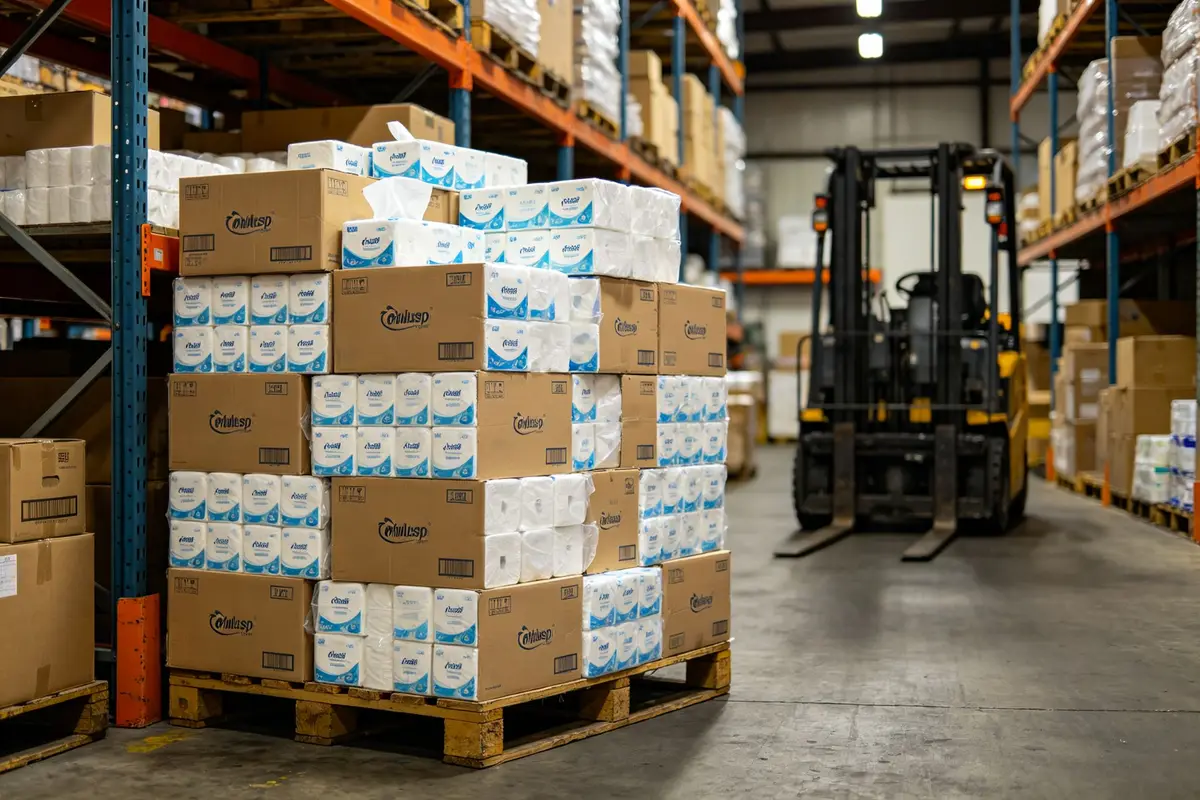
For businesses across Southeast Asia—from hotels and restaurants to offices, hospitals, schools, and coworking spaces—sourcing premium facial tissue in bulk is a critical procurement decision that impacts both cost efficiency and brand perception. The ability to buy facial tissue bulk at competitive prices while maintaining consistent quality is a key operational priority for commercial buyers. However, the Southeast Asian bulk facial tissue market is fragmented, with diverse suppliers, varying quality standards, and complex distribution networks. This guide provides a comprehensive overview of the bulk facial tissue market, key procurement channels, quality considerations, pricing benchmarks, and strategic recommendations for commercial buyers across the region.

The Bulk Facial Tissue Market: Scale and Structure
The B2B/commercial segment of the Southeast Asian facial tissue market represents approximately 15-20% of total tissue volume, with an estimated market value of $450-560 million in 2024. This segment encompasses a diverse range of buyers with distinct requirements:
- Hospitality (hotels, resorts, serviced apartments): The largest B2B segment, accounting for approximately 30-35% of commercial tissue volume. Hotels require consistent quality, custom branding options (logo-printed tissue boxes), and reliable bulk supply across multiple properties. Premium hotels and resorts prioritize soft, lotion-coated tissues that enhance the guest experience, while budget hotels prioritize cost efficiency.
- Offices and coworking spaces: Accounting for approximately 20-25% of commercial volume, office buyers prioritize value, consistent supply, and ease of procurement. The growth of coworking spaces and flexible office models across Southeast Asia's major cities has driven increased demand for premium tissue in shared work environments.
- Foodservice (restaurants, cafes, fast food chains): Representing approximately 15-20% of commercial volume, foodservice buyers require tissue that is strong, absorbent, and cost-effective. Fast food chains and large restaurant groups often negotiate national supply contracts with major tissue manufacturers.
- Healthcare (hospitals, clinics, dental practices): Accounting for approximately 10-15% of commercial volume, healthcare buyers have the most stringent quality requirements, often requiring medical-grade tissue, hypoallergenic formulations, and compliance with healthcare sanitation standards.
- Education (schools, universities, tuition centers): Representing approximately 5-10% of commercial volume, education buyers are highly price-sensitive and purchase in large seasonal quantities (before school terms begin).
The bulk tissue supply chain in Southeast Asia typically involves: manufacturers (tissue mills) → national/regional distributors → wholesalers/sub-distributors → end business buyers. However, larger buyers (hotel chains, restaurant groups, hospital networks) often purchase directly from manufacturers, bypassing intermediaries for better pricing and quality control.
Key Procurement Channels for Bulk Facial Tissue
Commercial buyers in Southeast Asia have several procurement channels to choose from, each with distinct advantages and considerations:
1. Direct from manufacturers/mills: Purchasing directly from tissue manufacturers offers the best pricing (10-25% lower than distributor pricing) and maximum quality control, including custom formulation, packaging design, and branding options. However, direct purchasing typically requires large minimum order quantities (MOQs)—often one full container load (FCL) or 1,000+ cartons—and may require longer lead times (3-8 weeks for production and delivery). This channel is best suited for large national/regional chains, major distributors, and buyers with significant storage capacity. Major Southeast Asian tissue manufacturers include: Asia Pulp & Paper (APP/Sinar Mas, Indonesia), April Group (Indonesia), Double A (Thailand), CMPC (regional operations), and several Vietnamese and Malaysian manufacturers.
2. National/regional distributors: Distributors offer the advantage of lower MOQs (typically 50-200 cartons), faster delivery (1-7 days), consolidated ordering (multiple product categories from one supplier), and localized support (credit terms, delivery coordination, returns handling). Distributors typically carry multiple brands and product tiers, allowing buyers to compare and select based on their specific quality and budget requirements. For most medium-sized businesses (single hotels, mid-size office buildings, restaurant groups with 5-20 locations), distributors offer the best balance of price, convenience, and flexibility.
3. Cash-and-carry/wholesale clubs: Makro, Costco (in select markets), and local cash-and-carry outlets offer bulk packaging at wholesale prices with no membership requirements (or low-cost membership). This channel is ideal for small businesses, startups, and one-time bulk purchases. Buyers can physically inspect product quality before purchasing and take immediate delivery. However, cash-and-carry pricing is typically 5-15% higher than distributor pricing, and product selection may be limited to in-stock items.
4. E-commerce B2B platforms: Shopee Business, Lazada Business, Tokopedia Mitra, and TikTok Shop offer bulk purchasing with competitive pricing, convenient online ordering, and delivery across the region. These platforms are particularly useful for small and medium businesses, startups, and buyers in areas with limited distributor coverage. E-commerce platforms often feature bundle deals, flash sales, and subscription/auto-replenishment models with 5-15% discounts. TikTok Shop's live commerce format allows buyers to see product demonstrations (softness, strength, absorbency tests) in real-time before purchasing.
5. Platform-based procurement solutions: For businesses seeking a streamlined, one-stop procurement solution with guaranteed quality and competitive pricing, platforms like Moni Happy offer premium facial tissue products suitable for both retail and B2B use, with partnership and distribution programs that provide bulk pricing, flexible terms, and reliable supply across Southeast Asia's key markets. This model is particularly attractive for buyers who value consistent quality, transparent pricing, and long-term supplier relationships.
Quality Considerations for Bulk Purchasing
When purchasing facial tissue in bulk, quality consistency is paramount—especially for hospitality and office environments where tissue quality directly impacts customer/employee experience. Key quality parameters to evaluate include:
- Basis weight (gsm): The weight of the tissue per square meter, which correlates with thickness and durability. Economy tissue typically ranges 20-25 gsm, mid-premium 25-32 gsm, and premium 32-45 gsm. For hospitality and office use, a minimum of 28-30 gsm is recommended for a satisfactory user experience.
- Plies: The number of tissue layers. 2-ply is standard for economy, 3-ply for mid-premium, and 4-ply for premium/luxury. More plies generally mean better softness, strength, and absorbency, but also higher cost. For premium hotels and offices, 3-ply is the recommended minimum.
- Softness: Subjective but critical, softness is influenced by fiber type (virgin pulp is softer than recycled), fiber length, lotion coating, and calendering (surface smoothing). For bulk purchasing, always request samples to evaluate softness before committing to large orders.
- Wet strength: The ability of the tissue to resist tearing when wet. This is particularly important for tissues used in bathrooms, kitchens, and foodservice settings. Premium tissues use wet strength resins to maintain integrity when moist.
- Lint/dust: Low-quality tissue leaves lint residue on hands, faces, and surfaces—a major complaint in office and hospitality settings. Premium tissues use better fiber bonding and dust extraction to minimize lint. For bulk purchasing, test the tissue by rubbing it on a dark surface to check for lint residue.
- Certifications: FSC/PEFC certification (sustainable forestry), ISO 9001 (quality management), ISO 14001 (environmental management), and dermatological testing/hypoallergenic certification are indicators of quality and responsible manufacturing. For healthcare and premium hospitality buyers, these certifications may be requirements rather than nice-to-haves.
- Packaging quality: For bulk shipments, packaging integrity is critical to prevent damage during transit and storage. Look for moisture-resistant outer cartons, secure inner wrapping, and clear labeling (product name, size, quantity, batch number, manufacturing/expiry dates).
Pricing Benchmarks and Cost Optimization
Bulk facial tissue pricing in Southeast Asia varies significantly by quality tier, volume, and channel. The following benchmarks provide a general reference (prices per carton of 30-48 boxes, 100-200 sheets per box, 2-3 ply):
- Economy tier: $8-15 per carton ($0.20-0.35 per box). Typically 2-ply, 20-25 gsm, recycled or mixed pulp, basic packaging. Suitable for high-volume, cost-sensitive environments (public restrooms, schools, budget foodservice).
- Mid-premium tier: $15-28 per carton ($0.35-0.65 per box). Typically 3-ply, 25-32 gsm, virgin pulp, better softness and strength, attractive packaging. Suitable for offices, mid-range hotels, restaurants, and retail.
- Premium tier: $28-50+ per carton ($0.65-1.20+ per box). Typically 3-4 ply, 32-45 gsm, premium virgin pulp, lotion-coated, luxury packaging, FSC certified. Suitable for luxury hotels, premium offices, high-end restaurants, and premium retail.
Cost optimization strategies for bulk buyers include:
- Volume commitments: Committing to larger annual volumes or multi-year contracts can yield 10-20% price reductions from manufacturers or distributors.
- Consolidated purchasing: Consolidating tissue purchases with other categories (toilet paper, paper towels, wipes) from a single distributor can yield better overall pricing and reduce delivery costs.
- Direct import: For very large buyers, importing directly from Indonesian or Thai tissue mills can offer the lowest pricing, but requires handling logistics, customs clearance, and quality inspection.
- Subscription/auto-replenishment: E-commerce platforms and distributors often offer 5-15% discounts for subscription/auto-replenishment orders, which also ensure consistent supply and reduce procurement administrative burden.
- Seasonal purchasing: Purchasing before peak demand periods (before major holidays, hotel high season, school terms) can avoid price increases and supply shortages.
Article Summary
The bulk facial tissue market in Southeast Asia represents $450-560 million (15-20% of total tissue volume), with key buyer segments including hospitality (30-35%), offices (20-25%), foodservice (15-20%), healthcare (10-15%), and education (5-10%). Procurement channels include: direct from manufacturers (best pricing, high MOQ, custom branding), national/regional distributors (lower MOQ, fast delivery, consolidated ordering), cash-and-carry (immediate purchase, physical inspection, higher pricing), e-commerce B2B platforms (Shopee Business, Lazada Business, TikTok Shop—convenient, bundle deals, subscriptions), and platform-based solutions like Moni Happy (premium quality, partnership programs, reliable supply). Key quality parameters for bulk purchasing include: basis weight (gsm), plies, softness, wet strength, lint/dust, certifications (FSC, ISO, dermatological), and packaging integrity. Pricing benchmarks range from $8-15/carton (economy) to $15-28/carton (mid-premium) to $28-50+/carton (premium). Cost optimization strategies include volume commitments, consolidated purchasing, direct import, subscription/auto-replenishment discounts, and seasonal purchasing. For businesses seeking premium facial tissue with reliable bulk supply and distribution support across Southeast Asia, Moni Happy offers product access and partnership programs tailored to B2B buyers.
Frequently Asked Questions
What is the minimum order quantity for bulk facial tissue purchases in Southeast Asia?
Minimum order quantities (MOQs) for bulk facial tissue in Southeast Asia vary significantly by procurement channel and supplier. Direct from manufacturers/tissue mills typically requires the largest MOQ—often one full container load (FCL), which is approximately 1,000-2,000 cartons depending on carton size and product specifications. Some manufacturers may accept LCL (less than container load) orders for premium or custom products, but pricing will be higher. National/regional distributors typically have MOQs of 50-200 cartons, with some distributors offering lower minimums (20-50 cartons) for established customers or for trial orders. Cash-and-carry/wholesale clubs like Makro have no formal MOQ—buyers can purchase as few as 1-5 cartons, though per-unit pricing is higher for smaller quantities. E-commerce B2B platforms (Shopee Business, Lazada Business, Tokopedia Mitra) typically offer bundle packs starting from 3-12 cartons, with tiered pricing that rewards larger purchases. Platform-based procurement solutions like Moni Happy offer flexible MOQs tailored to business needs, with partnership programs that provide competitive bulk pricing for regular orders. For first-time buyers, it is recommended to start with a smaller trial order (20-50 cartons from a distributor, or 3-12 cartons from e-commerce) to evaluate product quality, delivery reliability, and supplier responsiveness before committing to larger volumes. For ongoing regular purchases, establishing a standing order or subscription with a trusted distributor or platform can ensure consistent supply and often yields volume discounts of 5-15%.
How do I evaluate and compare facial tissue quality when purchasing in bulk?
Evaluating facial tissue quality for bulk purchasing requires both objective measurements and subjective testing. Key parameters to evaluate include: (1) Basis weight (gsm) — measured in grams per square meter, this correlates with thickness and durability. Economy tissue is 20-25 gsm, mid-premium 25-32 gsm, premium 32-45 gsm. For hospitality and office use, a minimum of 28-30 gsm is recommended. (2) Plies — 2-ply is economy standard, 3-ply is mid-premium, 4-ply is premium. More plies generally mean better softness, strength, and absorbency. (3) Softness — subjective but critical, influenced by fiber type (virgin pulp is softer than recycled), fiber length, lotion coating, and calendering. Always request samples and test by touch. (4) Wet strength — the ability to resist tearing when wet, important for bathroom and kitchen use. Test by moistening a tissue and gently pulling—premium tissue should maintain integrity. (5) Lint/dust — low-quality tissue leaves lint residue. Test by rubbing the tissue vigorously on a dark surface and checking for residue. (6) Absorbency — test by placing a drop of water on the tissue and observing how quickly and evenly it absorbs. (7) Certifications — FSC/PEFC (sustainable forestry), ISO 9001 (quality), ISO 14001 (environmental), dermatological testing/hypoallergenic certification. (8) Packaging quality — check that outer cartons are moisture-resistant, inner wrapping is secure, and labeling is clear (batch number, manufacturing/expiry dates). When comparing multiple suppliers, request samples from each and conduct side-by-side blind testing with a small group of users (staff, family members) to get unbiased feedback on softness, strength, and overall feel. For large orders, consider requesting a trial batch (1-5 cartons) before committing to full volume. Also verify the supplier's quality consistency by asking about their quality control processes, batch testing procedures, and defect rate. Consistent quality across batches is critical for B2B buyers, as variability can lead to customer complaints and operational issues.
What are the typical bulk pricing ranges for facial tissue in Southeast Asia?
Bulk facial tissue pricing in Southeast Asia varies significantly by quality tier, volume, procurement channel, and country. The following benchmarks provide a general reference (prices per carton, where a standard carton contains 30-48 boxes, each with 100-200 sheets, 2-3 ply): Economy tier: $8-15 per carton ($0.20-0.35 per box). Typically 2-ply, 20-25 gsm, recycled or mixed pulp, basic packaging. Suitable for high-volume, cost-sensitive environments (public restrooms, schools, budget foodservice, industrial settings). Mid-premium tier: $15-28 per carton ($0.35-0.65 per box). Typically 3-ply, 25-32 gsm, virgin pulp, better softness and strength, attractive packaging. Suitable for offices, mid-range hotels, restaurants, and retail. Premium tier: $28-50+ per carton ($0.65-1.20+ per box). Typically 3-4 ply, 32-45 gsm, premium virgin pulp, lotion-coated (aloe vera, vitamin E), luxury packaging, FSC certified, dermatologically tested. Suitable for luxury hotels, premium offices, high-end restaurants, and premium retail. Pricing also varies by country: Indonesia and Thailand generally have the lowest pricing due to local manufacturing and abundant pulp resources, while Singapore, Malaysia, and the Philippines have slightly higher pricing due to import costs and higher distribution costs. Volume discounts typically range from 5-10% for medium orders (50-200 cartons) to 10-20% for large orders (500+ cartons or annual contracts). Direct from manufacturer pricing is typically 10-25% lower than distributor pricing but requires much larger MOQs. Additional costs to consider include: delivery/transportation (varies by distance and volume, typically 2-8% of order value), customs/duties (for imported products, typically 5-15%), storage/warehousing (if you don't have adequate storage space), and payment processing fees (for credit card or online payments). To get the best pricing, request quotes from multiple suppliers (at least 3-5), negotiate based on volume commitments and payment terms, consider consolidated purchasing across multiple product categories, and explore subscription/auto-replenishment models that often include 5-15% discounts. For businesses seeking competitive bulk pricing with premium quality and reliable supply, platforms like Moni Happy offer partnership programs with transparent pricing and flexible terms tailored to B2B buyers across Southeast Asia.
Can I get custom-branded facial tissue boxes for my business and what is the process?
Yes, custom-branded facial tissue boxes are available from many manufacturers and distributors in Southeast Asia, and they are a popular marketing and branding tool for hotels, restaurants, offices, and events. The custom branding process typically involves the following steps: (1) Consultation and specification — Work with the supplier to determine product specifications (tissue quality: gsm, plies, pulp type; box format: standard rectangular box, cube box, or slim box; box size and sheet count; quantity). (2) Design and artwork — Provide your logo, brand colors, and any design elements. Most suppliers offer free or low-cost design assistance if you provide basic brand assets. The design is typically printed on 2-4 sides of the box (front, back, sides). Some premium suppliers offer full-wrap printing or special finishes (embossing, foil stamping, spot UV) for luxury branding. (3) Proof approval — The supplier will provide a digital proof (PDF or mockup) for your review and approval. Carefully check logo placement, colors, text, and dimensions before approving. (4) Production — Once the proof is approved, production begins. Lead times vary by supplier and quantity: local manufacturers/distributors with pre-printed stock may take 1-3 weeks; custom production from tissue mills typically takes 3-8 weeks (including printing, converting, packaging, and delivery). (5) Quality inspection — For large orders, consider requesting a pre-production sample or conducting a quality inspection upon delivery to ensure branding quality and tissue consistency. (6) Delivery — The finished products are delivered to your specified location(s). Minimum order quantities for custom-branded tissue vary: some distributors offer custom branding with MOQs as low as 50-100 cartons (using pre-printed boxes with applied labels or stickers), while full custom printing (directly printed boxes) typically requires MOQs of 500-2,000 cartons. Custom branding costs: label/sticker application is typically $0.05-0.15 per box; direct box printing adds $0.10-0.30 per box (depending on complexity, colors, and quantity); premium finishes (embossing, foil) add $0.20-0.50 per box. For hotels and restaurants, custom-branded tissue boxes serve as a subtle but effective marketing touchpoint that reinforces brand presence in guest rooms, restaurants, and restrooms. For offices and coworking spaces, branded tissue creates a professional and cohesive brand environment. For events and promotions, custom tissue boxes can serve as memorable giveaways. When selecting a supplier for custom branding, verify their printing quality (request samples of previous custom work), ensure color accuracy (Pantone matching if brand colors are critical), confirm that the tissue quality meets your standards (branding should not come at the expense of tissue quality), and check that the supplier can handle your volume and delivery timeline requirements. For businesses seeking premium custom-branded facial tissue solutions with reliable supply across Southeast Asia, Moni Happy's partnership program can connect you with branding and distribution support tailored to your business needs.
Distributor resources
If you are evaluating suppliers for your market, these are the pages that answer the commercial questions — in the order buyers usually need them.