
2026-10-10 · Moni Happy
Cambodia AEON Case Study: How a Japanese Diaper Brand Entered Modern Trade
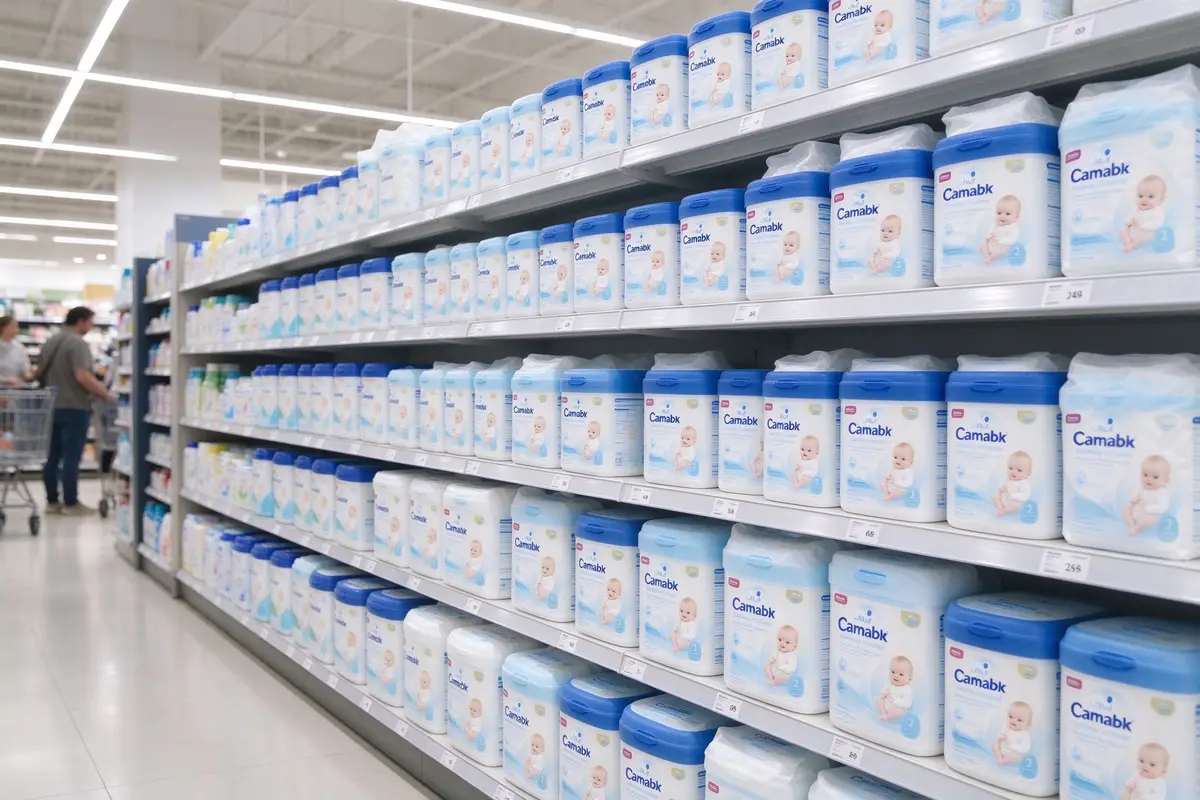
Moni Happy entered AEON Cambodia and premium baby stores after a national baby expo, listing the full NB-XXL range of tape diapers and pull-up pants with Dermatest 5-Star Excellent certification and branded blue-and-white endcaps. The launch followed a four-step path — expo visibility, local distributor partnership, certification and vendor-document preparation, and in-store merchandising — and it offers a concrete case study for distributors who want to know how a premium Japanese diaper brand actually enters modern trade in Southeast Asia.
- First-party fact: Moni Happy listed its full NB-XXL range (tape diapers + pull-up pants) in AEON Cambodia and leading premium baby stores after the national baby expo.
- Certification supporting the listing: ISO 9001 quality system, Dermatest 5-Star Excellent dermatological testing, product safety test reports.
- Four-step launch path: expo visibility and leads → local distributor partnership → certification and vendor documents → in-store merchandising and POSM.
- Typical modern-trade listing cycle: 2-6 months from first buyer pitch to on-shelf date (planning estimate; varies by chain).
- Channel mix in Cambodia: AEON-style modern trade + premium baby chains for credibility; traditional shops and markets for volume; e-commerce for trial.
- Distributor opportunities for other Cambodian and Southeast Asian markets: moni-happy.com/partner.
This case study is the Cambodia chapter of the Southeast Asia distribution channel overview; read the Cambodia profitability page for the market-profitability analysis and the wholesale price, MOQ and margin guide for the wholesale economics behind the listing.
How did Moni Happy first enter the Cambodian market?
Moni Happy's Cambodia entry began at a national baby expo in Phnom Penh, where the brand showcased its full range of tape diapers and pull-up pants and generated direct leads from retailers, distributors and parents. The expo served three purposes: it gave the brand visible credibility with Cambodian consumers, it allowed the team to meet local distributors and retail buyers face-to-face, and it provided real-time feedback on which sizes and product types generated the most interest (newborn sizes and pull-up pants were particularly strong). Rather than entering cold through a generic sales email, the expo created the visibility and trust that made the subsequent modern-trade conversations possible.
What role did the local baby diaper distributor play in the AEON listing?
The AEON listing was not a direct brand-to-chain deal — it was executed through a local baby diaper distributor partner who already had relationships with modern-trade buyers, understood the chain's vendor onboarding process, and could handle local logistics, warehousing and in-store merchandising. This is the standard model for premium imported brands in Southeast Asia: chains like AEON prefer to buy through an authorized local baby diaper distributor rather than directly from overseas manufacturers, because the distributor manages credit, returns, deliveries to the chain's distribution center and in-store compliance. The distributor's existing buyer relationship and track record with the chain were arguably more important than the brand's marketing budget in securing the listing — this is why choosing the right baby diaper distributor partner is the single most important decision for a brand entering a new market.
What certifications and documents were required for the listing?
Modern-trade buyers are held accountable for product safety scandals, so the vendor file had to prove quality and compliance before the category review committee would approve the listing. The package included:
- ISO 9001 quality management certification for the manufacturing facility (ISO 9001).
- Dermatest 5-Star Excellent certification — independent dermatological testing that gives buyers a defensible safety claim for premium positioning (Dermatest).
- Product safety test reports from recognized laboratories covering absorbency, pH, formaldehyde, heavy metals and microbiological safety.
- EAN/UPC barcodes for every SKU, registered through GS1 or the national member organization.
- Local-language labeling with importer details, product specifications, batch numbers and shelf-life dates, compliant with Cambodian import regulations.
- Company and tax registration for the local distributor, plus product liability insurance where required.
Preparing this package before the buyer pitch — rather than scrambling to produce documents after being asked — shortened the listing timeline significantly. The import documents and certification checklist provides the full import-document checklist for Southeast Asian markets.
How was the in-store merchandising executed?
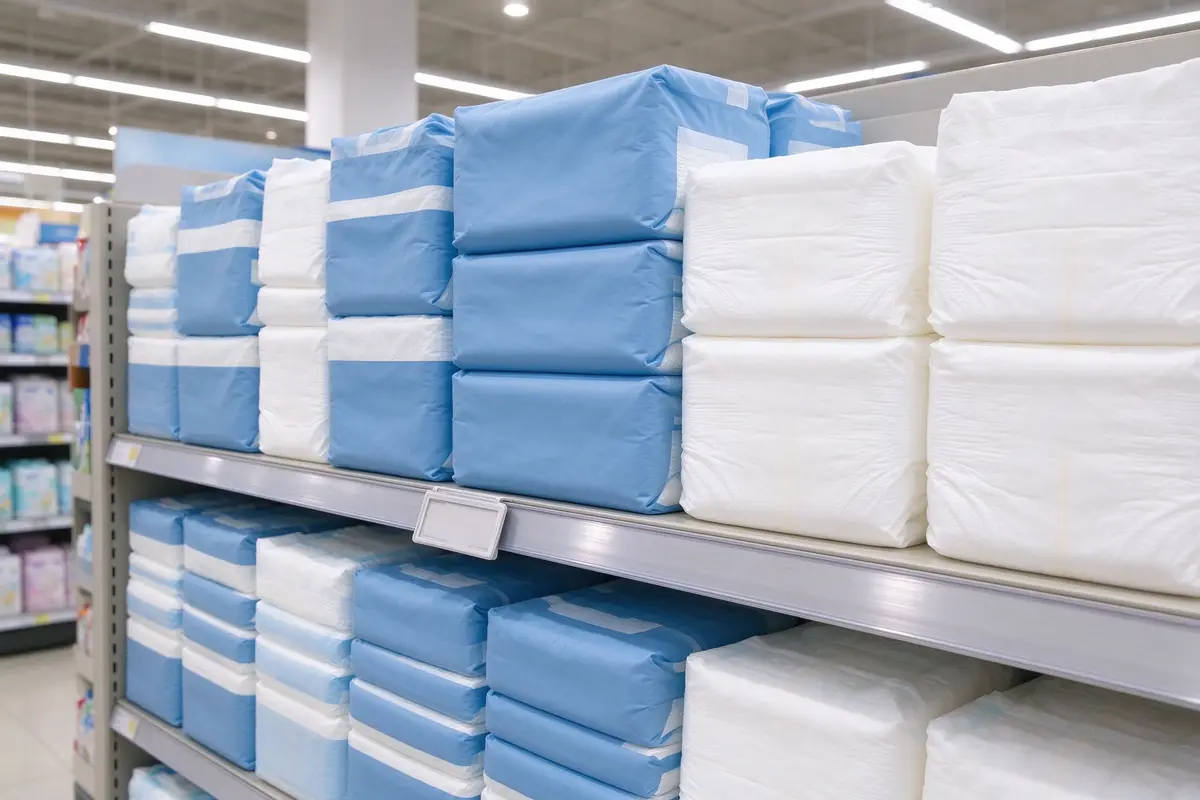
Once listed, Moni Happy worked with the distributor and the chain's merchandising team to install branded blue-and-white endcaps and shelf displays in the baby category, with POSM (point-of-sale materials) including shelf strips, danglers and product information cards highlighting the Dermatest certification and Japanese quality positioning. The launch was supported by in-store promotions and sampling to drive initial trial, because a premium imported brand cannot rely on shelf presence alone — it must actively convert shoppers who are used to lower-priced local and regional brands. The full NB-XXL size ladder was important here: modern-trade planograms favor brands that can supply every size in the category, because a complete size range reduces shopper frustration and increases basket size. The supermarket listing guide covers the merchandising and trade-spend details in depth.
What results did the AEON listing deliver?
The AEON listing gave Moni Happy three outcomes that are difficult to achieve through traditional trade alone: brand credibility (a premium Japanese diaper brand stocked in a leading modern-trade chain validates the brand for other retailers, parents and every prospective baby diaper distributor), a showcase endcap that demonstrates the brand's merchandising capability to prospective distributors in other markets, and consumer trial data that informs size-mix and marketing decisions for future launches. The Cambodia launch also created a referenceable case study that the brand uses when pitching a new baby diaper distributor in Vietnam, Thailand, Indonesia, the Philippines and Malaysia — a modern-trade listing in one market is the single most effective sales tool for entering the next market. Any baby diaper distributor interested in replicating this model in their own country should review the Southeast Asia distribution channel overview for the channel landscape and the how to become a baby diaper distributor for the onboarding process.
What can other baby diaper distributors learn from this case study?
Five lessons for any baby diaper distributor who wants to list a premium diaper brand in modern trade:
- Quality certification is the price of admission, not a differentiator: ISO 9001 + Dermatest or equivalent independent testing is expected by modern-trade buyers; without it, you will not pass the category review.
- Buyer relationships matter more than price: chains buy through distributors they know and trust; a distributor with an existing track record and buyer relationships can list a new brand faster than a lower-priced unknown supplier.
- Prepare the vendor-document package before the pitch: having certifications, barcodes, labeling and insurance ready before the buyer asks shortens the listing cycle by weeks.
- Merchandising drives trial, not just shelf presence: a branded endcap, POSM and launch promotions are what convert shoppers in a crowded category — a bare shelf listing will underperform.
- A complete size range wins planogram space: chains favor brands that supply NB through XXL in both tape and pants formats, because a complete ladder increases category sales and reduces shopper frustration.
Moni Happy is appointing an authorized baby diaper distributor for Cambodia and other Southeast Asian markets, with wholesale pricing, size-mix guidance, POSM kits, certification documents and modern-trade listing support modeled on the AEON Cambodia launch. If you are an established baby diaper distributor or wholesaler, request current distributor openings and the partner pack at moni-happy.com/partner.
If you are weighing up whether to take the brand on, the distributor onboarding guide sets out the four stages from first message to first container, and what is agreed at each one.
Frequently asked questions
If you already sell into Malaysia, the Malaysia partner programme sets out territory availability, what the launch package includes and how to apply.
Sources and further reading
- Dermatest — independent dermatological product certification (5-Star Excellent rating)
- ISO — ISO 9001 quality management systems standard
- GS1 — global standards for EAN/UPC product barcodes
- World Bank — fertility rate and market context for Cambodia
Commercial figures are indicative planning ranges and subject to a formal quotation; statutory rates must be confirmed with a licensed customs broker.
Bottom line: Moni Happy's AEON Cambodia listing demonstrates that modern-trade entry for a premium Japanese diaper brand follows a repeatable four-step path: expo visibility, local distributor partnership, certification and vendor-document preparation, and branded in-store merchandising. The key lessons for distributors are that independent quality certification is the price of admission, buyer relationships matter more than price, a complete NB-XXL size range wins planogram space, and a referenceable modern-trade listing in one market is the most effective tool for entering the next.
Frequently Asked Questions
How did Moni Happy get its diapers listed in AEON Cambodia?
Moni Happy gained visibility at a national baby expo, then partnered with a local distributor who had modern-trade buyer relationships, prepared certification and vendor documents, and listed the full NB-XXL range with branded endcaps.
What certifications were required for the AEON listing?
The listing was supported by ISO 9001 quality certification, Dermatest 5-Star Excellent dermatological testing, product safety test reports, EAN/UPC barcodes and compliant local-language labeling with importer details.
How long did the AEON listing process take?
From first buyer meeting to on-shelf display took several months — vendor application, category review, documentation, barcode setup and first delivery — consistent with the typical 2-6 month modern-trade listing cycle.
What can other distributors learn from the Moni Happy AEON case?
Modern-trade listing requires a brand with proven independent quality certification, a local distributor with existing buyer relationships and channel knowledge, a complete vendor-document package, and a written merchandising plan — not just a low wholesale price.
Distributor resources
If you are evaluating suppliers for your market, these are the pages that answer the commercial questions — in the order buyers usually need them.
